


 English
 中文简体
中文简体Forklift Hydraulic Pump Market Pivots to Efficiency
The material handling sector is witnessing a shift in how buyers approach the forklift hydraulic pump, a component that directly governs lift speed, energy consumption, and operating cost. As warehouses contend with rising electricity rates and stricter emissions standards, the forklift hydraulic pump has moved from a commodity replacement part to a strategic procurement decision. Industry data indicates that hydraulic system inefficiency accounts for roughly 18 percent of energy loss in electric forklifts, with the pump representing the single largest contributor. Fleet managers report that a properly matched unit can reduce total energy draw by 12 to 15 percent while extending battery shift life by up to 90 minutes. This awareness is reshaping procurement across distribution centers, manufacturing plants, and logistics facilities.
How Do Pump Types and Categories Compare in Real Operation?
The forklift hydraulic pump market divides into gear, vane, and piston types. Gear pumps command roughly 60 percent of the replacement market, delivering flow rates from 12 to 80 liters per minute at working pressures between 160 and 250 bar. Their simple two-gear construction yields a service life averaging 8,000 to 10,000 hours in typical warehouse duty. Vane pumps, holding approximately 18 percent market share, offer lower noise profiles of 62 to 68 decibels compared to 72 to 78 decibels for gear pumps, a meaningful difference in cold storage and food distribution environments where operators work near running equipment. Piston pumps, at about 10 percent of the segment, achieve pressures up to 350 bar with volumetric efficiencies above 94 percent, suiting heavy-duty applications such as port container handling and steel mill operations. The remaining share belongs to tandem configurations that split flow between mast lift and tilt functions. Purchasing data from 200 fleet operators shows that 45 percent now specify gear pumps with hardened steel wear plates as a small upgrade, citing a 30 percent improvement in contamination tolerance over standard aluminum-bodied units.
Where Are Energy-Saving Upgrades and Retrofit Applications Heading?
Energy efficiency has emerged as the primary driver of forklift hydraulic pump upgrades. Load-sensing variable displacement pumps, which adjust flow output to match actual demand rather than running continuously at full volume, are being retrofitted onto electric counterbalance forklifts with capacities between 1.5 and 3.5 tons. These retrofits reduce hydraulic power consumption by 22 to 28 percent during partial-load operations, which constitute roughly 70 percent of a typical warehouse work cycle. The payback period averages 14 to 18 months in multi-shift operations when factoring in battery replacement and charging infrastructure costs. Frequency-controlled drive conversions on internal combustion forklifts represent another growing retrofit category, decoupling pump speed from engine revolutions to allow full lift performance at idle. This reduces fuel consumption by 0.6 to 0.9 liters per hour and cuts idle-hour accumulation by approximately 25 percent. Regenerative lowering circuits integrated into the pump control manifold capture energy during mast descent, redirecting it to charge a hydraulic accumulator and shaving an additional 8 to 10 percent from the pump's energy budget.
What Market Conditions Are Shaping Procurement Today?
The forklift hydraulic pump aftermarket is navigating supply constraints and shifting pricing. Lead times for standard gear pump models have extended from a pre-2020 average of 3 to 5 working days to 8 to 15 working days currently, driven by intermittent shortages of bearing-grade steel and precision-machined gear blanks. Pricing has risen accordingly, with a typical 25 liter per minute gear pump now carrying a trade price roughly 18 percent higher than its 2019 equivalent. Remanufactured pumps have captured an estimated 22 percent of the replacement market, up from 14 percent in 2019, as cost-conscious operators seek alternatives to extended new-part lead times. E-commerce platforms now facilitate approximately 28 percent of aftermarket transactions by volume, improving price transparency while compressing distributor margins by an estimated 5 percentage points. Fleet electrification is also shaping demand, with DC-powered pump-motor combinations for electric forklifts representing the fastest-growing subsegment at a projected annual growth rate of 8.5 percent.
The forklift hydraulic pump is no longer viewed as a simple fluid-moving device but as a lever for operational cost control and environmental compliance. As energy costs continue rising and electrification reshapes the material handling fleet, the specification and sourcing of the forklift hydraulic pump will remain a central concern for warehouse and logistics managers seeking to protect both uptime and margins.
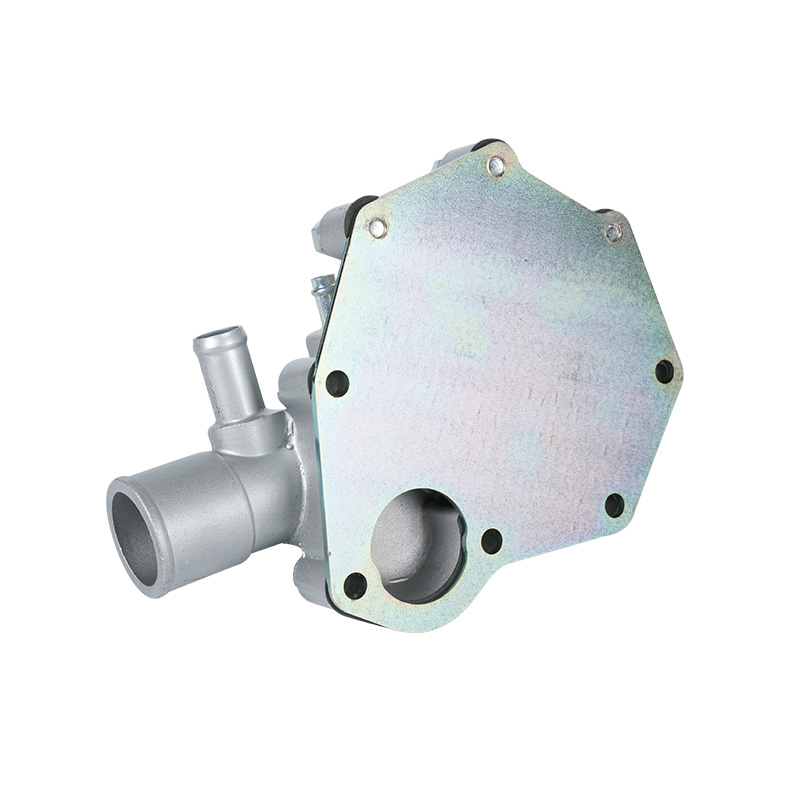
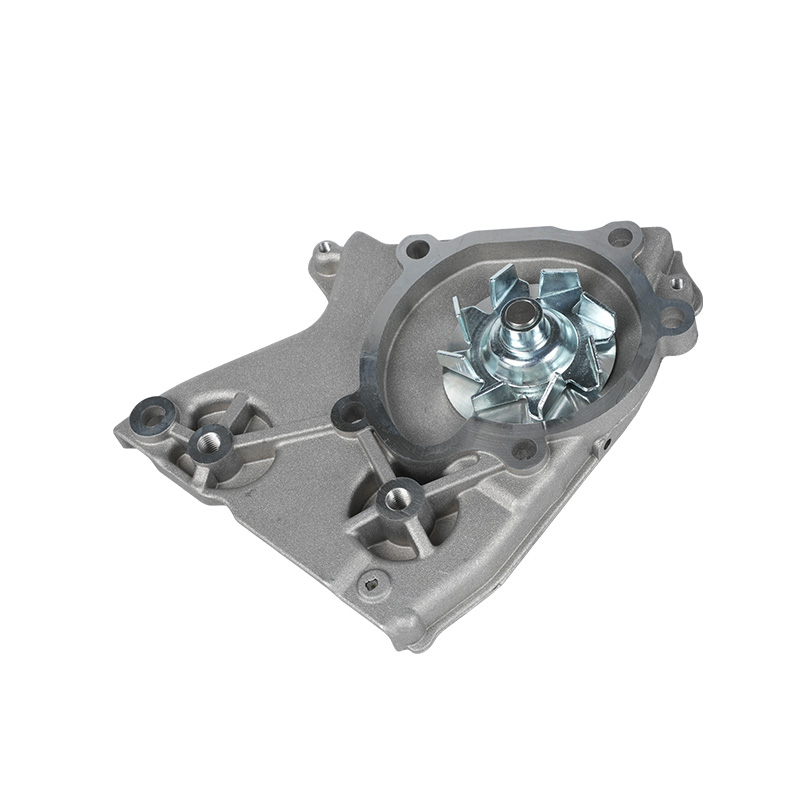
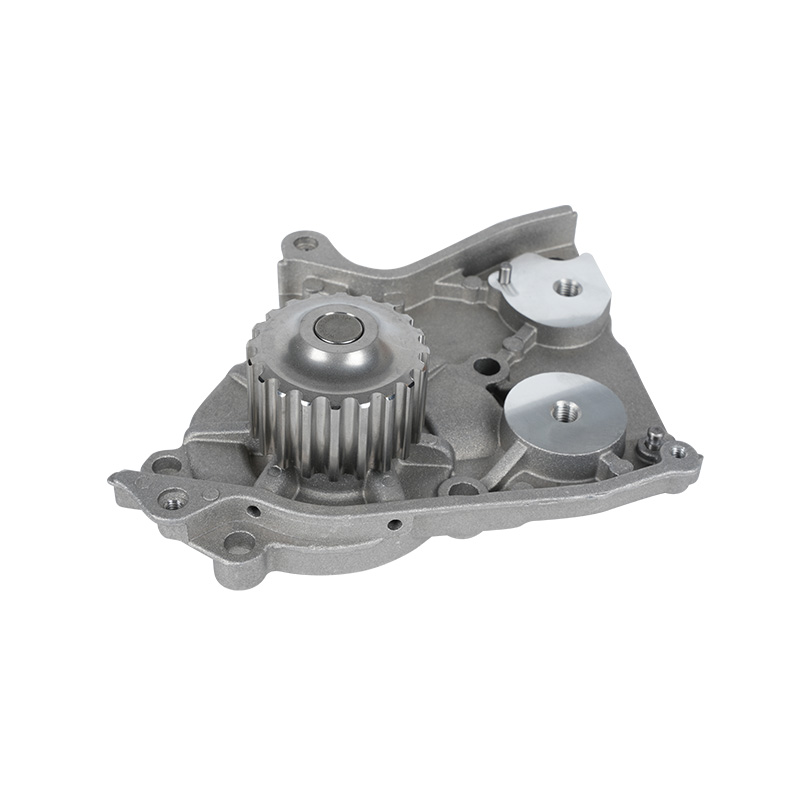
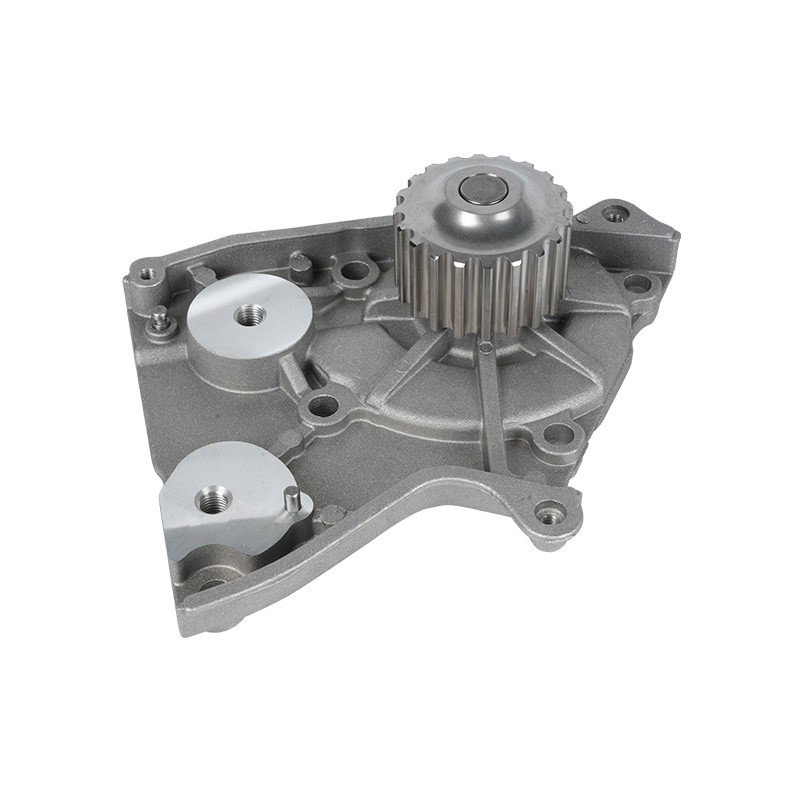
For reliable lifting and steering performance, we recommend the CZL-F-005 Forklift Hydraulic Pump from Zhejiang Jinrui Pump Industry Co., Ltd. This high-efficiency pump is specifically designed for forklift hydraulic systems, delivering stable oil flow to support mast lifting, tilting, and steering functions. Built with wear-resistant components and precision sealing, the CZL-F-005 ensures consistent output even under continuous heavy loads. It serves as a dependable replacement for worn or damaged OEM pumps, reducing equipment downtime and maintenance costs. Ideal for warehouse operations, logistics centers, and construction sites.
Previous Post
Forklift Water Pump Buying Mistakes to Avoid
Next Post
Excavator Water Pump Maintenance Gains Priority
CONTACT US NOW

We sincerely welcome friends from all walks of life
to visit Zhejiang Jinrui Pump Industry Co., Ltd. to
visit, guide and business negotiations,
and jointly create a better future.
- KEEP IN TOUCH
- Phase I of Longshang Shoes Industrial Base, Tashi Street, Longquan City, Lishui City, Zhejiang, China.
- [email protected]
- +86-18957085800 / +86-15268785899
- MOBILE WEB
Copyright © 2024 Zhejiang Jinrui Pump Industry Co., Ltd. 
Electric Pump Factory
