


 English
 中文简体
中文简体Forklift Water Pump Buying Mistakes to Avoid
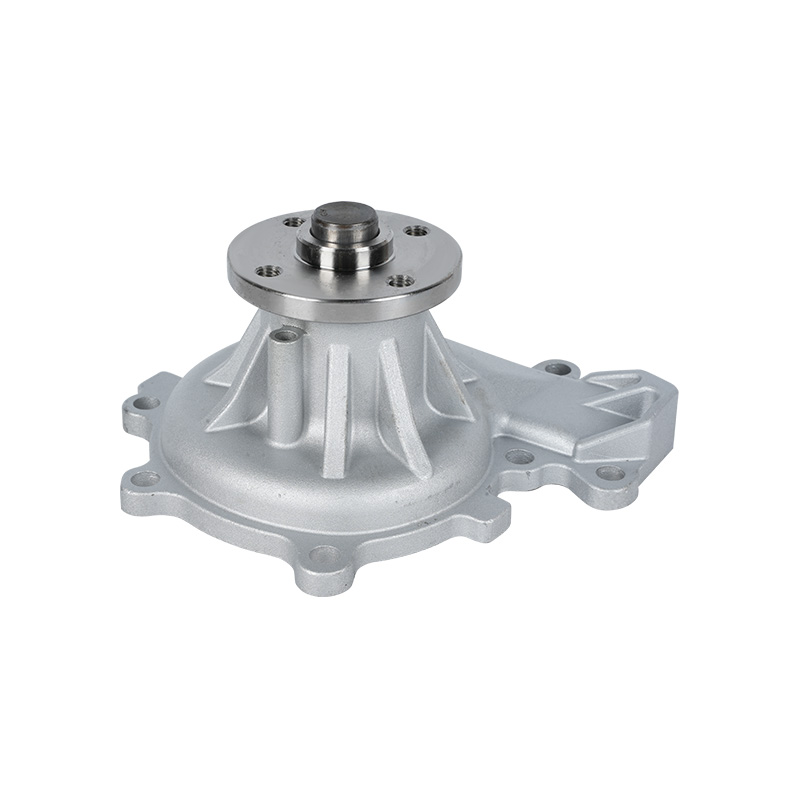
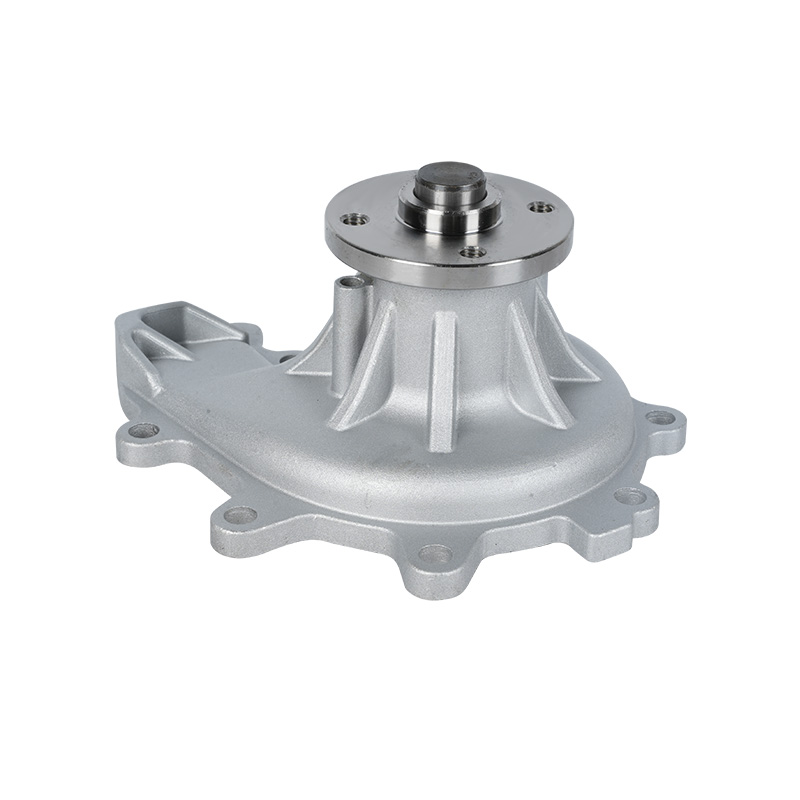
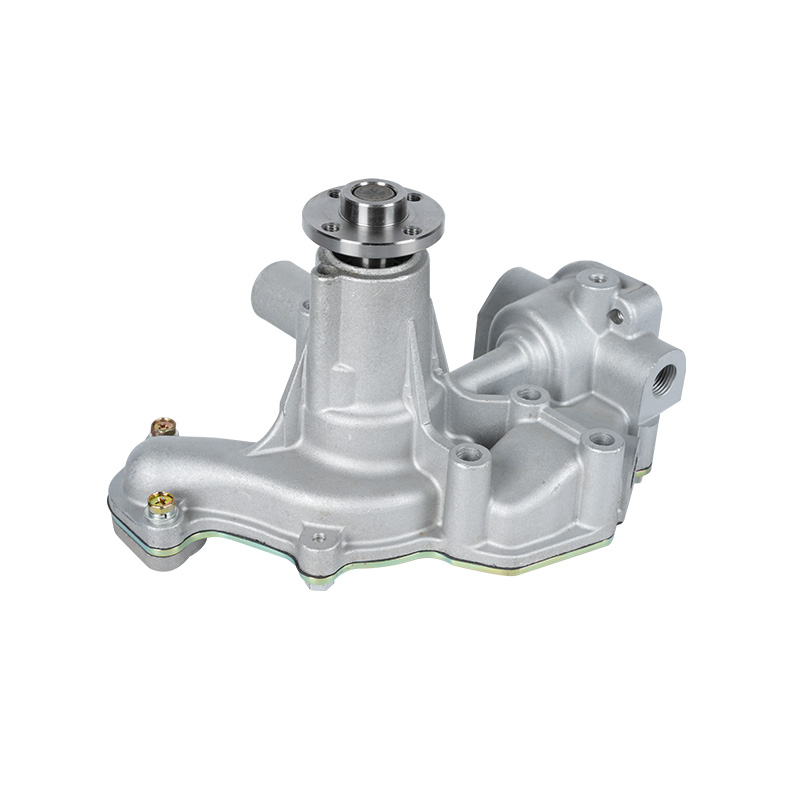
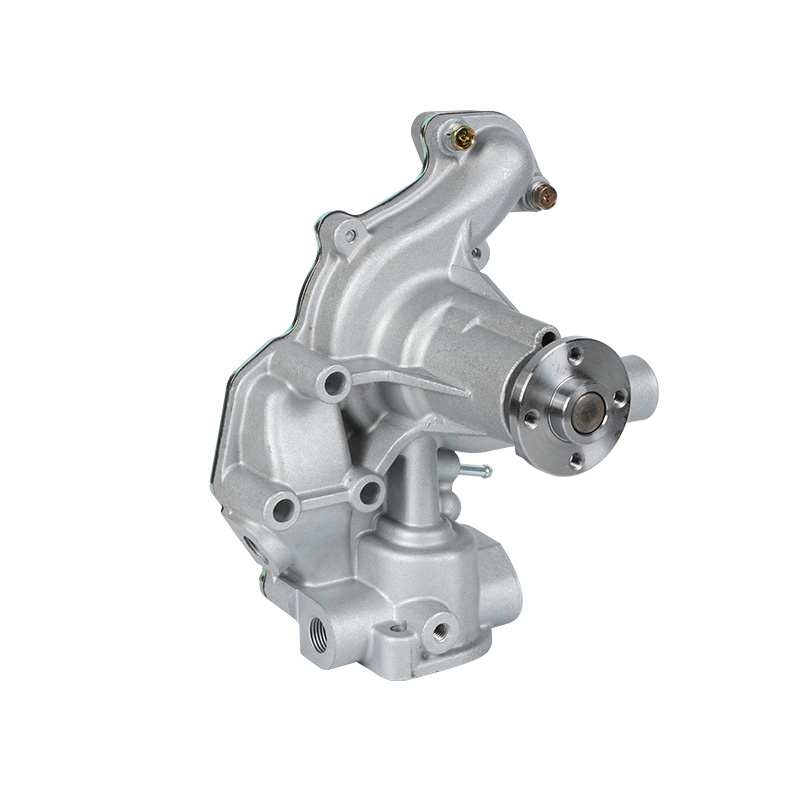
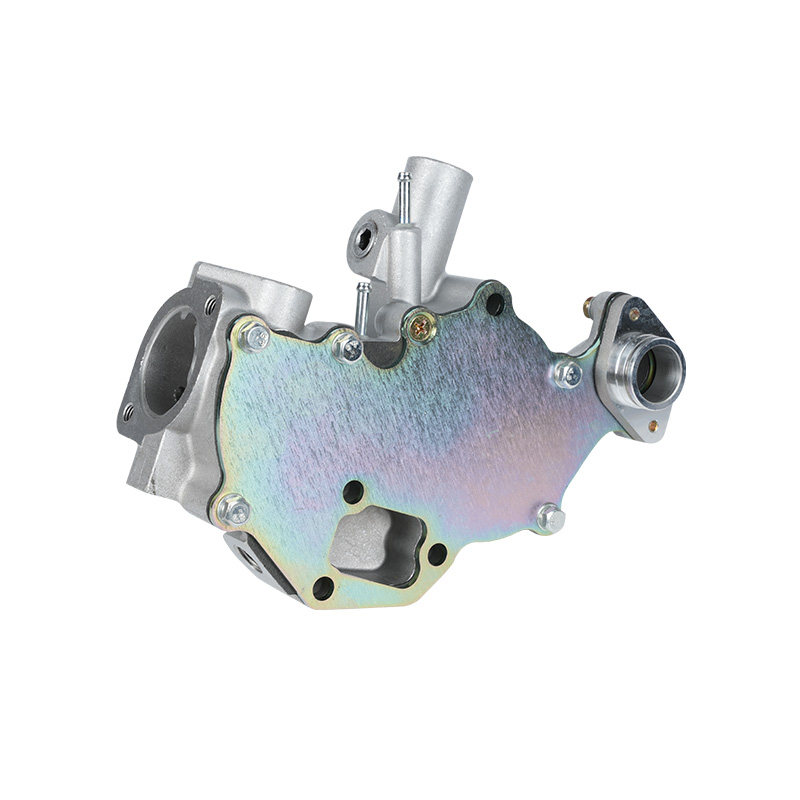
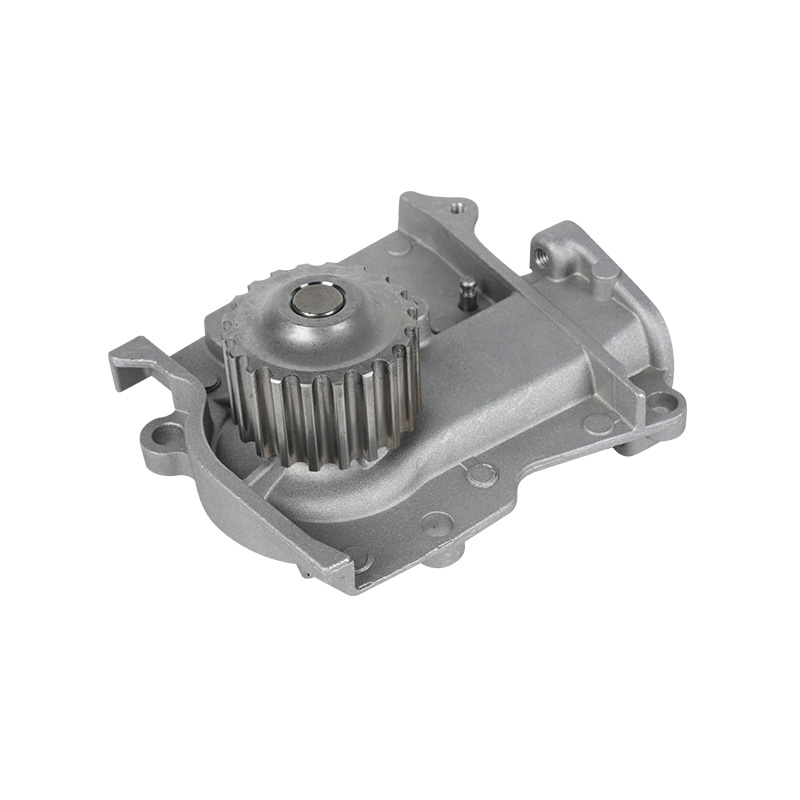
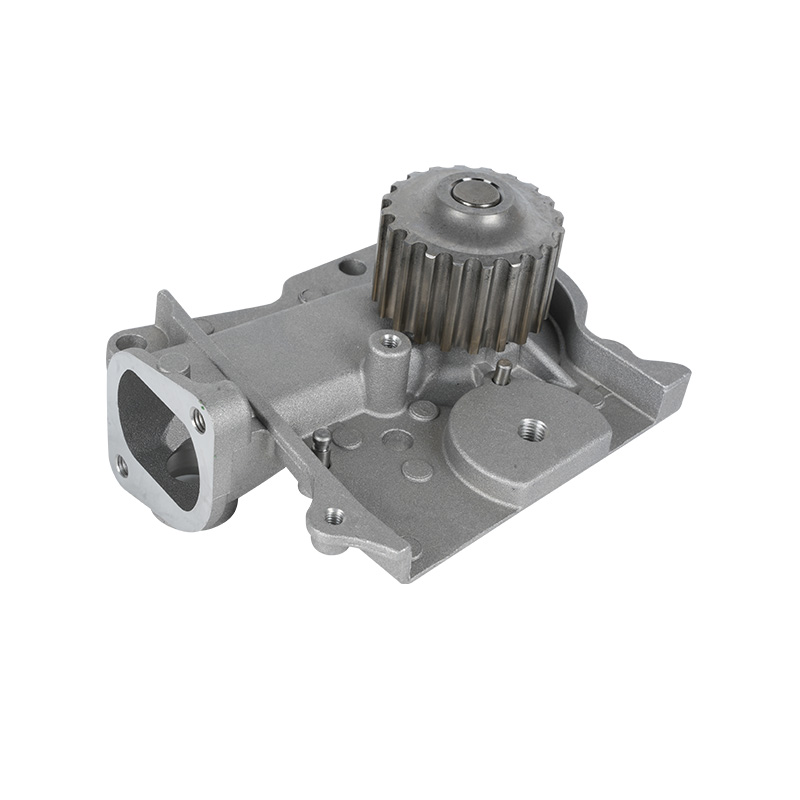
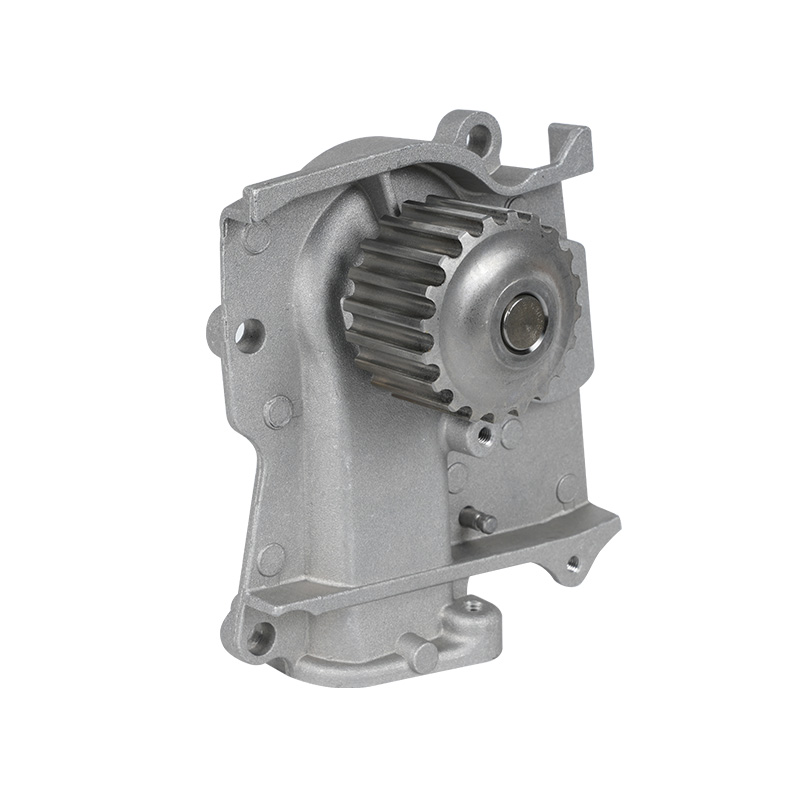
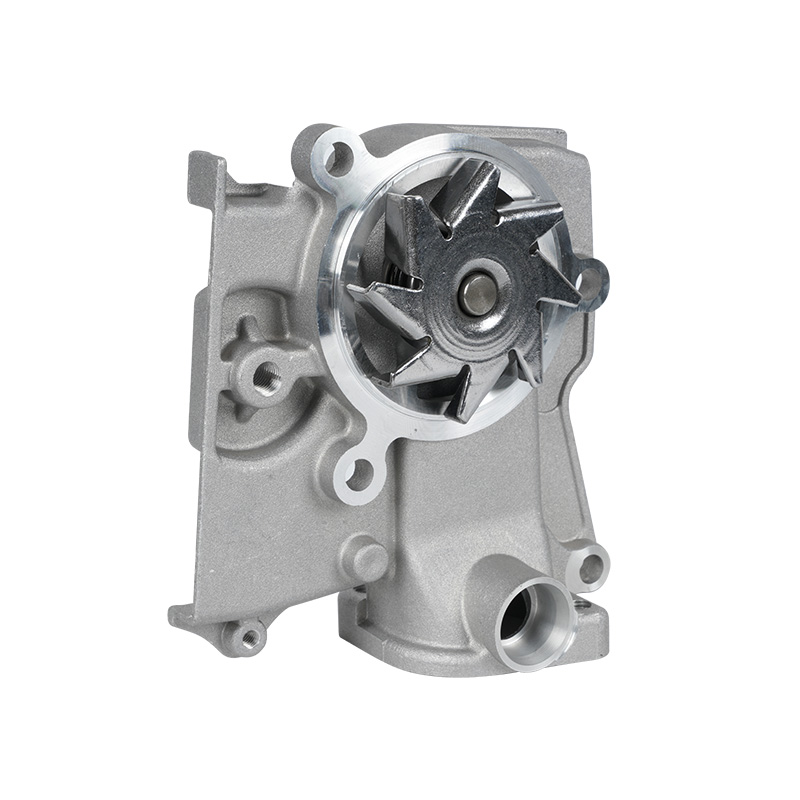
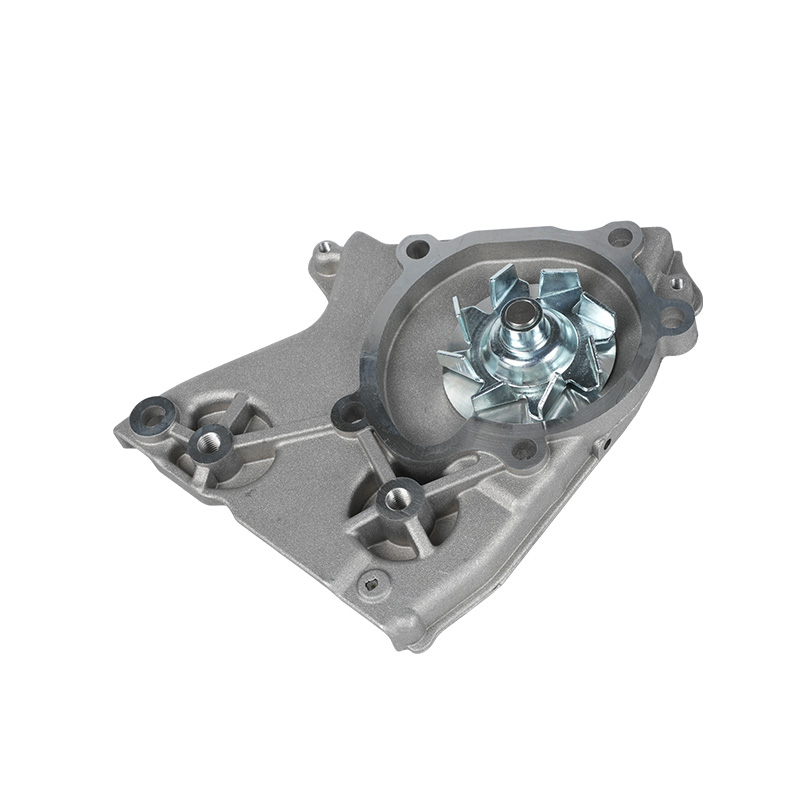
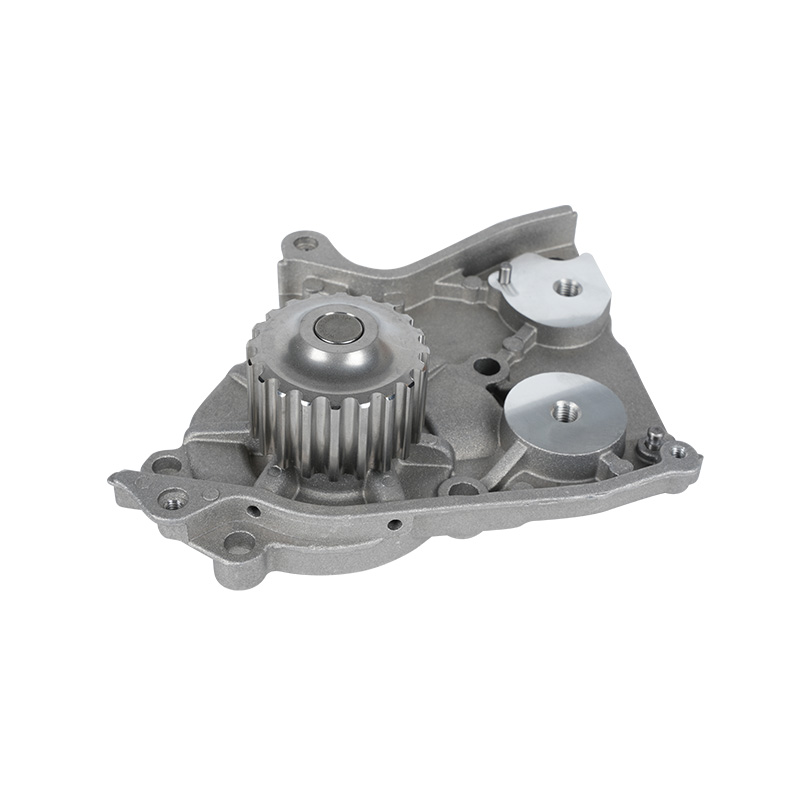
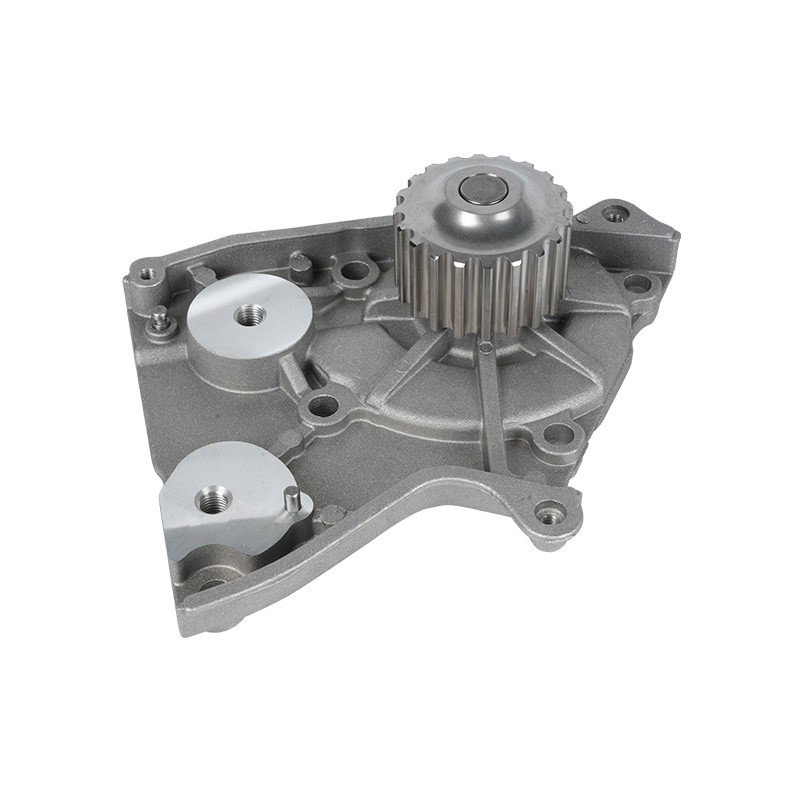
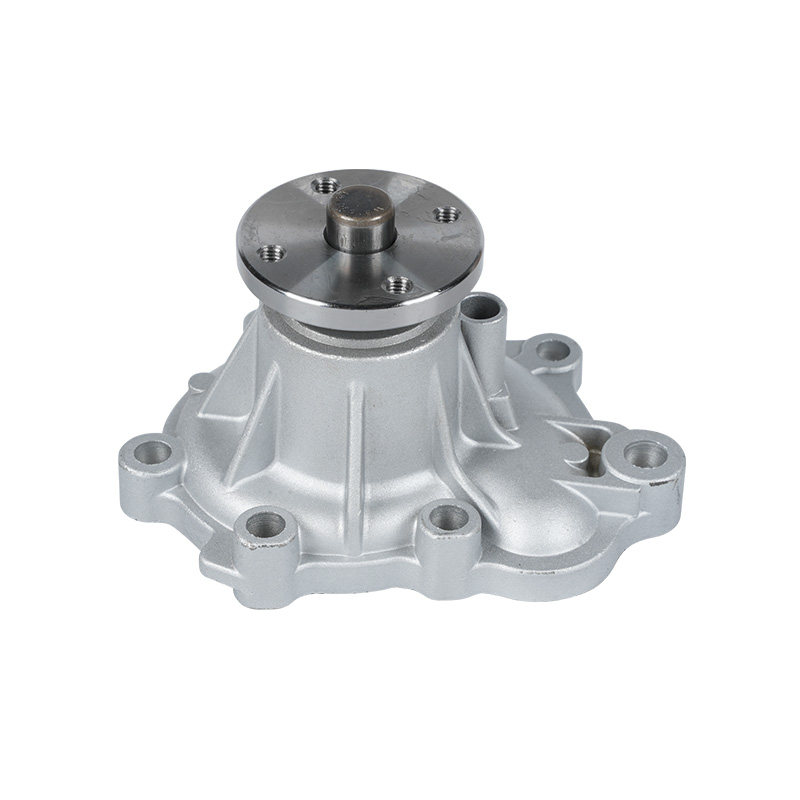
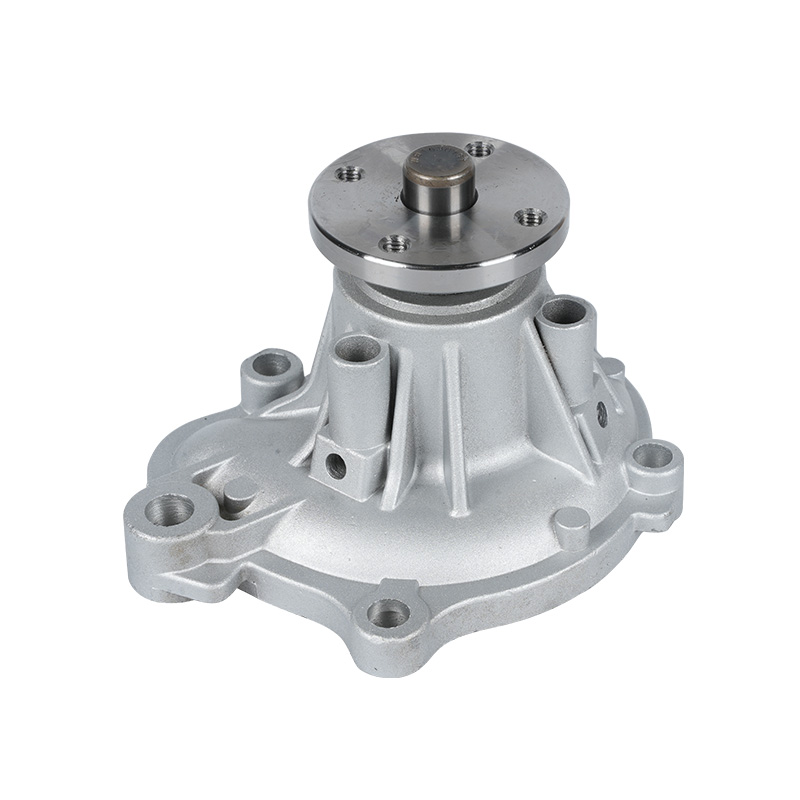
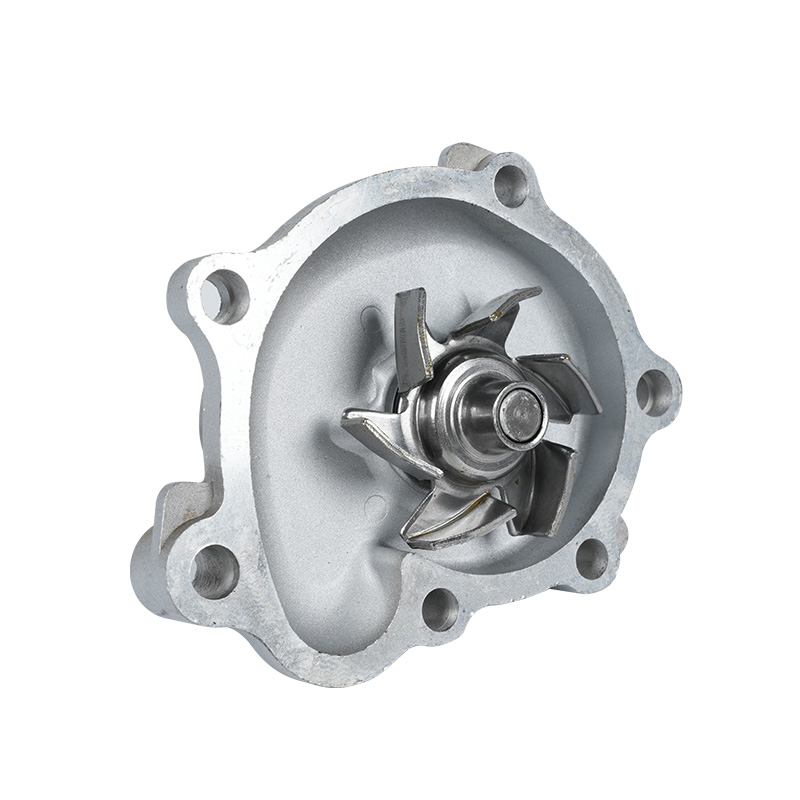
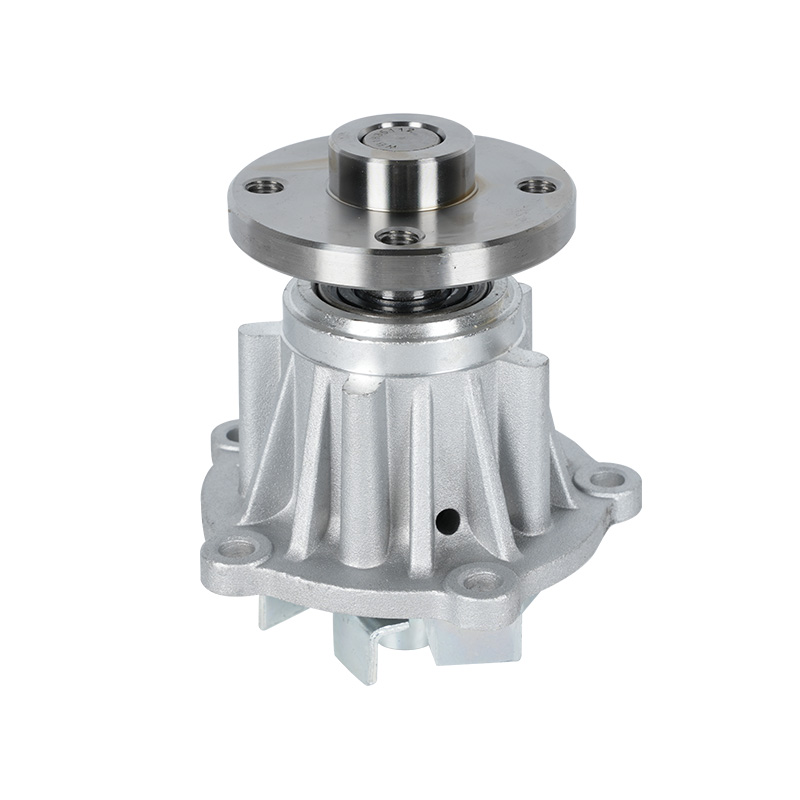
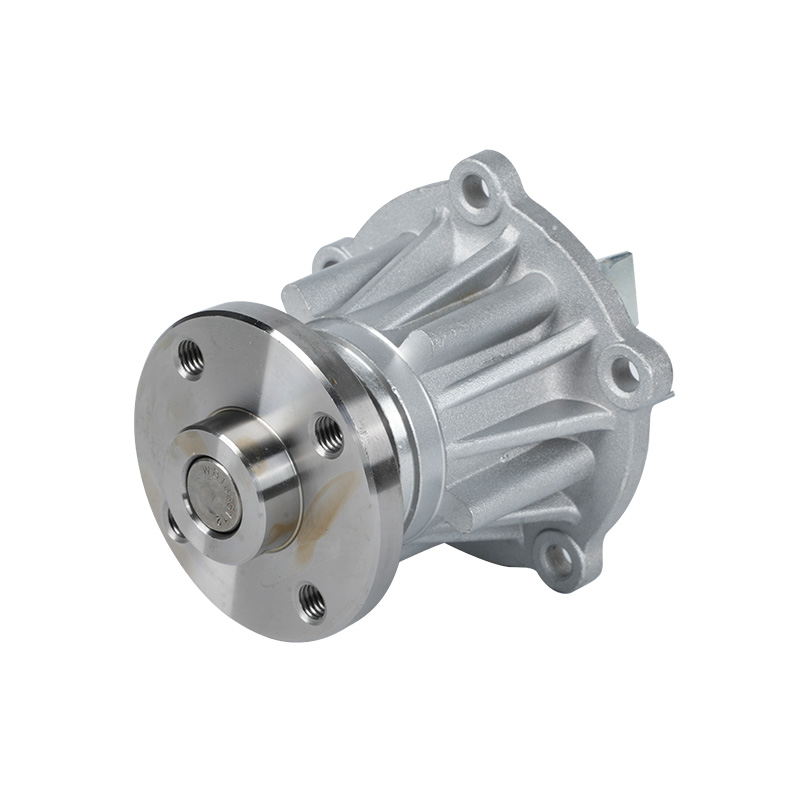
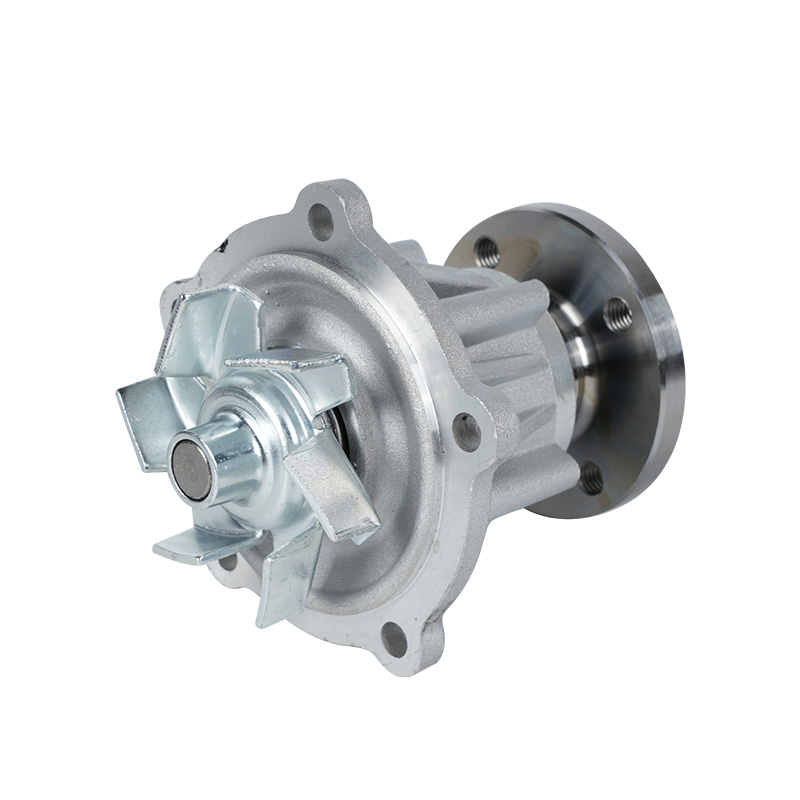
A forklift water pump rarely gets mentioned until something breaks. It sits somewhere in the engine bay doing exactly what it's supposed to do — pushing coolant around the engine, pulling heat away from the parts that generate it, and keeping the whole system from cooking itself during a long shift. Most people running warehouse or logistics operations don't think about it much. That's fine, until it fails during peak hours and a forklift gets sidelined at the worst possible time.
Forklifts are harder on cooling systems than most people give them credit for. Indoor environments often have poor airflow. The work cycle involves repeated heavy lifts with short rest intervals. Engines spend a lot of time at sustained load rather than the variable demand patterns you'd see in a road vehicle. All of that adds up to a cooling system that's working near its limits more often than not, and a water pump that doesn't get much downtime.
When sourcing a replacement pump, a few things genuinely matter and are worth slowing down for:
- Compatibility with the specific engine: This isn't something to eyeball. Shaft diameter, bolt pattern, and port sizing all need to match. A pump that almost fits is not a pump that works.
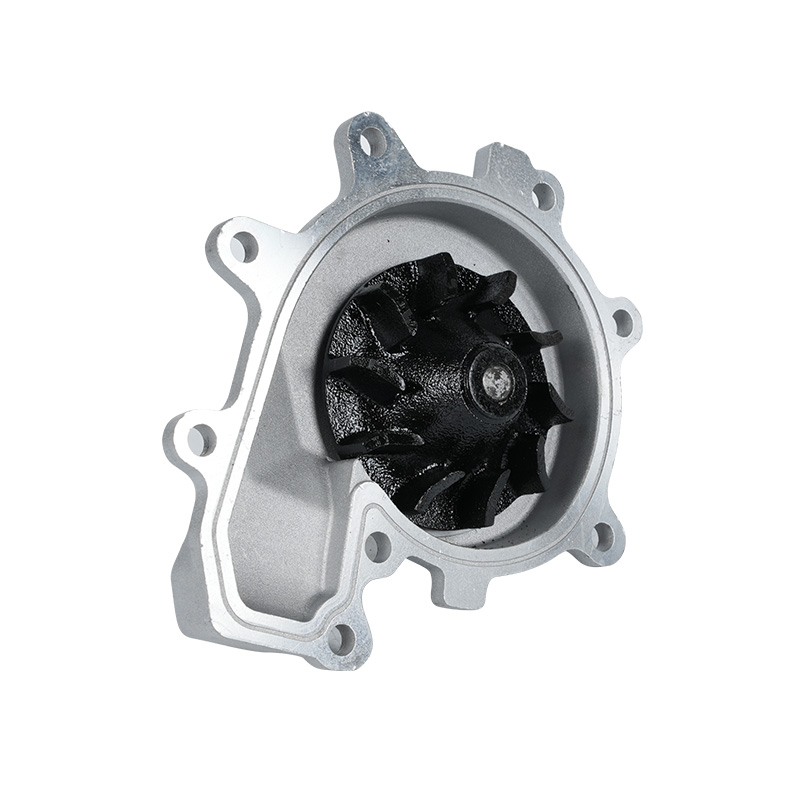
- Impeller material: Cast iron holds up well under industrial demand. Composite impellers can work fine too, particularly in systems using mixed coolant chemistry where corrosion is a concern. The wrong material choice shortens pump life noticeably.
- Mechanical seal quality: The seal between the shaft and housing fails more often than people expect. When it goes, coolant gets into the bearing, and the bearing goes with it shortly after. A cheap seal on an otherwise decent pump is a false economy.
- Flow rate at operating RPM: An undersized pump won't move coolant fast enough during high-load cycles. The result is hot spots in the block that don't show up immediately but cause cumulative damage over time.
- OEM versus aftermarket: Factory parts are built to the engine maker's tolerances. There are solid aftermarket options out there, but they're not all made the same way, and the gap between a good aftermarket pump and a poor one is wider than buyers sometimes expect.
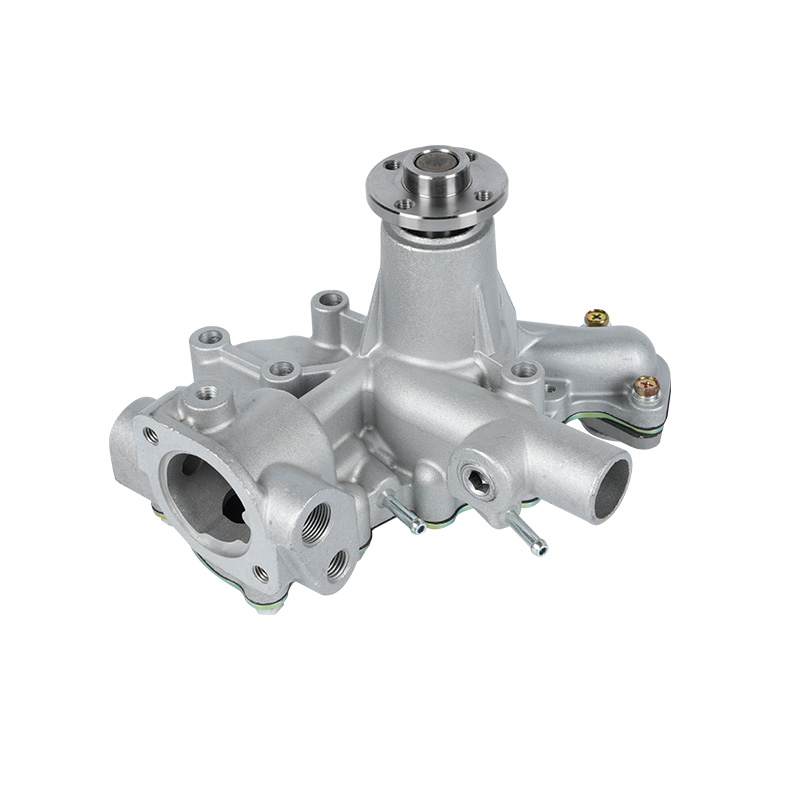
Fuel type matters here, too. Diesel, LP gas, and gasoline engines each have different thermal profiles and cooling demands. The water pump in a diesel counterbalance forklift isn't going to drop into an LP gas engine without a full spec check. Part numbers tied to engine serial ranges are the reliable way to confirm compatibility — visual matching alone has burned plenty of buyers before.
Spotting a forklift water pump that's starting to go usually isn't hard if you know what to look for. Coolant pooling under the machine after a shift is a common early sign, often coming from a weeping seal. A grinding or whining noise near the front of the engine points to bearing wear. Operators sometimes notice the temperature gauge sitting higher than normal during a standard shift, or the engine being slow to reach operating temperature — both can point back to reduced coolant flow. These aren't signs to watch and wait on.
When buying, a supplier who can confirm compatibility by engine model and provide full specifications upfront saves a lot of back-and-forth. A part number matched to the engine serial range is worth more than a photo comparison any day.
Previous Post
Can an Excavator Pump Handle Continuous Heavy Digging and Lifting?
Next Post
Forklift Hydraulic Pump Market Pivots to Efficiency

CONTACT US NOW

We sincerely welcome friends from all walks of life
to visit Zhejiang Jinrui Pump Industry Co., Ltd. to
visit, guide and business negotiations,
and jointly create a better future.
- KEEP IN TOUCH
- Phase I of Longshang Shoes Industrial Base, Tashi Street, Longquan City, Lishui City, Zhejiang, China.
- [email protected]
- +86-18957085800 / +86-15268785899
- MOBILE WEB
Copyright © 2024 Zhejiang Jinrui Pump Industry Co., Ltd. 
Electric Pump Factory
