


 English
 中文简体
中文简体Engine Water Pump Impellers Push Coolant Continuously
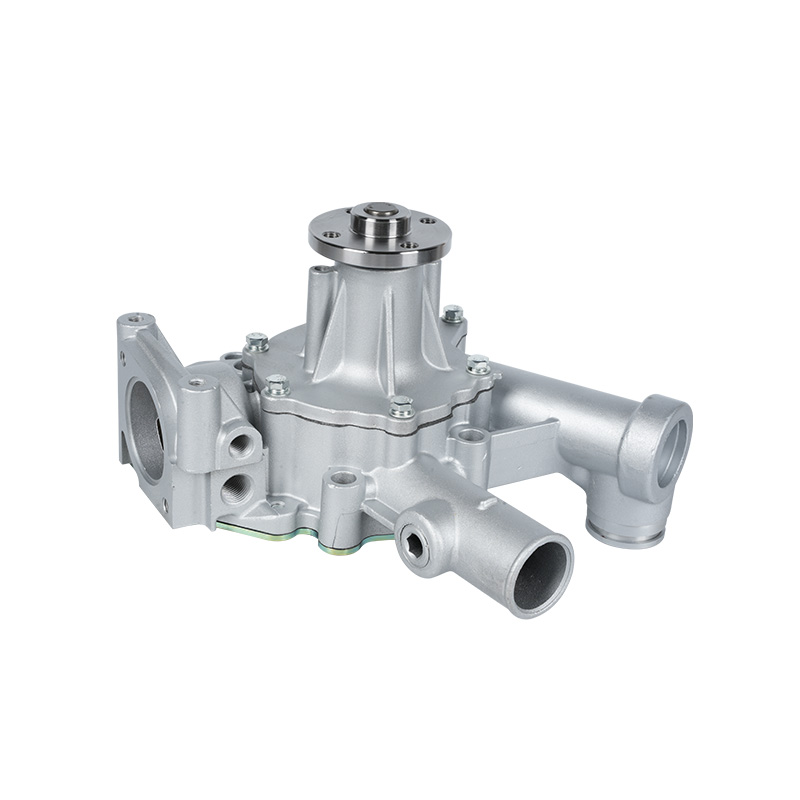
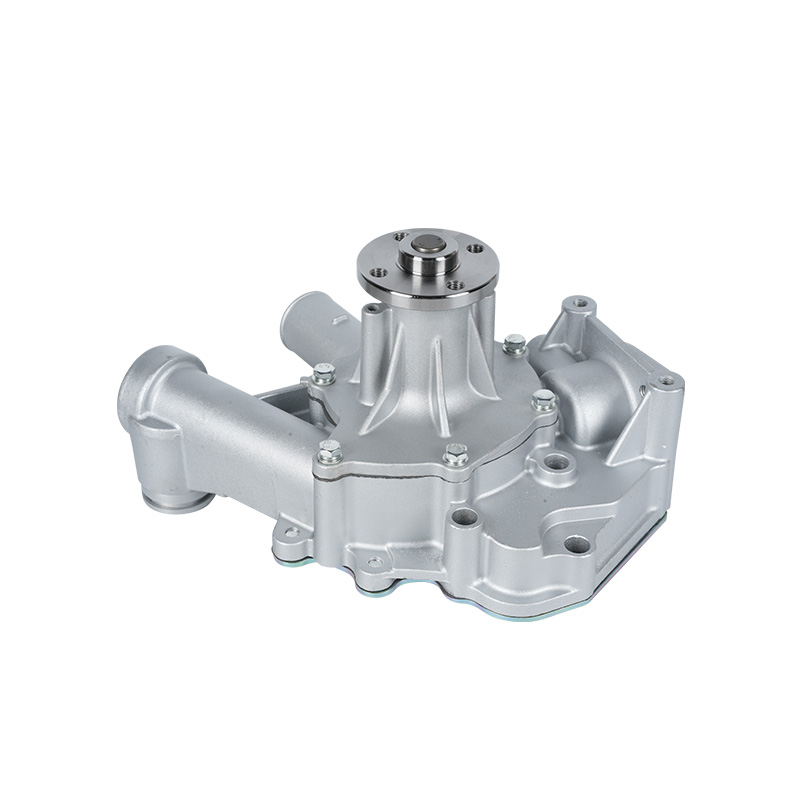
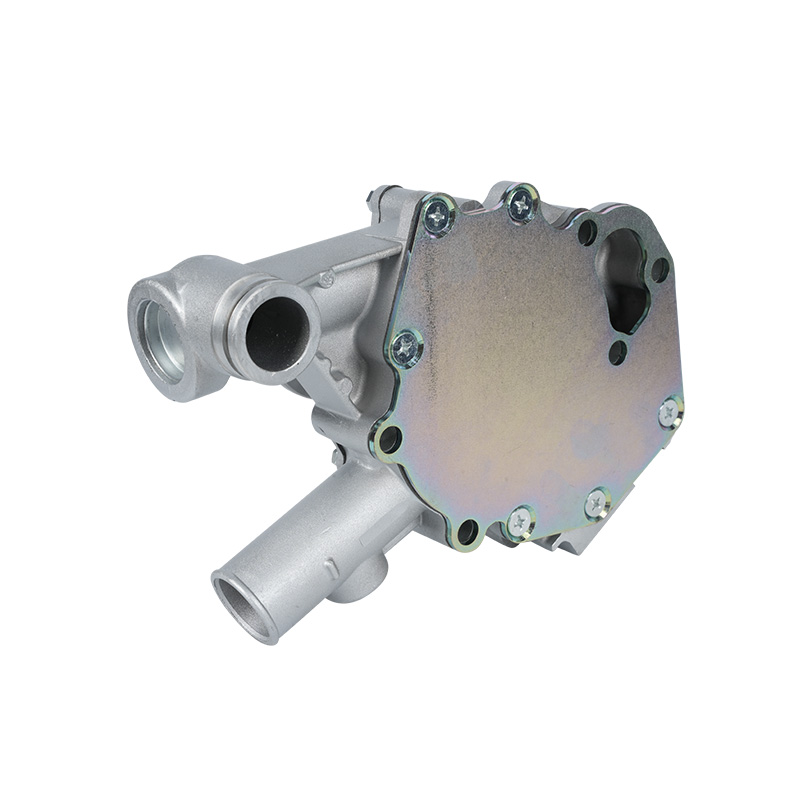
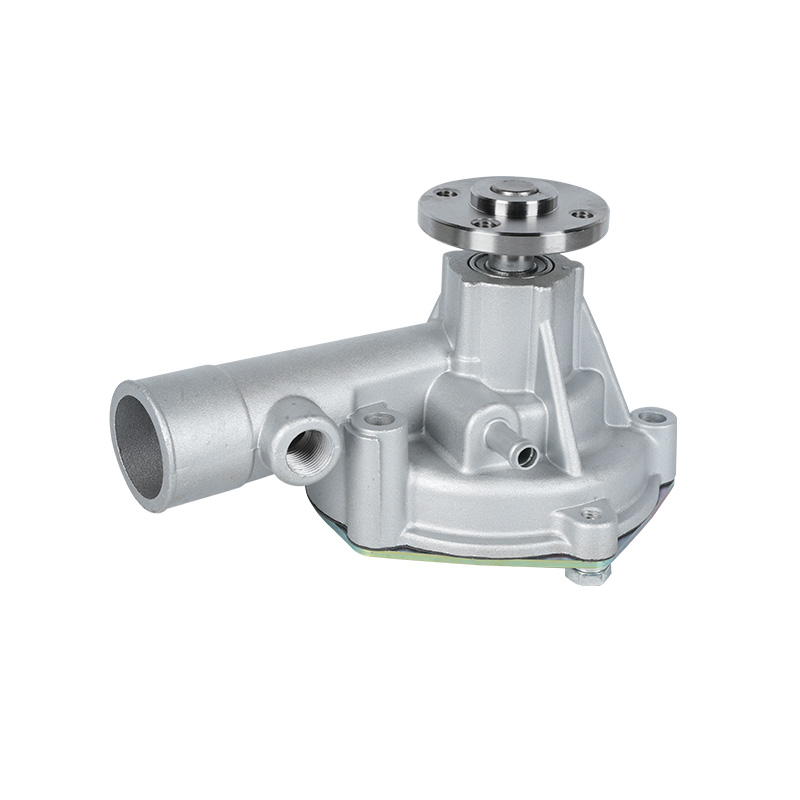
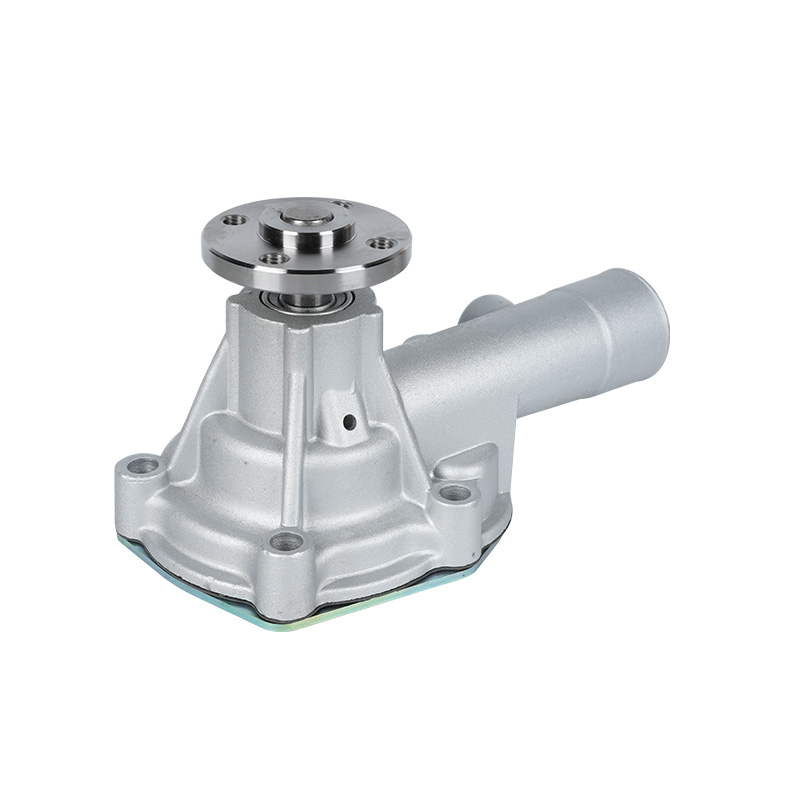
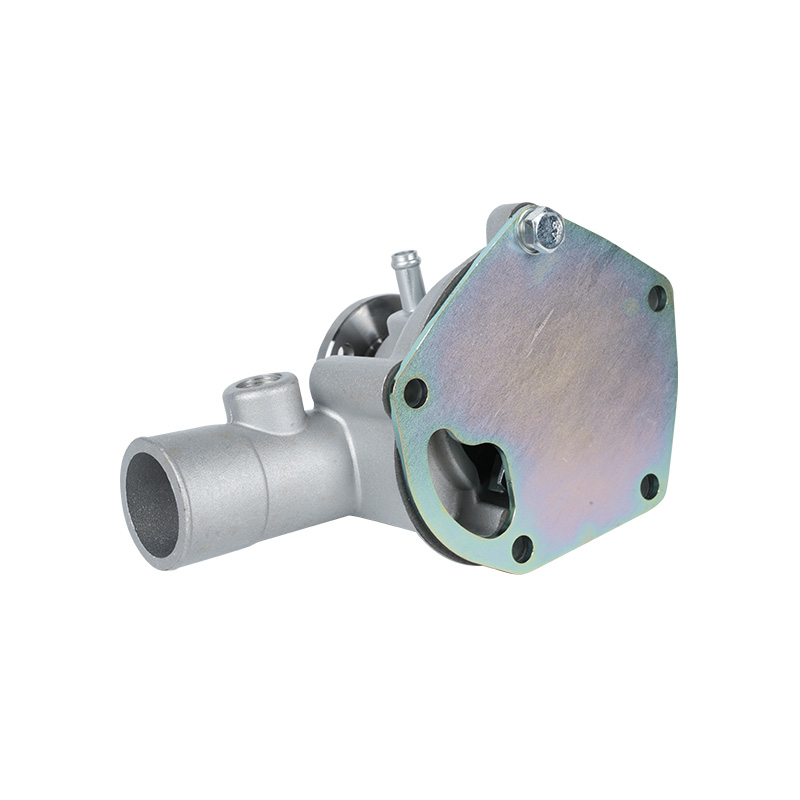
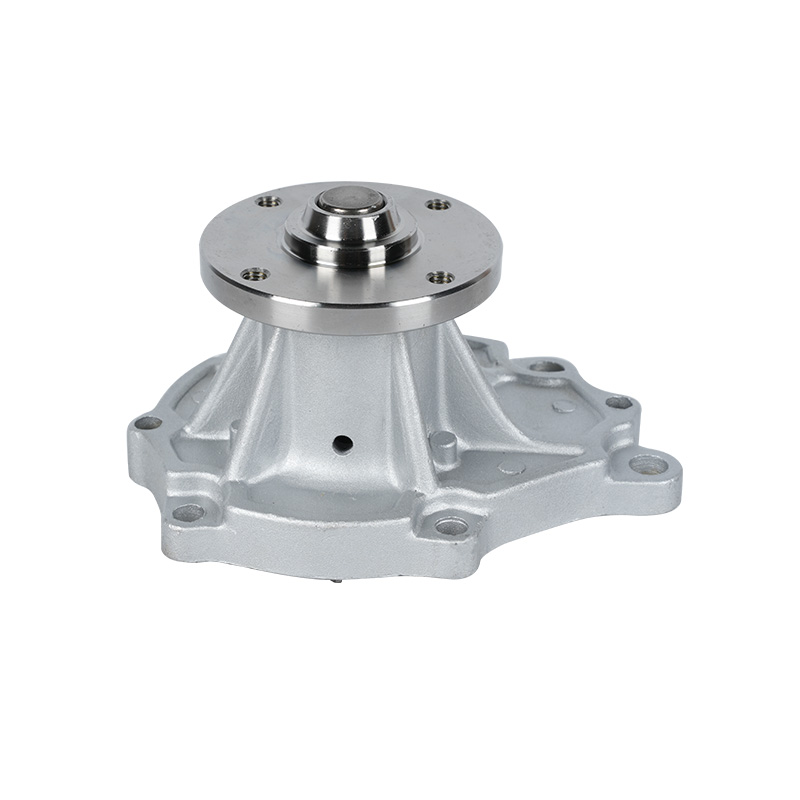
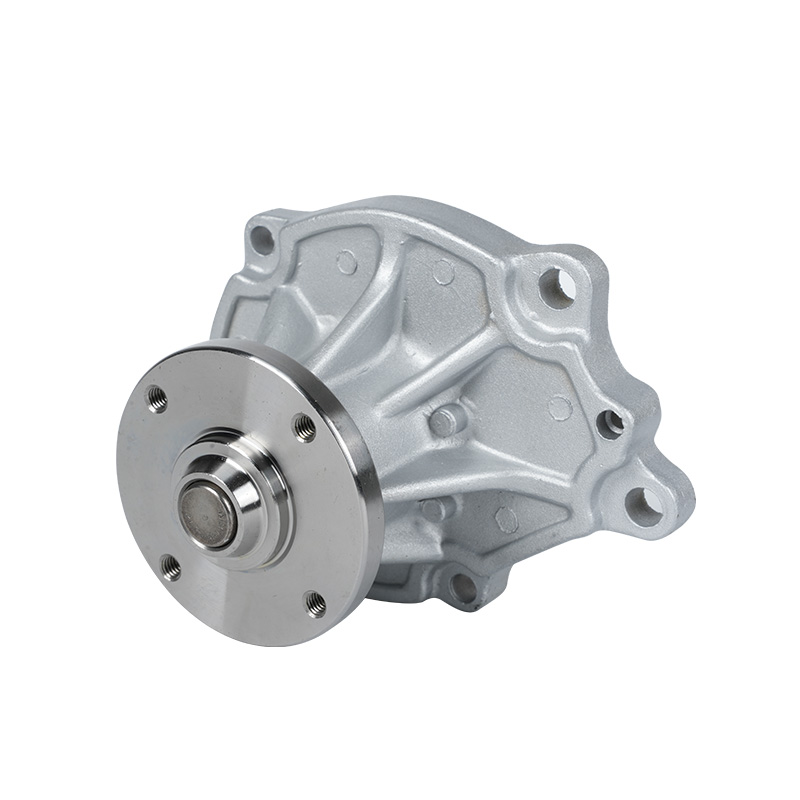
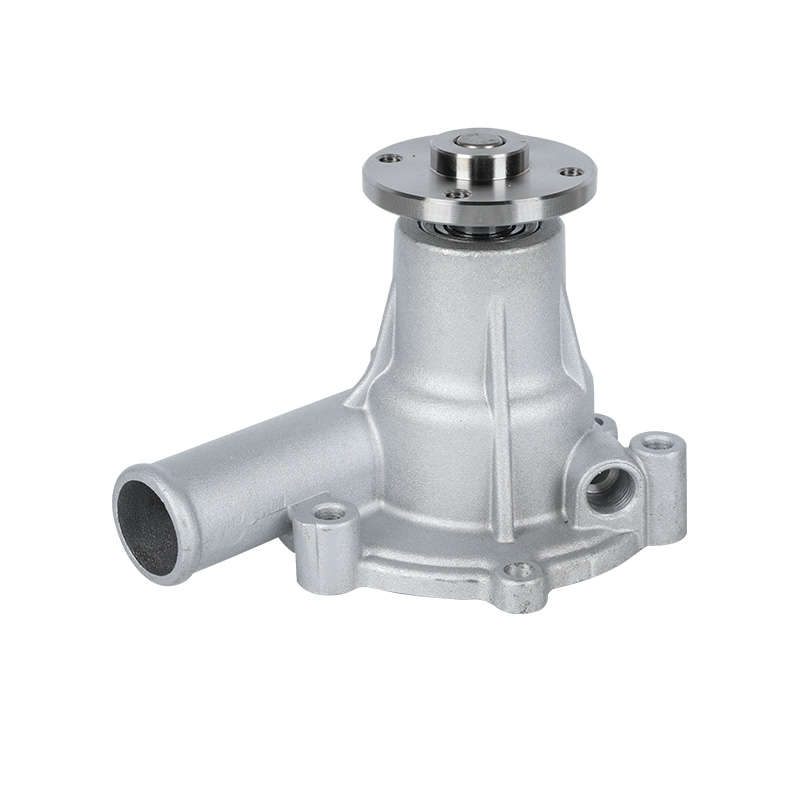
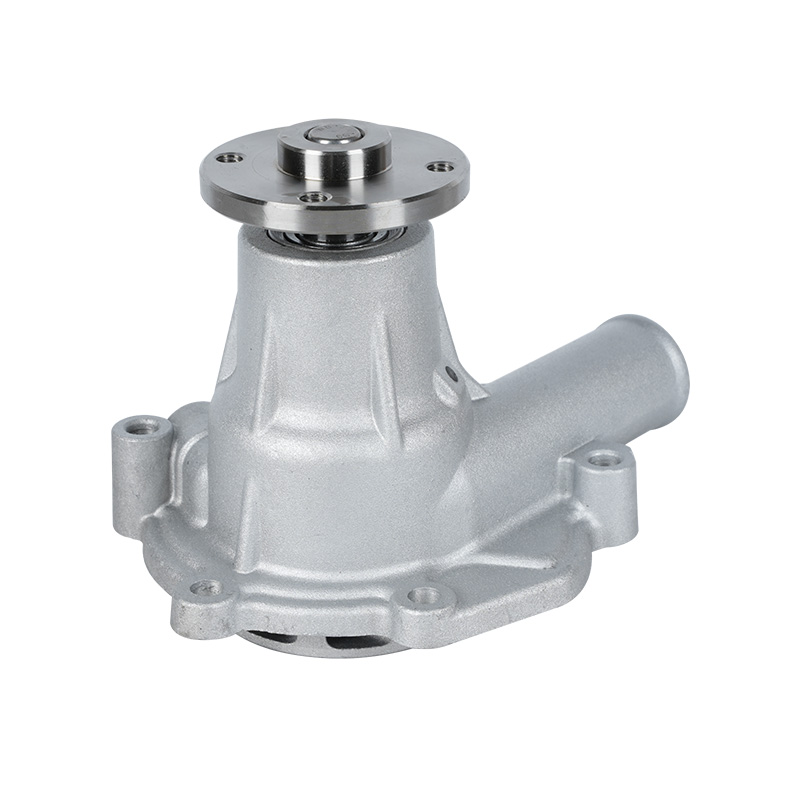
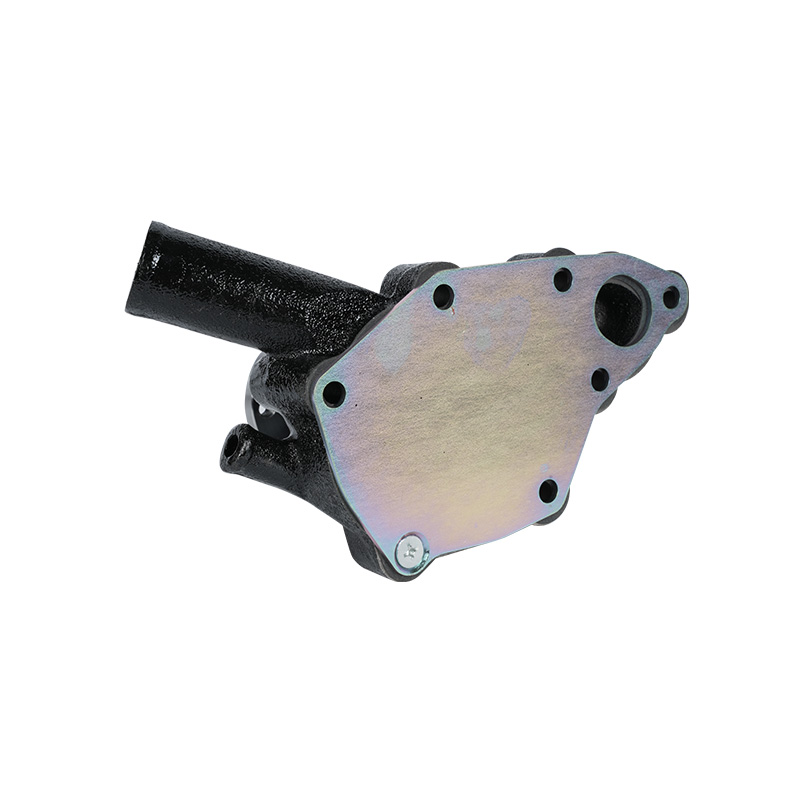
An engine running without coolant circulation heats up fast enough to warp metal within minutes. That's the entire reason an engine water pump exists — it keeps liquid moving through the block and radiator continuously, pulling heat away from combustion before temperatures climb past what the metal and seals around it can tolerate.
Coolant doesn't move on its own. Left sitting still inside an engine block, it absorbs heat in one spot and does nothing else useful. The water pump forces that liquid into constant motion, cycling it from the block through the radiator and back, spreading heat absorption across the entire cooling system rather than letting it concentrate anywhere.
Impeller Design Sets The Flow Rate
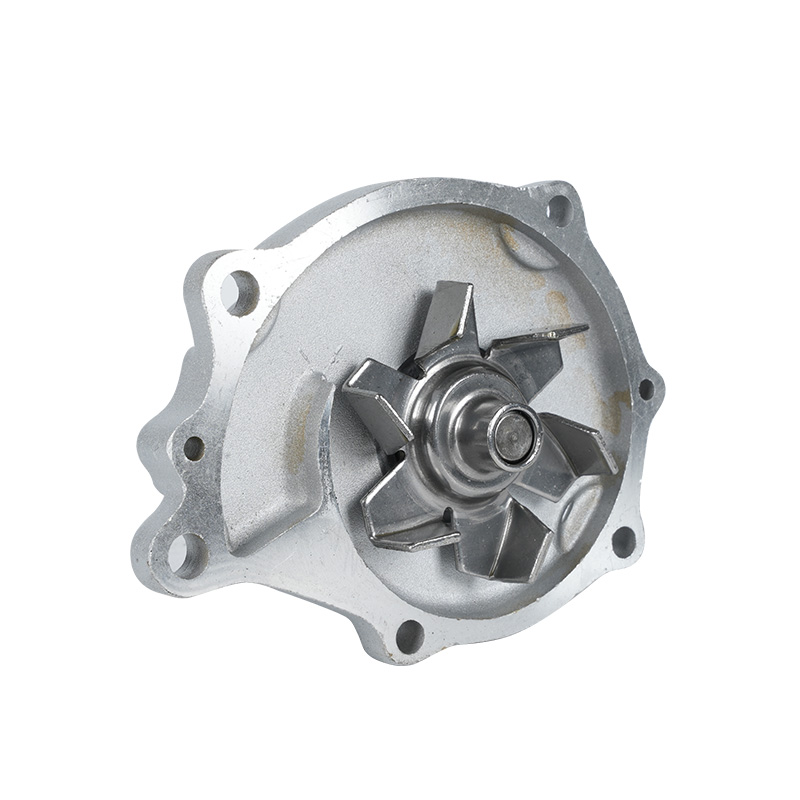
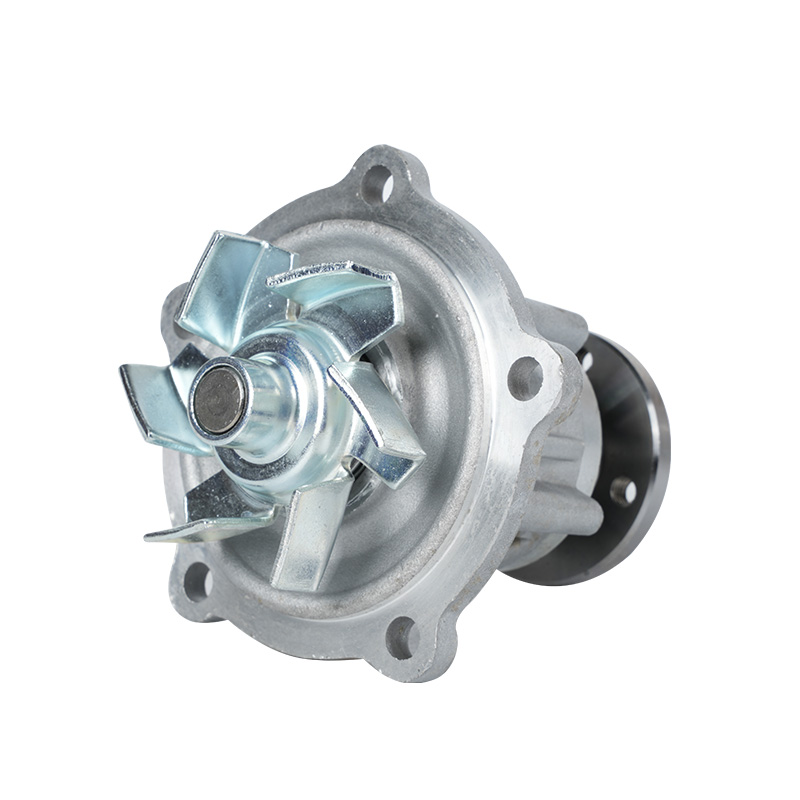
Inside the pump housing sits an impeller — a small finned wheel spinning inside the coolant chamber, pushing liquid outward through centrifugal force as it rotates. Blade count, blade curve, and impeller diameter all influence how much coolant volume the pump moves per rotation, and manufacturers tune these dimensions against a specific engine's cooling demand rather than using one generic impeller across unrelated engine families.
A mismatched flow rate causes real problems either direction. Too little flow leaves hot spots inside the block where coolant simply can't cycle fast enough. Too much flow, oddly enough, can reduce cooling effectiveness too, since coolant moving too quickly through the radiator doesn't spend enough time there to release absorbed heat into passing air.
Cast Iron, Aluminum, Or Composite Housings
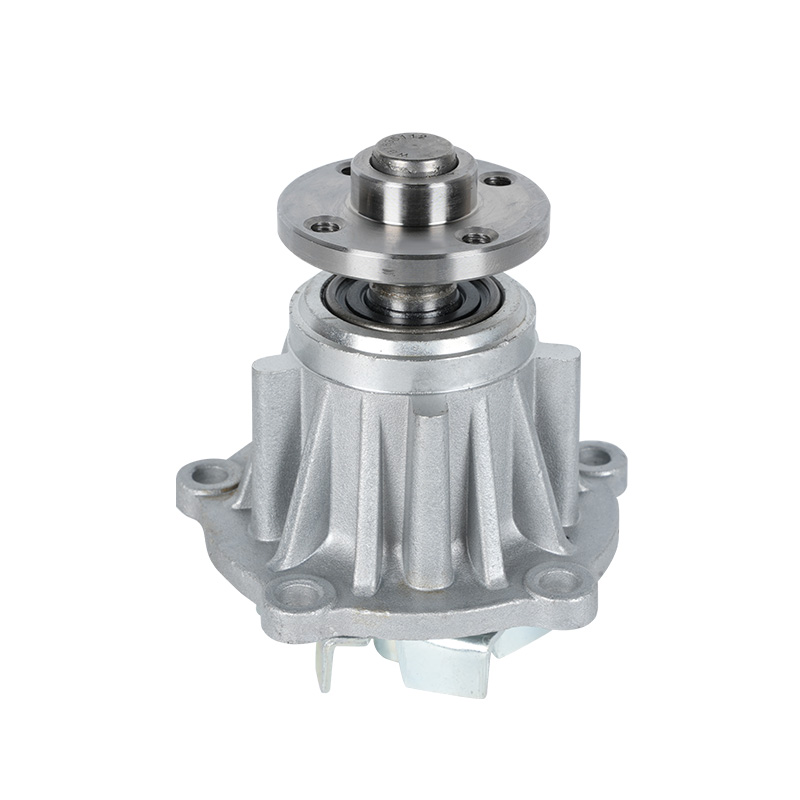
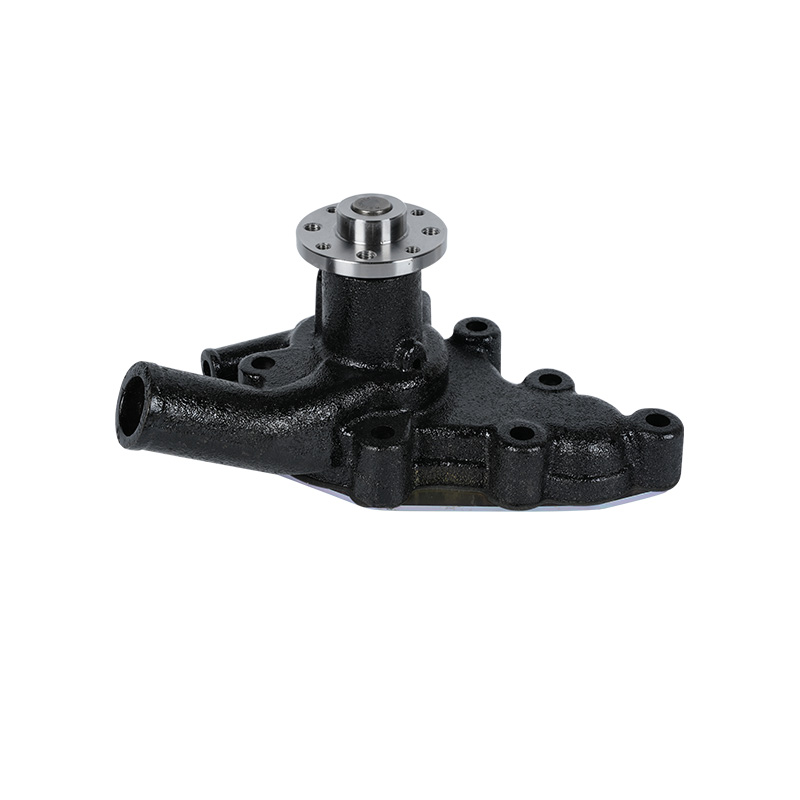
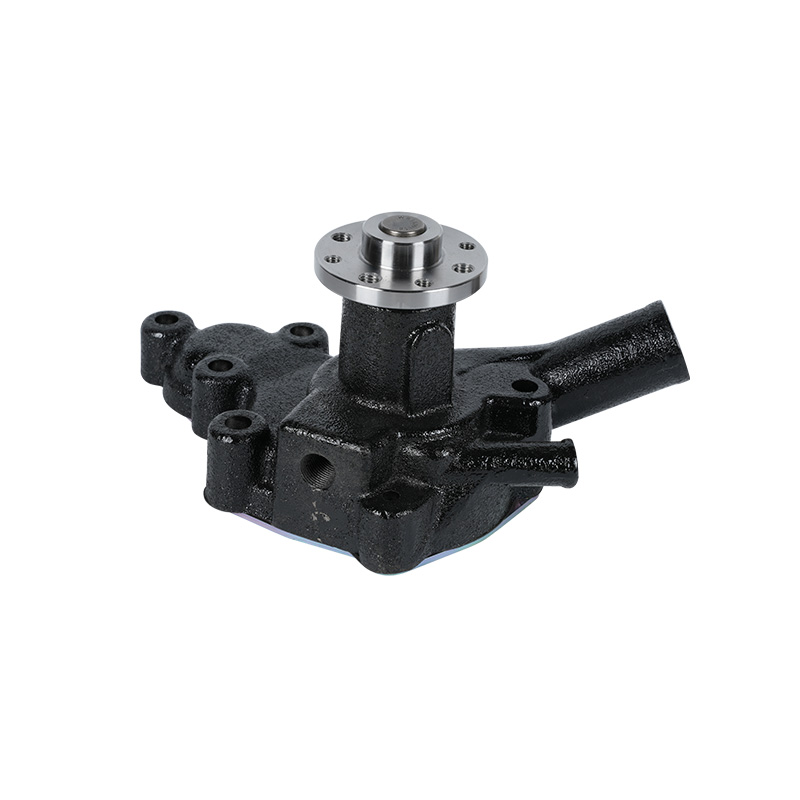
Housing material shapes both weight and heat handling. Cast iron pumps, common on older engine designs, hold up under sustained heat exposure and resist wear from abrasive coolant additives, though they add noticeable weight compared to alternatives. Aluminum housings cut weight substantially, a priority on modern engines where manufacturers chase every pound of reduction across the whole vehicle.
Composite and reinforced plastic housings have entered production more over recent years, particularly on lighter-duty passenger vehicle applications. These materials resist corrosion well and mold into complex shapes cheaply at scale, though engineers select them carefully, since plastic housings handle sustained high heat differently than metal alternatives.
Belt-Driven Versus Electric Pumps
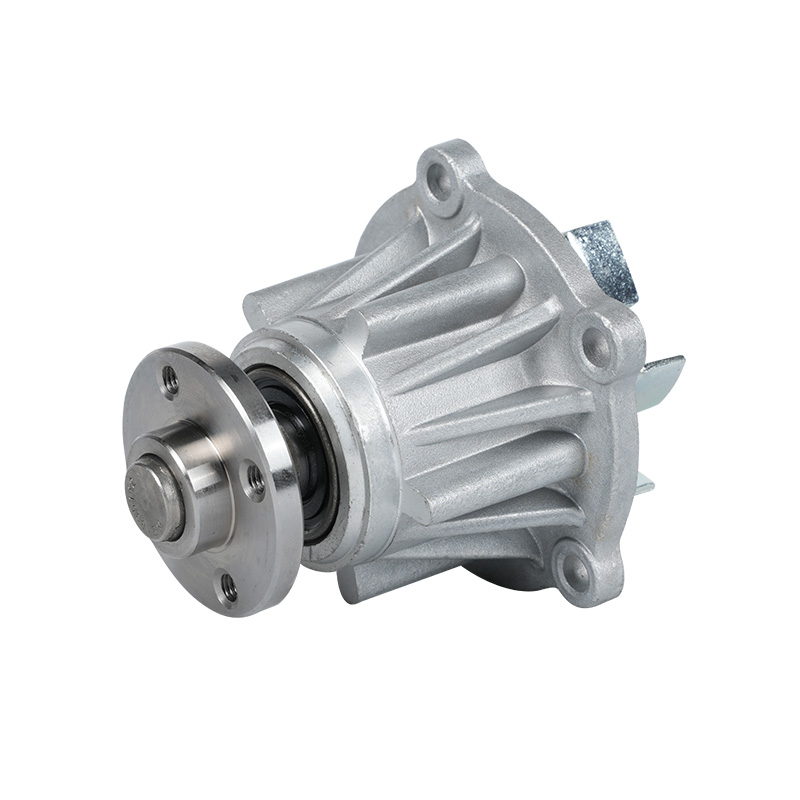
Traditional engine water pump designs run off a belt connected to the crankshaft, spinning whenever the engine runs and scaling pump speed directly to engine RPM. This mechanical simplicity keeps cost down and design straightforward, though it means coolant flow rises and falls with engine speed rather than adjusting independently to actual cooling need.
Electric water pumps break that direct link entirely. Powered by the vehicle's electrical system rather than a belt, these pumps run at whatever speed a control module determines the engine actually needs at a given moment — sometimes continuing to circulate coolant briefly after the engine shuts off, cooling residual heat that a belt-driven pump would simply stop addressing the instant the engine stopped turning.
A few distinctions show up across pump categories:
- Belt-driven pumps, tied mechanically to crankshaft rotation speed
- Electric pumps, controlled independently through the vehicle's electronics
- Auxiliary pumps, added alongside a primary pump on some hybrid or turbocharged setups needing supplemental cooling capacity
Previous Post
Agricultural Water Pump Handles Large Irrigation Loads
Next Post
What Makes a Forklift Pump Reliable

CONTACT US NOW

We sincerely welcome friends from all walks of life
to visit Zhejiang Jinrui Pump Industry Co., Ltd. to
visit, guide and business negotiations,
and jointly create a better future.
- KEEP IN TOUCH
- Phase I of Longshang Shoes Industrial Base, Tashi Street, Longquan City, Lishui City, Zhejiang, China.
- [email protected]
- +86-18957085800 / +86-15268785899
- MOBILE WEB
Copyright © 2024 Zhejiang Jinrui Pump Industry Co., Ltd. 
Electric Pump Factory
