


 English
 中文简体
中文简体What Makes a Forklift Pump Reliable
Understanding the Forklift Pump in Daily Operations
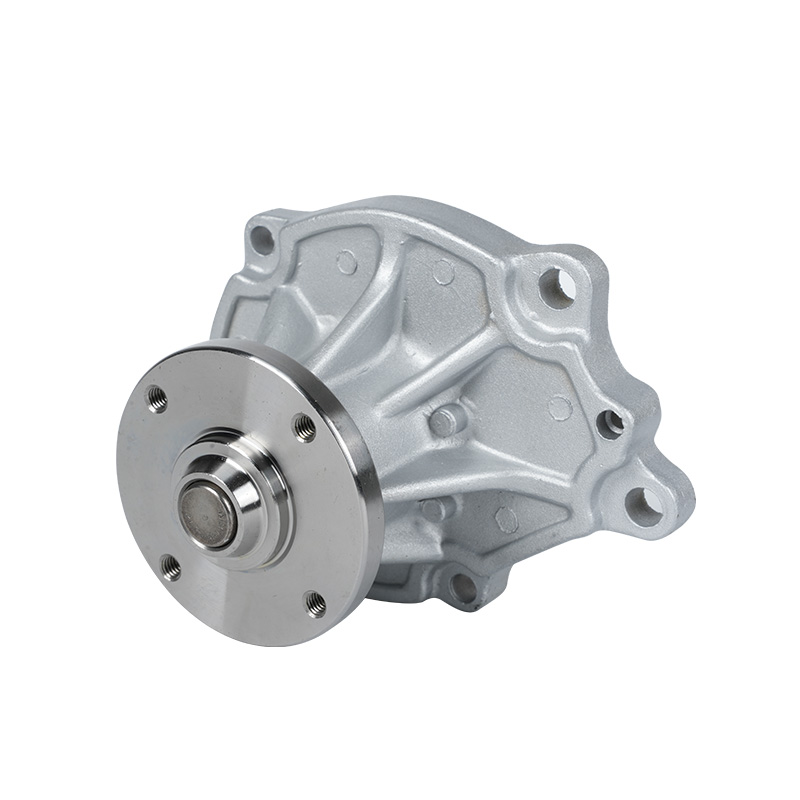
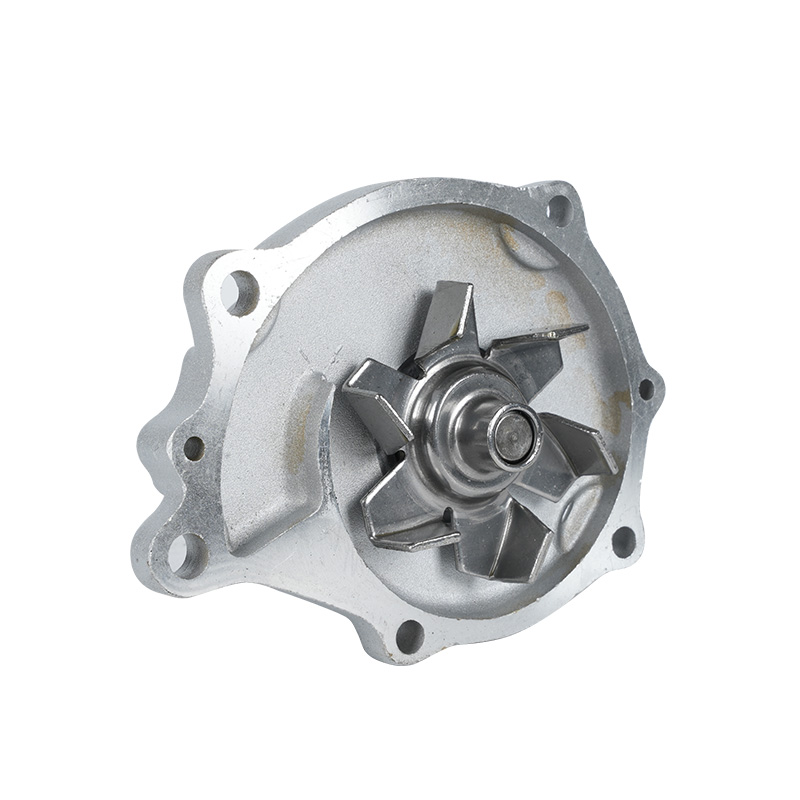
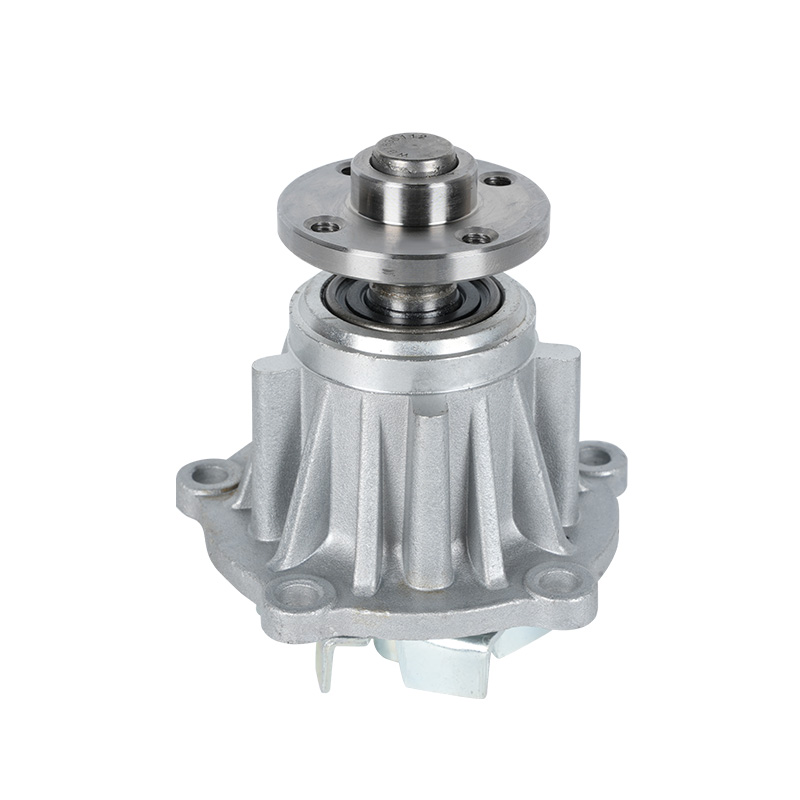
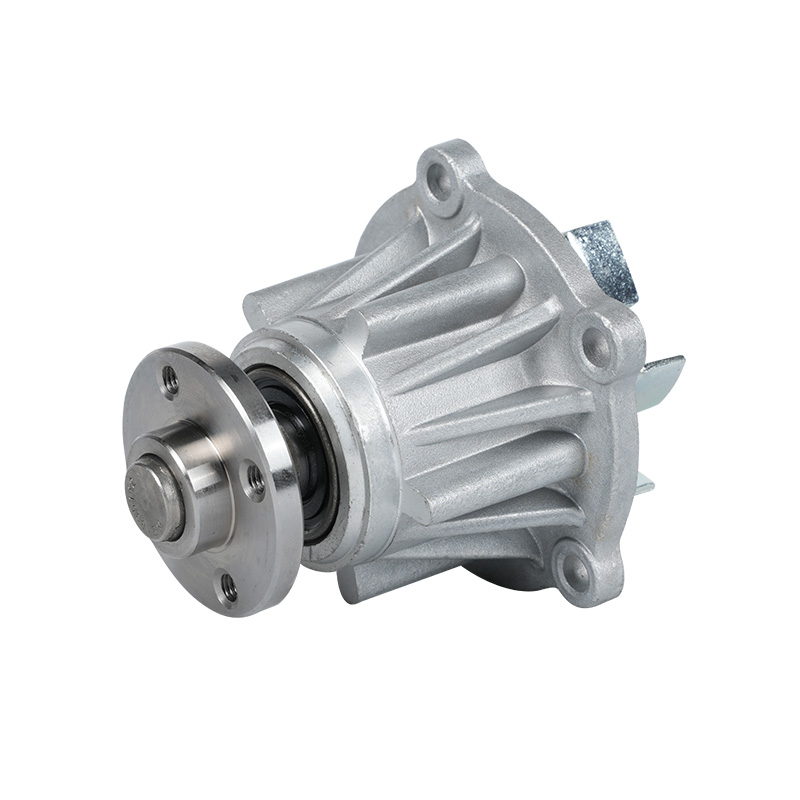
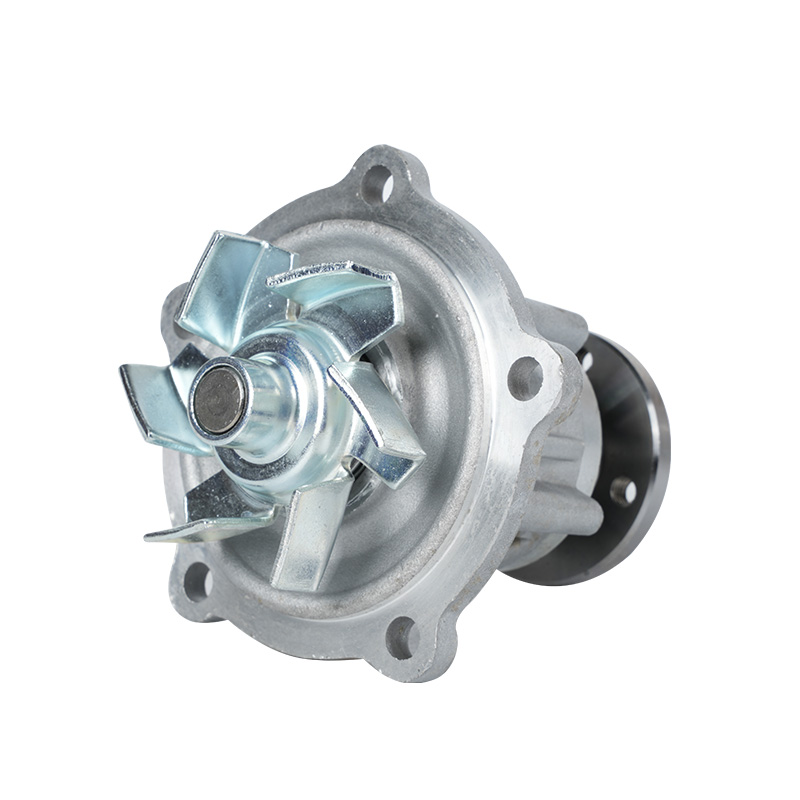
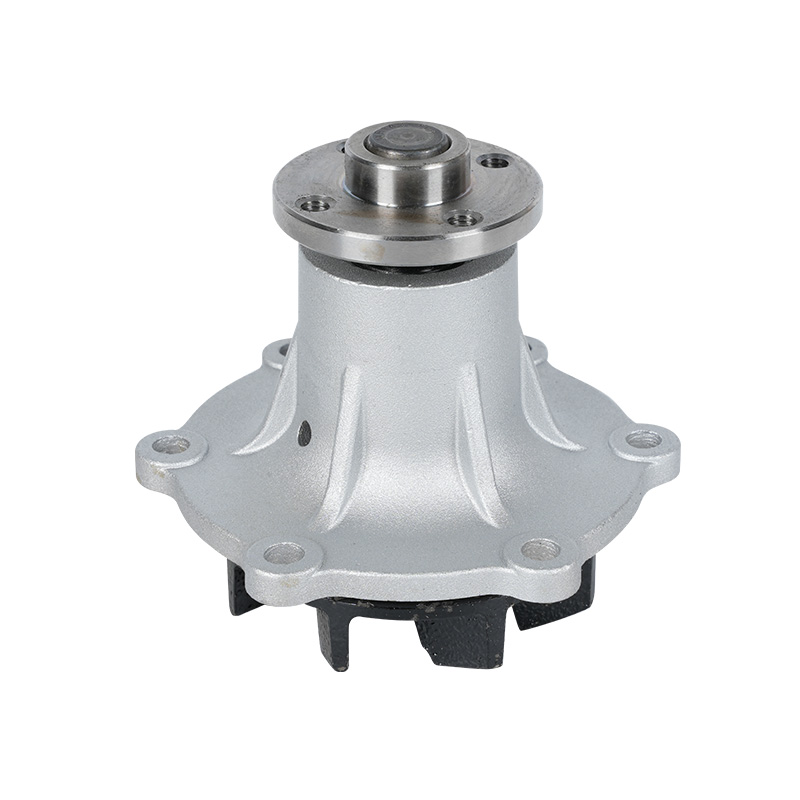
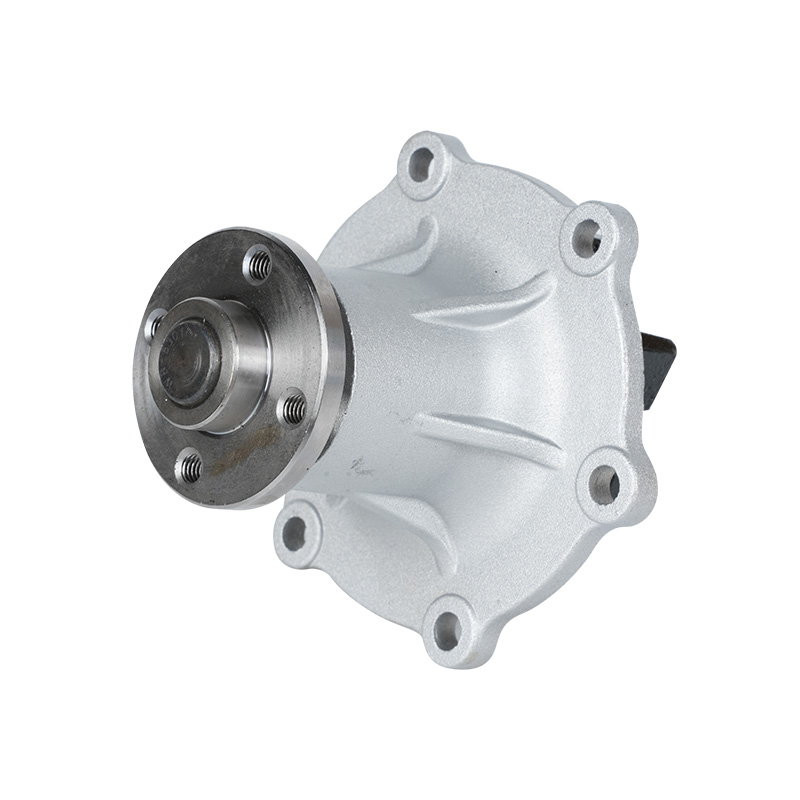
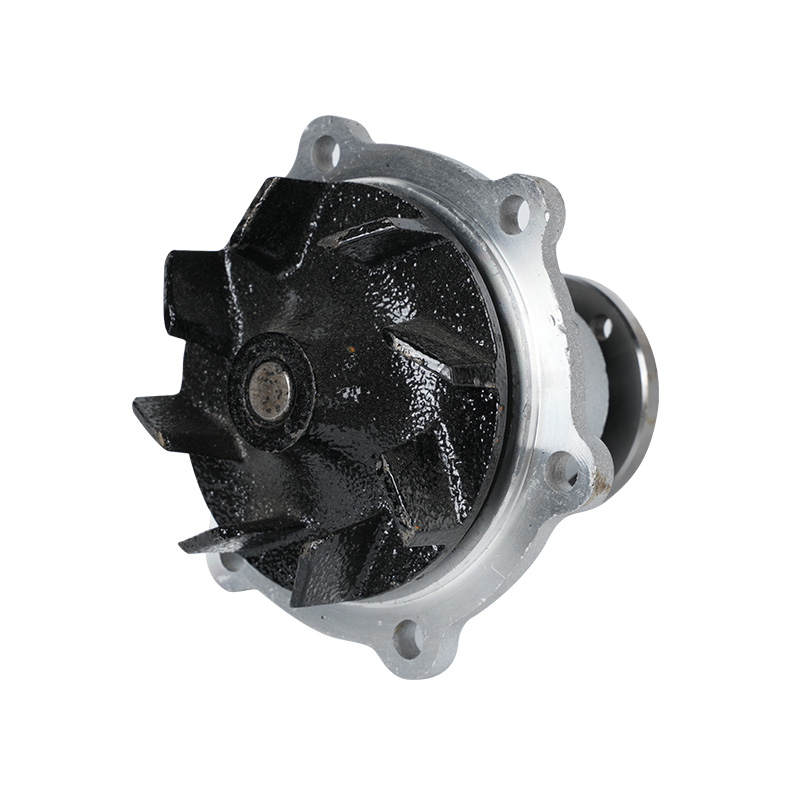
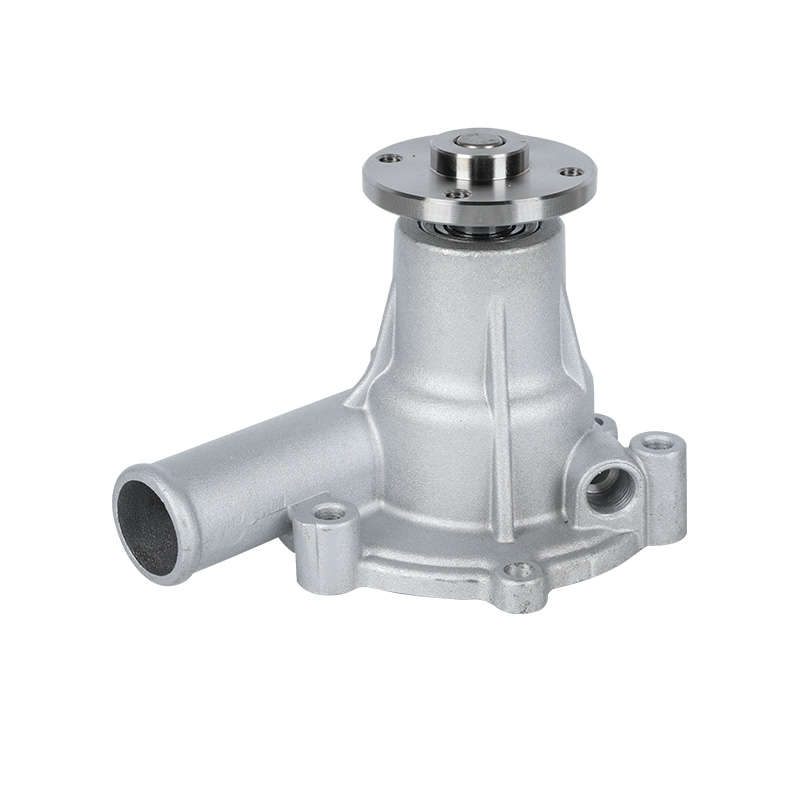
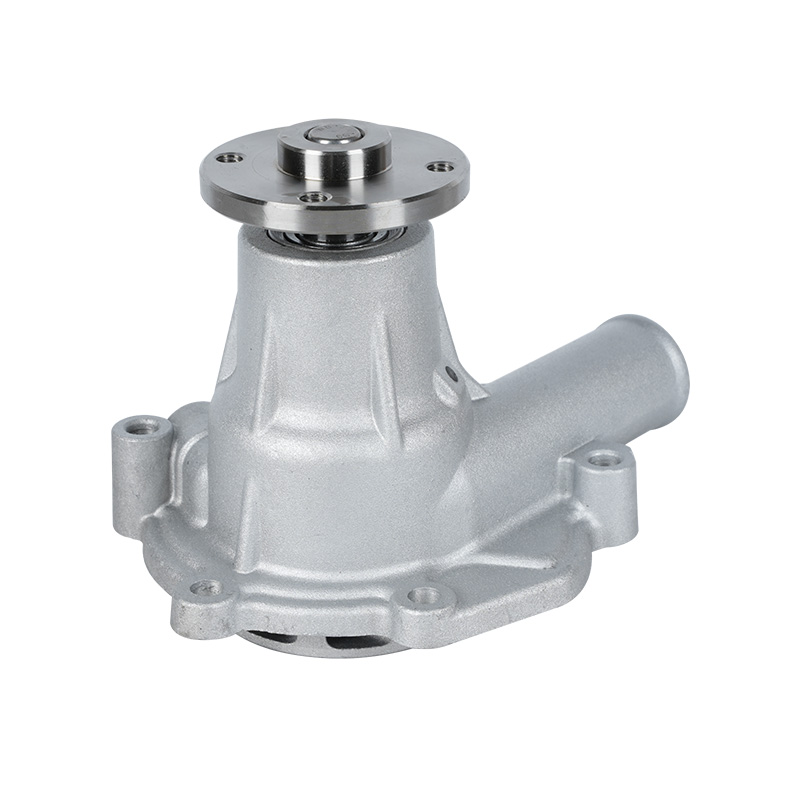
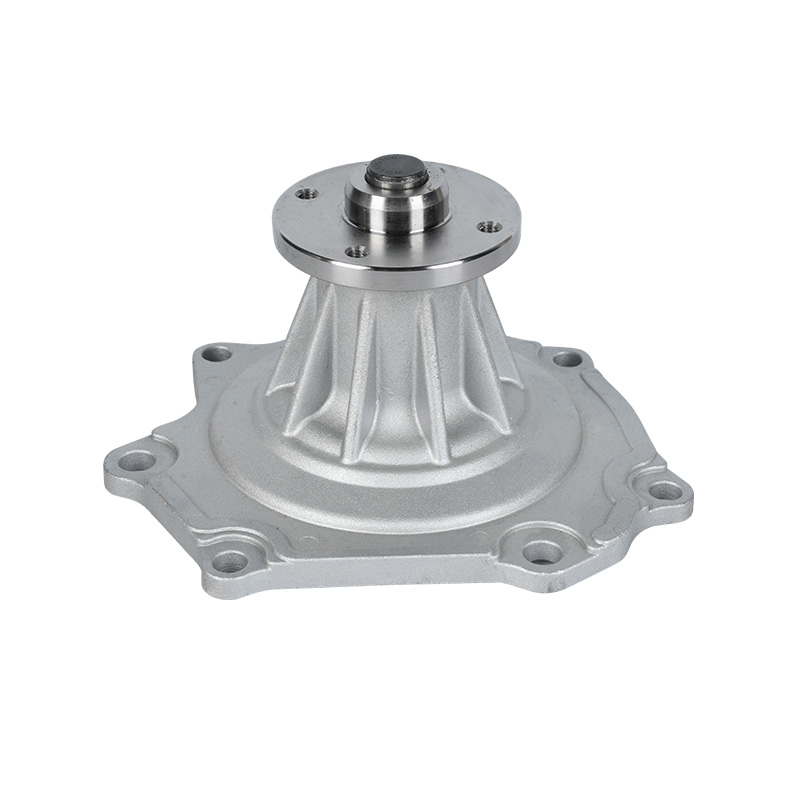
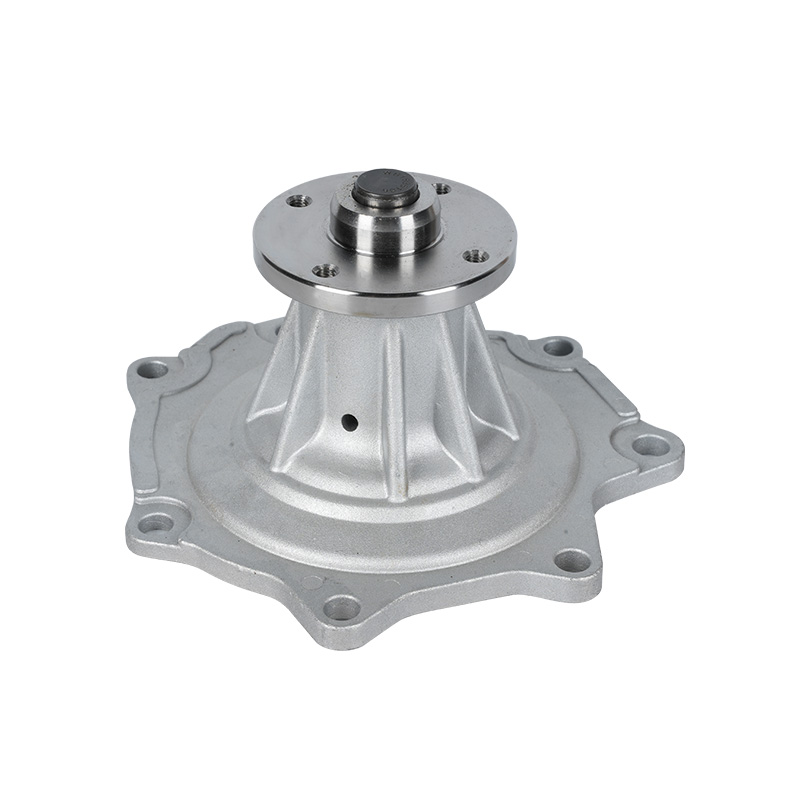
A forklift pump plays a central role in the hydraulic system that powers many material-handling machines. Workers in warehouses, distribution centers, and manufacturing plants rely on this component every day to lift, lower, and tilt loads with controlled force. The unit converts mechanical energy into hydraulic pressure, allowing the forklift to move heavy pallets smoothly and accurately.
Core Function of the Component
At its simplest, the forklift pump draws fluid from a reservoir and pushes it through hoses and valves to the cylinders. When the operator activates the controls, pressurized fluid extends or retracts the lift mast. This process happens quickly and repeatedly throughout a shift. Because the system depends on consistent pressure, the quality of the forklift pump directly affects cycle times and load stability.
Many facilities run multiple shifts, so the pump must handle continuous duty without sudden drops in performance. Operators notice the difference when the unit delivers steady flow: loads rise evenly, and the machine responds predictably to every lever movement.
Common Types Found in Equipment
Several designs appear across different forklift models. Gear pumps offer a straightforward layout and work well in lighter applications. Vane pumps provide smoother flow and quieter operation. Piston pumps handle higher pressures and are often fitted to larger capacity machines. Each style has its own flow characteristics, yet all serve the same purpose of generating hydraulic power.
Selection usually depends on the truck’s rated capacity, duty cycle, and existing hydraulic circuit. Matching the pump to the machine’s original specifications helps maintain balanced performance across the entire system.
Practical Benefits on the Floor
- Steady lifting speed even under varying loads
- Smooth tilting action that keeps stacks stable
- Reduced operator effort during repetitive tasks
- Consistent response that supports accurate placement of goods
These advantages show up clearly during busy periods when dozens of pallets move every hour. A well-matched forklift pump keeps the hydraulic circuit responsive, which in turn supports overall warehouse throughput.
Key Design Elements Worth Noting
Modern units often feature compact housings that fit into tight engine compartments. Seals and bearings are chosen for durability under heat and vibration. Ports are positioned for straightforward hose routing, reducing the chance of kinks or leaks. Some designs include integrated relief valves that protect the system from pressure spikes.
Engineers also pay attention to noise levels. A quieter forklift pump contributes to a more comfortable cabin environment, especially during long shifts. Flow rates are calibrated so the cylinders reach full extension in a practical time window without excessive energy use.
Factors That Influence Performance
Fluid cleanliness ranks high among variables that affect longevity. Contaminants accelerate wear on internal surfaces, so regular filtration helps. Operating temperature also matters; excessive heat thins the oil and can reduce volumetric efficiency. Matching the forklift pump’s displacement to the engine’s power curve further improves the overall match between power source and hydraulic demand.
Installation alignment is another practical point. Correct shaft coupling and secure mounting reduce vibration that could otherwise shorten bearing life. Once installed, the unit settles into a predictable rhythm that operators come to trust.
Previous Post
Engine Water Pump Impellers Push Coolant Continuously
Next Post
Excavator Pump Options Span Piston and Gear Designs

CONTACT US NOW

We sincerely welcome friends from all walks of life
to visit Zhejiang Jinrui Pump Industry Co., Ltd. to
visit, guide and business negotiations,
and jointly create a better future.
- KEEP IN TOUCH
- Phase I of Longshang Shoes Industrial Base, Tashi Street, Longquan City, Lishui City, Zhejiang, China.
- [email protected]
- +86-18957085800 / +86-15268785899
- MOBILE WEB
Copyright © 2024 Zhejiang Jinrui Pump Industry Co., Ltd. 
Electric Pump Factory
