


 English
 中文简体
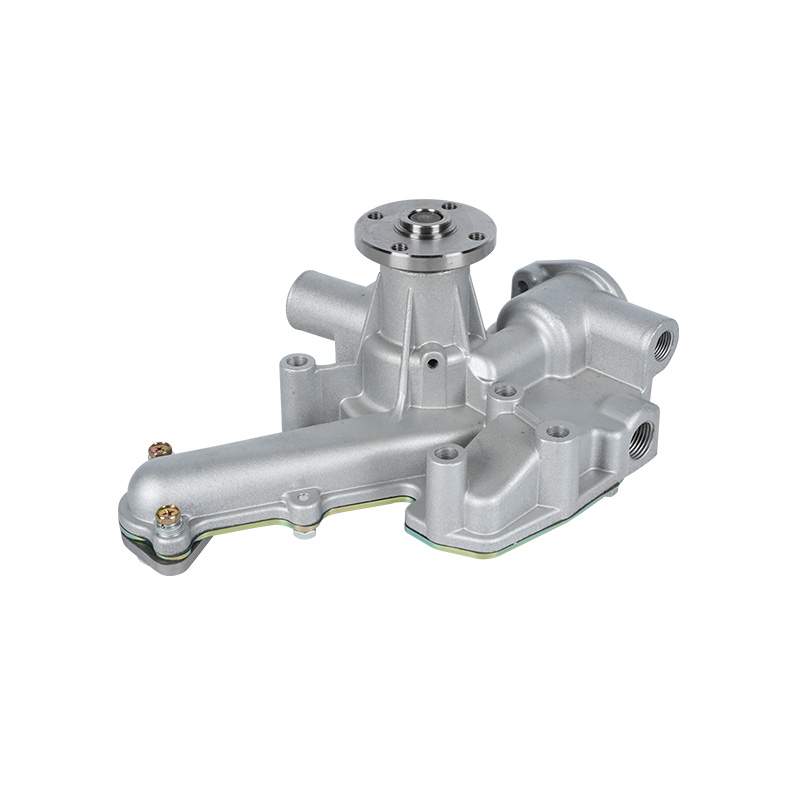
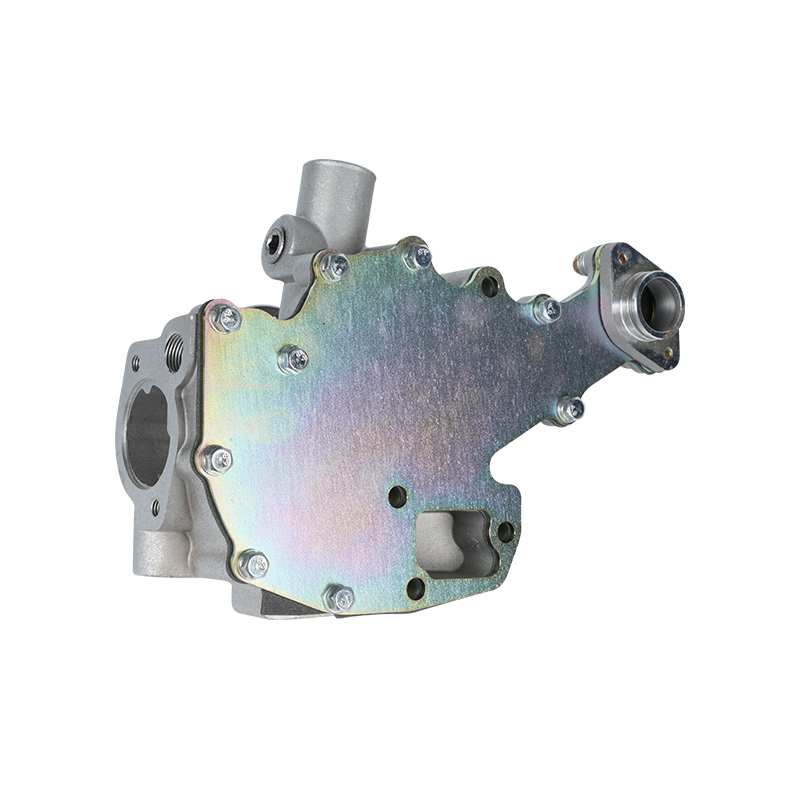
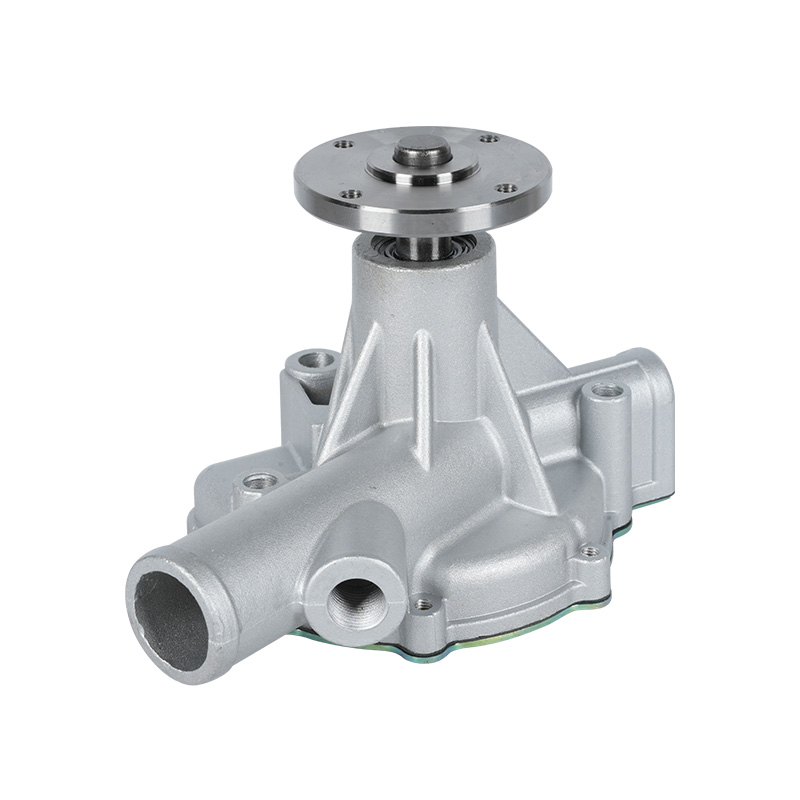
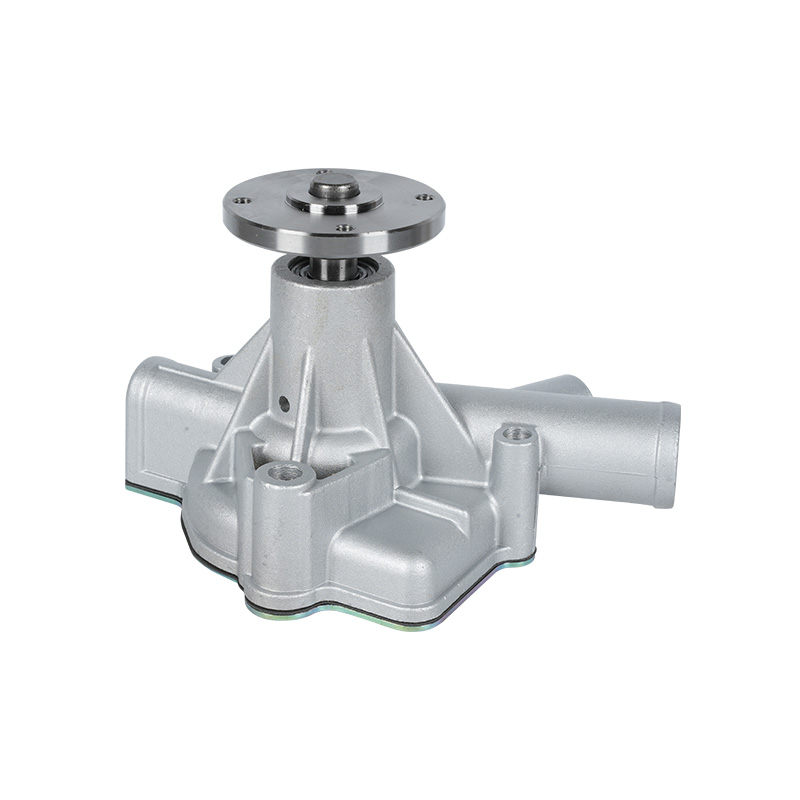
中文简体Agricultural Water Pump Handles Large Irrigation Loads
Moving Water Where Crops Need It
Farming depends on getting water from one place to another, often across distances that gravity alone can't handle. Wells, ponds, and irrigation canals rarely sit exactly where a field needs them, which is where an agricultural water pump comes into the picture. Its job is simple to describe but demanding in practice: pull water from a source and push it across fields, sometimes uphill, sometimes over long stretches of pipe or channel.
Unlike a household pump built for short bursts of use, an agricultural water pump is expected to run for extended stretches during planting and growing seasons. That difference in workload shapes almost everything about how these pumps are built, from motor sizing to intake design, since a pump that only handles occasional light use won't hold up under the demands of a working farm.
Matching Pump Type to Farm Conditions
Not all agricultural water pump models are built the same way, and the differences usually come down to the water source and how far it needs to travel. Surface pumps draw from ponds, rivers, or irrigation canals and tend to suit situations where the water source sits close to ground level. Submersible pumps, by contrast, work from within a well, pushing water upward through a pipe rather than pulling it from above.
Centrifugal designs are common for high-volume, lower-pressure jobs like flooding a field section, while positive displacement types handle situations that call for steady pressure regardless of flow rate changes. Choosing the wrong category for a given setup can mean a pump that technically runs but never quite keeps pace with what a field actually needs during peak watering periods.
Where These Pumps Show Up on a Working Farm
Row crop irrigation is an obvious use case, but an agricultural water pump shows up in plenty of other farm tasks as well. Livestock operations use them to move water to trough systems spread across grazing land. Greenhouse operations rely on smaller units for consistent, lower-volume delivery to controlled growing environments.
A few scenarios tend to come up often when farmers describe why pump selection matters so much:
- Flood irrigation across large open fields requires higher flow rates than drip systems
- Hilly or uneven terrain demands enough pressure to push water uphill without losing volume
- Multiple field sections running at once put sustained demand on a single pump source
Orchards and vineyards add another layer, since irrigation lines often run long distances between rows, and an agricultural water pump has to maintain steady pressure across that entire stretch rather than losing force toward the far end of the line.
Power Source and Setup Considerations
Agricultural water pump options generally run on diesel, electric, or gas power, and the right choice often comes down to what's already available on site. Remote fields without reliable electrical access frequently rely on diesel-powered units, since they don't depend on a fixed power line running out to the pump location. Fields closer to farm infrastructure, on the other hand, often use electric pumps for quieter, more consistent operation.
Flow rate and pressure requirements also shift depending on pipe length, elevation change, and how many outlets the system feeds at once. A pump sized correctly for a small vegetable plot won't necessarily scale up to cover several acres of row crops, which is part of why farmers often size an agricultural water pump around their largest expected irrigation run rather than an average one.
Previous Post
No previous article
Next Post
Engine Water Pump Impellers Push Coolant Continuously
CONTACT US NOW

We sincerely welcome friends from all walks of life
to visit Zhejiang Jinrui Pump Industry Co., Ltd. to
visit, guide and business negotiations,
and jointly create a better future.
- KEEP IN TOUCH
- Phase I of Longshang Shoes Industrial Base, Tashi Street, Longquan City, Lishui City, Zhejiang, China.
- [email protected]
- +86-18957085800 / +86-15268785899
- MOBILE WEB
Copyright © 2024 Zhejiang Jinrui Pump Industry Co., Ltd. 
Electric Pump Factory
