


 English
 中文简体
中文简体Agricultural Water Pump Market Grows Steadily
The global agricultural water pump industry continues growing as farmers increasingly rely on mechanized irrigation to maintain crop production amid changing rainfall patterns. Market analysis indicates the agricultural water pump sector is projected to reach approximately $11.32 billion by 2032, growing at a compound annual rate of around 9 percent, with over 52 percent of global agricultural land depending on pumped irrigation systems.
What Types and Technical Characteristics Define Agricultural Water Pump Selection?
Agricultural water pumps are manufactured in several configurations optimized for different water sources and application requirements. Vertical turbine pumps serve high-flow agricultural water pump applications with capacities reaching 42,000 gallons per minute while allowing maintenance flexibility, as pump bowls and impeller assemblies can be replaced without removing column pipes and shafts. Centrifugal pumps dominate surface water applications, handling water from streams, rivers, reservoirs, and canals while offering simple maintenance and the ability to process suspended abrasives common in agricultural water sources.
What Market Trends and Drivers Shape Agricultural Water Pump Adoption?
Several factors are accelerating agricultural water pump deployment across global farming regions. Energy transition trends have shifted farmer preferences, with approximately 28 percent of agricultural operations moving from diesel-powered to electric and solar-driven agricultural water pump systems to reduce operating costs. Smart pump controller adoption has expanded significantly, with variable frequency drive technology enabling programmable low-water settings, constant pressure delivery, and remote telemetry monitoring that reduces energy consumption and mechanical wear. Efficiency upgrade programs have gained momentum, with over 48 percent of farms in mature markets investing in high-efficiency agricultural water pump systems to lower irrigation energy costs, which typically account for 40 percent of total irrigation expenditures. The Asia-Pacific region leads global agricultural water pump consumption, accounting for approximately 33 percent of market share, where over 55 percent of agricultural land depends on pumped irrigation for crop production.
What Technological Innovations Are Advancing Agricultural Water Pump Development?
Ongoing innovation continues expanding agricultural water pump capabilities through multiple technology pathways. Permanent magnet motor technology has advanced significantly, delivering efficiency ratings of 94 percent while reducing operating costs compared to conventional motor designs, with documented payback periods under two years in continuous irrigation applications. Variable frequency drive integration has transformed agricultural water pump control, incorporating programmable protection settings, constant pressure delivery, and remote configuration capabilities accessible through mobile applications. Abrasion-resistant materials including stainless steel precision-cast impellers and silicon carbide mechanical seals enable agricultural water pump operation in challenging water quality conditions without rapid efficiency degradation.
Agricultural water pump technology will continue advancing toward greater efficiency, renewable energy integration, and smart control capabilities. These essential machines will maintain their critical role in global food production, enabling farmers to deliver water precisely when and where crops need it while managing energy costs and environmental impacts.
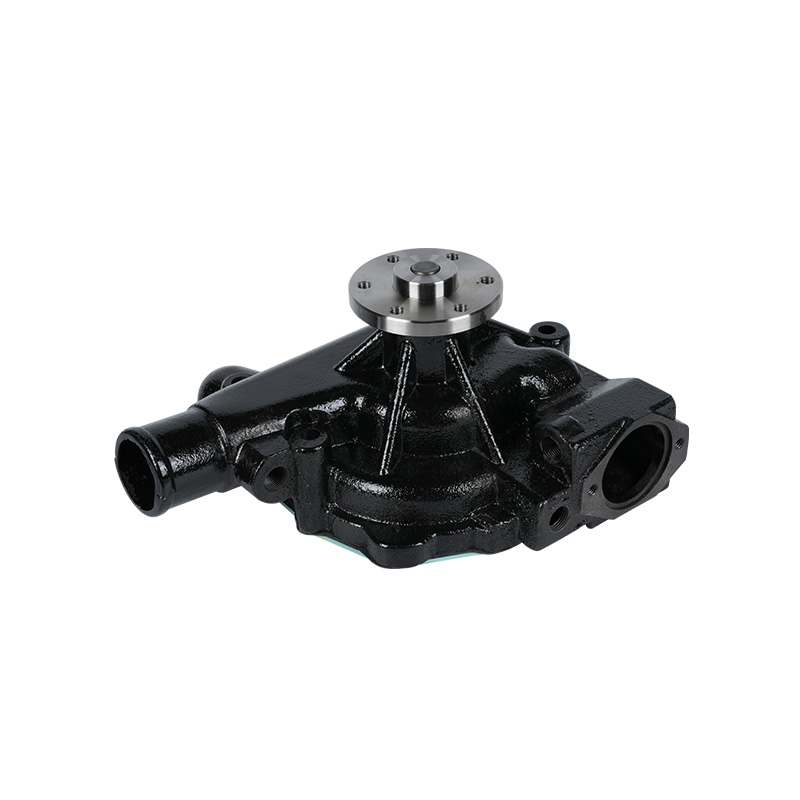
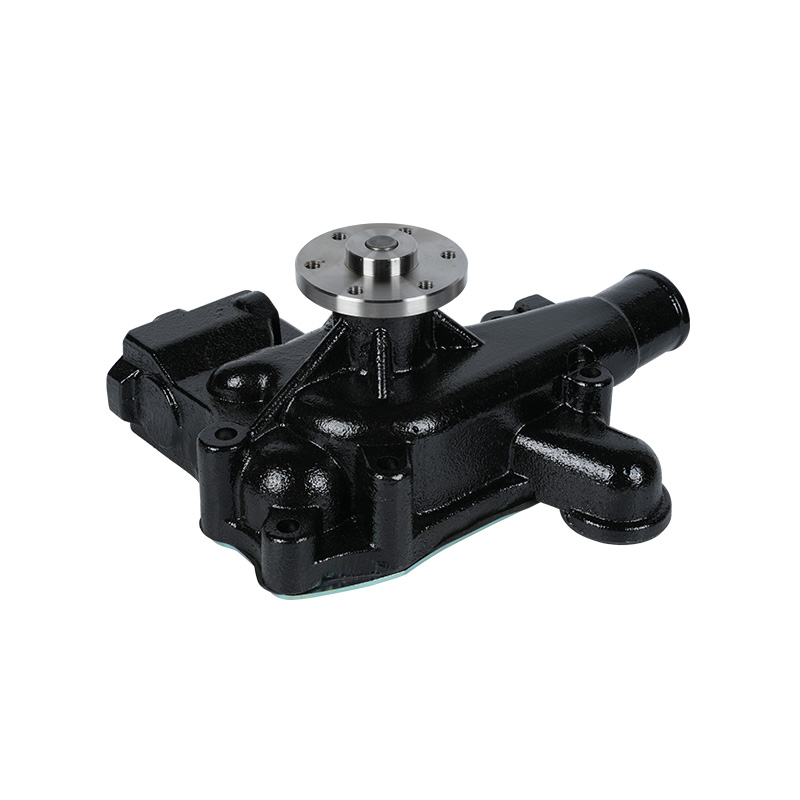
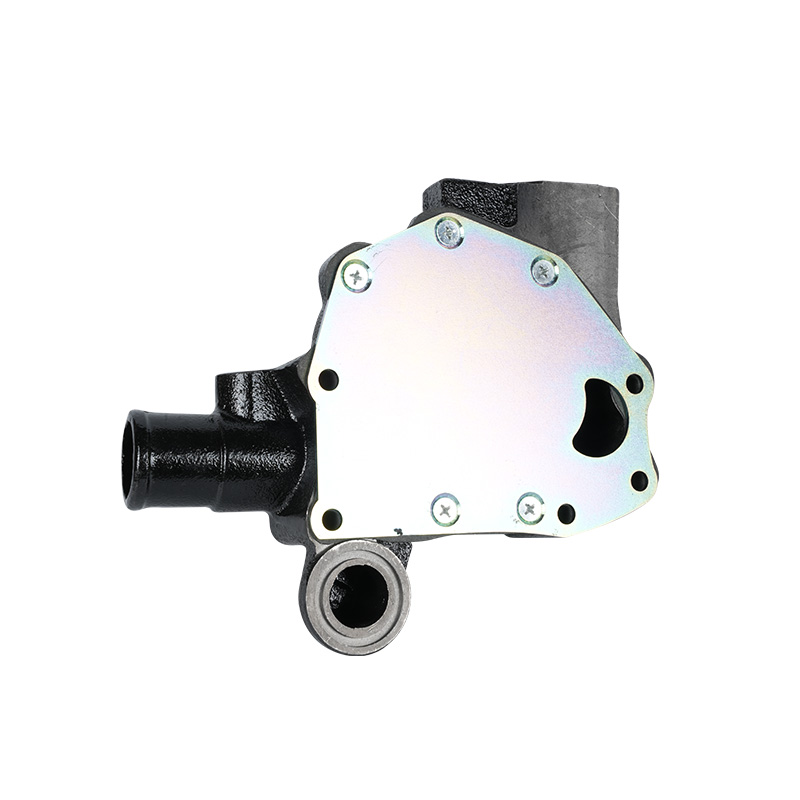
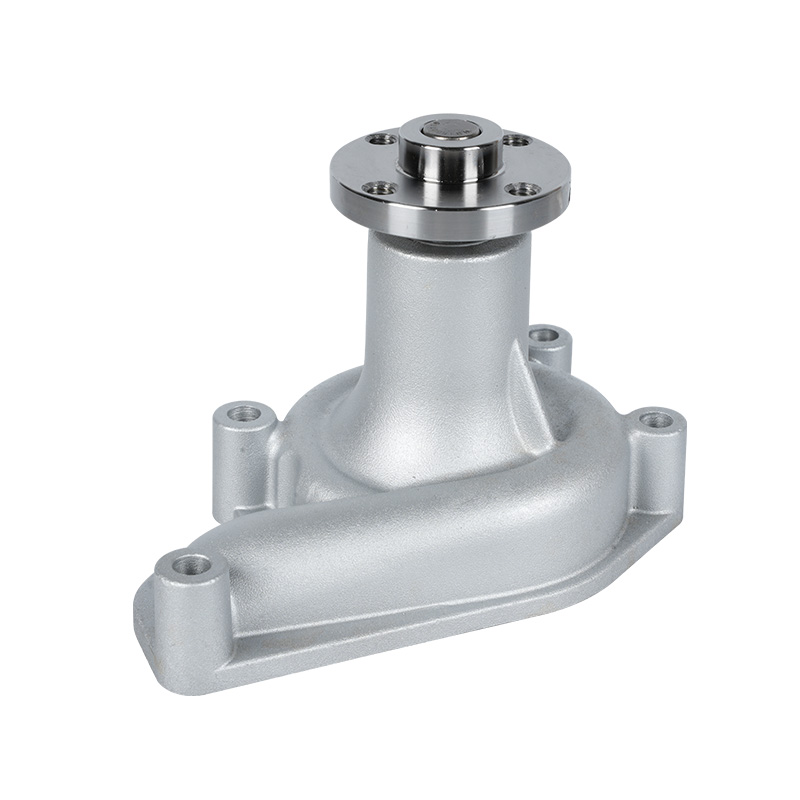
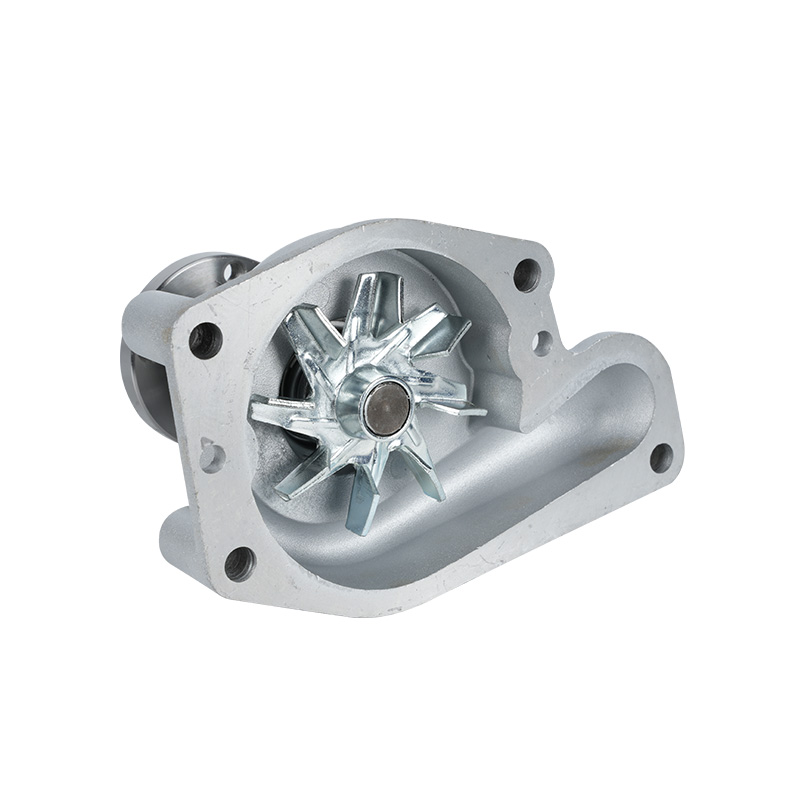
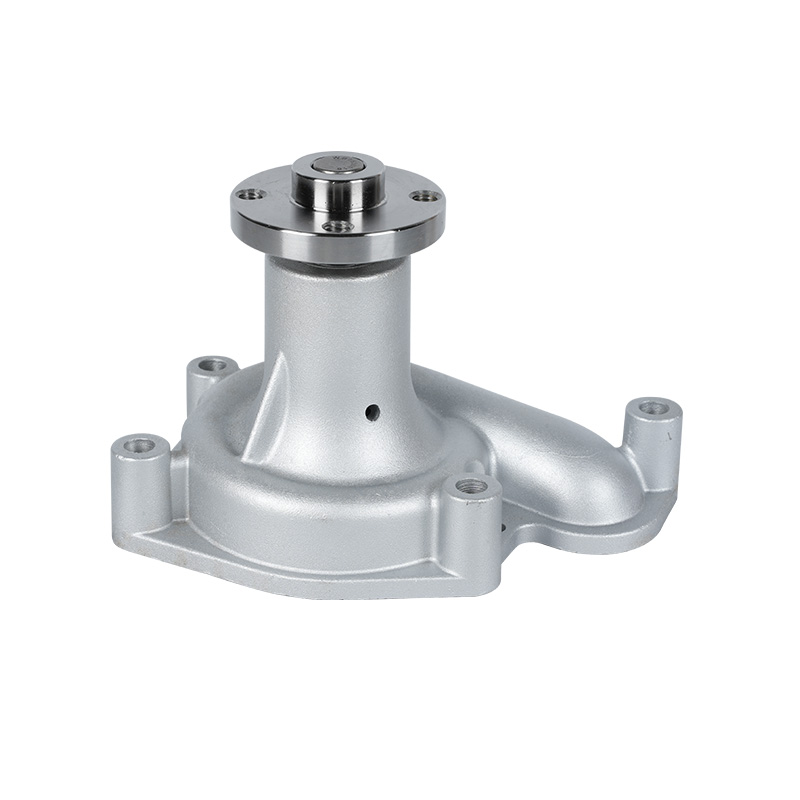
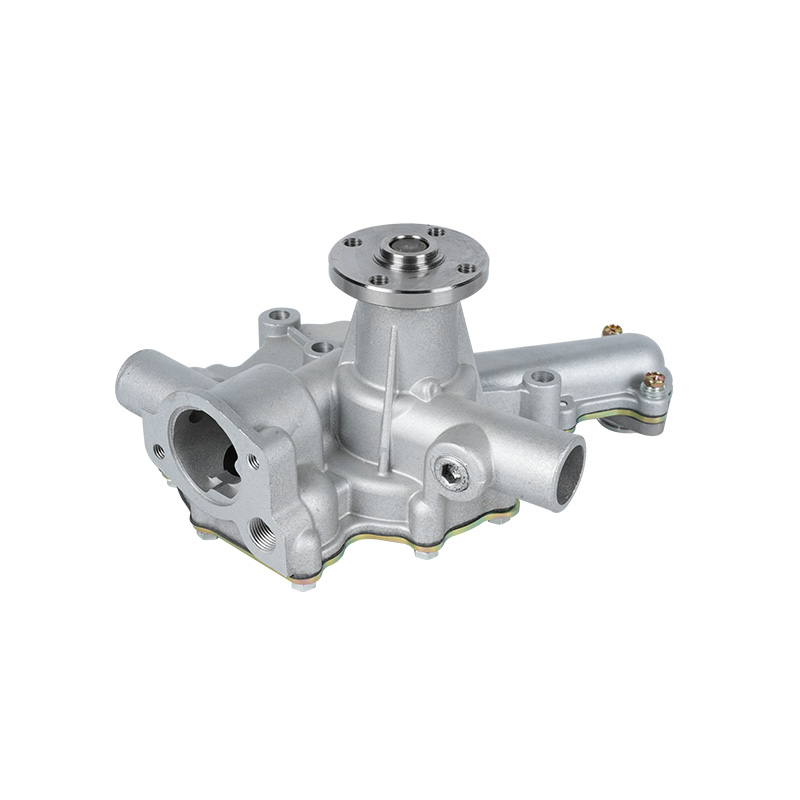
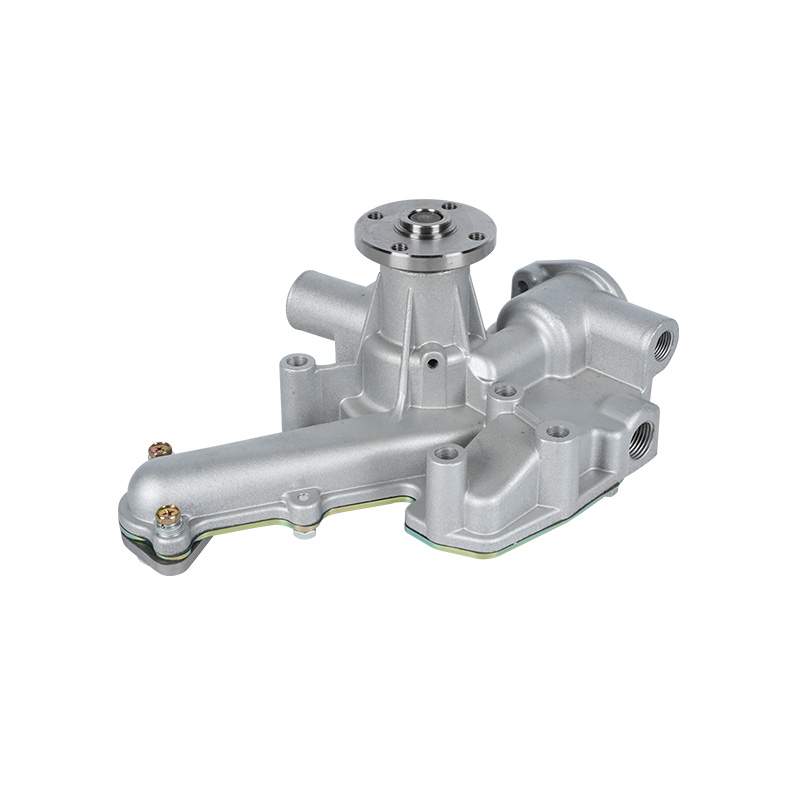
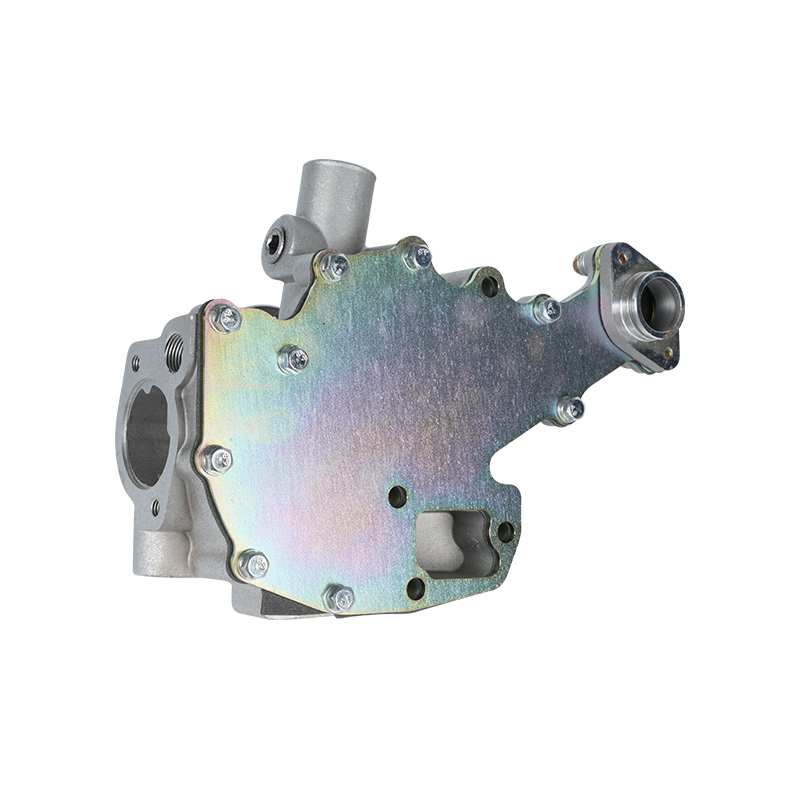
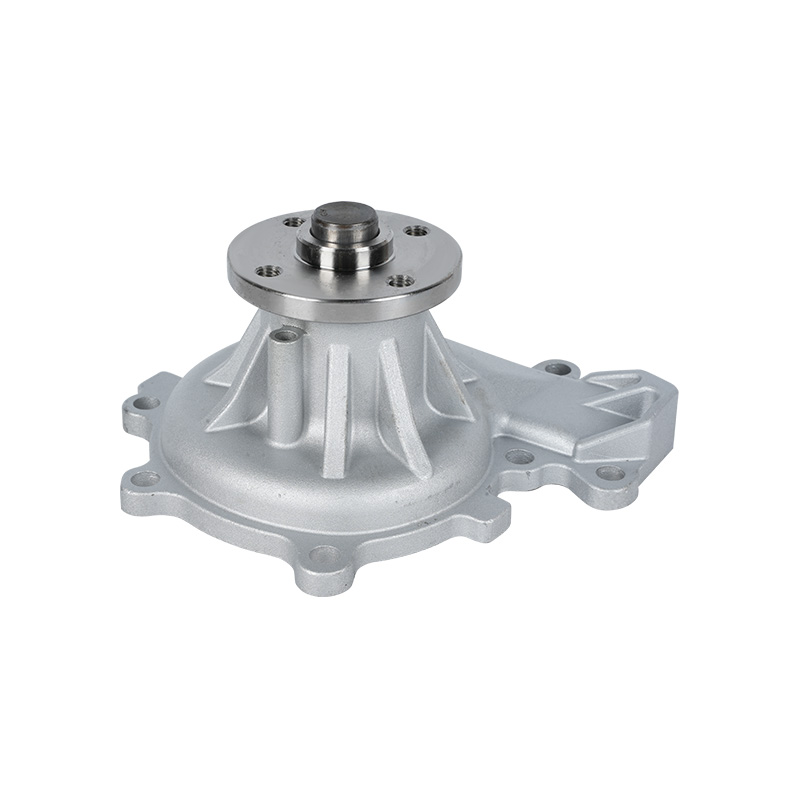
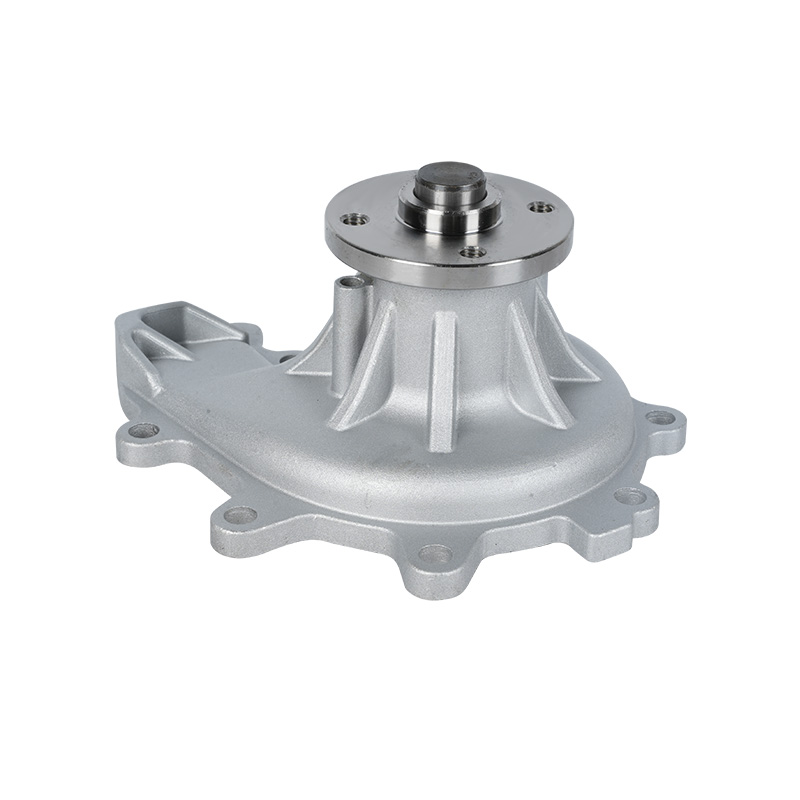
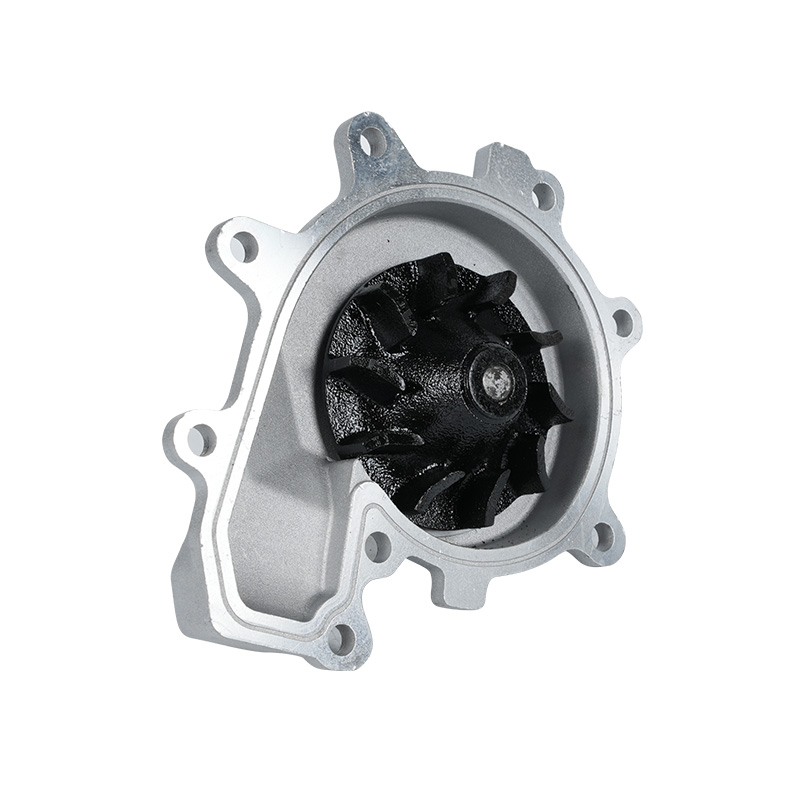
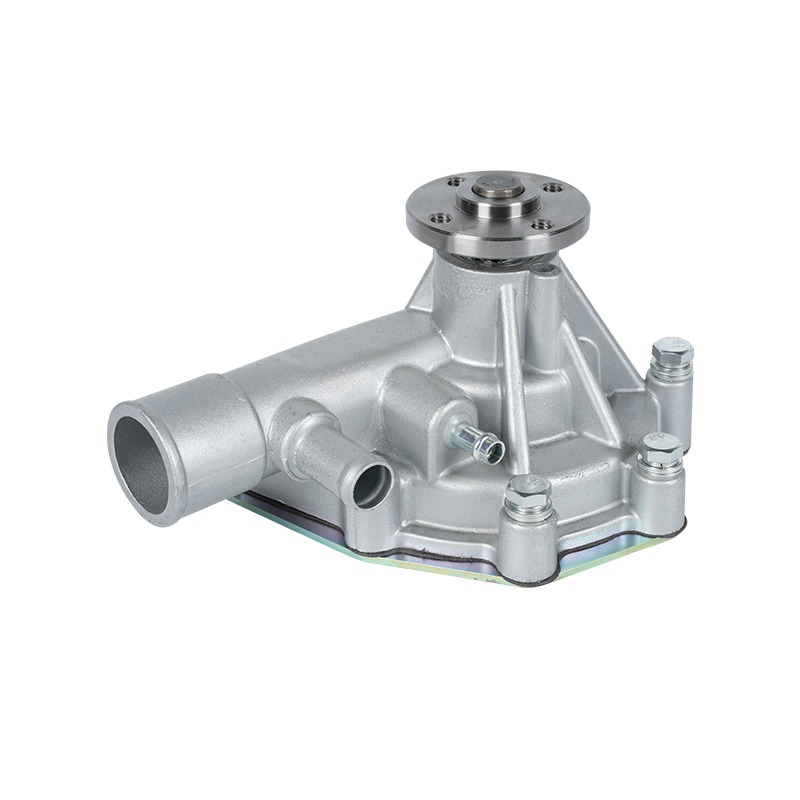
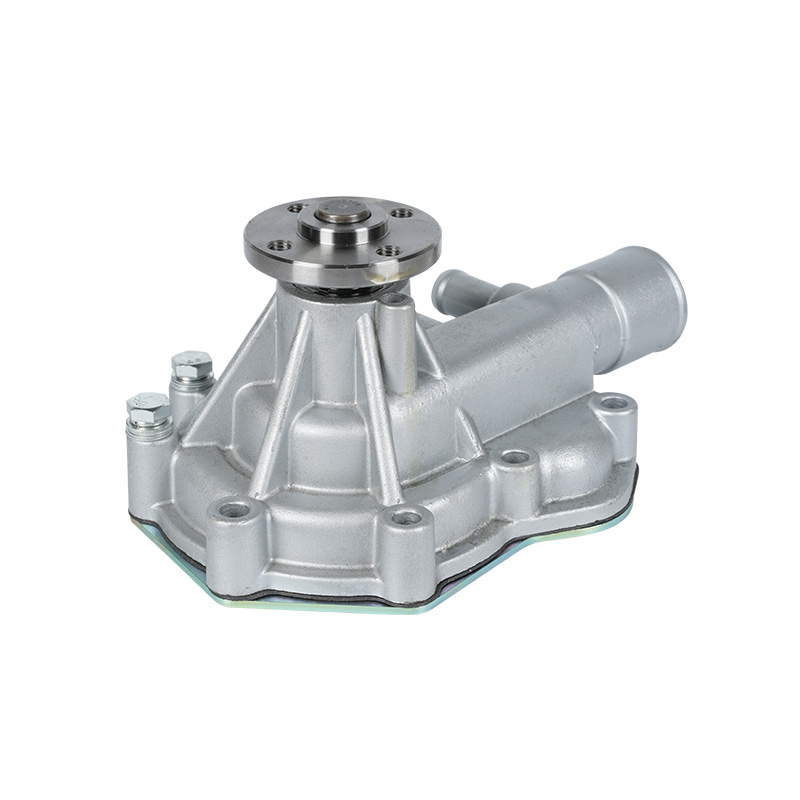
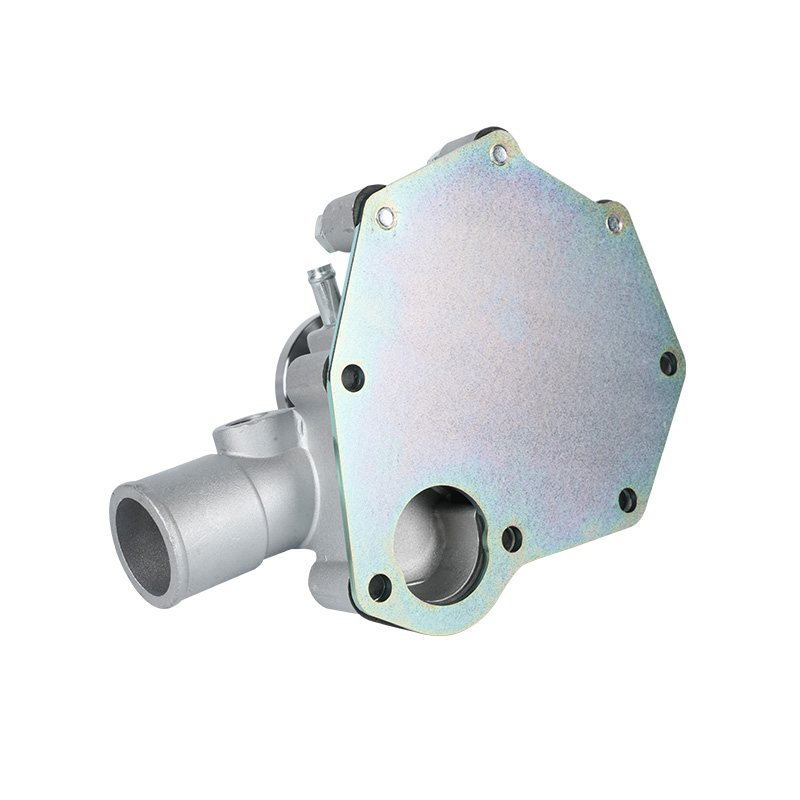
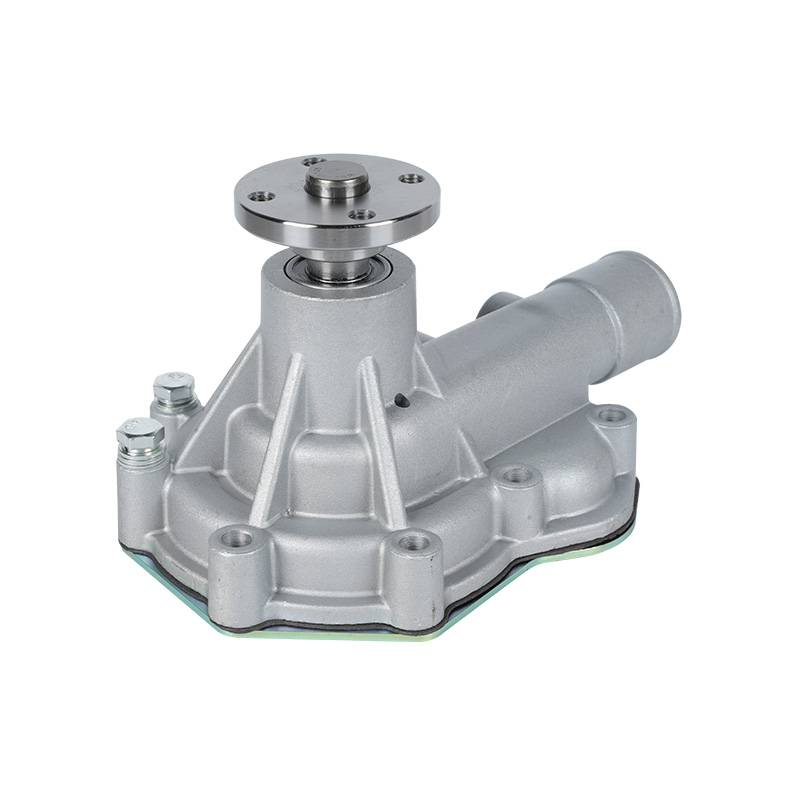
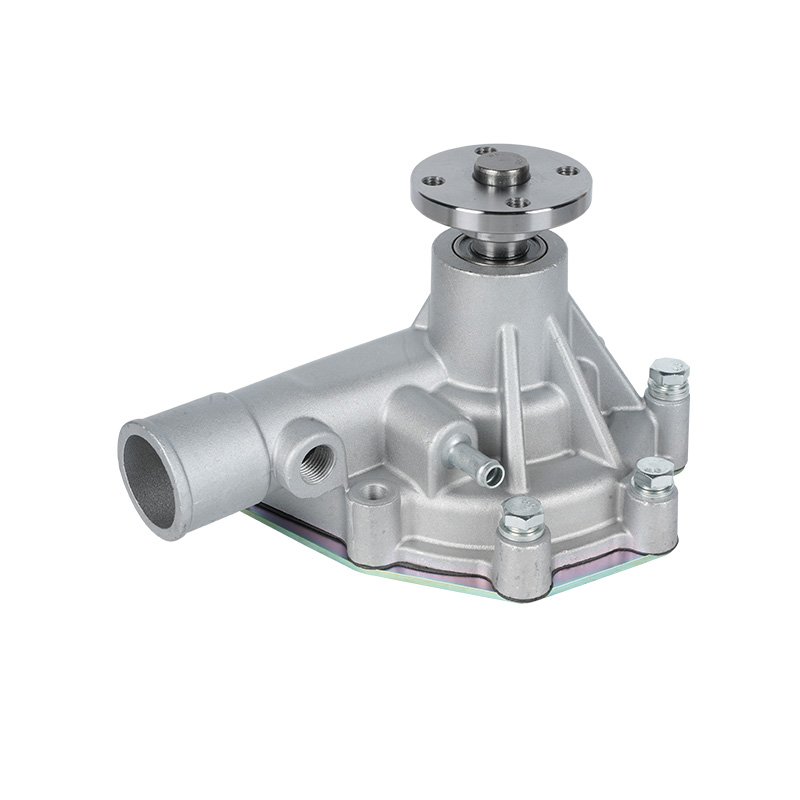
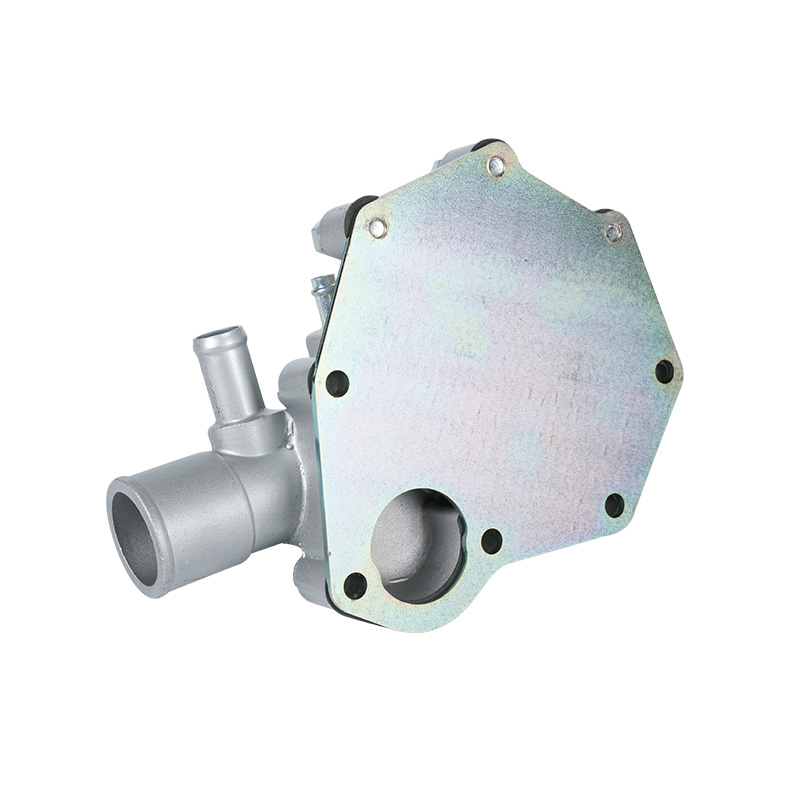
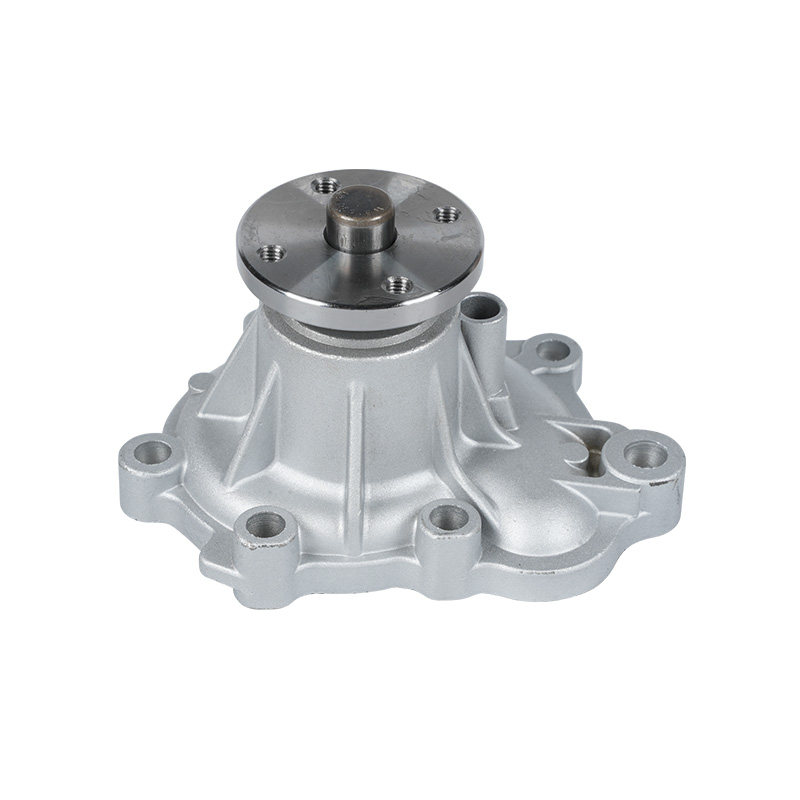
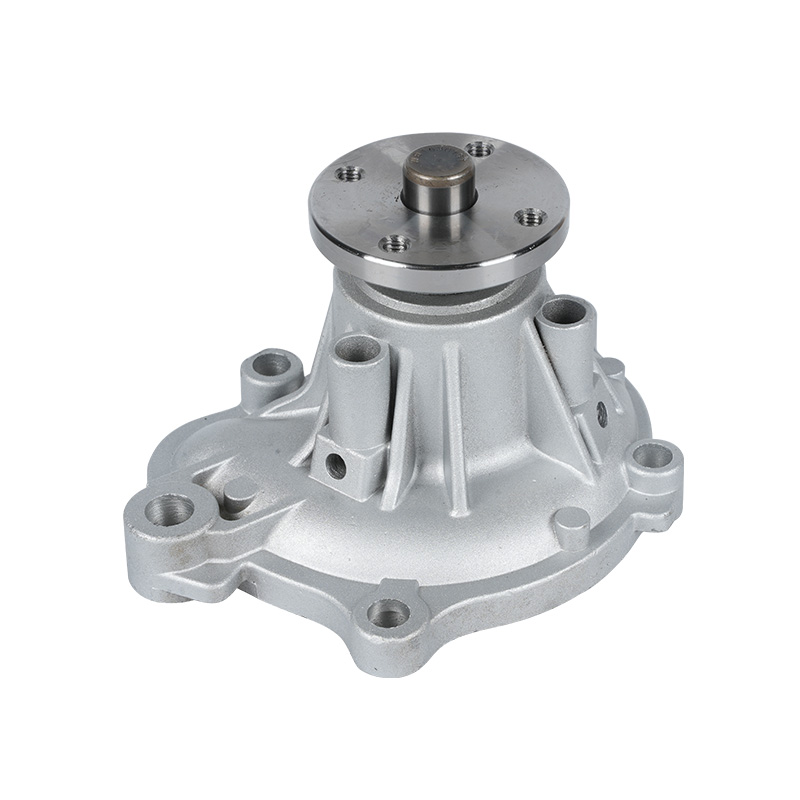
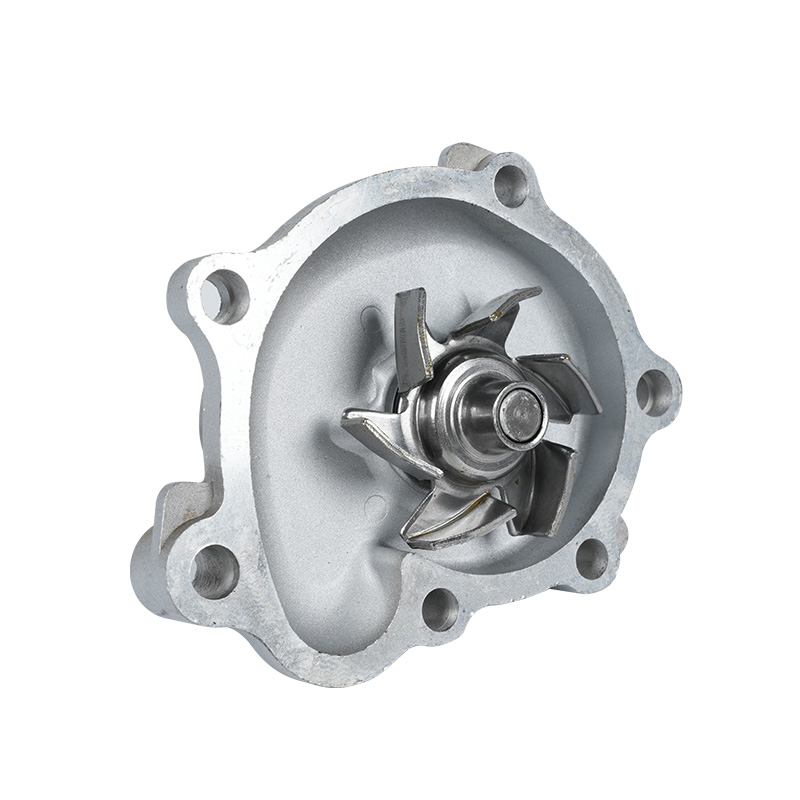
The CXL-K-025 engine water pump from Zhejiang Jinrui Pump Industry Co., Ltd. provides reliable cooling circulation for automotive applications. Designed with precision-engineered components, this model ensures consistent coolant flow to maintain ideal engine operating temperatures between 195 and 220 degrees Fahrenheit. The unit features durable construction with corrosion-resistant materials and high-quality bearings, contributing to extended service life under normal driving conditions. Compatible with various vehicle platforms, the CXL-K-025 meets original equipment specifications for fit and function. Routine inspection of the cooling system, including this water pump, helps prevent overheating issues and protects engine components from premature wear.
Previous Post
Excavator Water Pump Market Shows Growth
Next Post
Forklift Water Pump Ensures Engine Cooling
CONTACT US NOW

We sincerely welcome friends from all walks of life
to visit Zhejiang Jinrui Pump Industry Co., Ltd. to
visit, guide and business negotiations,
and jointly create a better future.
- KEEP IN TOUCH
- Phase I of Longshang Shoes Industrial Base, Tashi Street, Longquan City, Lishui City, Zhejiang, China.
- [email protected]
- +86-18957085800 / +86-15268785899
- MOBILE WEB
Copyright © 2024 Zhejiang Jinrui Pump Industry Co., Ltd. 
Electric Pump Factory
