


 English
 中文简体
中文简体What Powers Engine Water Pump?
Engine Water Pump Remains Essential for Equipment Performance
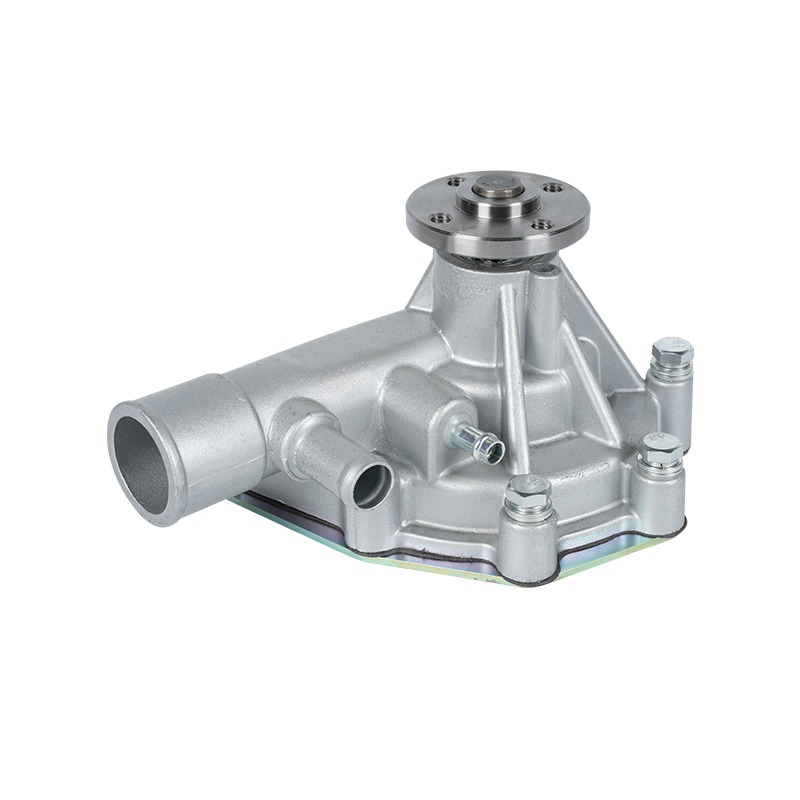
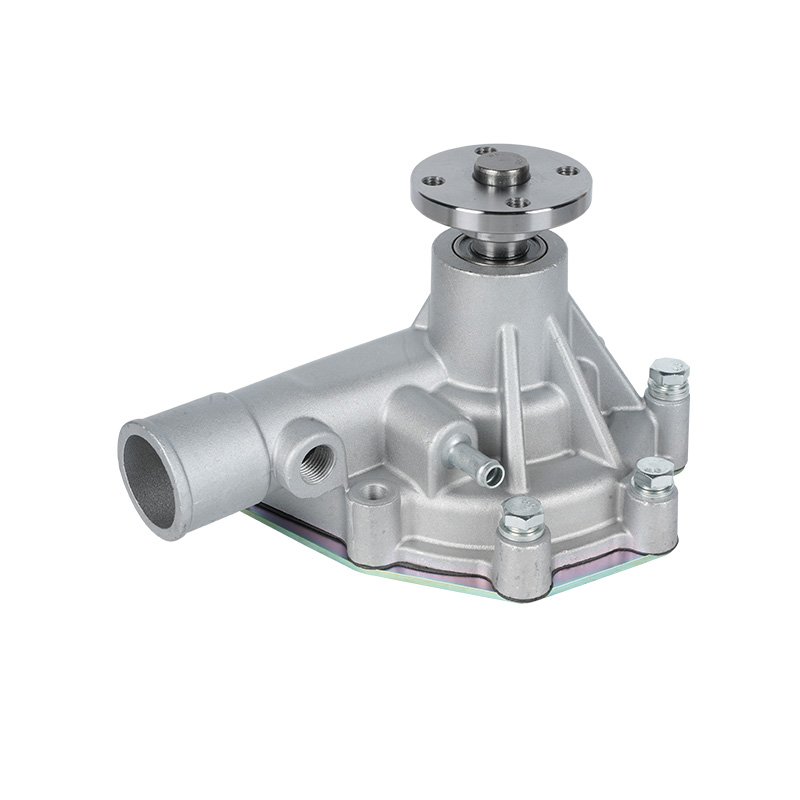
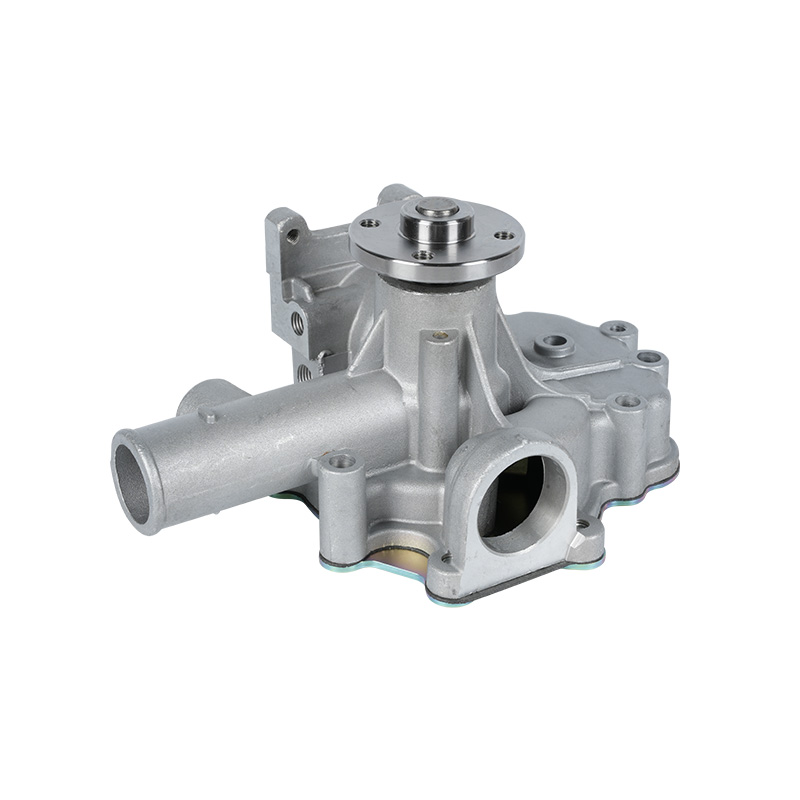
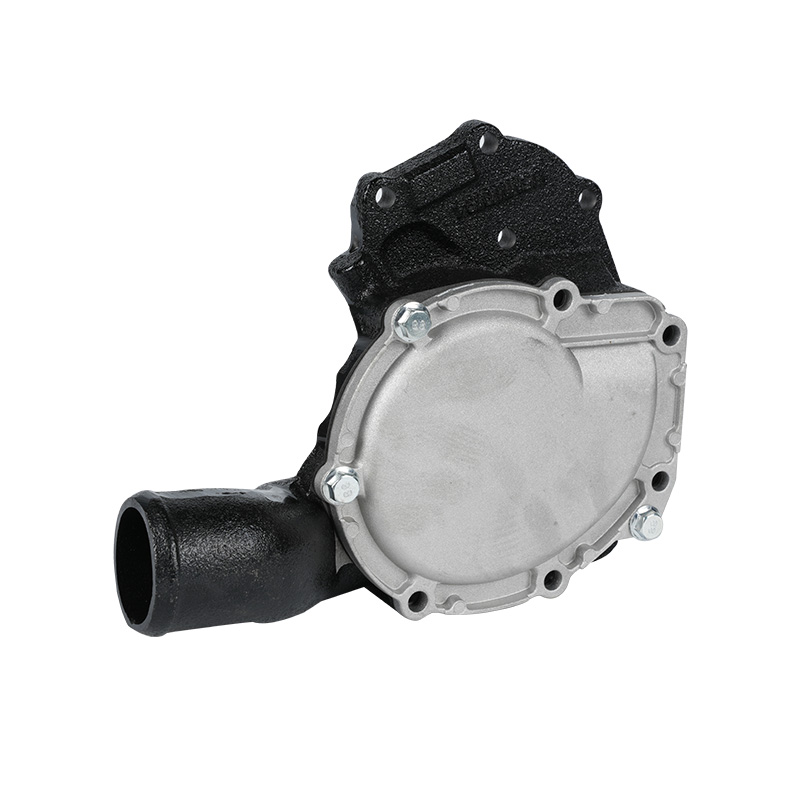
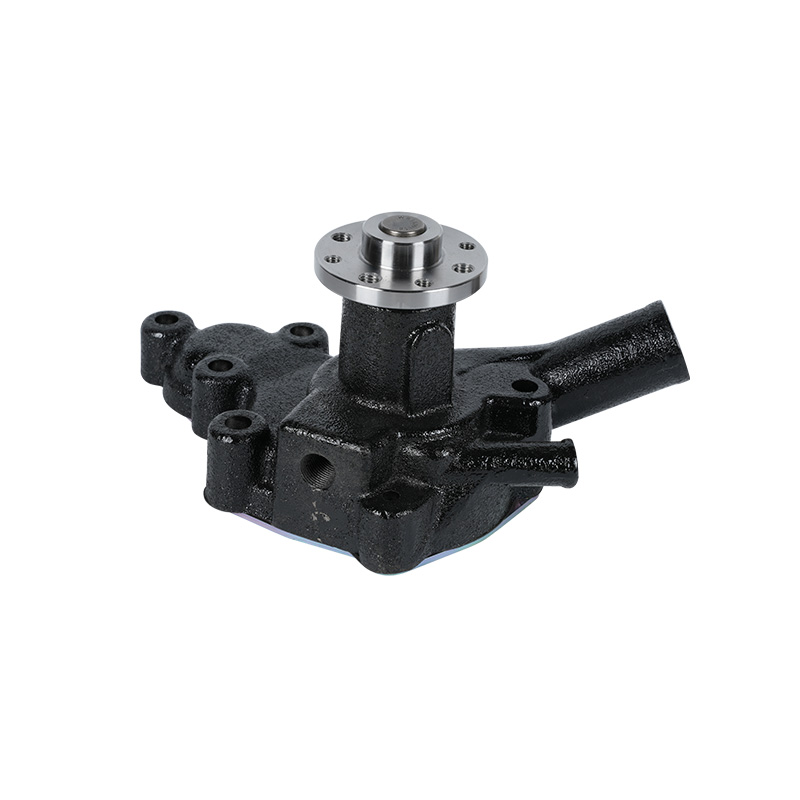
The Engine Water Pump continues to play an important role in cooling systems used in automobiles, construction equipment, agricultural machinery, industrial engines, and power generation units. Its primary function is to circulate coolant throughout the engine, allowing heat to move away from critical components and maintain stable operating temperatures during daily operation.
As engines become more compact and efficient, cooling systems require components capable of maintaining continuous coolant flow under varying working conditions. The Engine Water Pump forms a central part of this circulation process, connecting the radiator, engine block, cylinder head, and cooling passages into a complete cooling circuit.
Manufacturers now produce Engine Water Pump models in a wide range of sizes and configurations to match gasoline engines, diesel engines, commercial vehicles, and industrial power equipment.
Precision Components Support Stable Coolant Flow
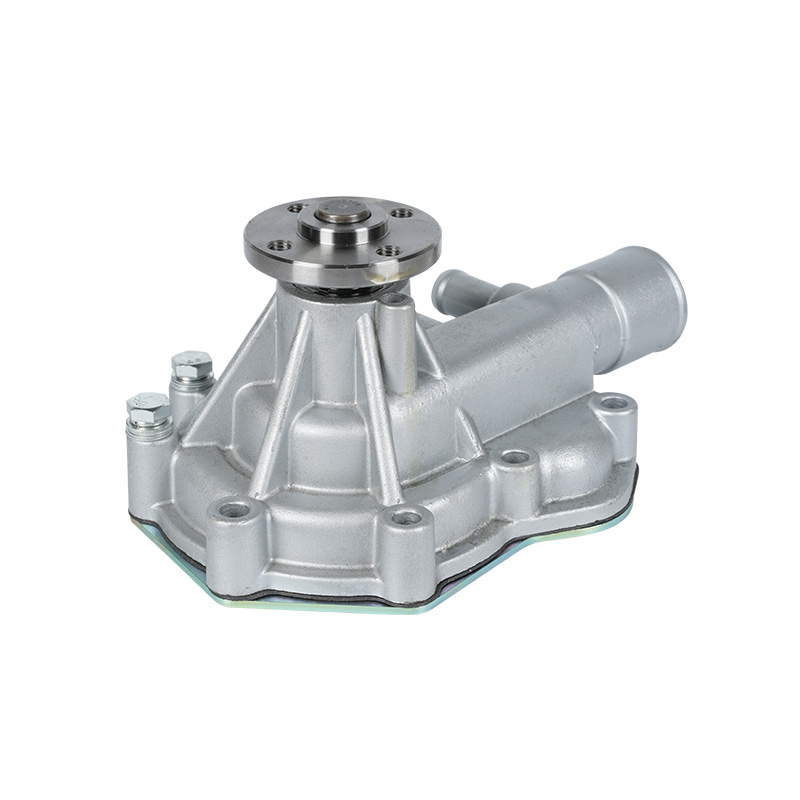
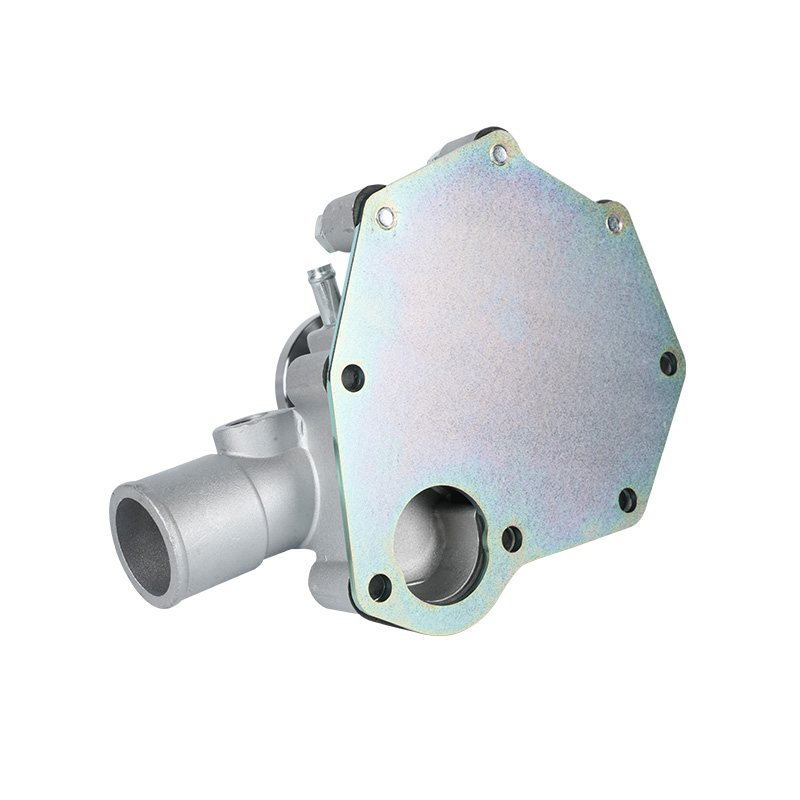
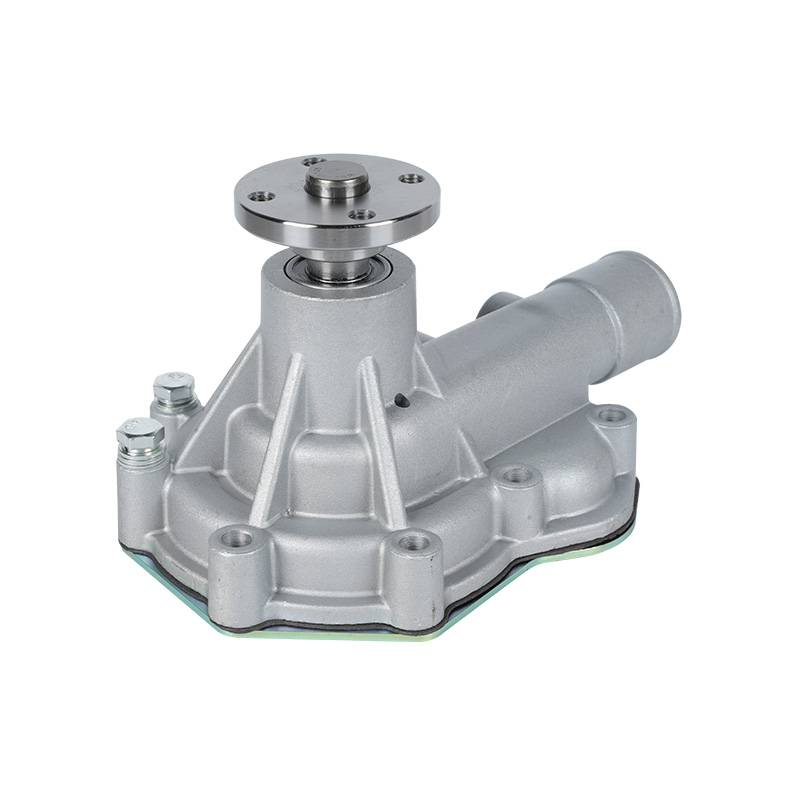
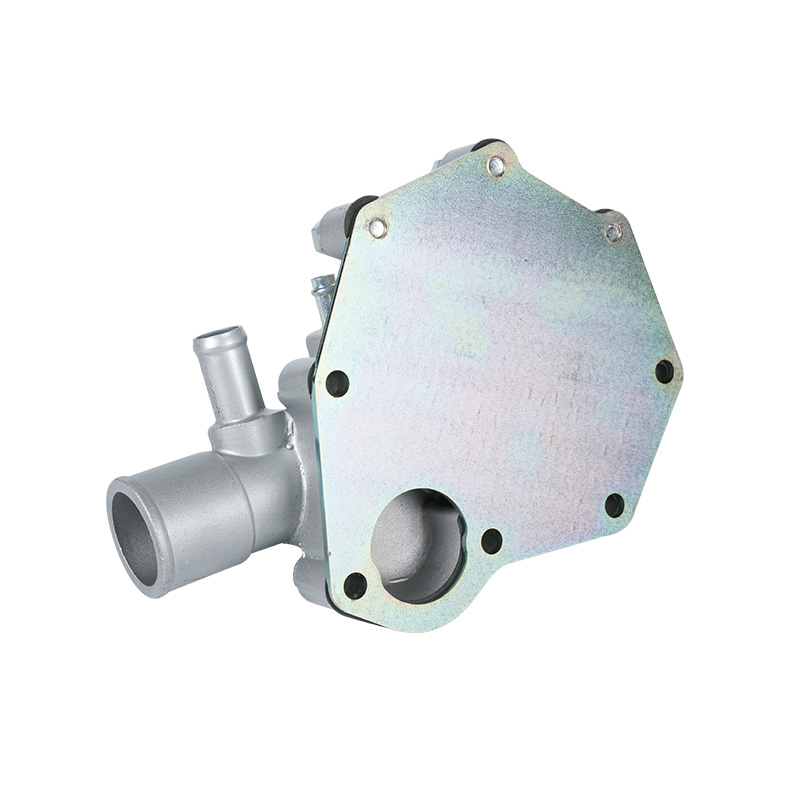
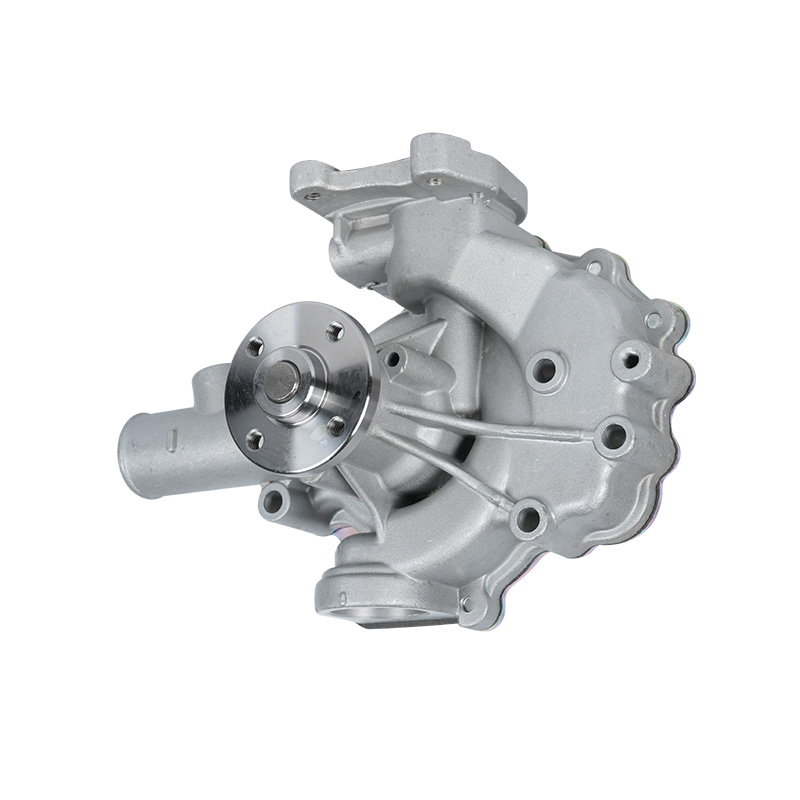
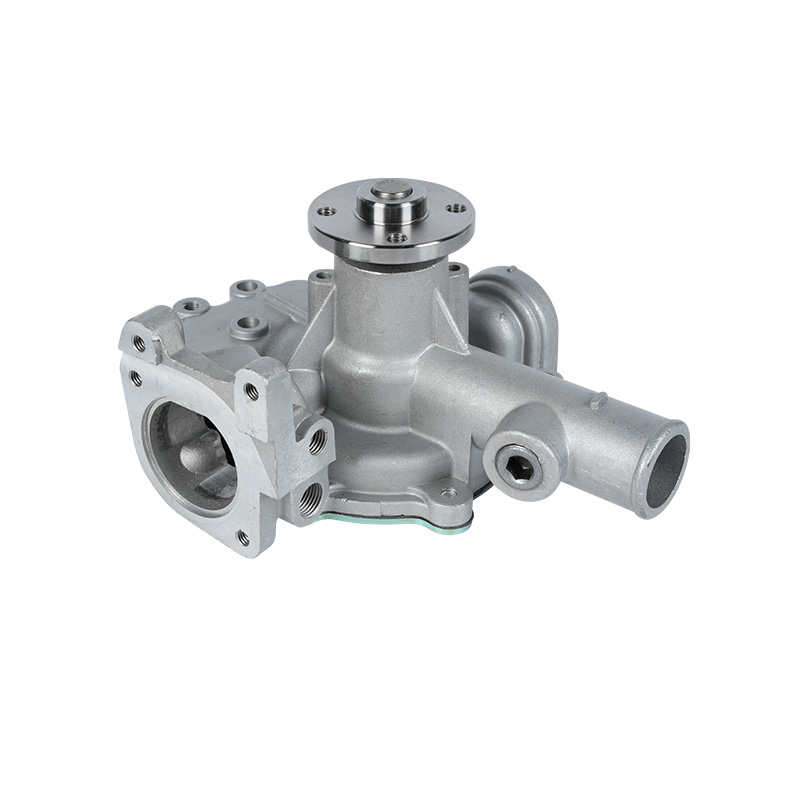
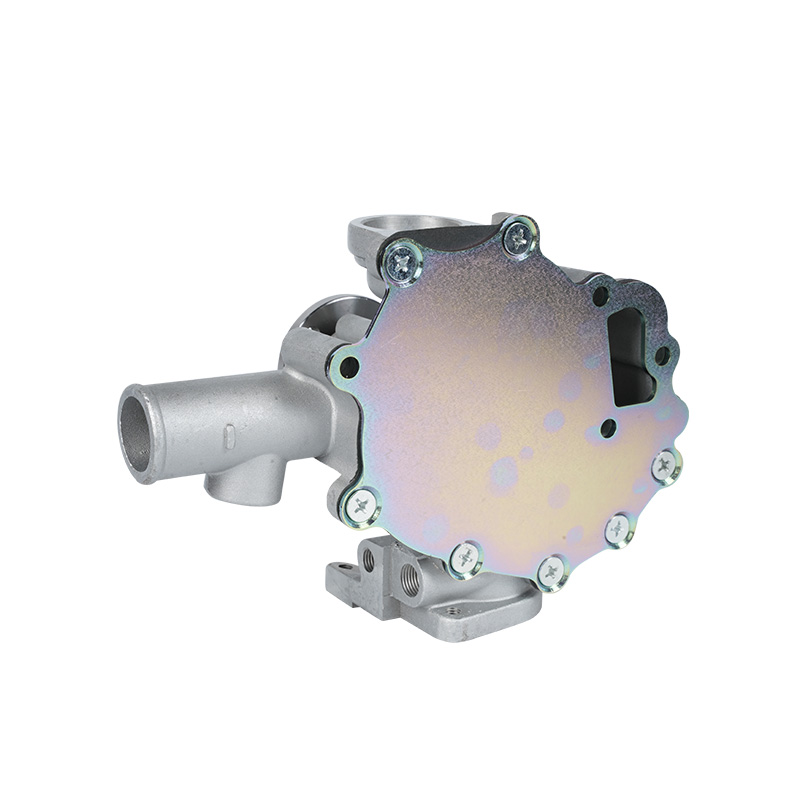
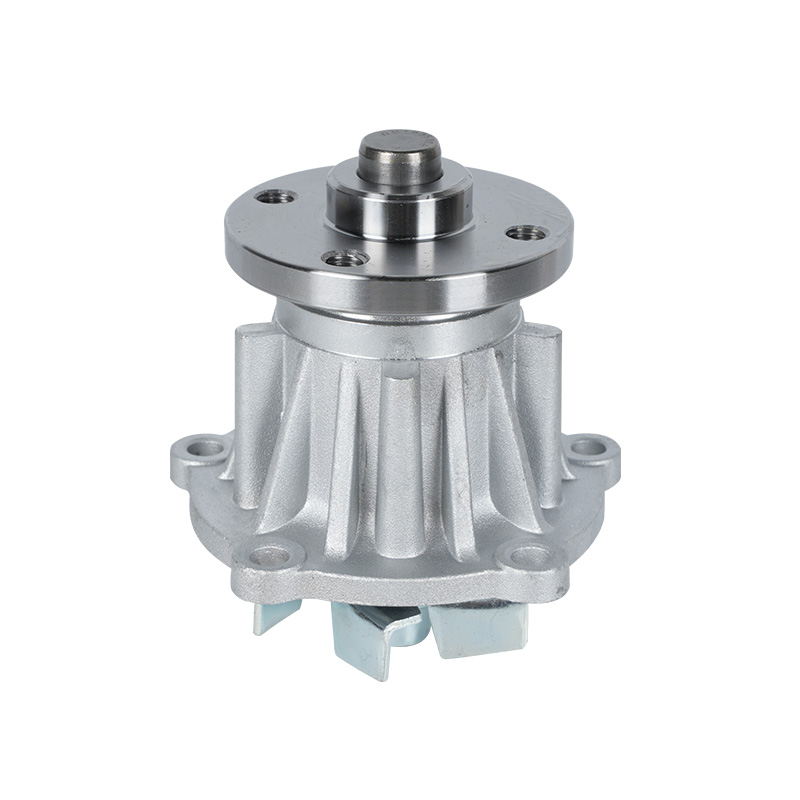
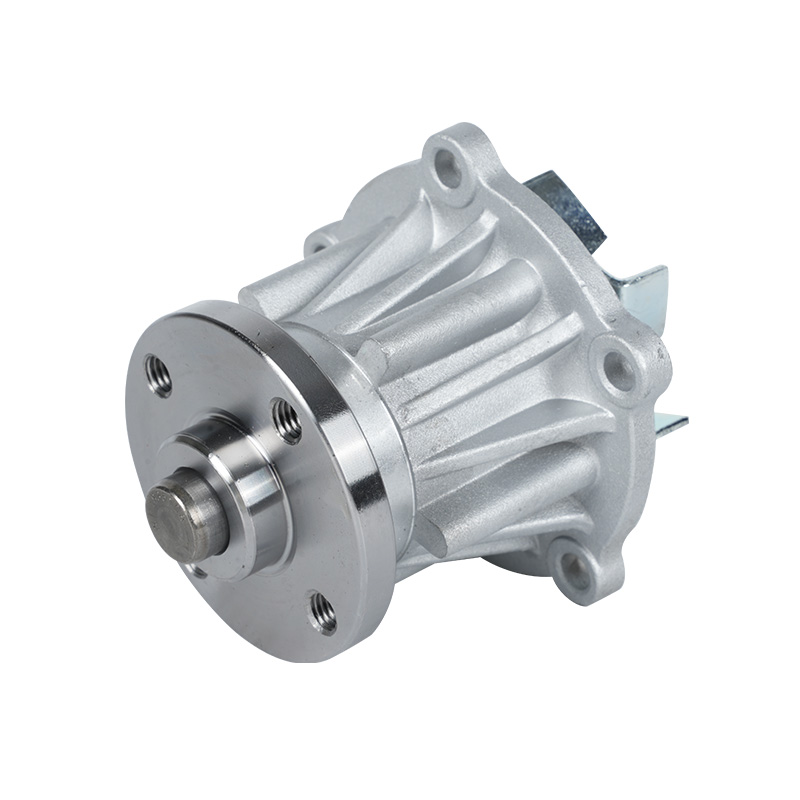
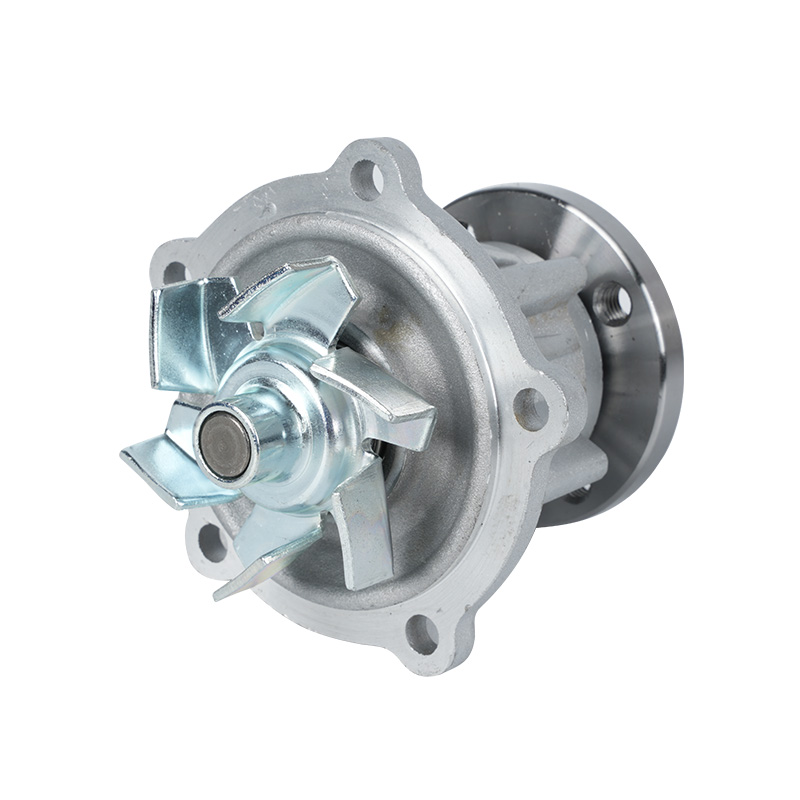
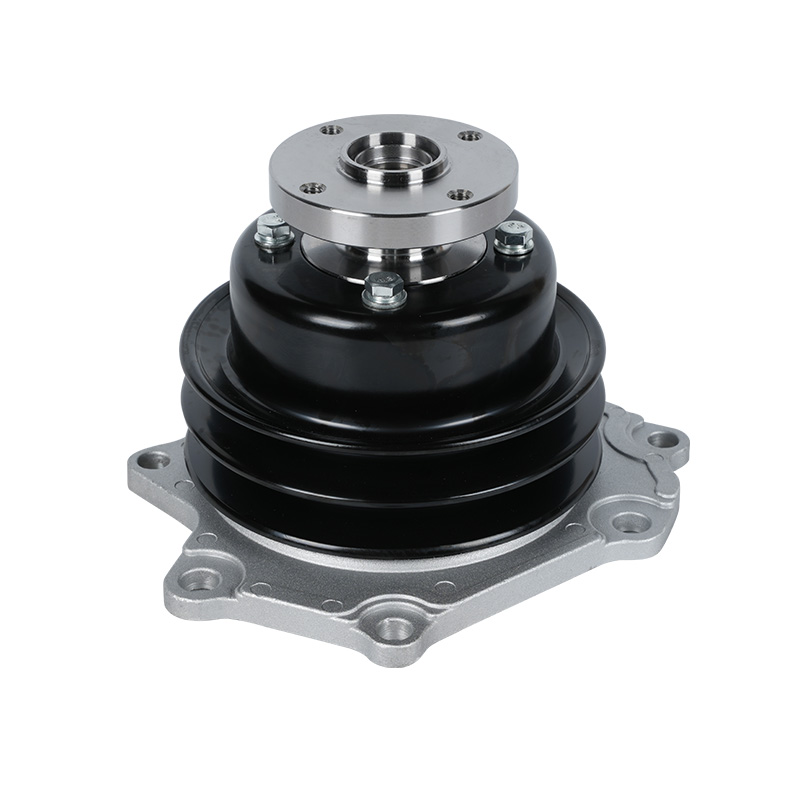
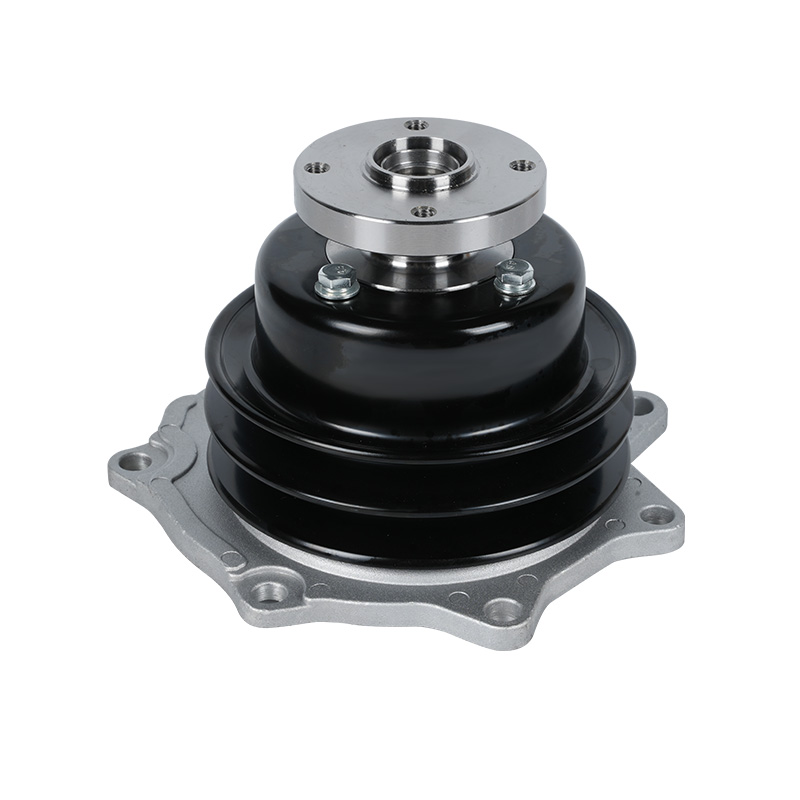
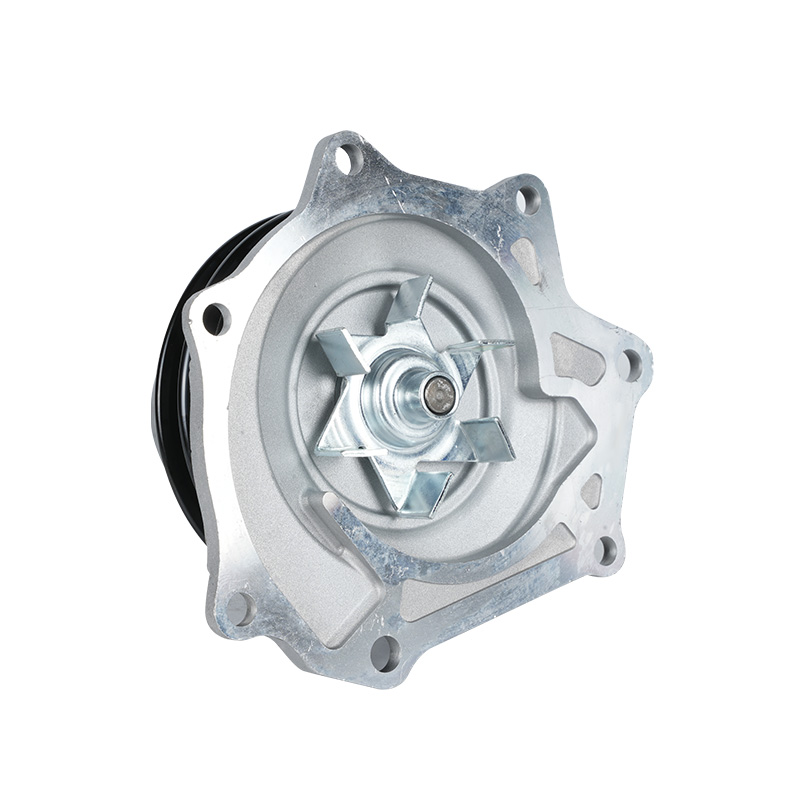
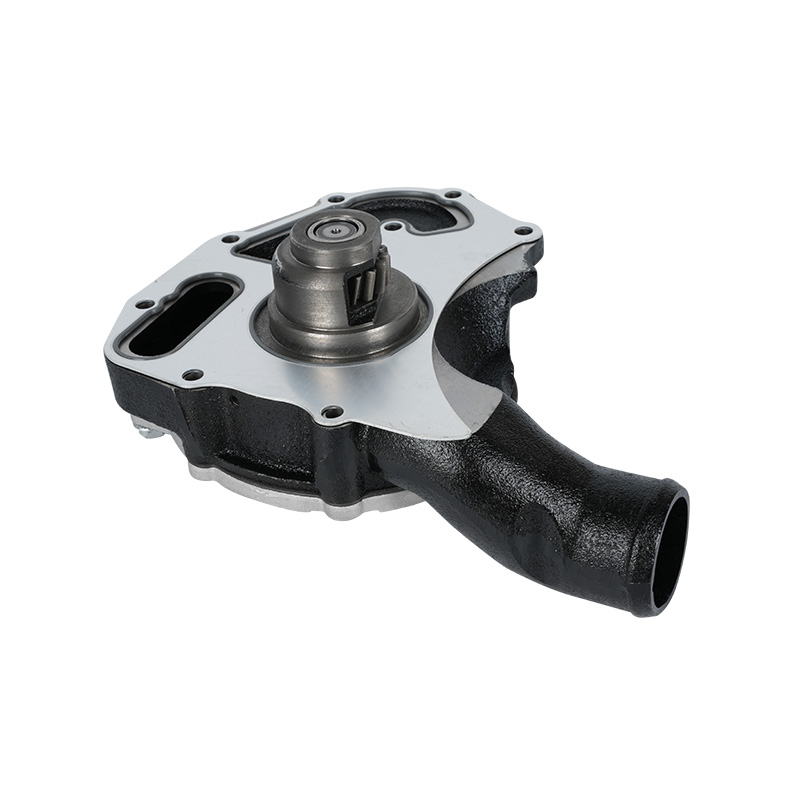
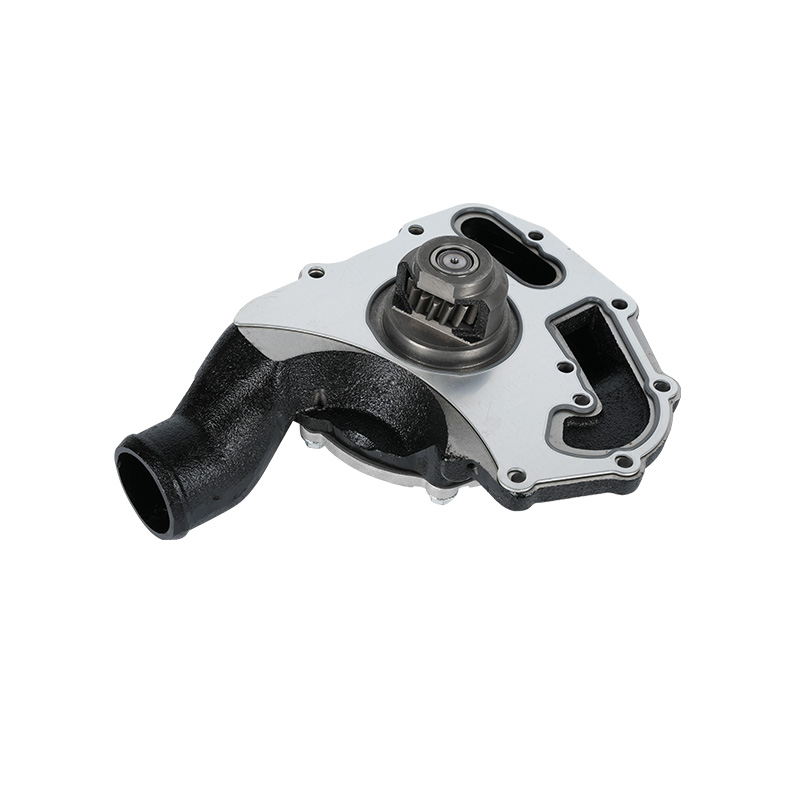
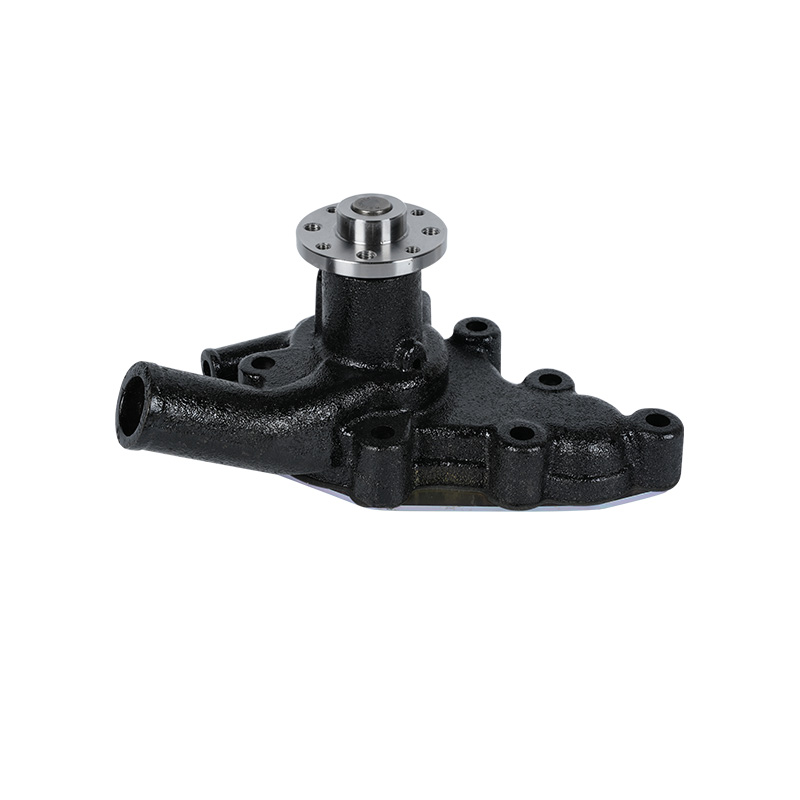
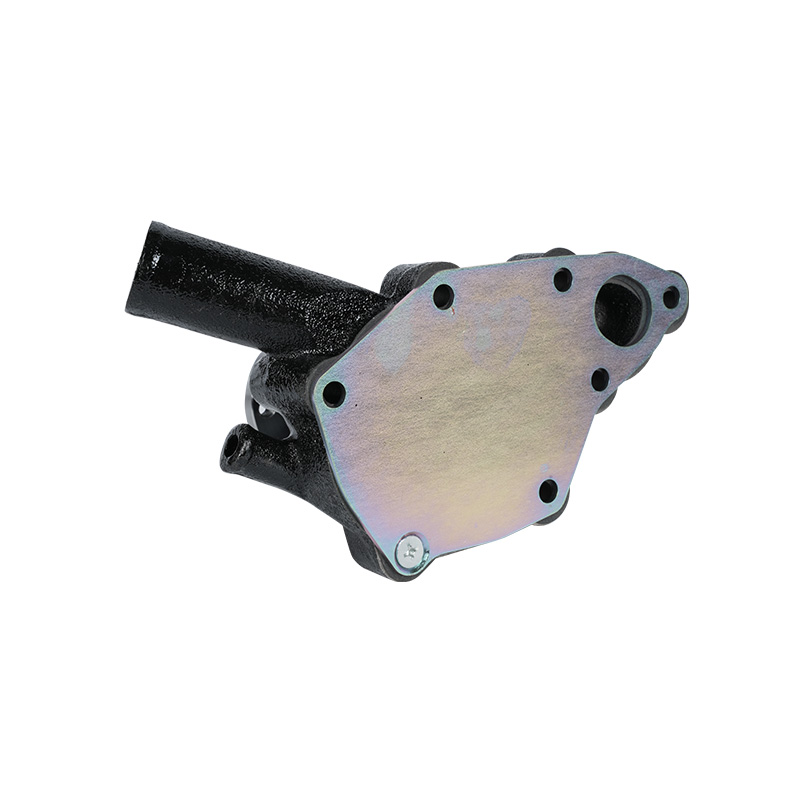
An Engine Water Pump consists of several carefully engineered components that work together to circulate coolant efficiently. The impeller generates fluid movement, while the housing directs coolant through the designed flow path inside the cooling system.
Bearings support smooth shaft rotation, allowing the pump to operate continuously with minimal vibration. Mechanical seals help separate coolant from rotating components, contributing to reliable system operation during extended working periods.
Housing materials vary according to application. Aluminum alloy remains a common choice because it combines low weight with good machining characteristics. Cast iron housings are frequently used in heavy-duty equipment requiring additional structural strength.
Impeller designs also differ depending on coolant flow requirements. Manufacturers select blade geometry based on engine size, circulation volume, and cooling system configuration.
Manufacturing Technology Improves Product Consistency
The production of an Engine Water Pump combines precision machining, casting technology, and automated assembly processes. Pump housings are manufactured using controlled casting methods before undergoing CNC machining to achieve accurate mounting surfaces and dimensional consistency.
Impellers are produced using metal casting or engineered polymer molding, depending on product design. Accurate balancing helps maintain stable rotation throughout the operating range.
Automated assembly equipment positions bearings, shafts, seals, and housings with controlled accuracy. Digital inspection systems verify critical dimensions before completed pumps proceed to functional testing.
Pressure testing and flow evaluation are commonly included during production to confirm proper coolant circulation characteristics. These manufacturing procedures contribute to consistent product quality across different production batches.
Broad Applications Drive Product Development
Engine Water Pump products support numerous industries beyond passenger vehicles. Construction machinery relies on cooling systems for excavators, loaders, bulldozers, and cranes operating under demanding conditions.
Agricultural equipment uses Engine Water Pump assemblies in tractors, harvesters, irrigation engines, and other field machinery that operates for extended periods during seasonal work.
Industrial engines installed in generators, compressors, pumps, and manufacturing equipment also depend on continuous coolant circulation. Marine engines and transportation equipment further expand the application range for Engine Water Pump products.
Manufacturers continue introducing models compatible with different engine families, allowing equipment producers to select pumps that match specific installation requirements and cooling capacities.
Industry Demand Encourages Design Innovation
As engine technology continues to evolve, manufacturers are refining Engine Water Pump designs to improve compatibility with modern cooling systems. Compact housing structures simplify installation in engines with limited space, while refined impeller designs support stable coolant circulation across varying operating conditions.
Advanced machining equipment allows tighter dimensional control for critical components, improving assembly consistency throughout the manufacturing process. Modular production methods also provide flexibility for producing multiple pump models using standardized manufacturing techniques.
Previous Post
Agricultural Water Pump Design Meets Field Demands
Next Post
Forklift Water Pump Design Keeps Engines Cool
CONTACT US NOW

We sincerely welcome friends from all walks of life
to visit Zhejiang Jinrui Pump Industry Co., Ltd. to
visit, guide and business negotiations,
and jointly create a better future.
- KEEP IN TOUCH
- Phase I of Longshang Shoes Industrial Base, Tashi Street, Longquan City, Lishui City, Zhejiang, China.
- [email protected]
- +86-18957085800 / +86-15268785899
- MOBILE WEB
Copyright © 2024 Zhejiang Jinrui Pump Industry Co., Ltd. 
Electric Pump Factory
