


 English
 中文简体
中文简体Forklift Water Pump Design Keeps Engines Cool
What a Forklift Water Pump Actually Does
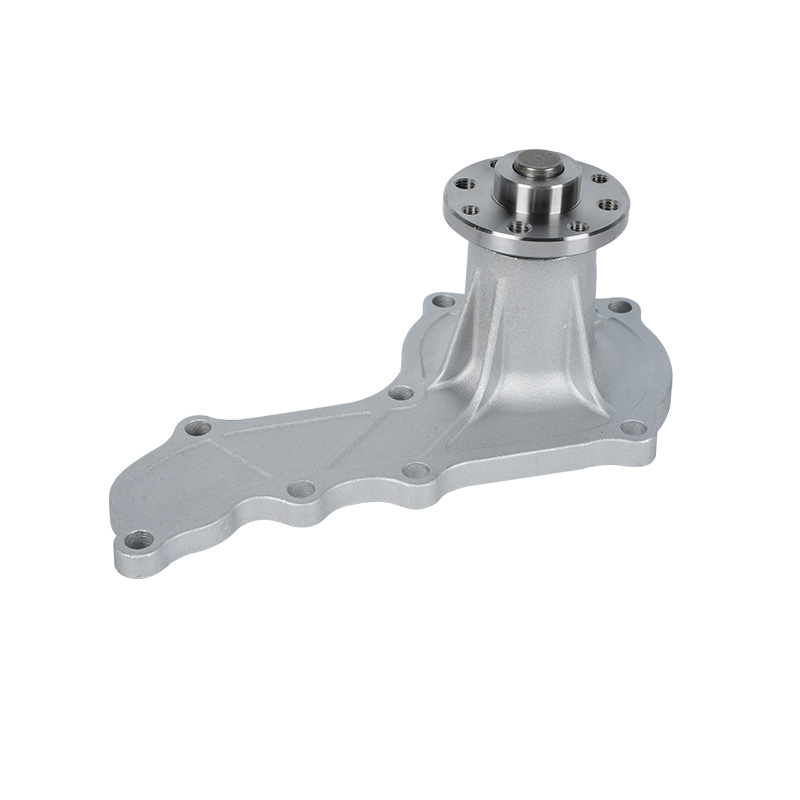
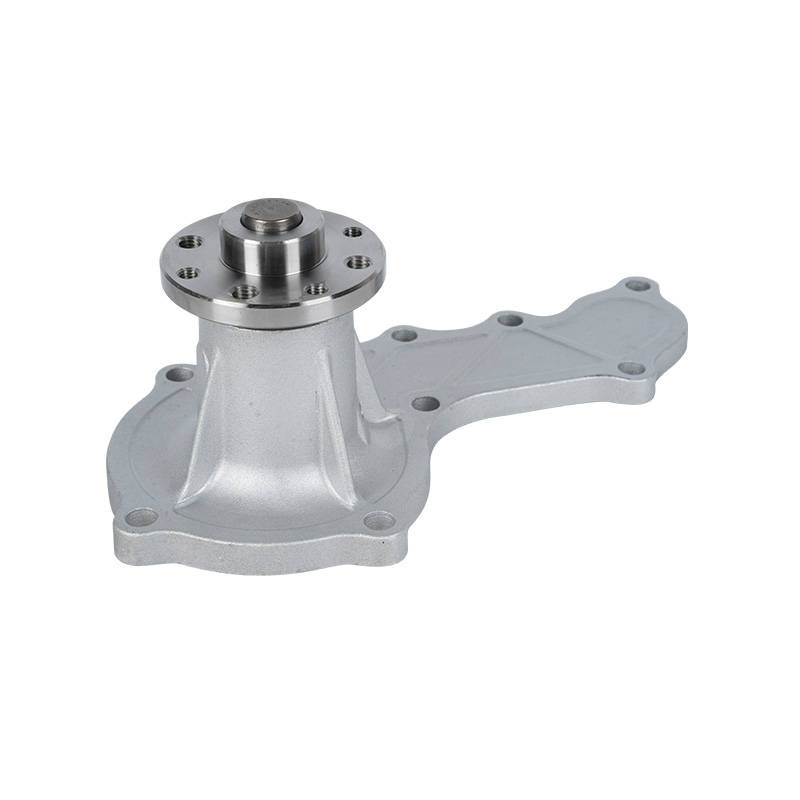
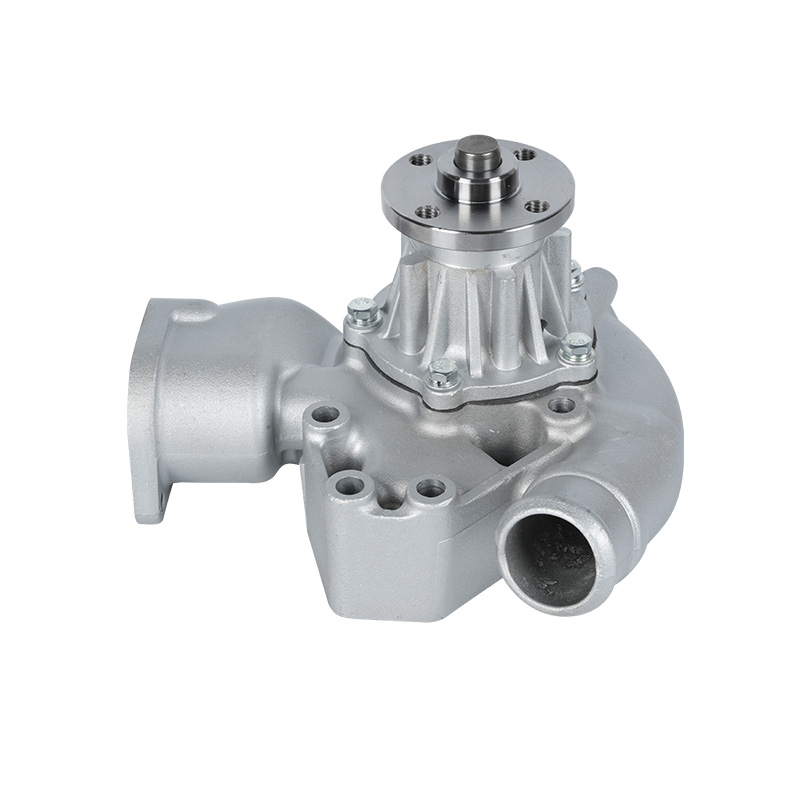
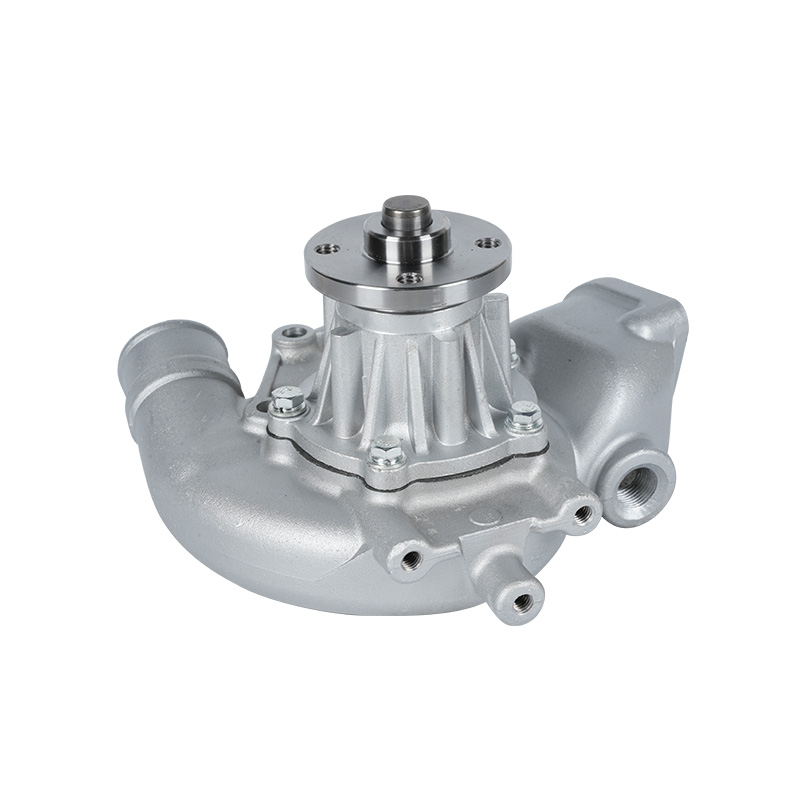
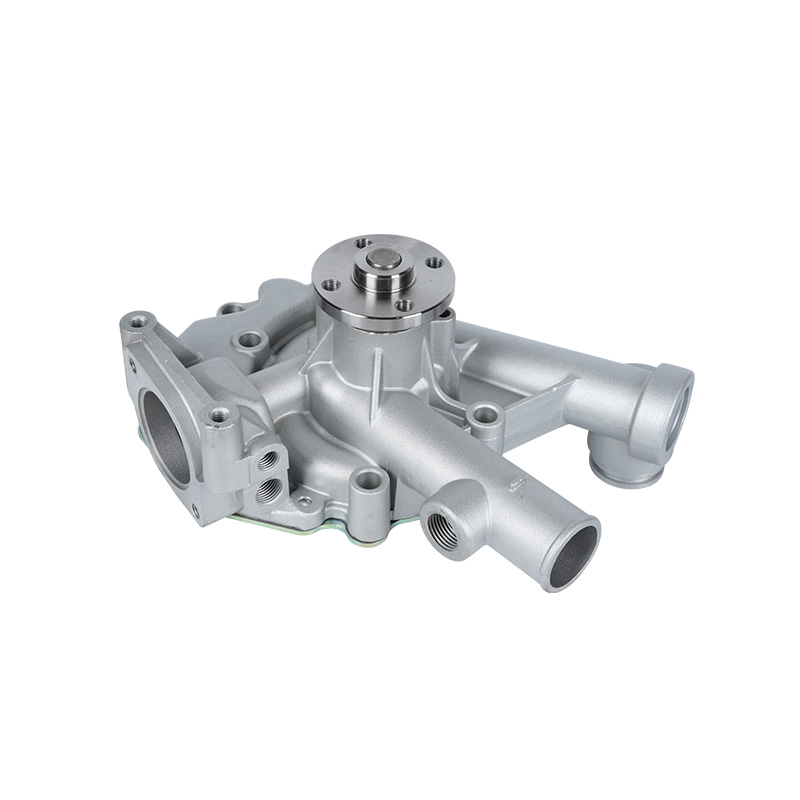
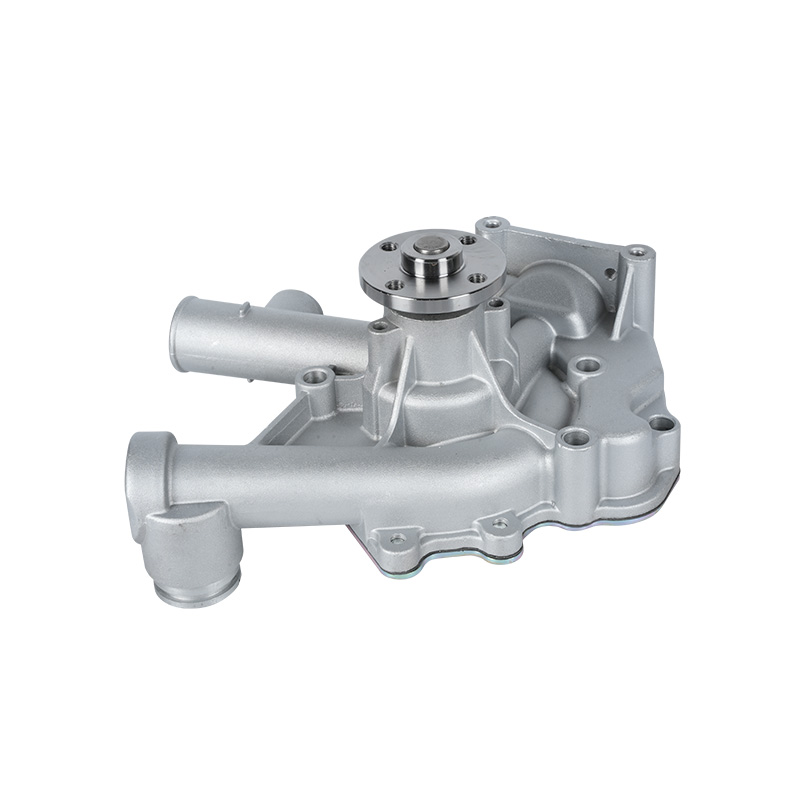
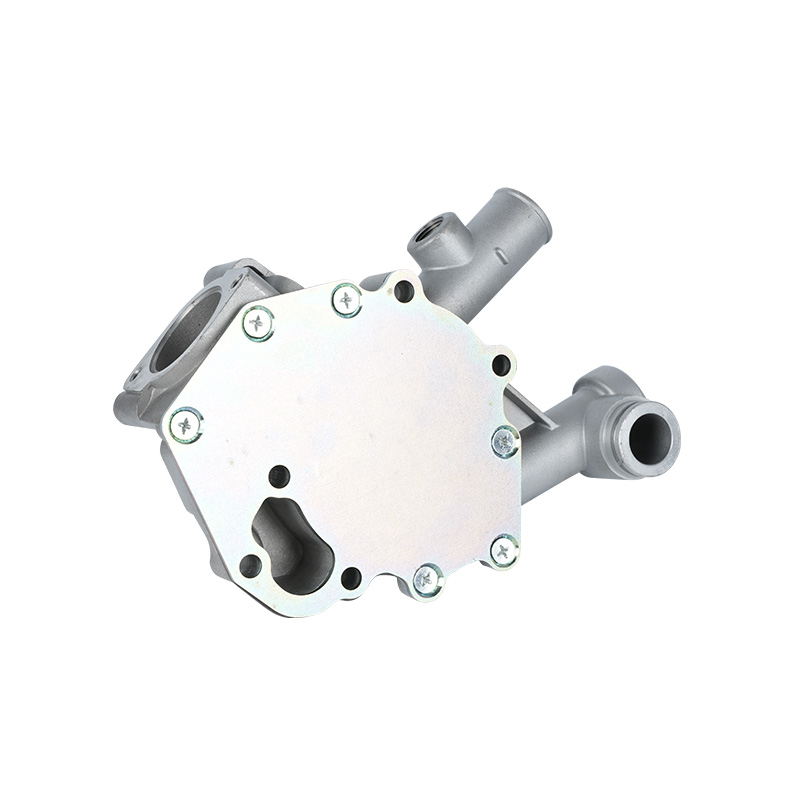
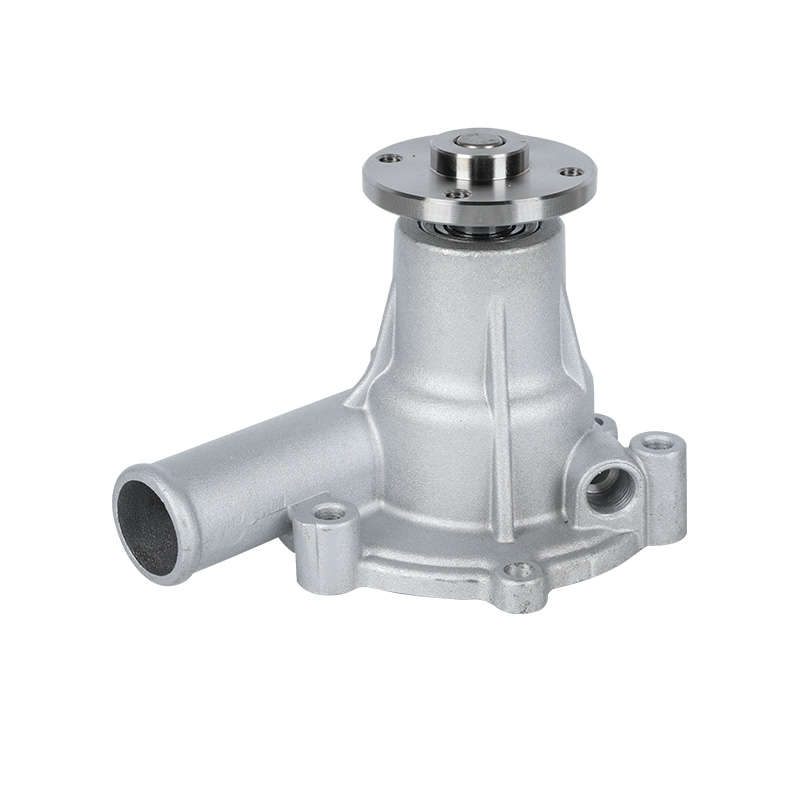
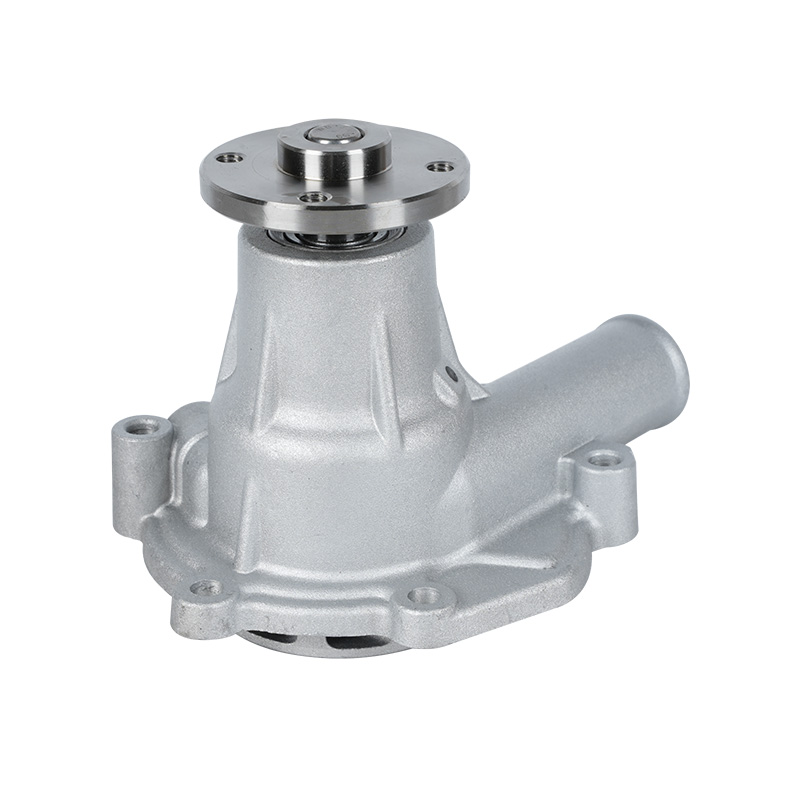
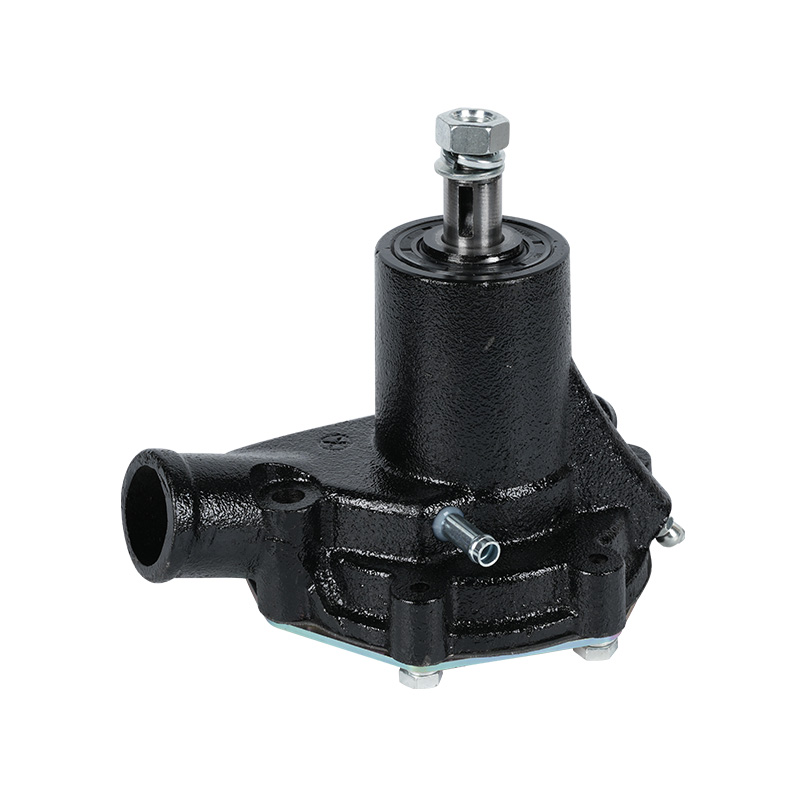
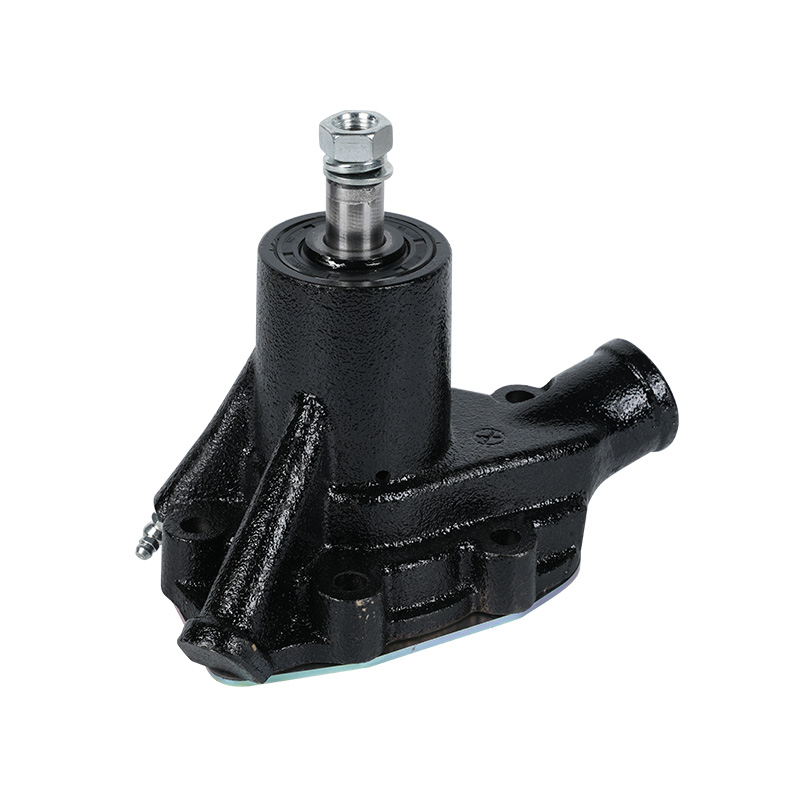
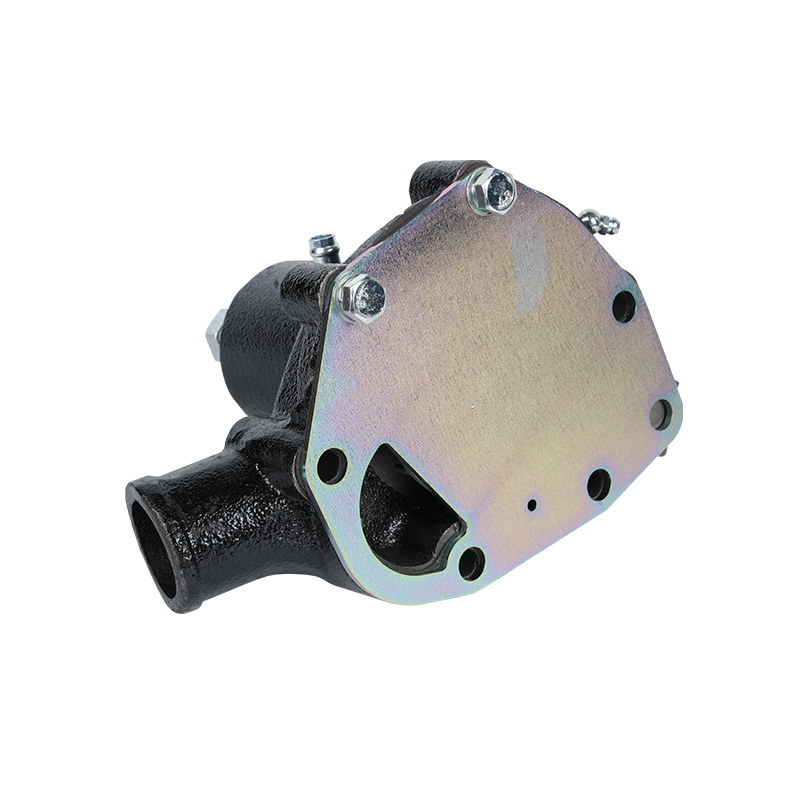
The water pump circulates coolant through the engine block, pulling heat away from internal components and pushing it out through the radiator. Without that circulation, an engine running under constant load — which describes most forklift operation pretty well — would heat up fast and start losing performance almost immediately.
Mounted near the front of the engine, the pump typically runs off a belt connected to the crankshaft, spinning an impeller that pushes coolant through the system in a continuous loop. It's a mechanically simple concept, but the pump has to keep running reliably through vibration, heat cycling, and constant start-stop use that's typical of forklift duty cycles.
Engine Types and Pump Compatibility
Forklifts run on a mix of engine types — diesel, gasoline, LPG — and water pump specifications shift depending on which one a given unit uses. A few details buyers typically need to confirm before sourcing:
- Engine make and model — pump dimensions and mounting points vary by manufacturer
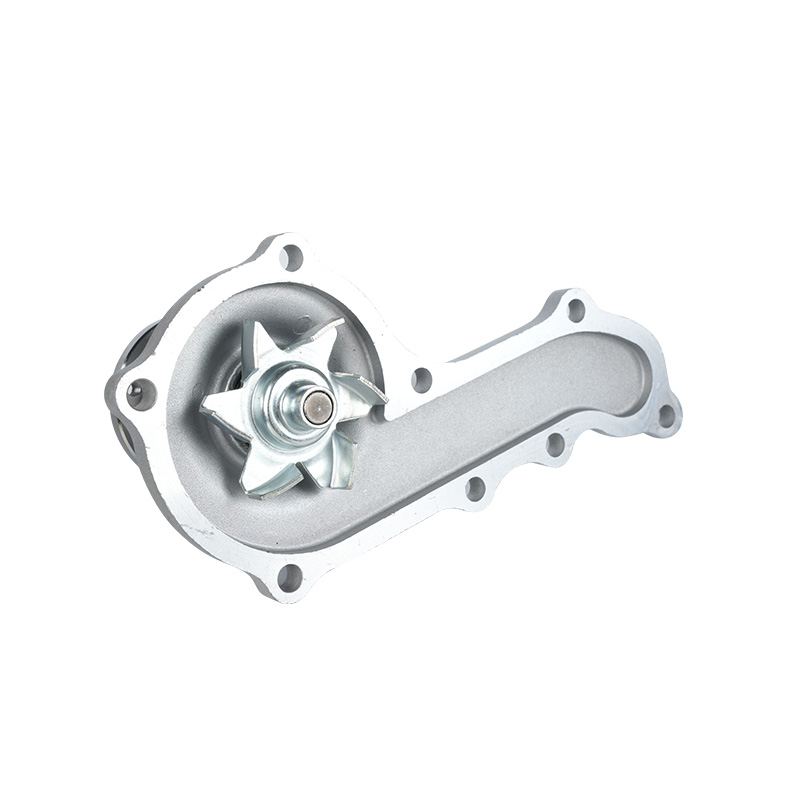
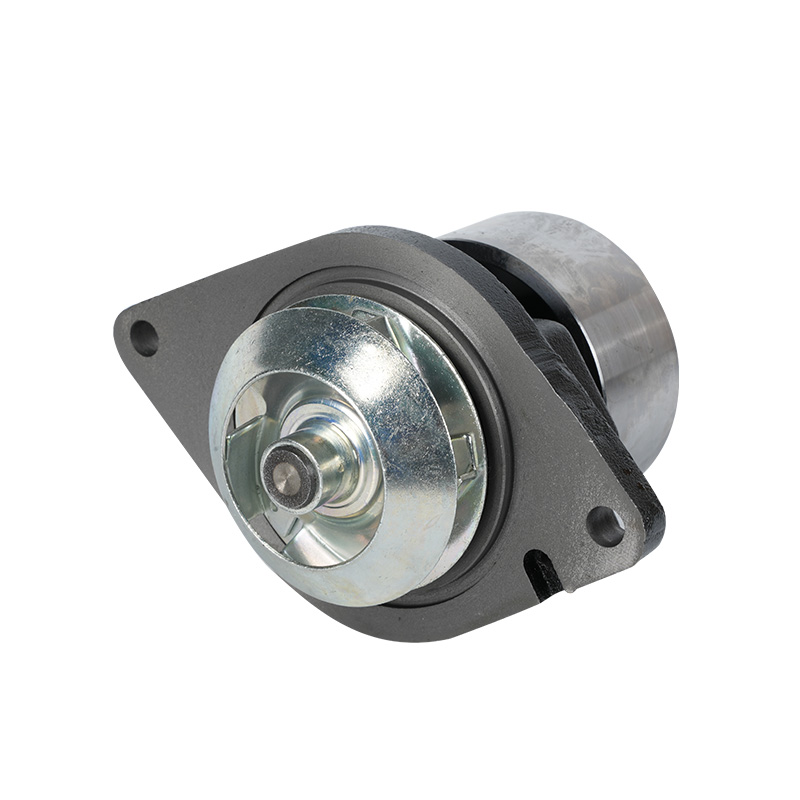
- Impeller design — affects flow rate and cooling efficiency
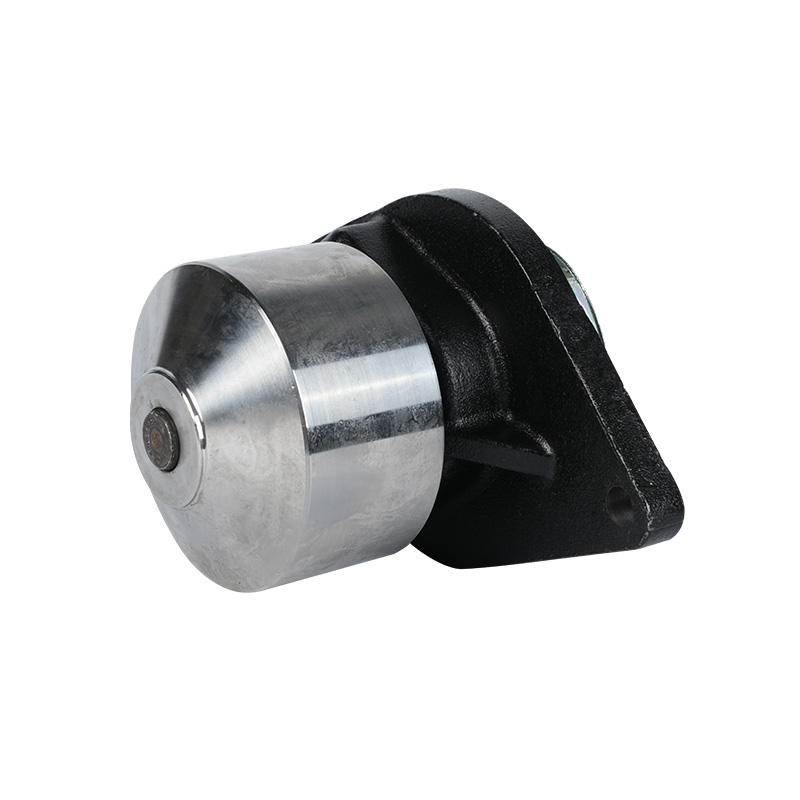
- Pulley type — needs to match the belt system already installed on the unit
Getting these details wrong at the ordering stage is one of the more common reasons replacement pumps end up sent back, since a pump built for one engine family rarely bolts onto another without modification.
Materials and Build Quality
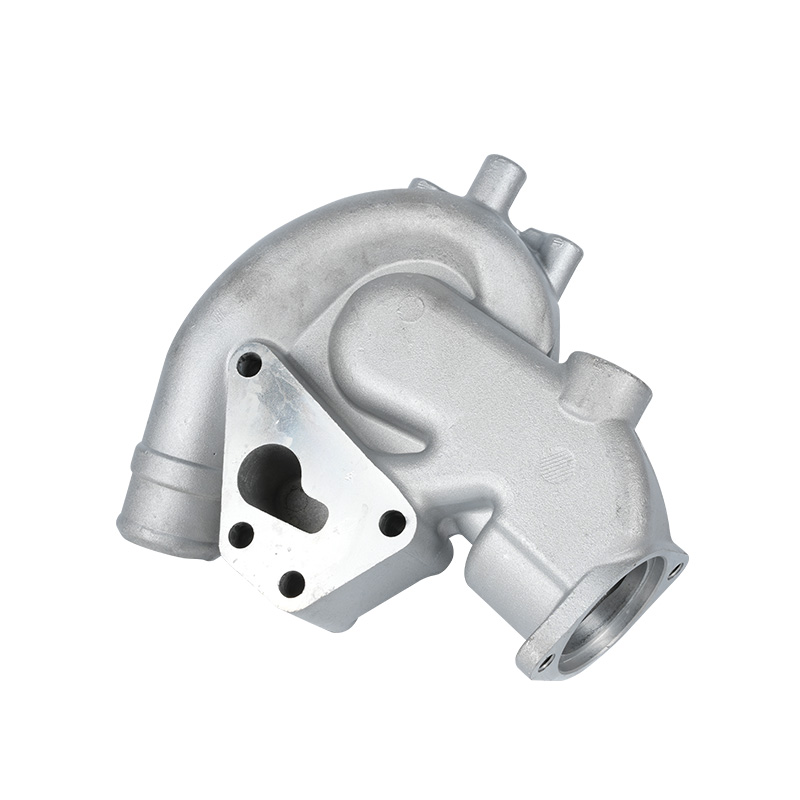
Water pump housings are typically cast from aluminum or cast iron, each offering a different balance of weight and durability. Aluminum housings run lighter, which matters less on a forklift than it might on smaller machinery, but they also dissipate heat somewhat differently than cast iron alternatives.
Impellers, the actual rotating component pushing coolant through the system, are usually made from stamped steel or cast material, depending on the pump's design. Bearing and seal quality inside the pump plays a significant role in how well it holds up under the heat cycling and vibration that comes with forklift operation — seals in particular are prone to wear from constant thermal expansion and contraction.
Flow Rate and Cooling Capacity
Flow rate — how much coolant the pump pushes through the system per rotation — needs to match the engine's cooling demands. An undersized pump struggles to keep up with heat generation during sustained heavy lifting, while an oversized one doesn't necessarily add benefit and can sometimes create pressure imbalances within the cooling system.
Engine displacement and typical operating load both factor into what flow rate a given forklift needs. Larger engines handling heavier lift capacities generally require pumps built for higher flow volumes, which is part of why pump specifications tend to track closely with engine displacement rather than forklift brand alone.
Belt-Driven Versus Gear-Driven Pumps
Most forklift water pumps run off a belt connected to the crankshaft pulley, though gear-driven designs show up in some engine families as well. Belt-driven pumps are generally easier to source replacement parts for and simpler to swap out, since the belt system itself is a separate, accessible component.
Gear-driven pumps sit closer to the engine's internal timing components, which can make replacement a more involved process but also tends to offer more consistent rotation speed tied directly to engine RPM rather than belt tension, which can loosen over time.
Keeping the Cooling System in Sync
A forklift water pump isn't a particularly complicated component on its own, but its role in keeping engine temperature under control makes it one of the more consequential parts in the whole cooling system. Matching impeller design, flow rate, and mounting specification to the correct engine model is really the whole game here — get that right, and the pump does its job quietly in the background, exactly the way it's supposed to.
Previous Post
What Powers Engine Water Pump?
Next Post
How Do Buyers Match Excavator Pump Models?

CONTACT US NOW

We sincerely welcome friends from all walks of life
to visit Zhejiang Jinrui Pump Industry Co., Ltd. to
visit, guide and business negotiations,
and jointly create a better future.
- KEEP IN TOUCH
- Phase I of Longshang Shoes Industrial Base, Tashi Street, Longquan City, Lishui City, Zhejiang, China.
- [email protected]
- +86-18957085800 / +86-15268785899
- MOBILE WEB
Copyright © 2024 Zhejiang Jinrui Pump Industry Co., Ltd. 
Electric Pump Factory
