


 English
 中文简体
中文简体Water Pump Market Grows with Diverse Applications
The global water pump industry is experiencing steady growth, driven by increasing demand across agricultural, industrial, and municipal sectors worldwide. Recent market analysis indicates the water pump sector is projected to reach approximately $72.9 billion by 2030, growing at a compound annual growth rate of around 4 percent during the forecast period. This expansion reflects the fundamental role these mechanical devices play in modern civilization, from supplying clean drinking water to enabling agricultural productivity and supporting industrial processes.
What Are the Core Functions and Basic Construction of Water Pumps?
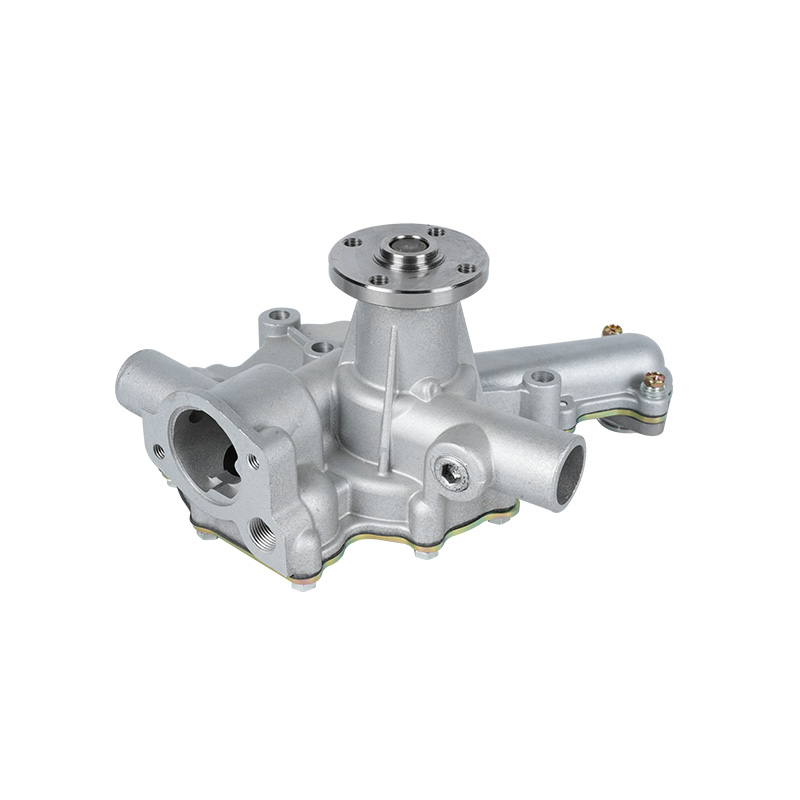
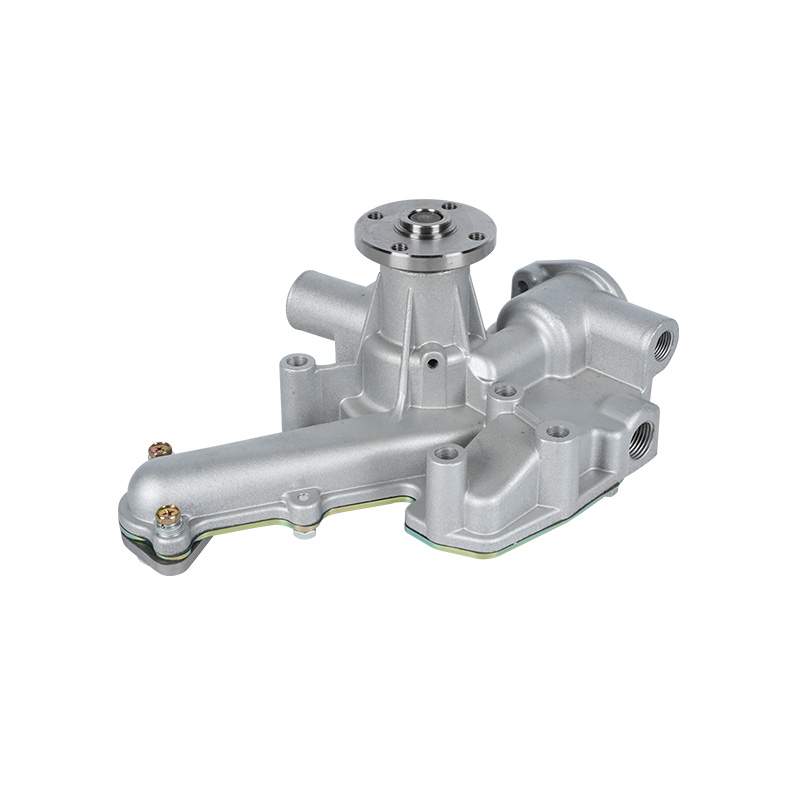
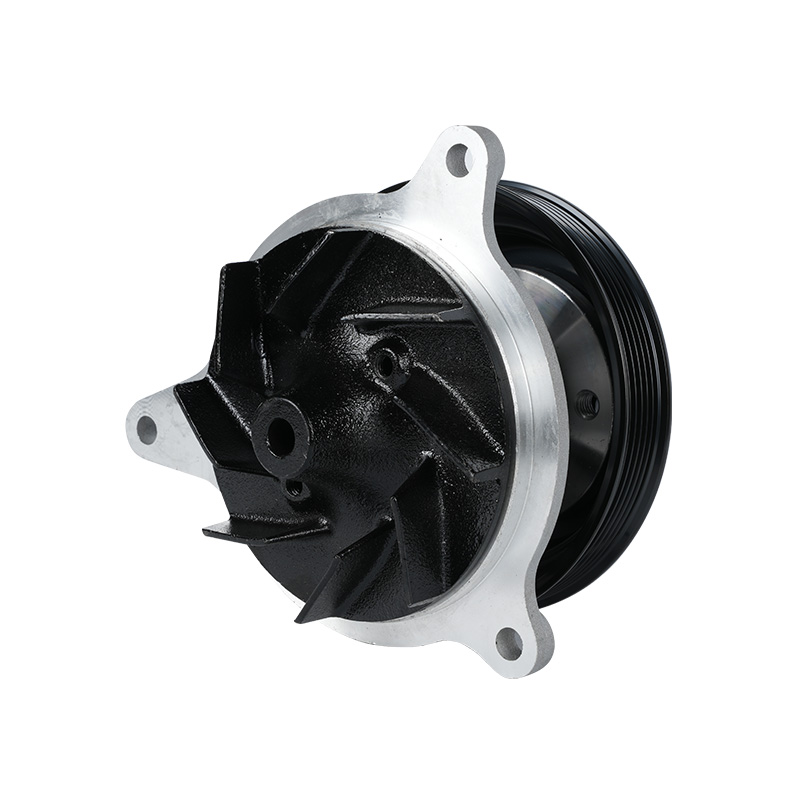
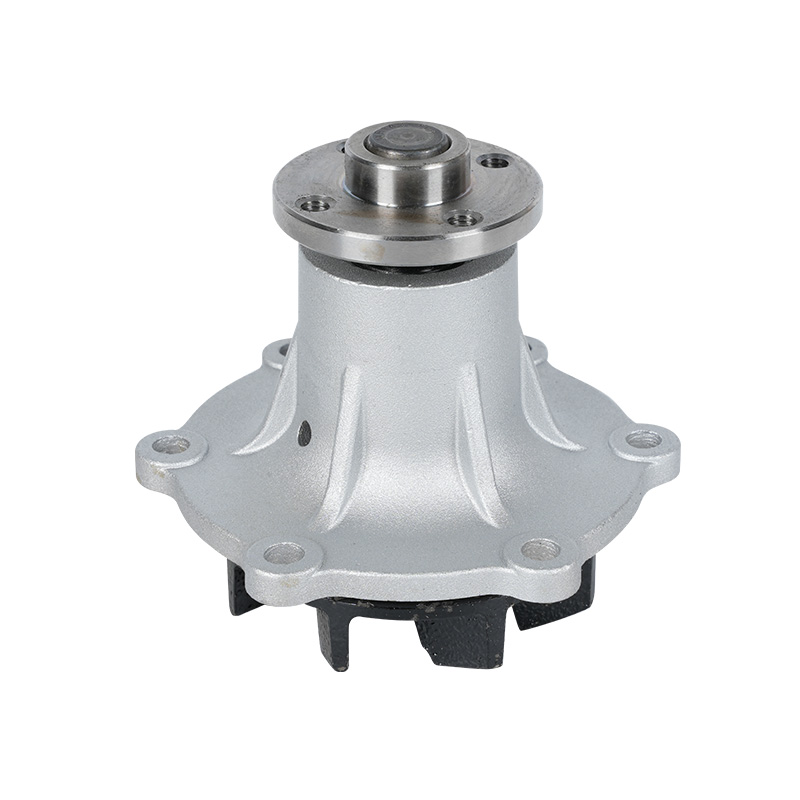
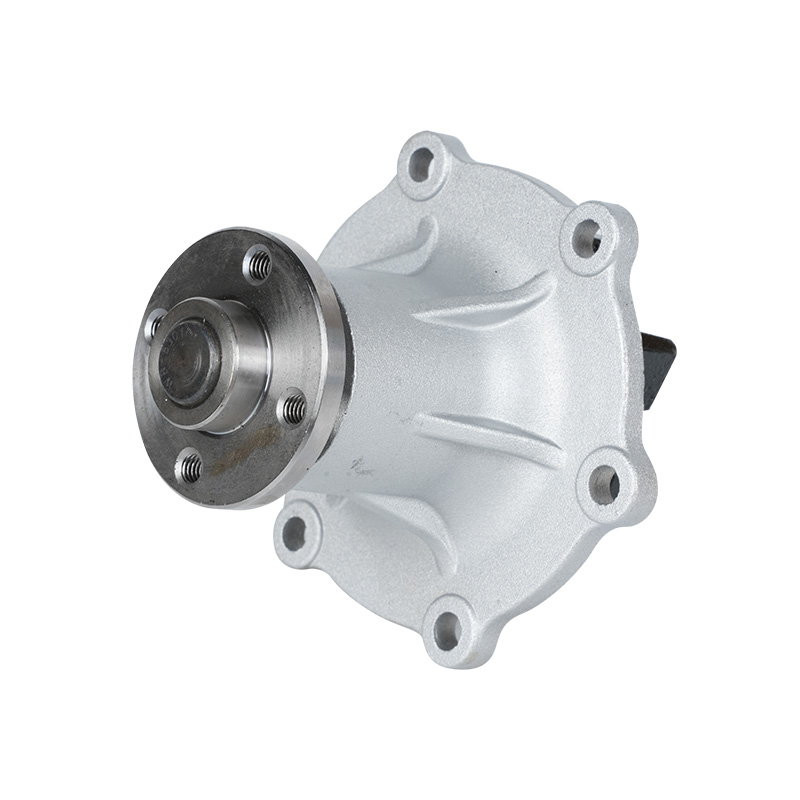
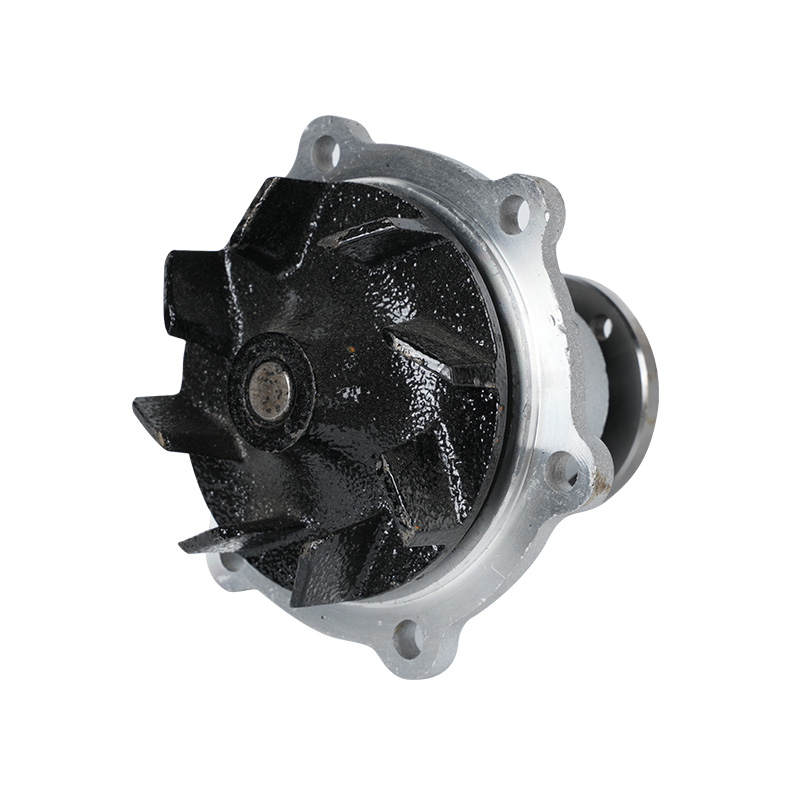
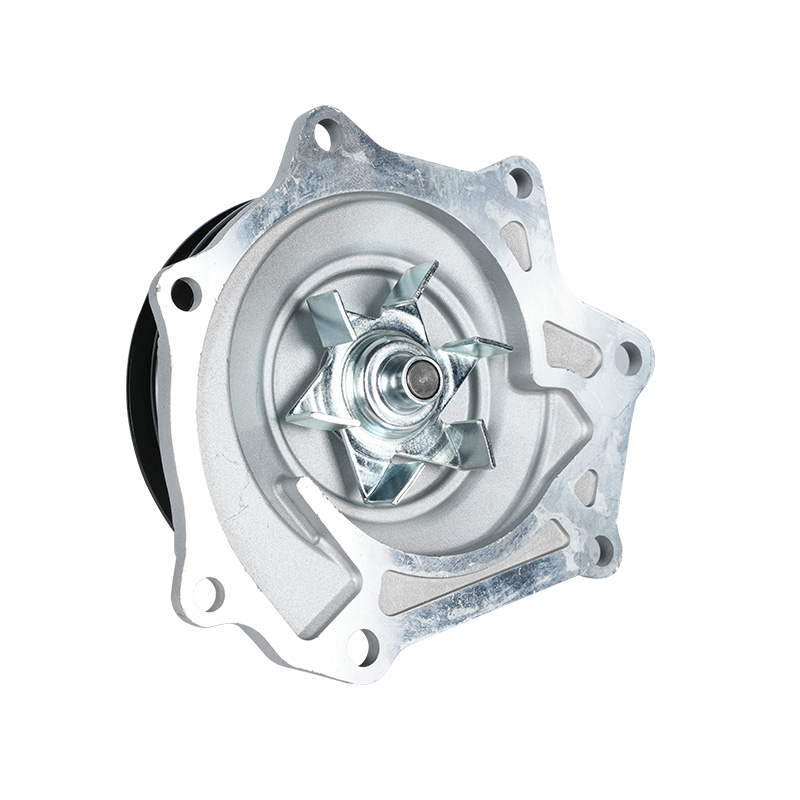
At its heart, a water pump is a mechanical device designed to move water from one location to another by converting mechanical energy into hydraulic energy. The basic construction of a typical water pump consists of several essential components working in harmony. The impeller serves as the rotating component that transfers energy to the water, spinning at high speeds to create flow. The pump casing or housing encloses the impeller and directs water flow through the system, while the shaft connects the impeller to the power source, transmitting rotational force. Bearings support the shaft and maintain proper alignment during operation, and sealing systems prevent water leakage along the shaft where it passes through the casing. Modern water pump designs incorporate materials selected for durability and corrosion resistance, with cast iron, stainless steel, and engineered plastics being common choices depending on the intended application. The efficiency of water pump units has improved substantially in recent years, with many models achieving efficiency ratings exceeding 75 percent under ideal operating conditions, representing significant energy savings compared to older designs.
How Do Different Types of Water Pumps Work?
The working principle of a water pump varies depending on its design classification, with centrifugal pumps representing the widely used category. In centrifugal water pump operation, an electric motor or other power source rotates the impeller, creating centrifugal force that throws water outward from the impeller center. This action creates a low-pressure area at the impeller eye, allowing atmospheric pressure to push additional water into the pump through the intake pipe. The water gains velocity as it moves through the impeller vanes, and this velocity converts to pressure energy as the water passes through the volute casing or diffuser passages. Positive displacement water pumps operate on a different principle, trapping fixed amounts of water and forcing it from the intake to the discharge port. Reciprocating water pump designs use pistons or diaphragms to create suction and discharge cycles, while rotary types employ gears, lobes, or screws to move water continuously. The selection of appropriate water pump operating principles depends on application requirements including flow rate, discharge pressure, water characteristics, and energy efficiency considerations. Modern water pump installations increasingly incorporate variable speed drives that adjust operating parameters based on real-time demand, optimizing energy consumption while maintaining required performance levels.
Where Are Water Pumps Used Across Different Sectors?
The application landscape for water pumps spans an extraordinarily diverse range of sectors that collectively depend on reliable water movement. In residential and commercial settings, water pumps manage groundwater removal from basements and construction sites, maintain pressure in building water systems, and supply water from private wells serving millions of households globally. Municipalities rely extensively on water pump installations for public water supply systems and wastewater management facilities, handling everything from clean water distribution to sewage treatment for growing urban populations. The agricultural sector represents one of the largest user groups, employing water pumps extensively for irrigation purposes, drawing water from wells, rivers, and reservoirs to sustain crop production across millions of hectares worldwide. Industrial applications include circulating cooling water in processing plants, managing industrial effluents, and supplying water for manufacturing operations ranging from food processing to chemical production. Specialized water pump categories designed for wastewater handling incorporate features preventing clogging when processing fluids containing solid materials, ensuring reliable operation in challenging conditions. The global demand for efficient water pump solutions continues to grow as water scarcity concerns intensify and infrastructure modernization efforts accelerate across both developed and developing regions.
The water pump market appears positioned for continued expansion as global water management challenges become more pressing. These essential devices will remain fundamental components of the infrastructure that supplies clean water, removes waste, protects communities from flooding, and enables agricultural productivity worldwide. The ongoing integration of monitoring and control technologies promises to further enhance the reliability and efficiency of water pump installations, reducing lifecycle costs while improving performance across the diverse applications that depend on this essential equipment.
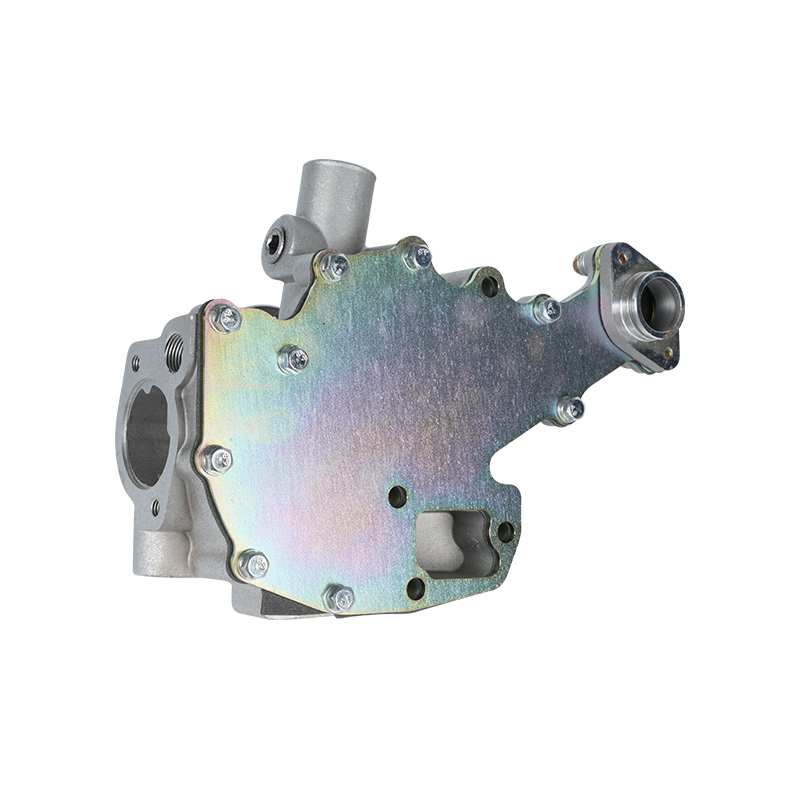
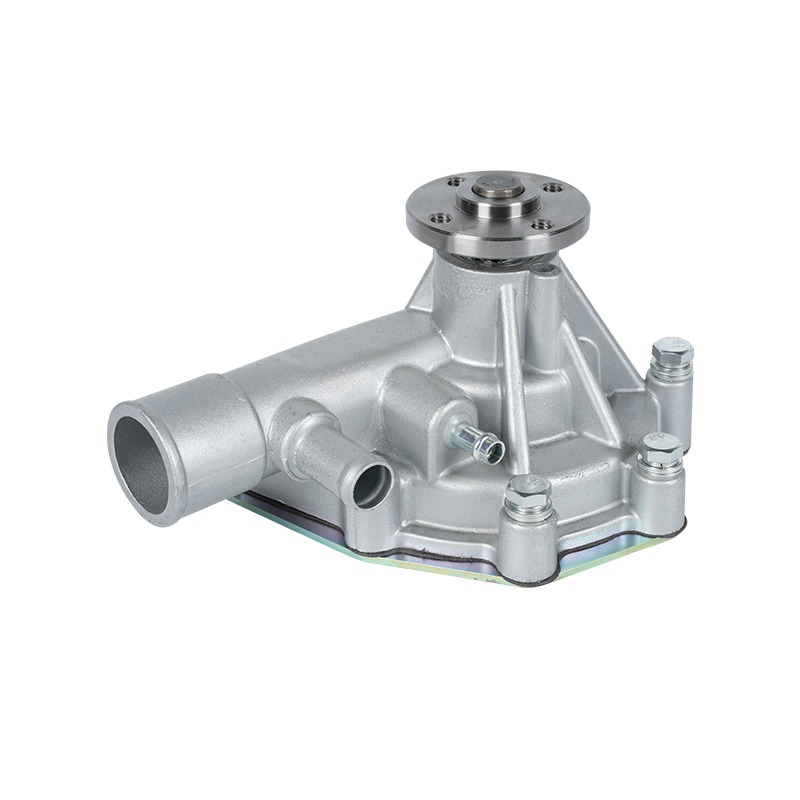
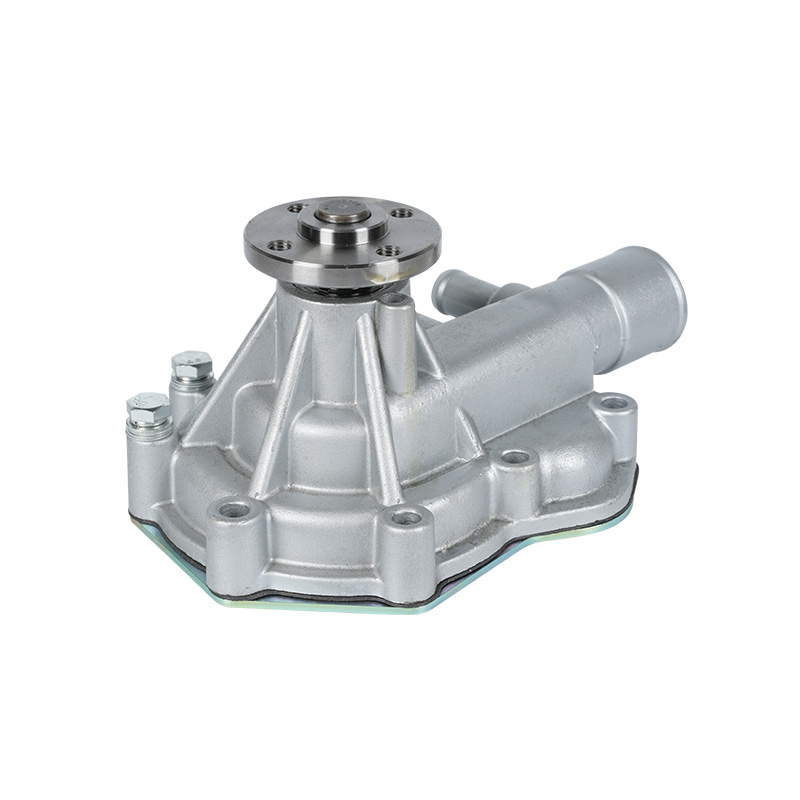
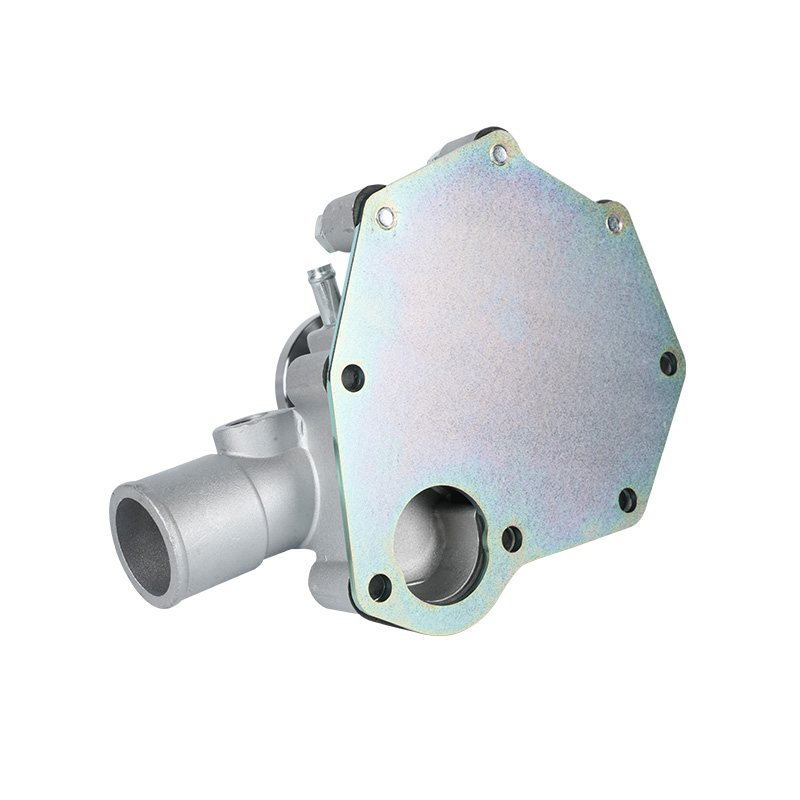
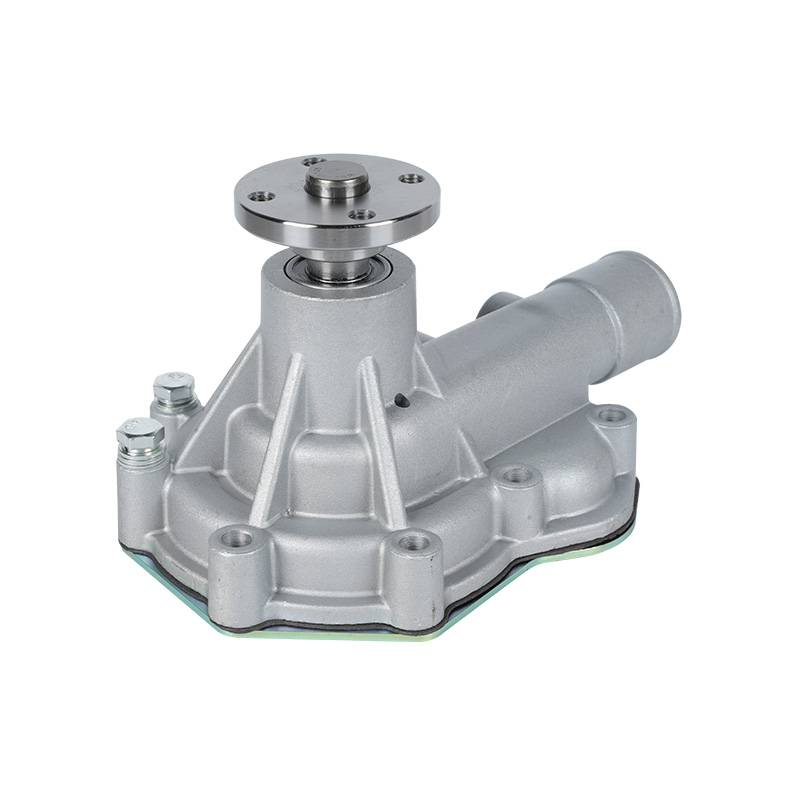
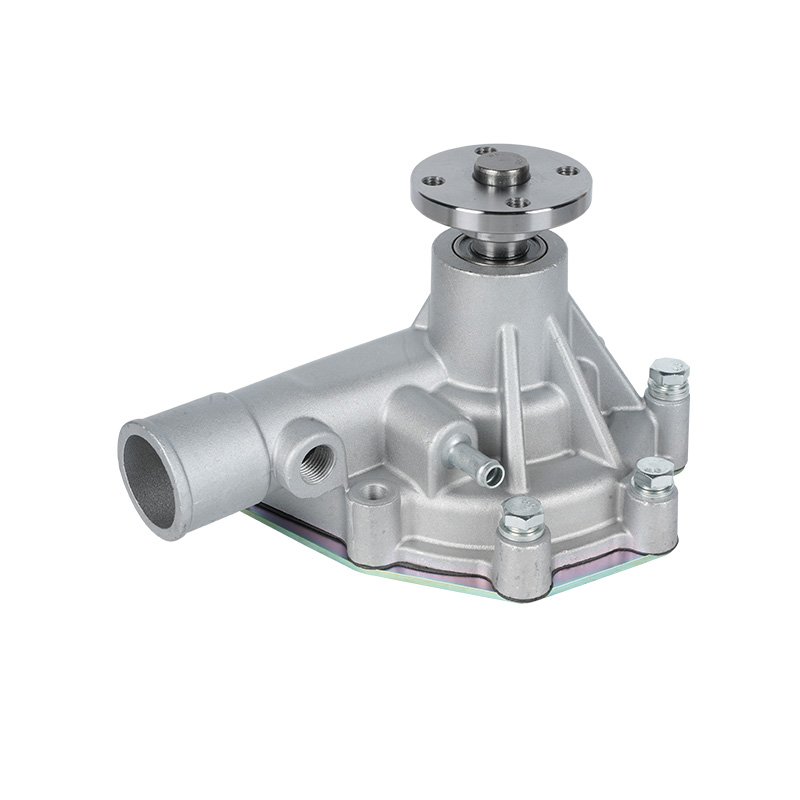
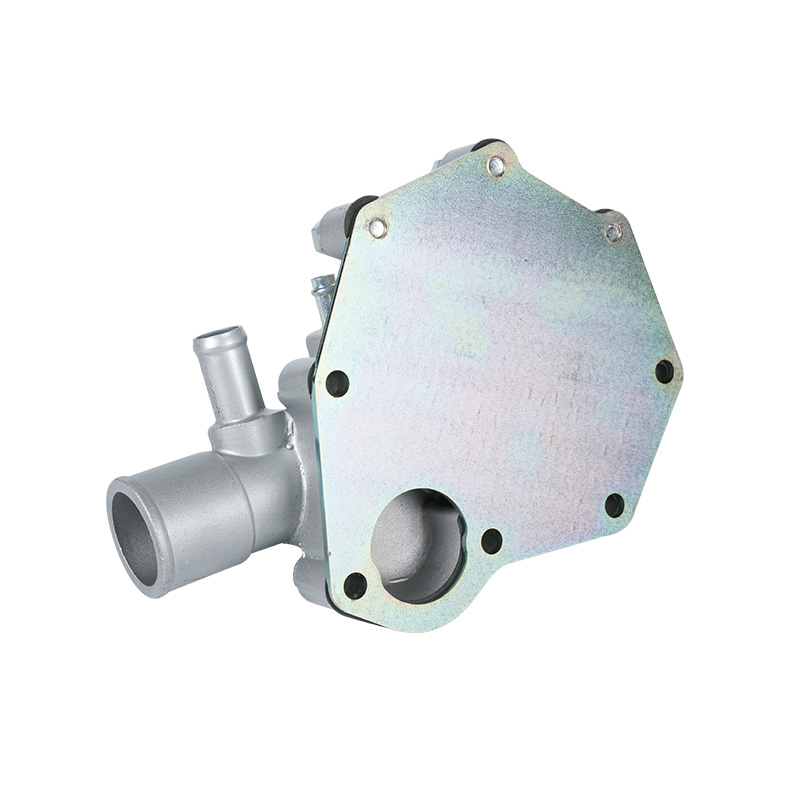
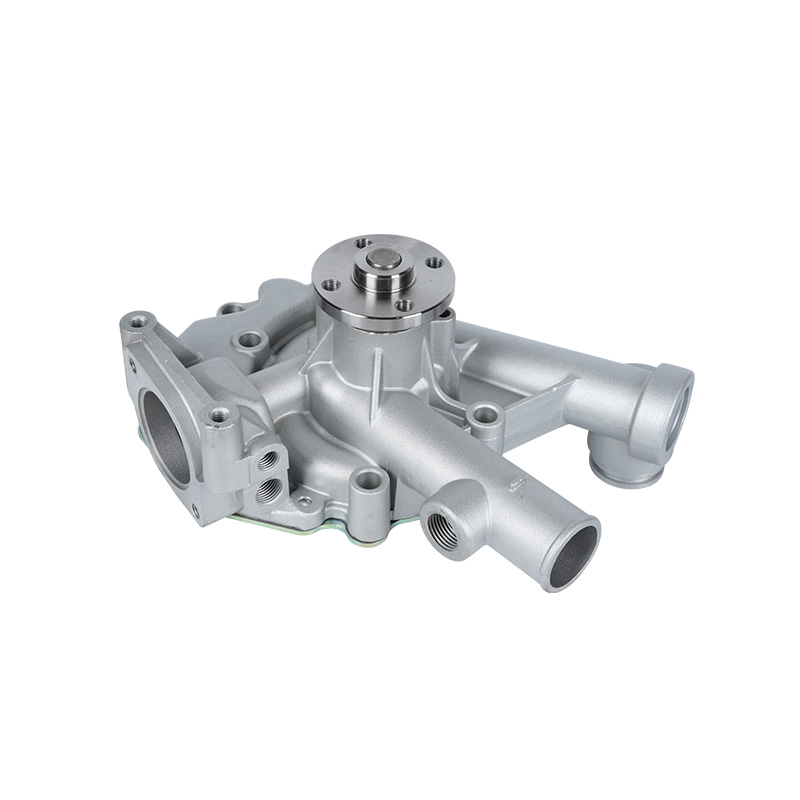
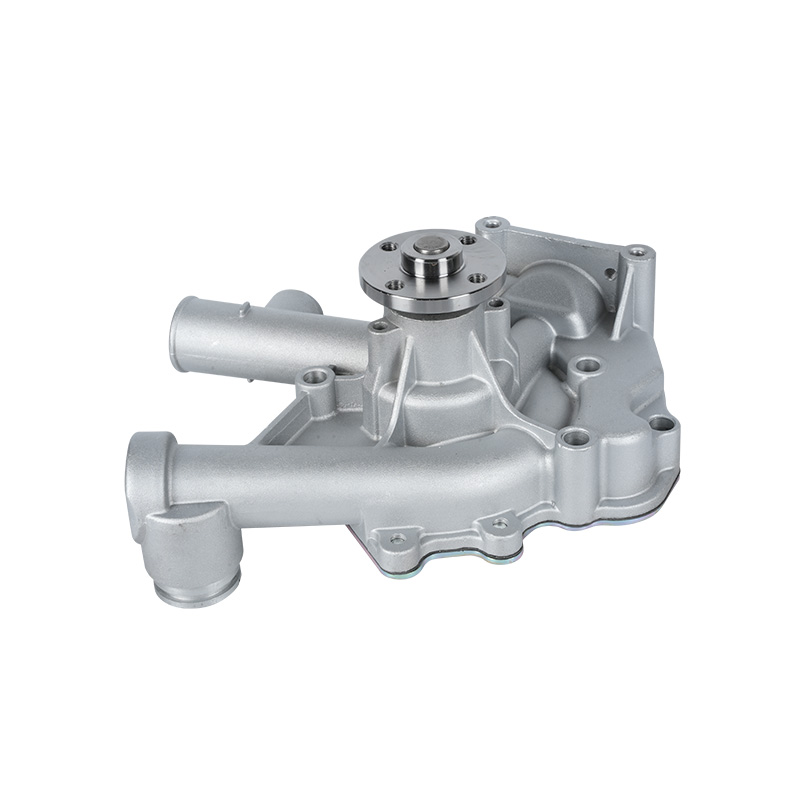
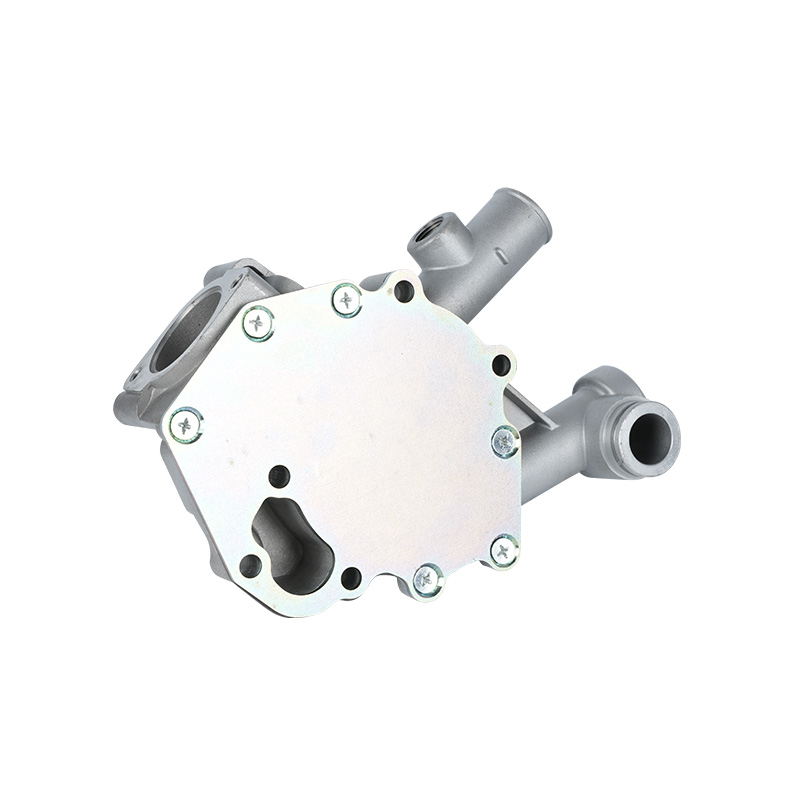
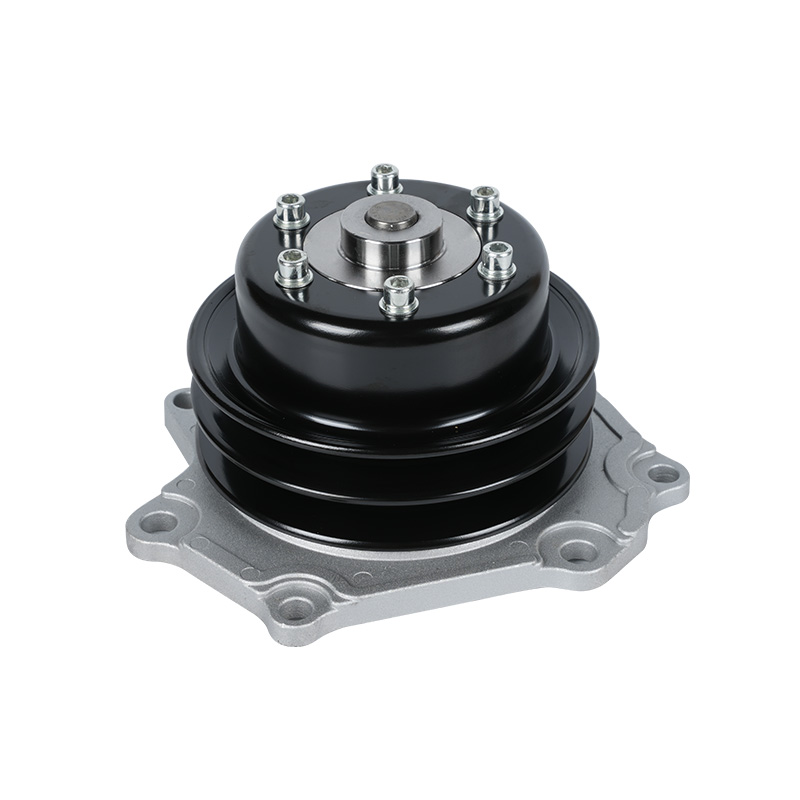
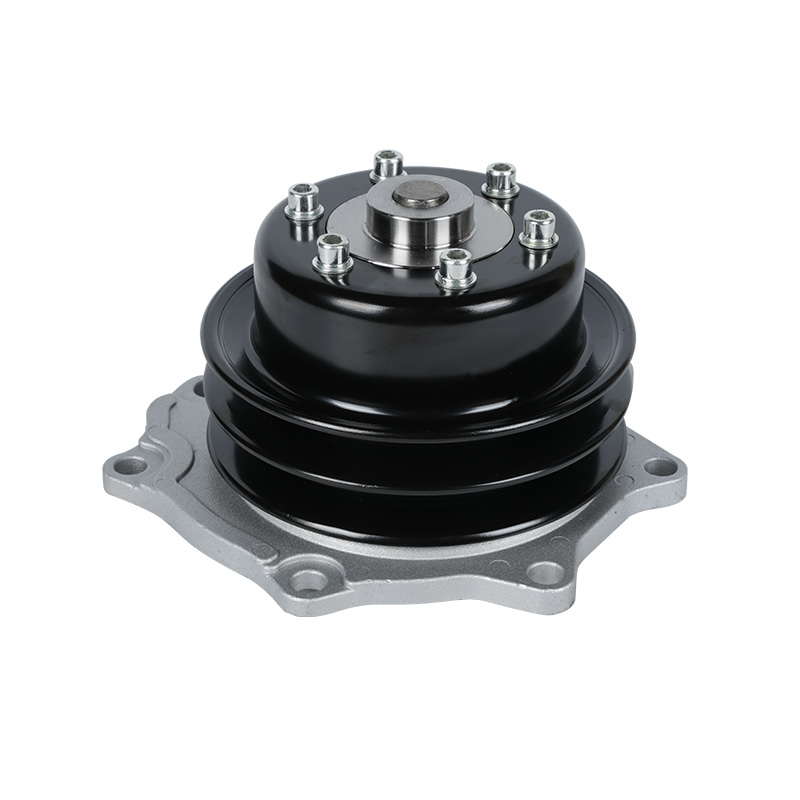
We proudly recommend the CZL-F-006 model from ZHEJIANG JINRUI PUMP INDUSTRY CO., LTD. designed for high efficiency and long-term reliability, this pump features advanced engineering and durable materials that ensure stable performance in demanding environments. The CZL-F-006 offers outstanding corrosion resistance, quiet operation, and low maintenance requirements. Ideal for clean water transfer and light industrial applications, it delivers consistent flow with energy-saving performance. Choose the CZL-F-006 for a dependable, cost-effective pumping solution built to last.
Previous Post
Forklift Pump Market Evolves with Technology
Next Post
Forklift Water Pump Ensures Engine Reliability

CONTACT US NOW

We sincerely welcome friends from all walks of life
to visit Zhejiang Jinrui Pump Industry Co., Ltd. to
visit, guide and business negotiations,
and jointly create a better future.
- KEEP IN TOUCH
- Phase I of Longshang Shoes Industrial Base, Tashi Street, Longquan City, Lishui City, Zhejiang, China.
- [email protected]
- +86-18957085800 / +86-15268785899
- MOBILE WEB
Copyright © 2024 Zhejiang Jinrui Pump Industry Co., Ltd. 
Electric Pump Factory
