


 English
 中文简体
中文简体Forklift Water Pump Makes Mobile Pumping Practical
Water transfer equipment is often associated with large stationary pumps, but some industrial applications require a more compact and mobile approach. A Forklift Water Pump is designed around this idea, combining water-pumping components with equipment that can be moved around a working area. This type of pump can support water transfer tasks in warehouses, industrial yards, construction areas, agricultural locations, and other places where mobility matters.
Understanding the Basic Pump Structure
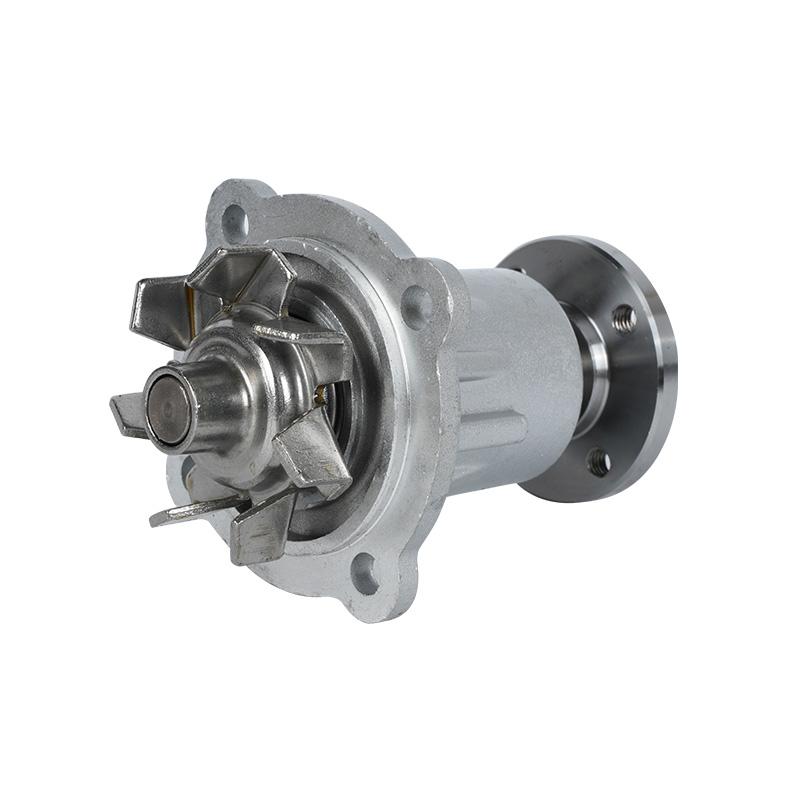
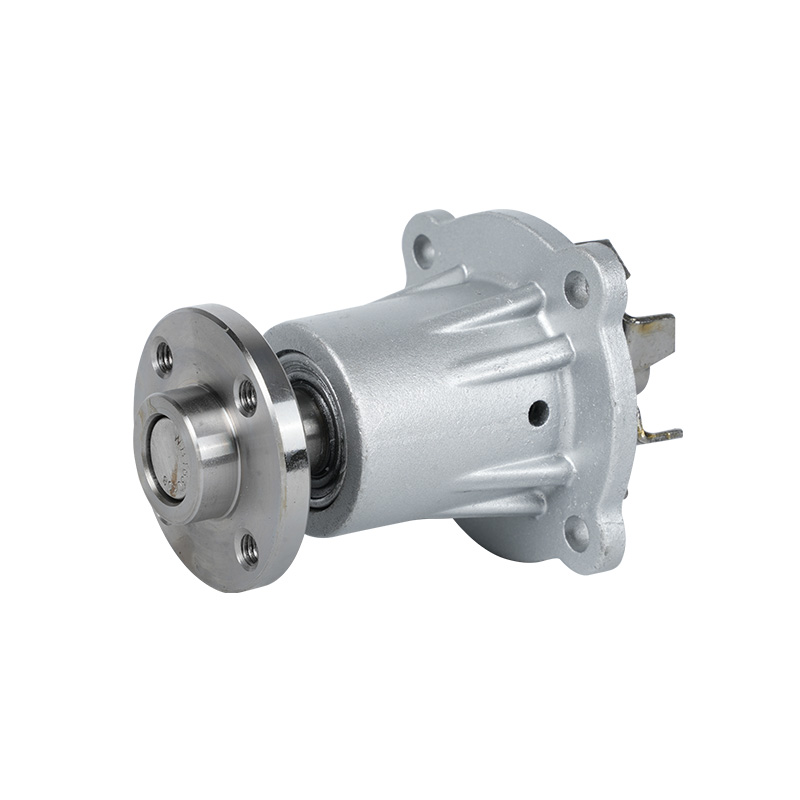
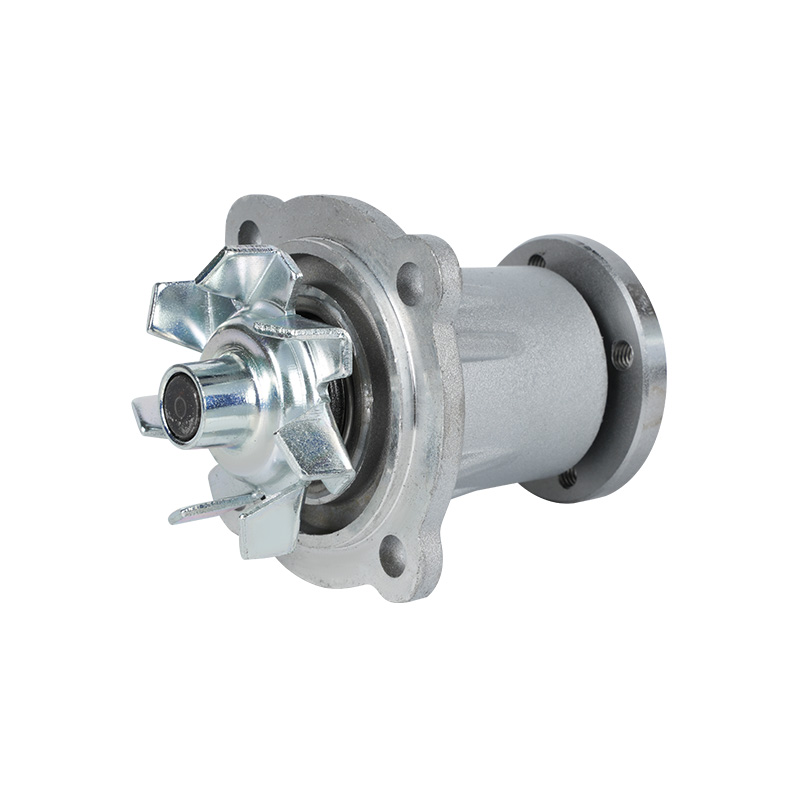
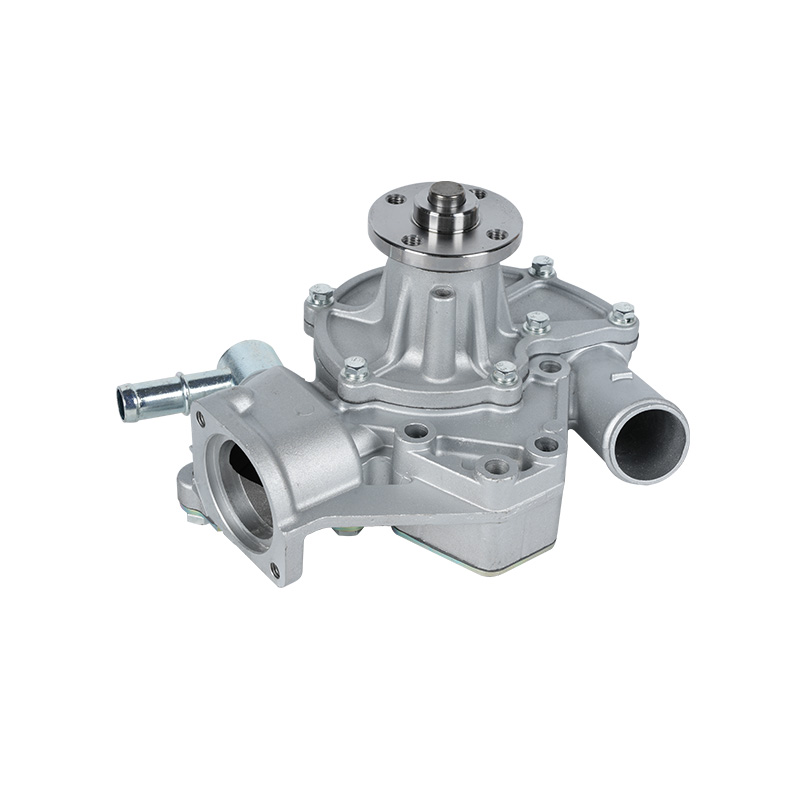
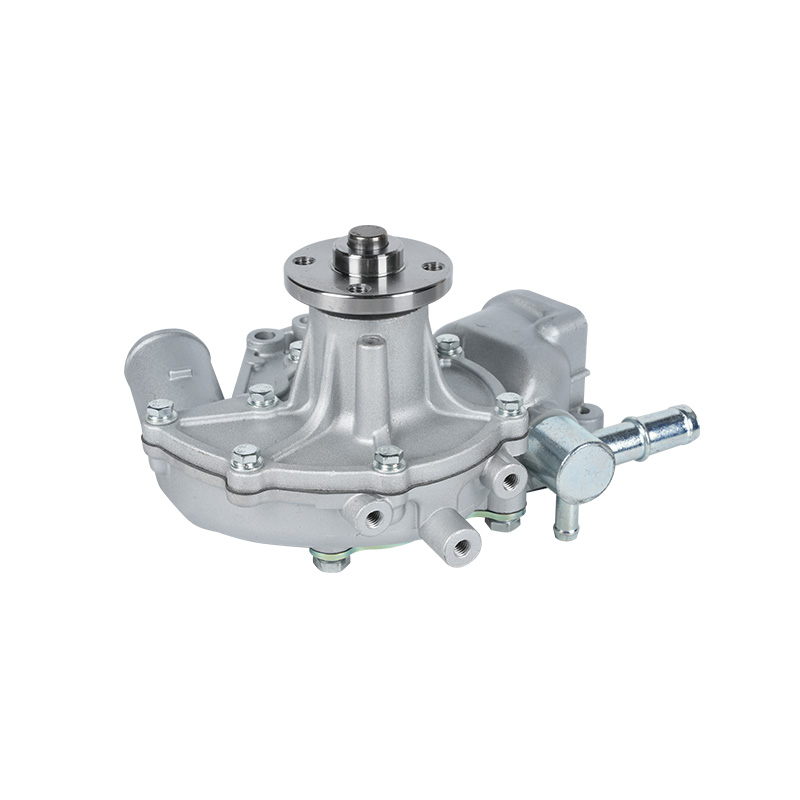
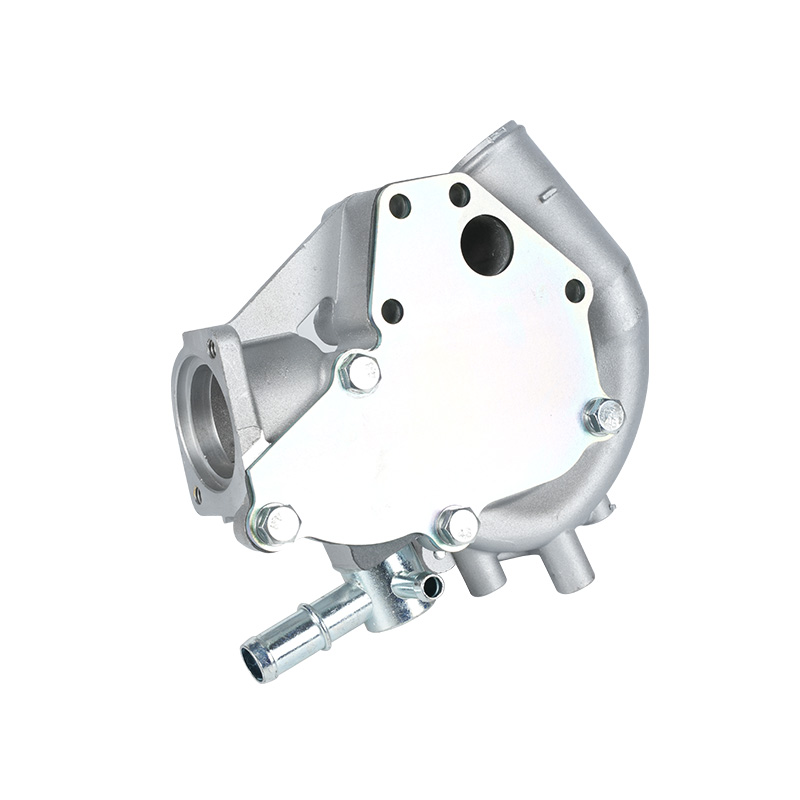
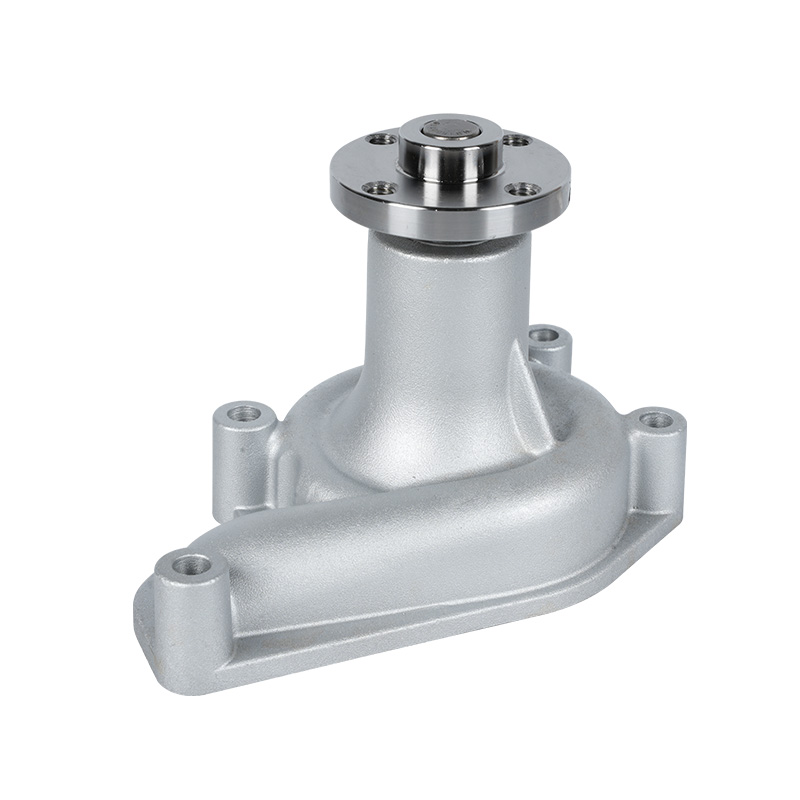
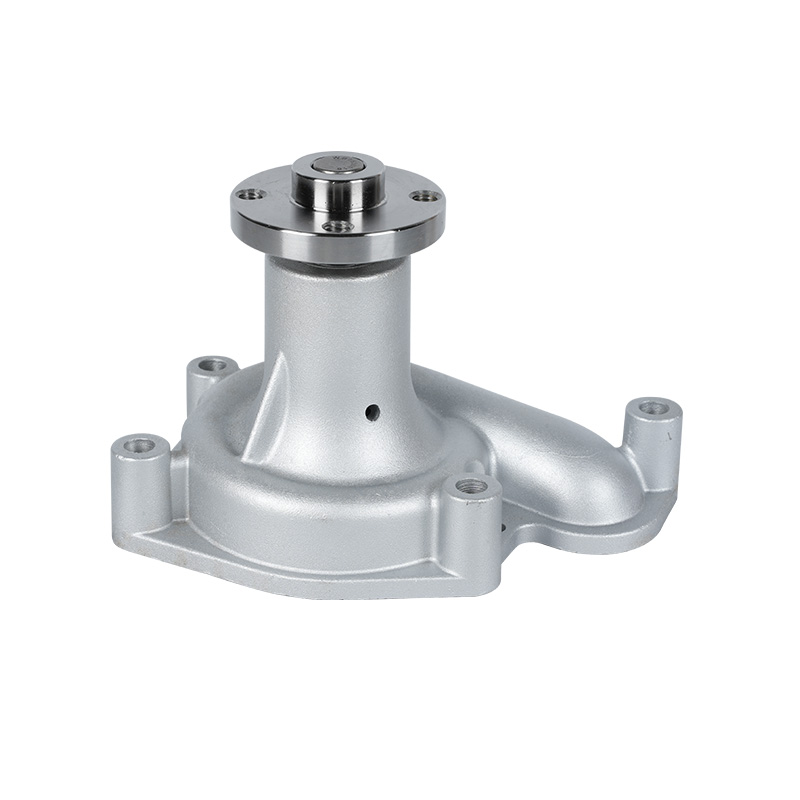
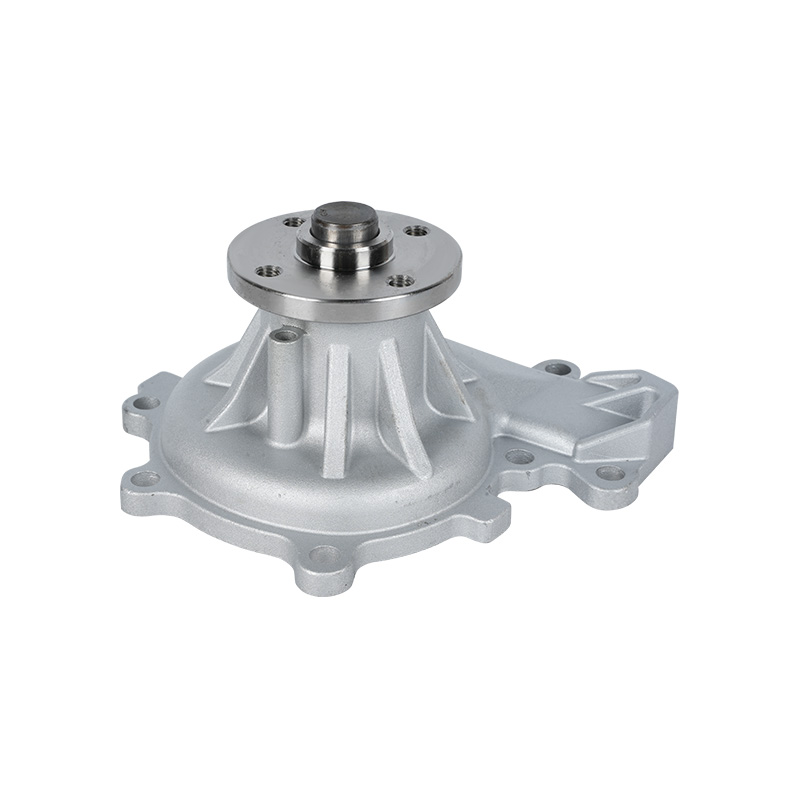
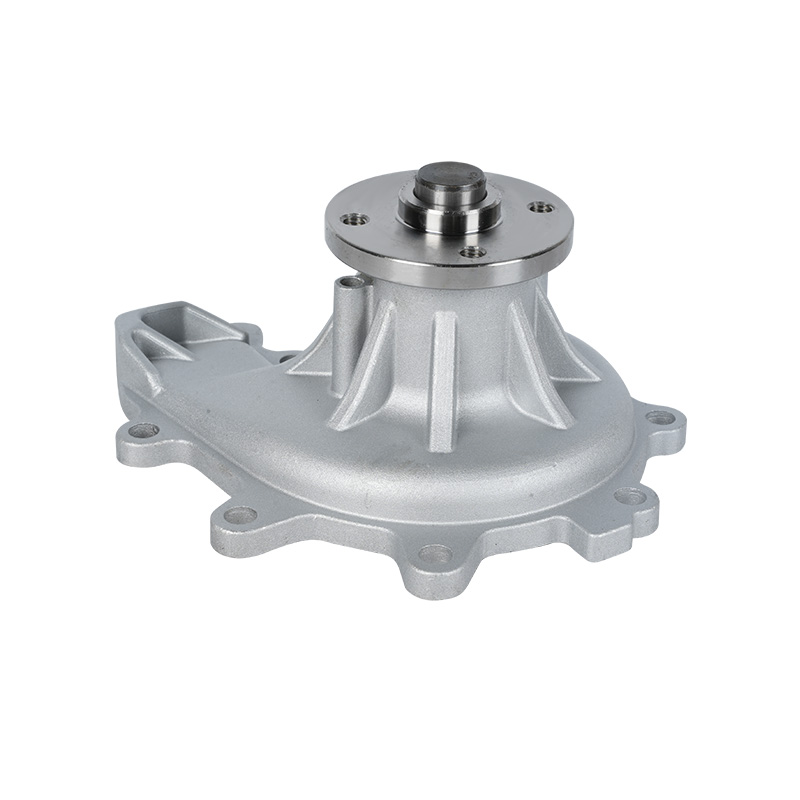
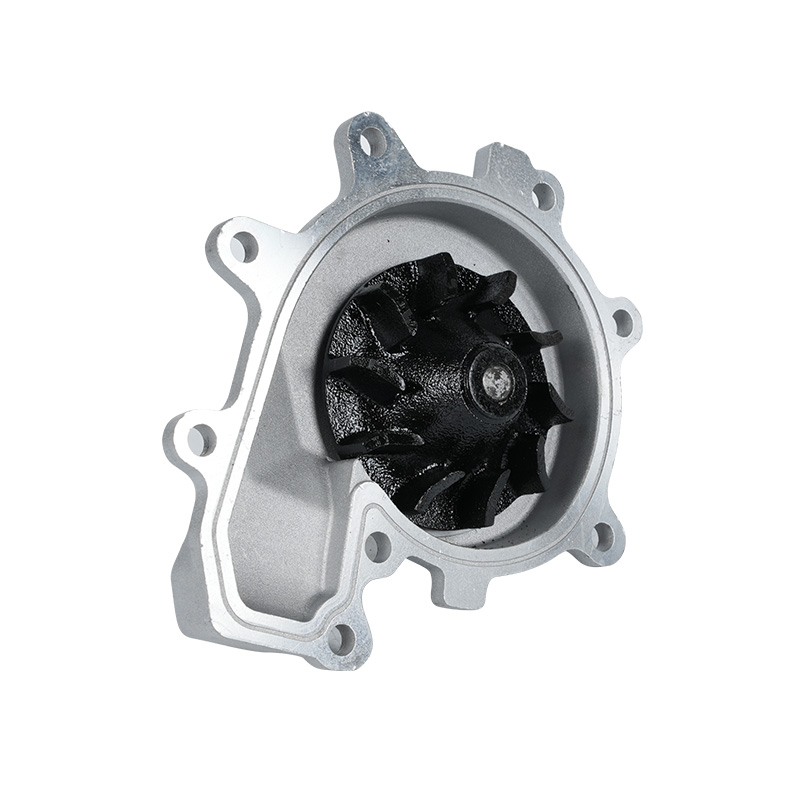
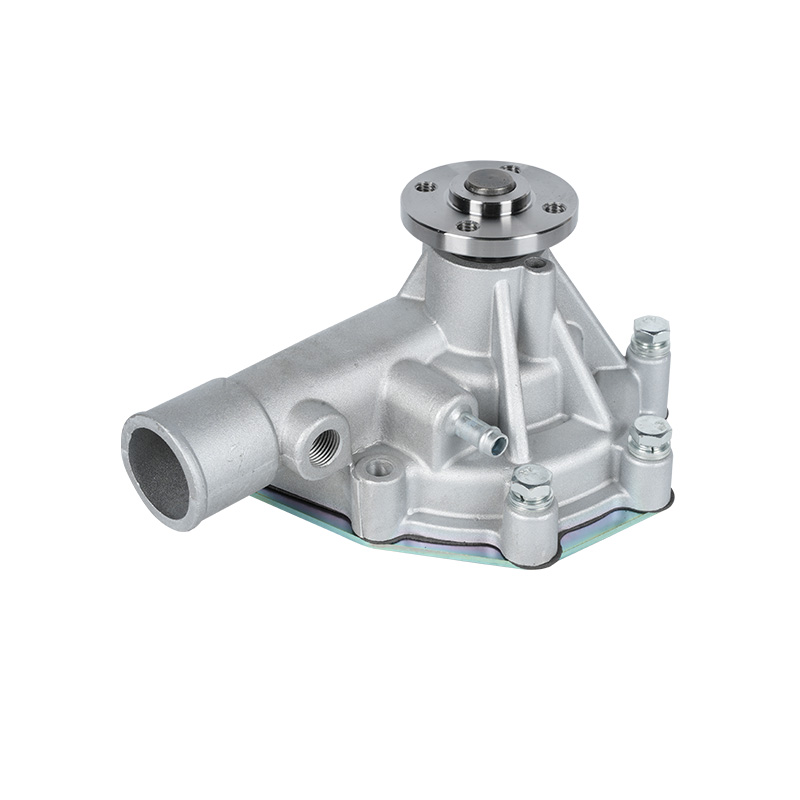
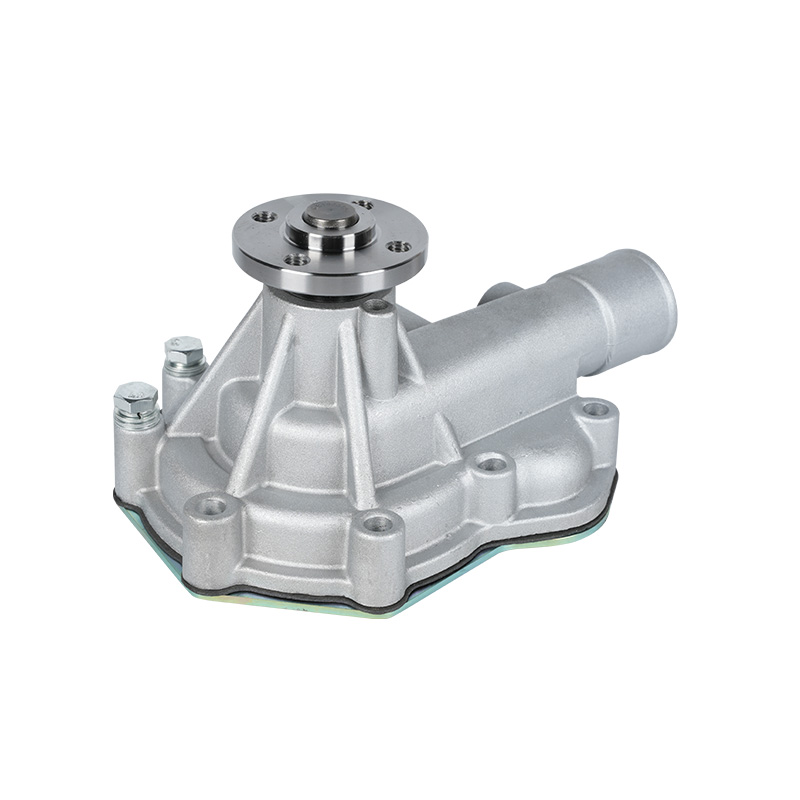
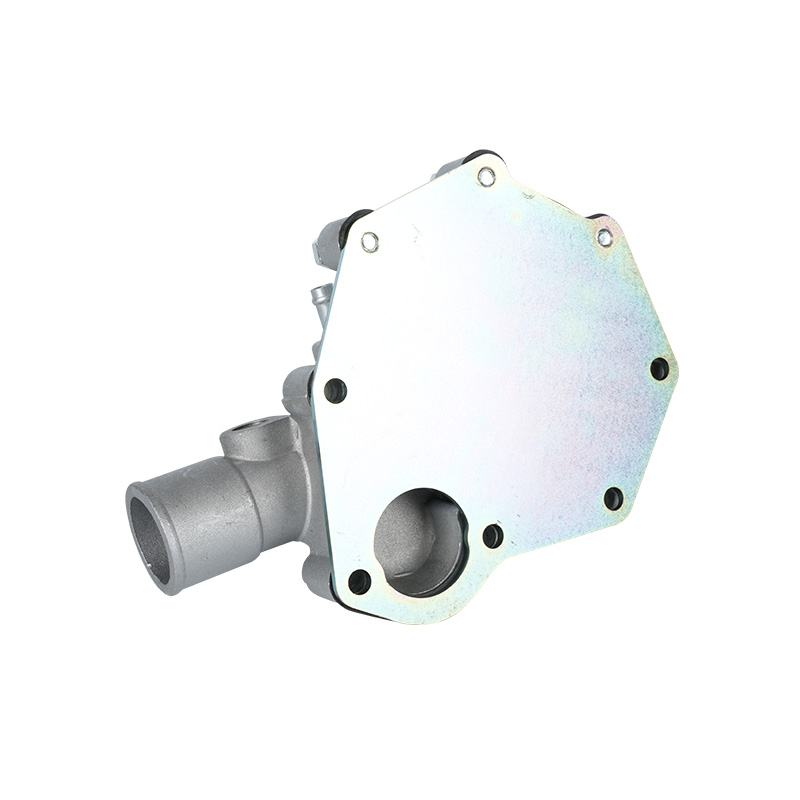
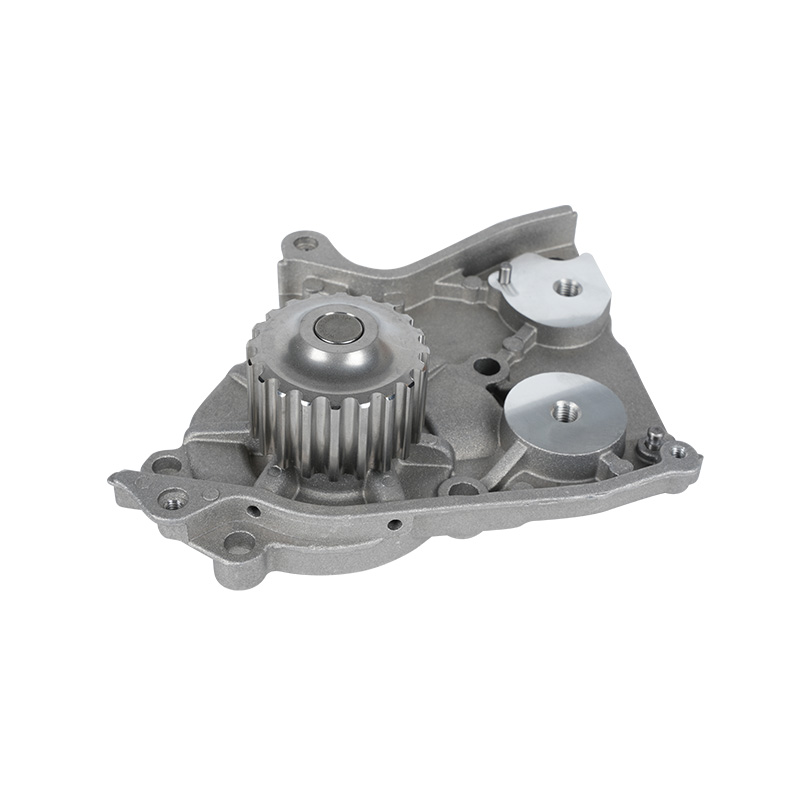
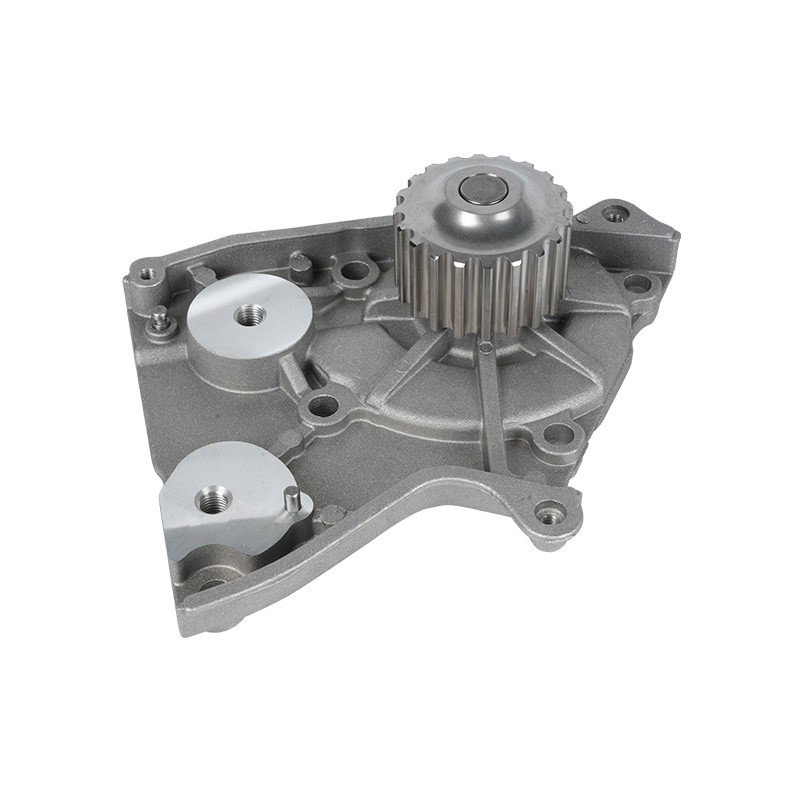
A Forklift Water Pump generally includes a pump body, impeller, drive system, inlet, outlet, and connection components. Each part contributes to moving water from one location to another.
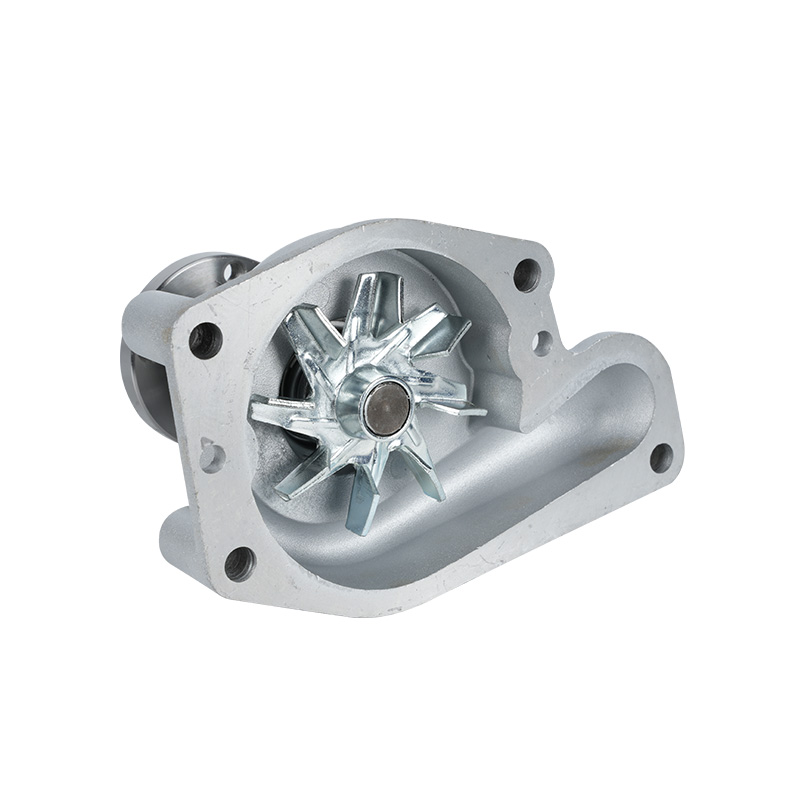
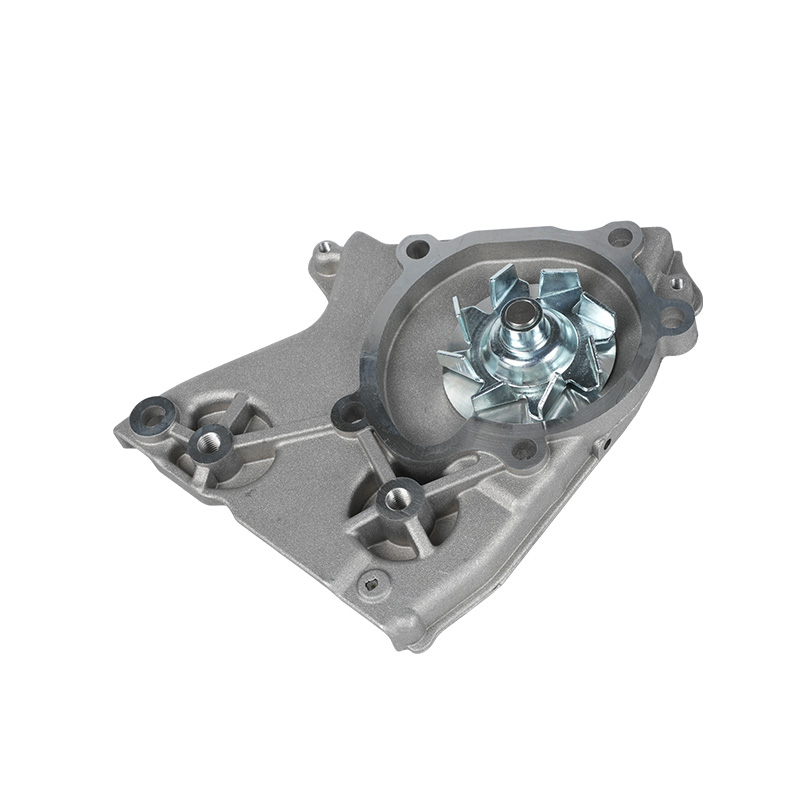
The impeller is one of the central components. As it rotates, it creates movement inside the pump chamber and helps push water toward the discharge side. The pump casing guides the water through the internal passage and directs it toward the outlet.
The actual configuration can vary according to the required flow rate, water source, installation position, and equipment arrangement.
Why Mobility Matters
Traditional pumping systems are often installed in fixed locations. That arrangement works well when water needs to move through the same pipeline repeatedly. However, some workplaces need water transfer at different points.
A mobile pumping arrangement can be positioned closer to the water source or working area. A forklift can provide a convenient way to move the equipment across a site, particularly when the pump is mounted on a suitable frame or platform.
This approach can reduce the need to create a permanent pump location for every temporary water-transfer task.
Pump Materials Affect Construction
Material selection has an important role in pump manufacturing. Cast iron, stainless steel, aluminum, and engineered materials can be used for different components depending on the pump design.
The pump casing needs sufficient structural strength to contain the moving water. The impeller requires a suitable balance between weight, shape, and material characteristics.
Seals and connection components also form part of the complete assembly. Their dimensions need to match the shaft, casing, and piping arrangement.
Forklift Integration Requires Careful Design
One interesting feature of a Forklift Water Pump is its connection to mobile handling equipment. The mounting structure needs to accommodate the pump's dimensions and weight while allowing practical positioning.
Some designs may use a frame that can be lifted by forklift forks. Others may integrate the pump into a specialized mobile platform.
The placement of the inlet and outlet also matters. Connections should be arranged so hoses can be attached without creating unnecessary bends or awkward routing.
A compact layout can make transportation easier, particularly in busy industrial areas where available space is limited.
Selecting a Suitable Pump Configuration
When buyers consider a Forklift Water Pump, several technical details deserve attention. Flow rate, pressure, pump size, inlet diameter, outlet diameter, drive method, mounting structure, and water type can all influence the selection.
The forklift compatibility of the mounting frame is also important. Dimensions and lifting points need to correspond with the handling equipment used at the site.
A clear understanding of the application can help manufacturers provide a more suitable configuration. Instead of focusing on the pump alone, buyers can evaluate the complete combination of pump, frame, connections, and mobile handling arrangement.
The Forklift Water Pump concept shows how pumping equipment can be adapted for mobile industrial work. Its combination of water-transfer technology and forklift-based movement gives users another practical option for handling temporary or changing pumping tasks.
Previous Post
Forklift Pump Design Supports Hydraulic Lifting
Next Post
Engine Water Pump Function Explained Simply

CONTACT US NOW

We sincerely welcome friends from all walks of life
to visit Zhejiang Jinrui Pump Industry Co., Ltd. to
visit, guide and business negotiations,
and jointly create a better future.
- KEEP IN TOUCH
- Phase I of Longshang Shoes Industrial Base, Tashi Street, Longquan City, Lishui City, Zhejiang, China.
- [email protected]
- +86-18957085800 / +86-15268785899
- MOBILE WEB
Copyright © 2024 Zhejiang Jinrui Pump Industry Co., Ltd. 
Electric Pump Factory
