


 English
 中文简体
中文简体Engine Water Pump Function Explained Simply
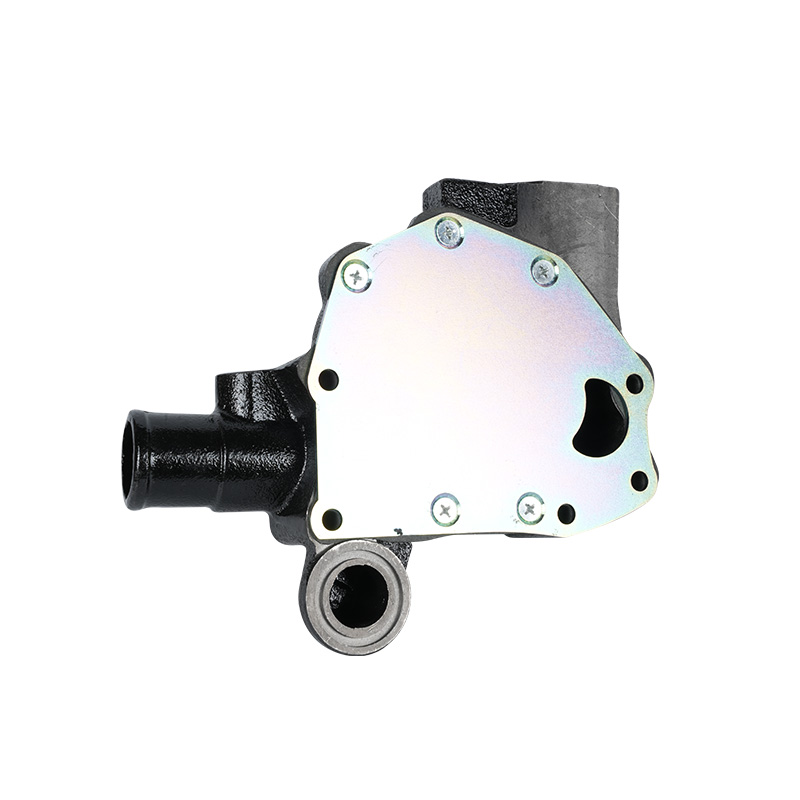
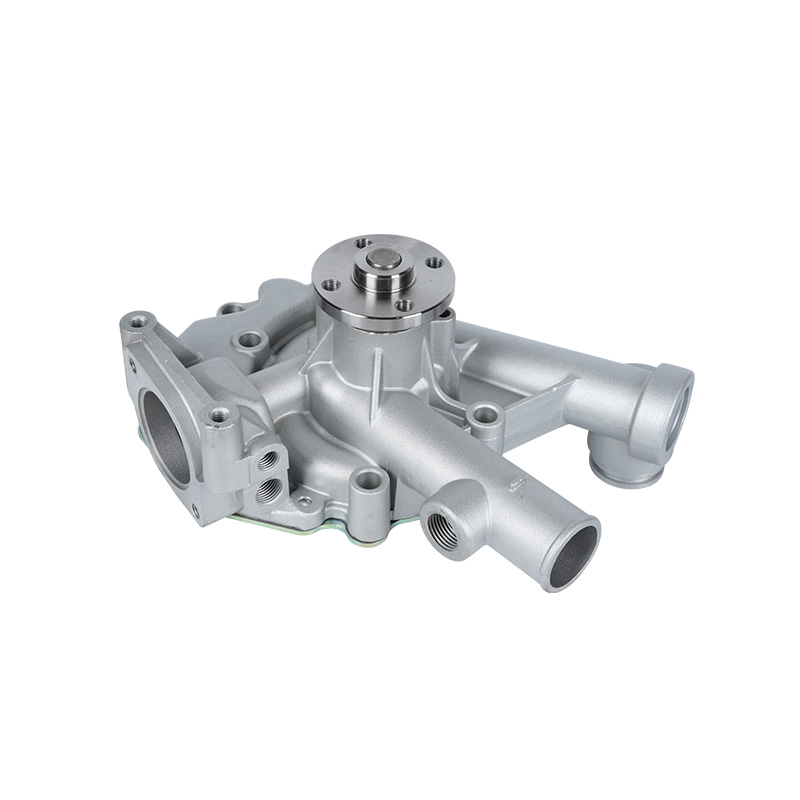
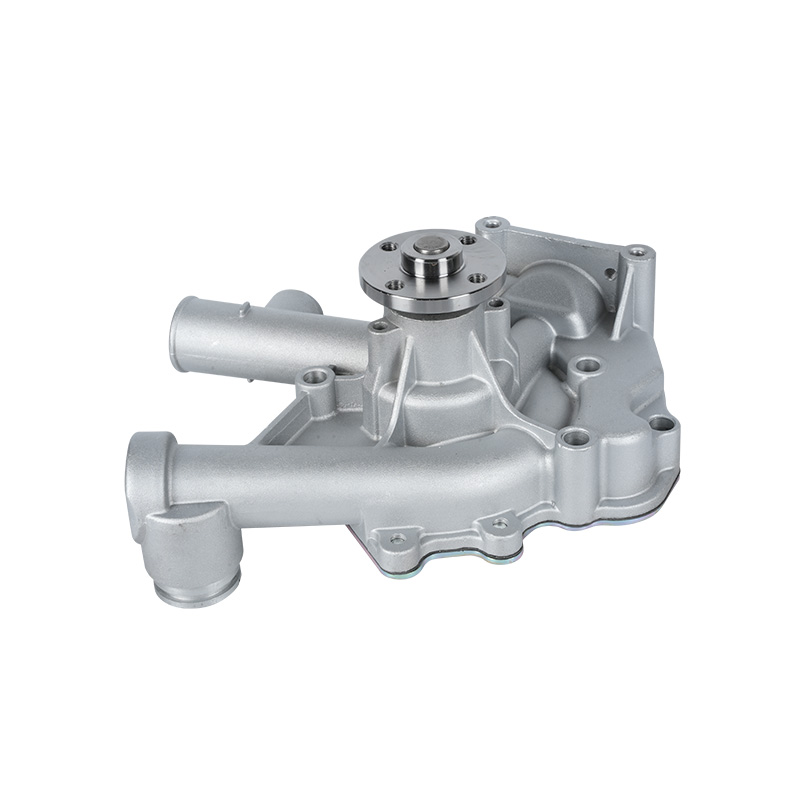
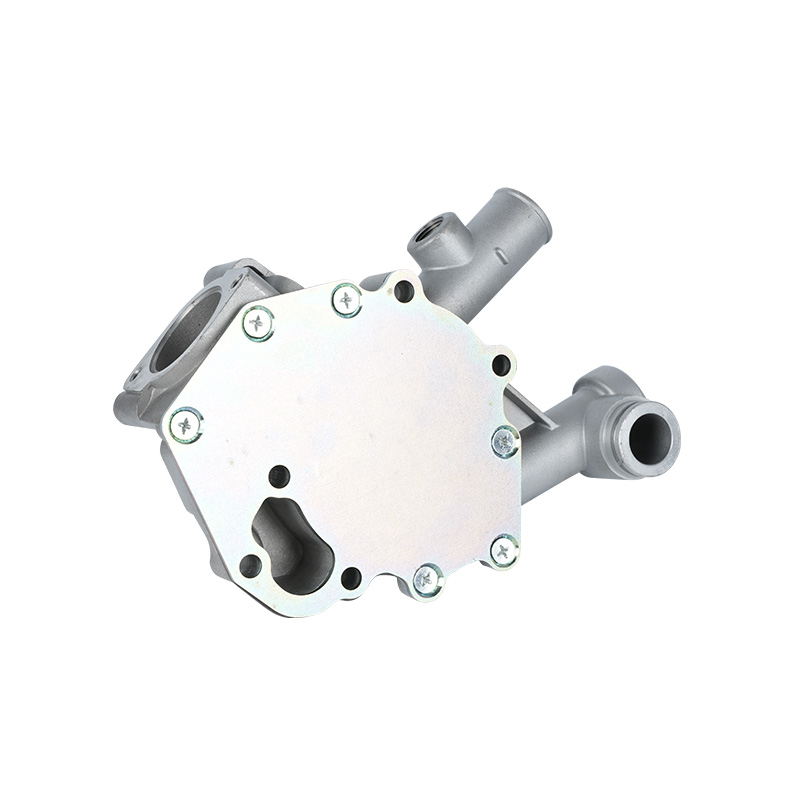
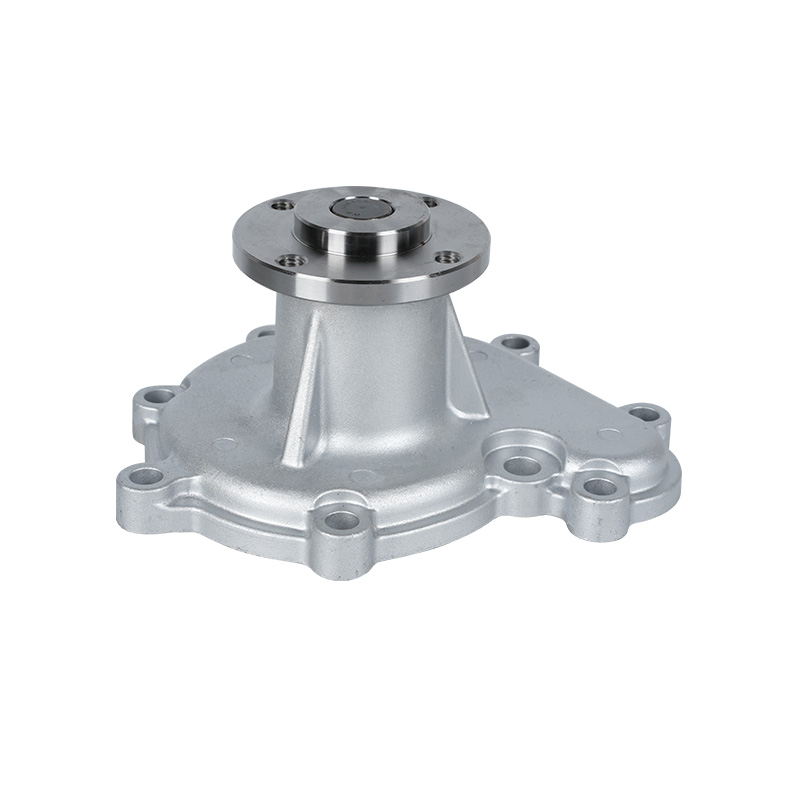
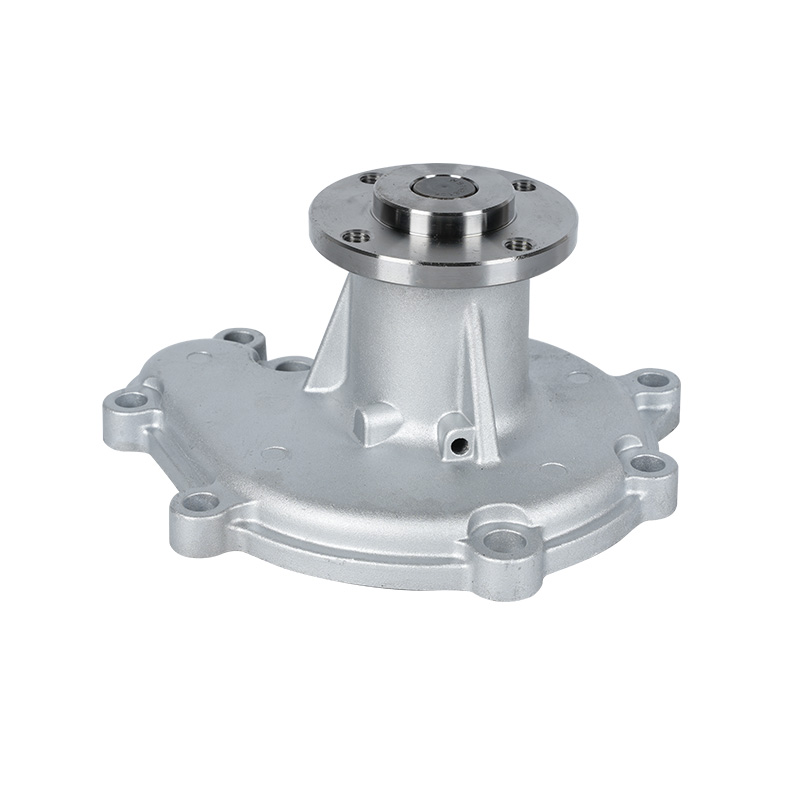
An engine generates heat constantly while running, and without something actively moving coolant through the block and radiator, that heat would build past what metal components can tolerate. That job falls to the engine water pump, a component that circulates coolant continuously through the engine's cooling passages, keeping temperature within a range the engine can actually operate under.
How Circulation Actually Happens
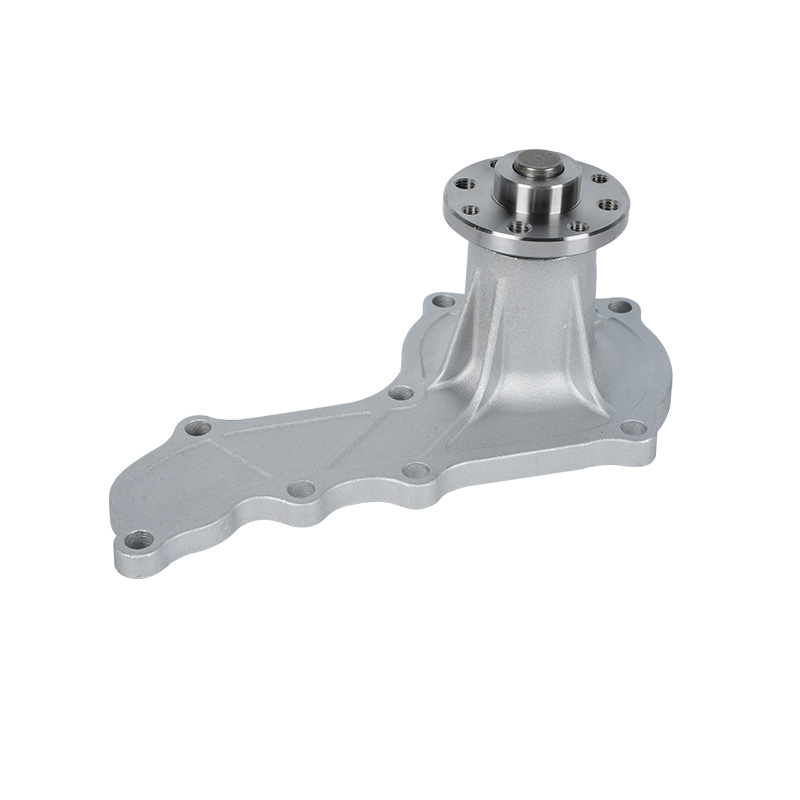
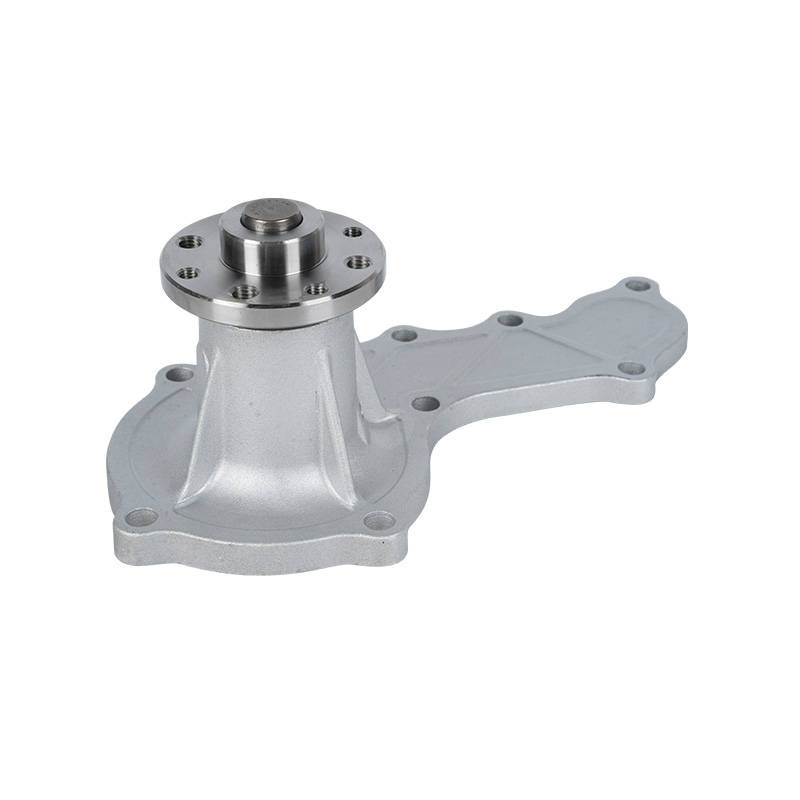
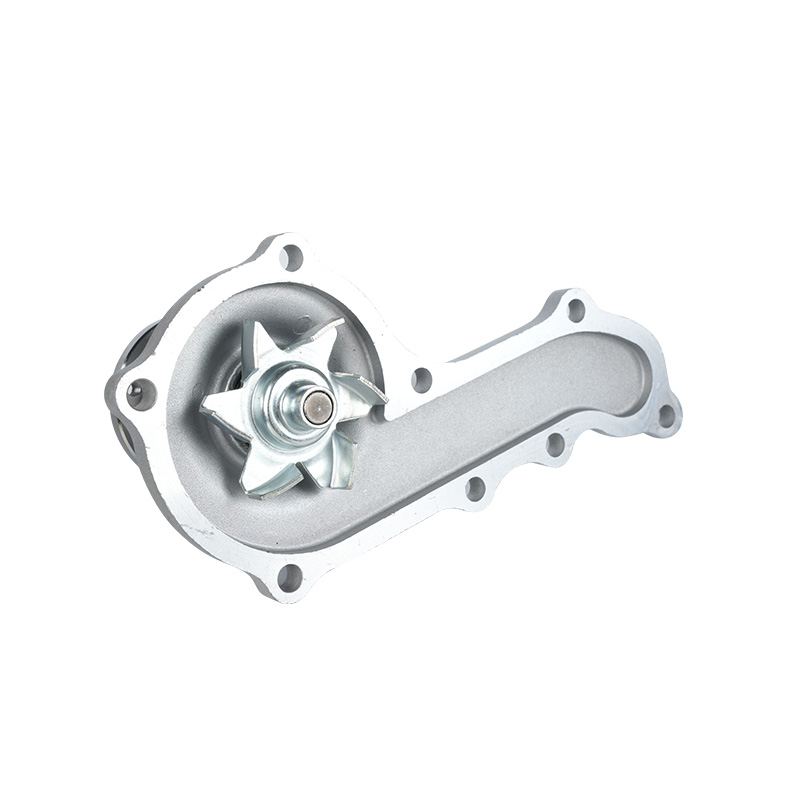
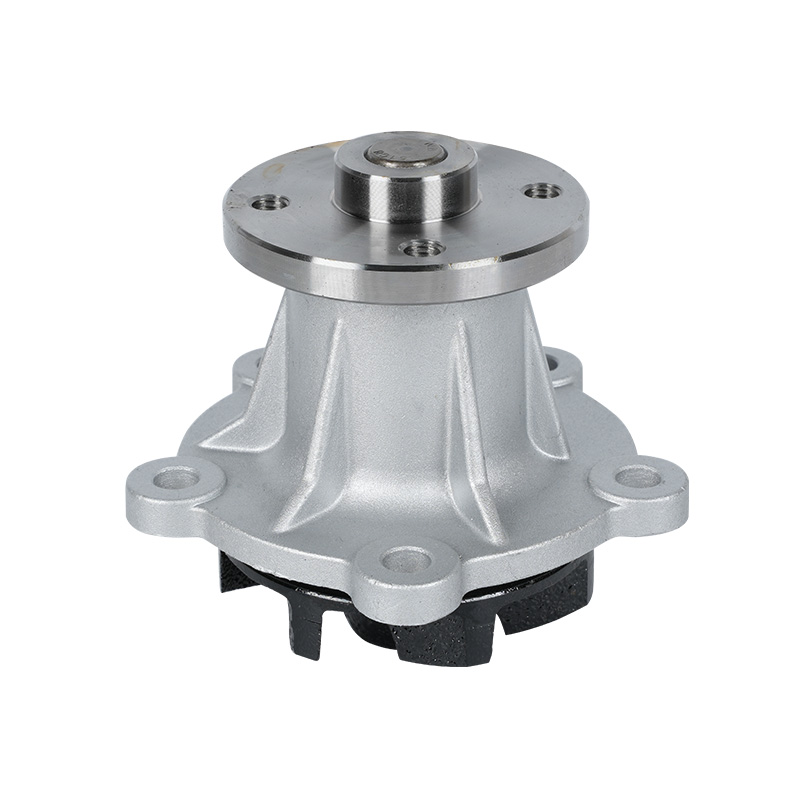
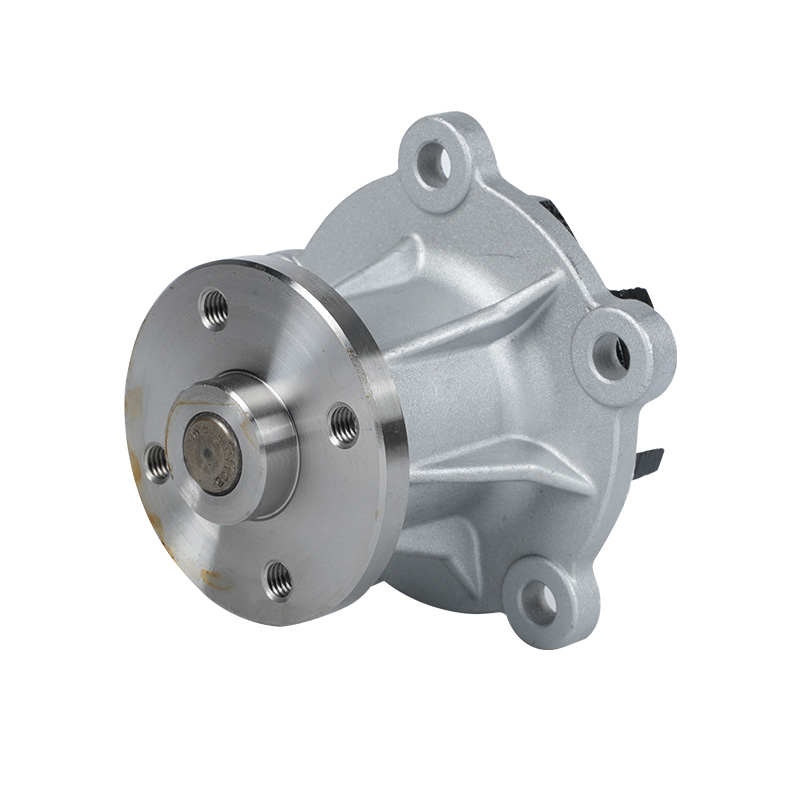
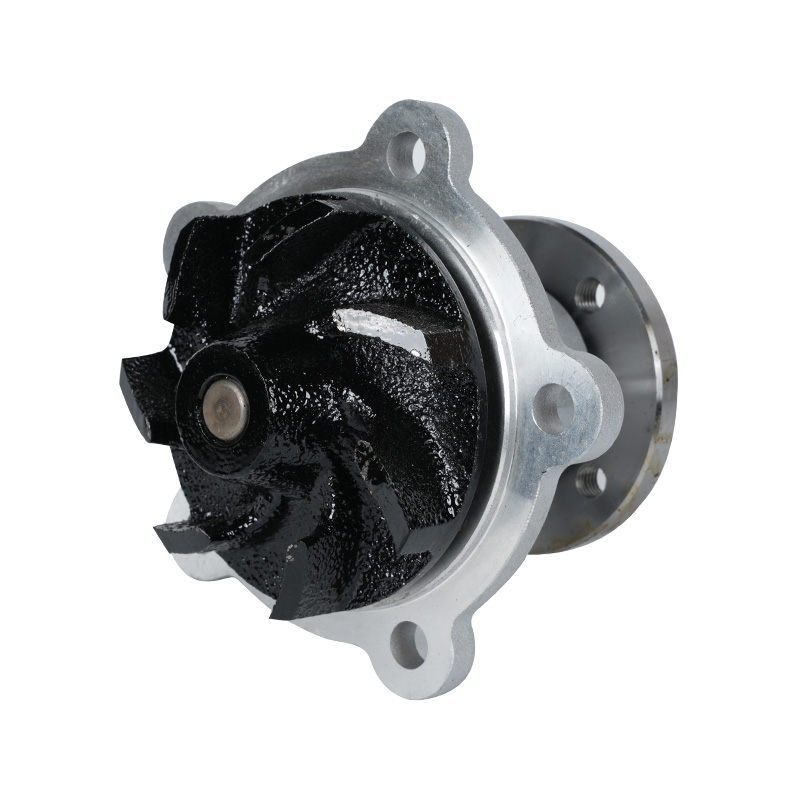
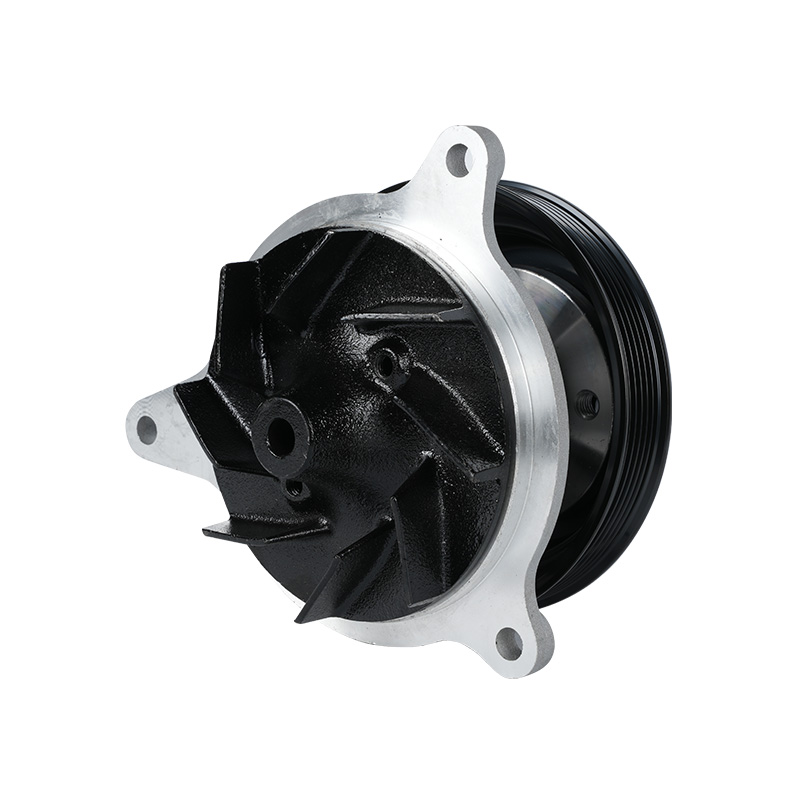
Most engine water pumps use a centrifugal design, built around an impeller — a wheel with curved vanes — spinning inside a housing connected to the engine's cooling passages. As the impeller rotates, it draws coolant in near its center and flings it outward toward the housing walls through centrifugal force, pushing that coolant into the engine block and cylinder head, then on to the radiator, where heat transfers out of the fluid before it cycles back to the pump inlet.
This is a continuous loop rather than a start-stop process. As long as the engine runs and the pump turns, coolant keeps moving, carrying heat away from the block and cylinder head at a rate matched to how fast the impeller spins, which in traditional mechanical pumps ties directly to engine RPM.
Mechanical Versus Electric Pump Designs
Not every engine water pump gets its rotation from the same source. Two general categories dominate current engine designs:
- Mechanically driven pumps, connected to the engine through a belt, chain, or gear system, so pump speed rises and falls directly with engine RPM
- Electrically driven pumps, powered by the vehicle's electrical system and controlled independently of engine speed, allowing coolant flow to be adjusted based on actual cooling need rather than just how fast the engine happens to be turning
Mechanical pumps have a long history in engine design and remain common because the direct drive connection is straightforward and doesn't add electrical load to the vehicle's system. Electric pumps offer more flexibility, since coolant flow can continue or adjust independently of engine speed, which matters in situations like idling after hard driving, when cooling demand doesn't necessarily line up with how fast the engine is currently turning.
Materials and Construction Choices
Water pump housings and impellers get built from a handful of common materials, each suited to different engine platforms and cost considerations:
| Material | Typical Use | Notable Trait |
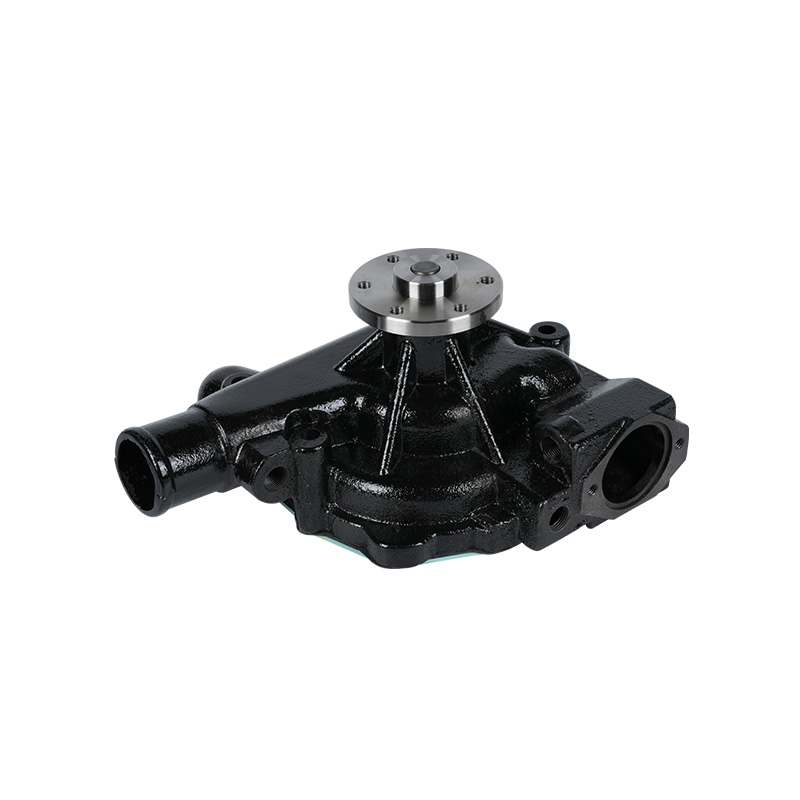
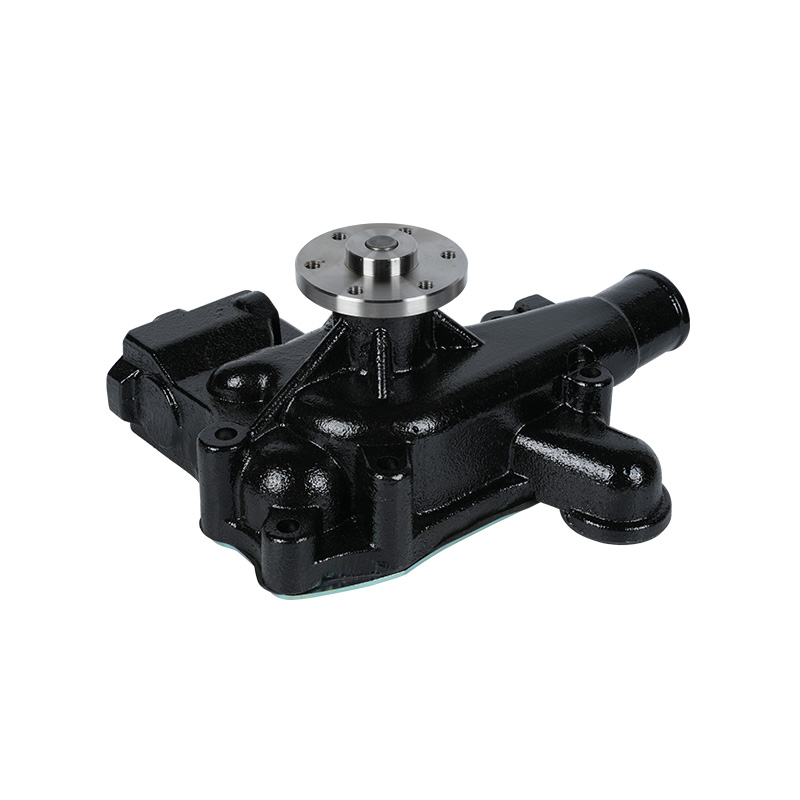
| Cast iron | Older or heavy-duty engines | Strong, resistant to wear |
| Aluminum | Modern passenger vehicle engines | Lighter weight, good heat transfer |
| Composite/plastic impellers | Various modern applications | Reduced weight, corrosion resistant |
Impeller design itself varies too — vane count, curvature, and diameter all affect how efficiently the pump moves coolant at a given rotation speed. A pump matched poorly to an engine's cooling requirements, whether through impeller design or overall flow capacity, can leave certain areas of the engine running hotter than others even while the pump itself is functioning.
Sealing and the Bearing Assembly
Because the pump shaft passes from the dry side of the housing into the wet coolant side, sealing that transition point is one of the more demanding aspects of the design. A shaft seal keeps coolant from working its way along the shaft into the bearing area, where contamination would compromise the bearing's ability to support smooth rotation. Bearings themselves need to tolerate a combination of radial load from belt tension (in mechanically driven pumps) and continuous rotation over extended engine run time, all while sitting close to a heat source.
This combination of sealing and bearing support is part of why water pump design gets treated as its own engineering discipline within engine development rather than a simple off-the-shelf part, since the engine water pump has to function reliably at the intersection of moving parts, heat, and fluid — three conditions that don't always coexist easily in a single small component.
Previous Post
Forklift Water Pump Makes Mobile Pumping Practical
Next Post
Agricultural Water Pump Design Meets Field Demands


CONTACT US NOW

We sincerely welcome friends from all walks of life
to visit Zhejiang Jinrui Pump Industry Co., Ltd. to
visit, guide and business negotiations,
and jointly create a better future.
- KEEP IN TOUCH
- Phase I of Longshang Shoes Industrial Base, Tashi Street, Longquan City, Lishui City, Zhejiang, China.
- [email protected]
- +86-18957085800 / +86-15268785899
- MOBILE WEB
Copyright © 2024 Zhejiang Jinrui Pump Industry Co., Ltd. 
Electric Pump Factory
