


 English
 中文简体
中文简体Forklift Pump Inside and Ahead
The Forklift Pump serves as the hydraulic heart of material handling equipment, converting mechanical energy into fluid power that lifts loads weighing several tons. In 2025, the global forklift pump market was valued at approximately $2.8 billion, with over 1.5 million new pumps installed across warehouses, factories, and shipping centers worldwide. A typical Forklift Pump operates at pressures between 2,000 and 3,500 pounds per square inch, delivering hydraulic fluid at flow rates of 5 to 25 gallons per minute depending on the lift capacity. Without a functioning Forklift Pump, a forklift cannot raise its forks, tilt its mast, or perform any lifting operation, rendering the machine useless for material handling. These pumps endure thousands of operating hours under high stress, with quality units lasting 8,000 to 12,000 hours before requiring major service. Data from equipment rental companies shows that pump-related issues account for nearly 30 percent of all forklift service calls, highlighting the component's central role in lift truck reliability.
What are the key components and main features of a Forklift Pump?
The Forklift Pump consists of several precision components working together to generate hydraulic pressure. The gear set, typically made of hardened steel with tolerances within 0.0005 inches, forms the pumping mechanism in units. Two intermeshing gears rotate inside a tight housing, trapping fluid between gear teeth and the housing wall, then forcing it toward the outlet. The drive shaft connects the pump to the forklift's internal combustion engine or electric motor, spinning at speeds of 1,500 to 3,000 revolutions per minute. Seals and O-rings, usually made of nitrile rubber or Viton, prevent fluid leakage at connection points, with leakage rates below 0.1 milliliters per hour in new units.
What are the common application scenarios for a Forklift Pump?
Warehouse and distribution center operations account for approximately 55 percent of Forklift Pump usage, with units powering counterbalance forklifts that lift pallets to heights of 15 to 30 feet. In these settings, a Forklift Pump may cycle from idle to full pressure 40 to 60 times per hour during an eight-hour shift, accumulating 300 to 500 pressure cycles daily. Manufacturing facilities use Forklift Pump units on rough terrain forklifts that handle loads up to 15,000 pounds across uneven surfaces, requiring pumps with larger reservoirs and enhanced cooling.
What are the development trends shaping the future of the Forklift Pump?
By 2028, industry analysts predict that 35 percent of new Forklift Pump units will feature integrated variable frequency drive technology, allowing pump speed to match real-time lifting demand. This advancement can reduce energy consumption by 20 to 30 percent while lowering hydraulic oil temperatures by 10°C to 15°C.
The Forklift Pump remains an essential component in global supply chains, lifting everything from groceries to construction materials. Without reliable pump performance, warehouse productivity would drop by an estimated 25 percent, based on time-motion studies of pump failure events. From cold storage facilities to outdoor lumber yards, these hydraulic units operate in demanding conditions day after day. As variable speed controls, smart monitoring, and lightweight materials become standard, the Forklift Pump will deliver greater efficiency and longer service life. And that is why the Forklift Pump continues to be the critical fluid power component in material handling equipment worldwide.
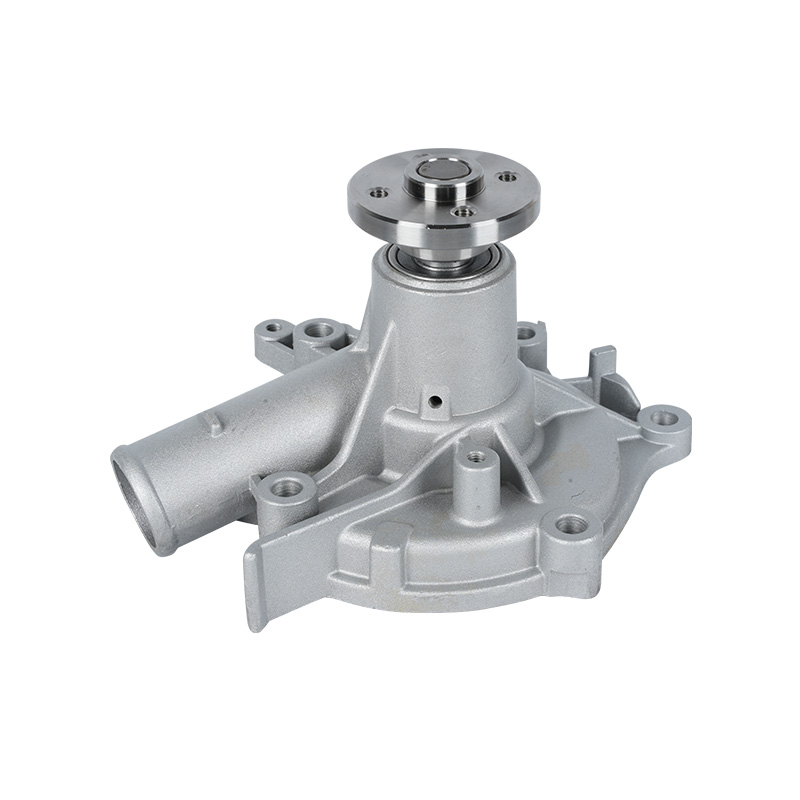
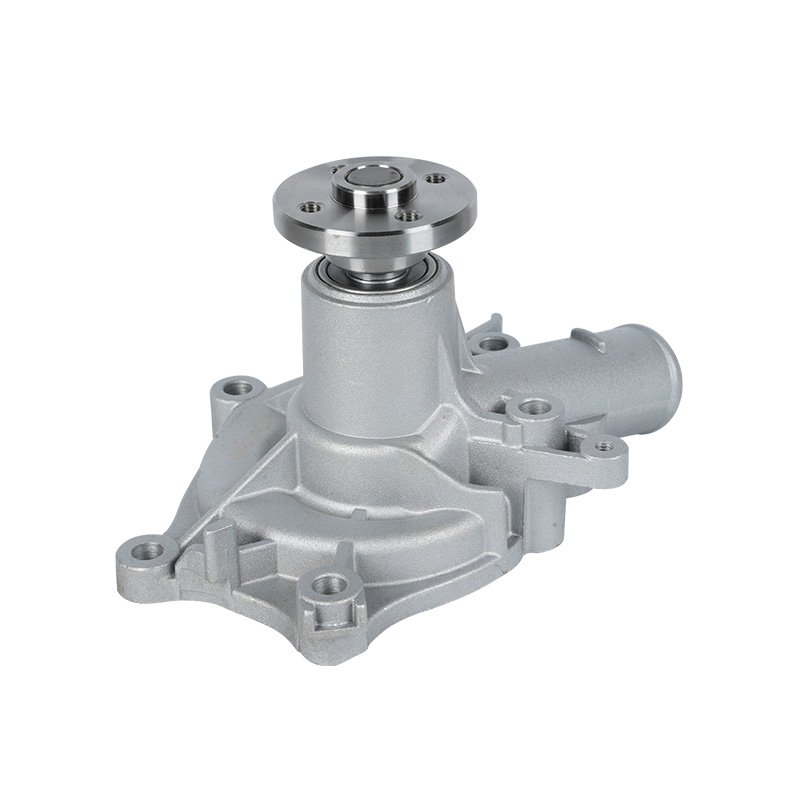
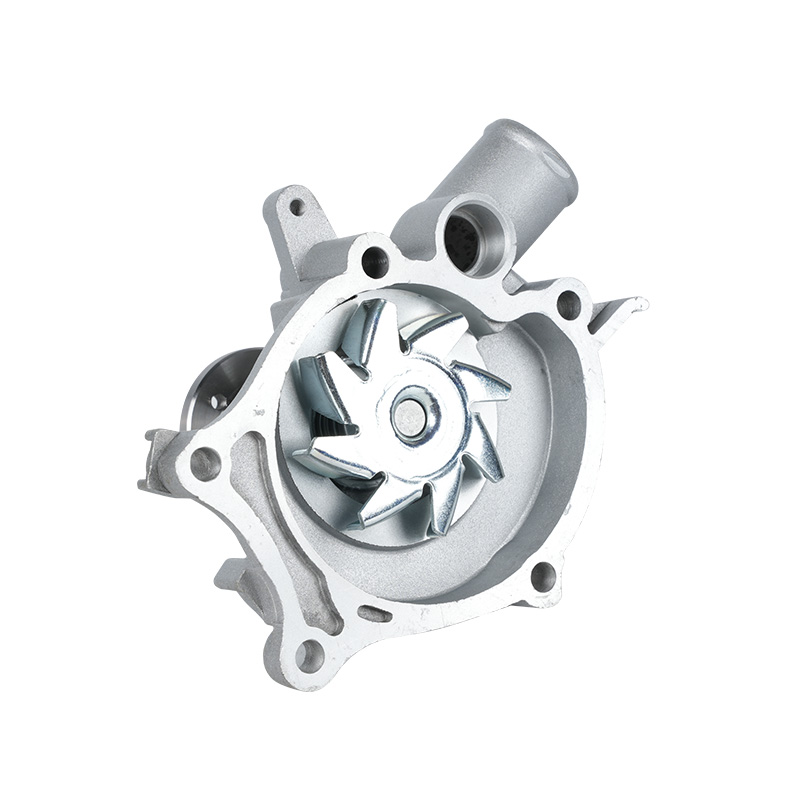
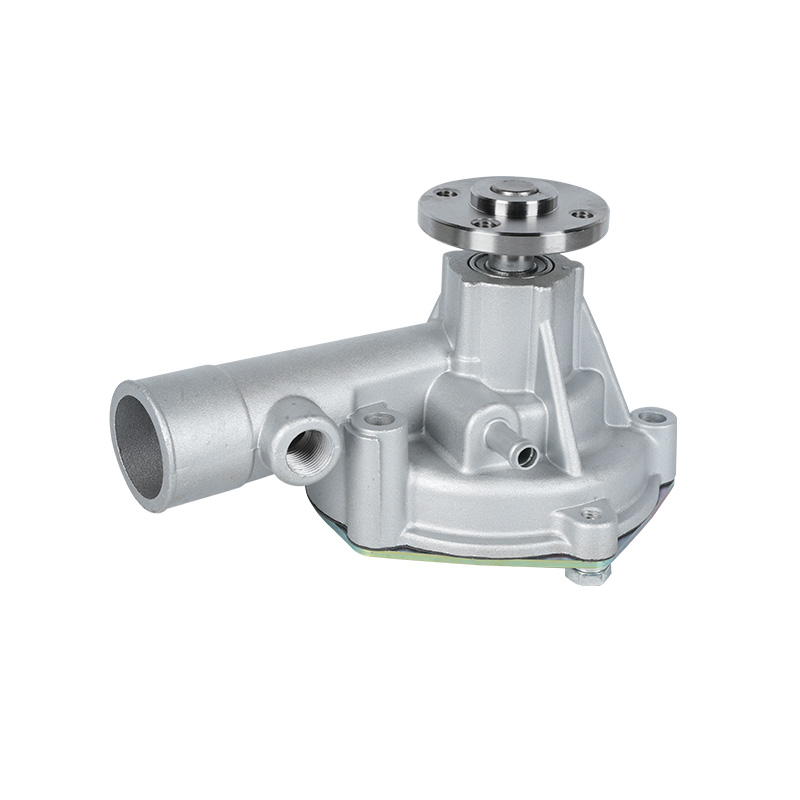
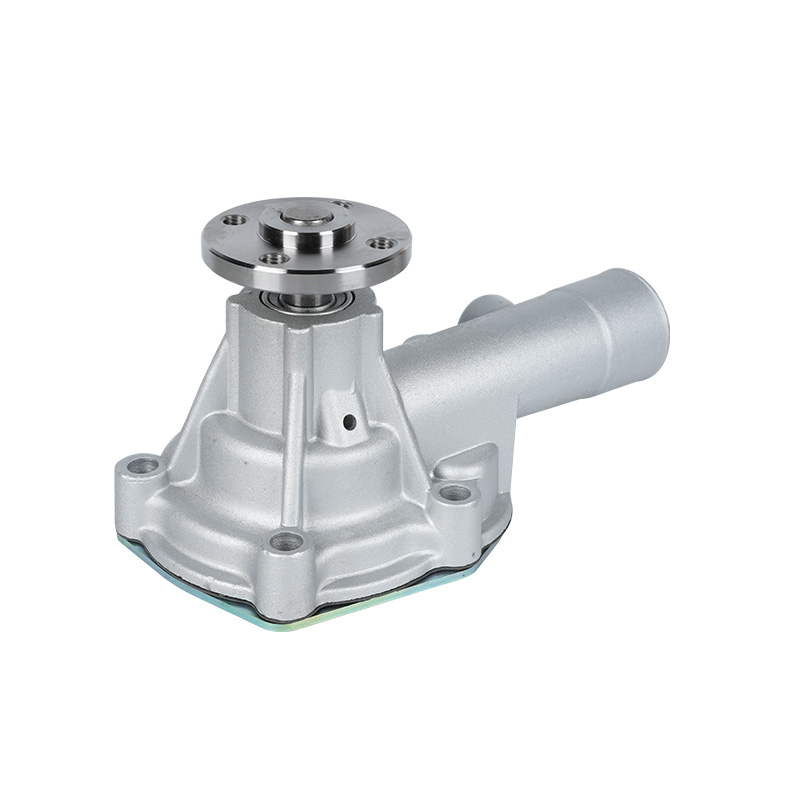
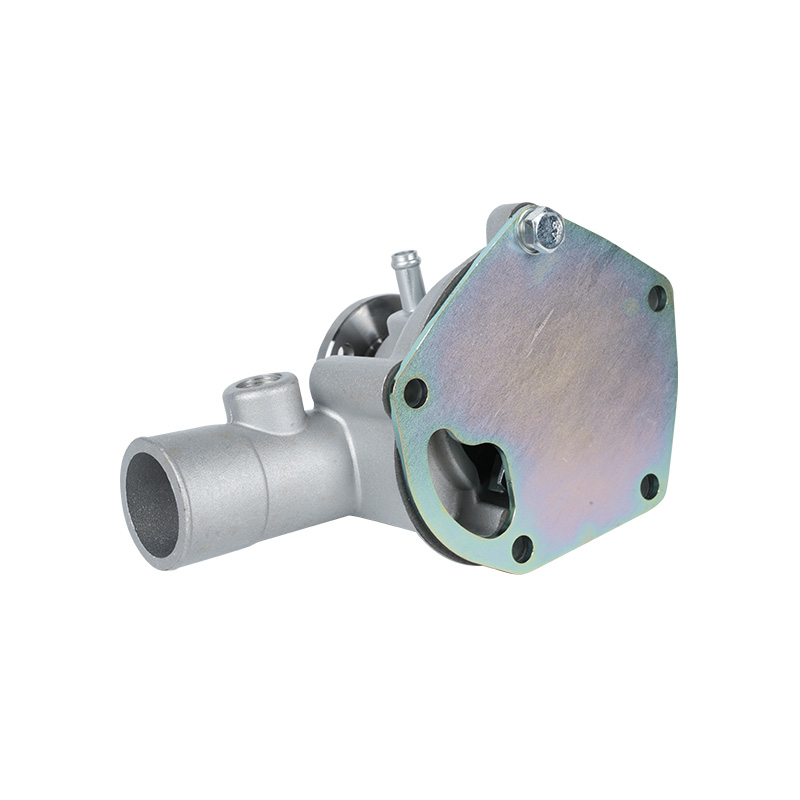
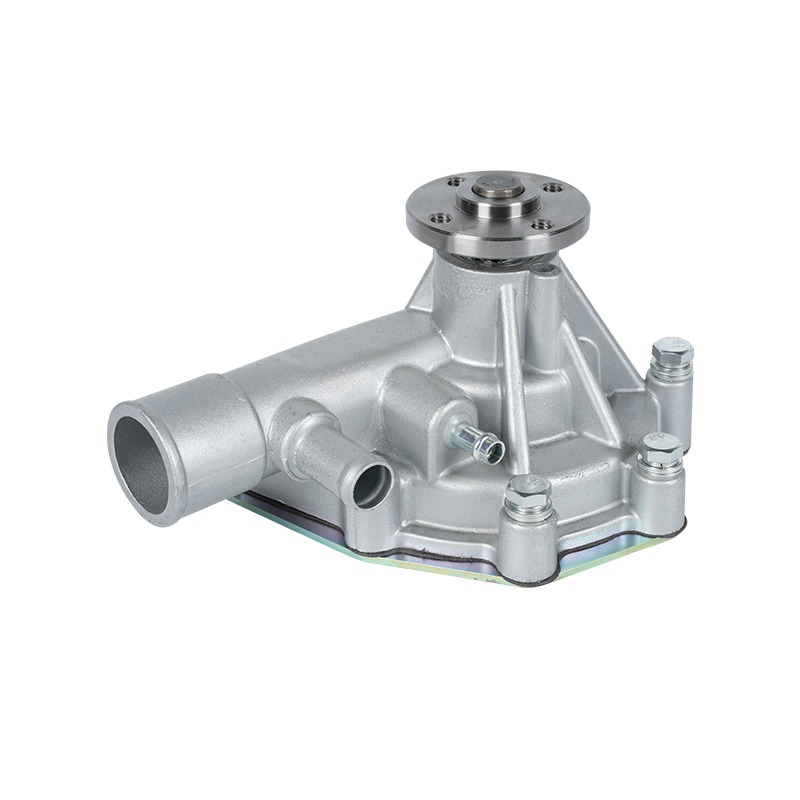
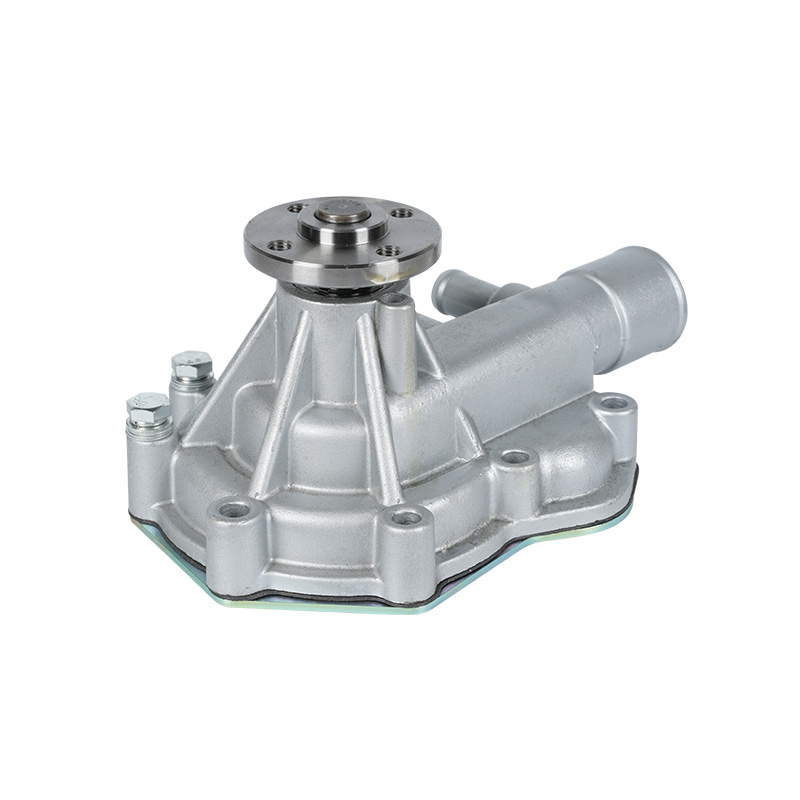
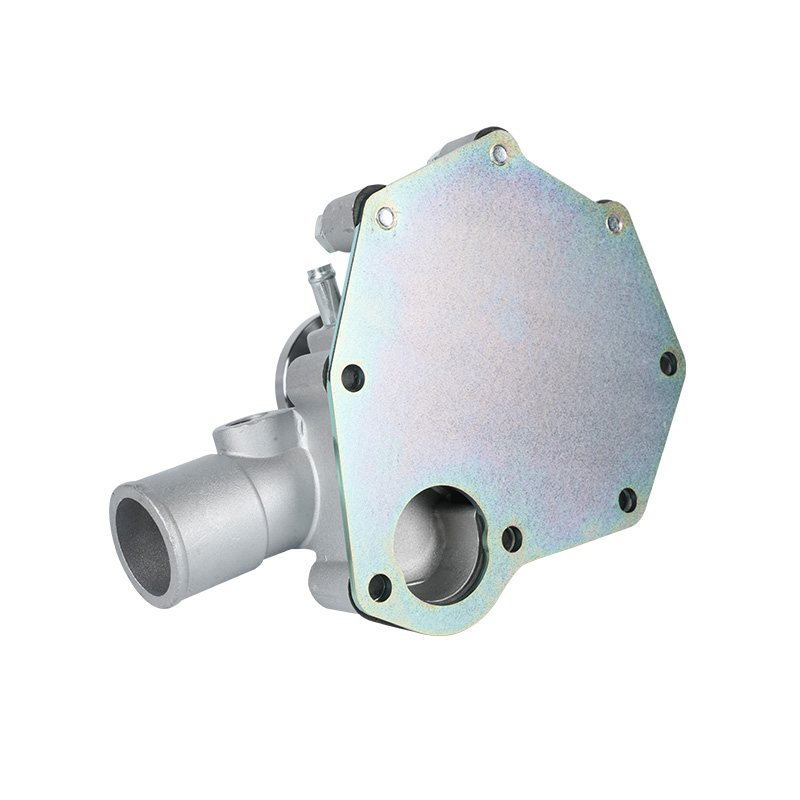
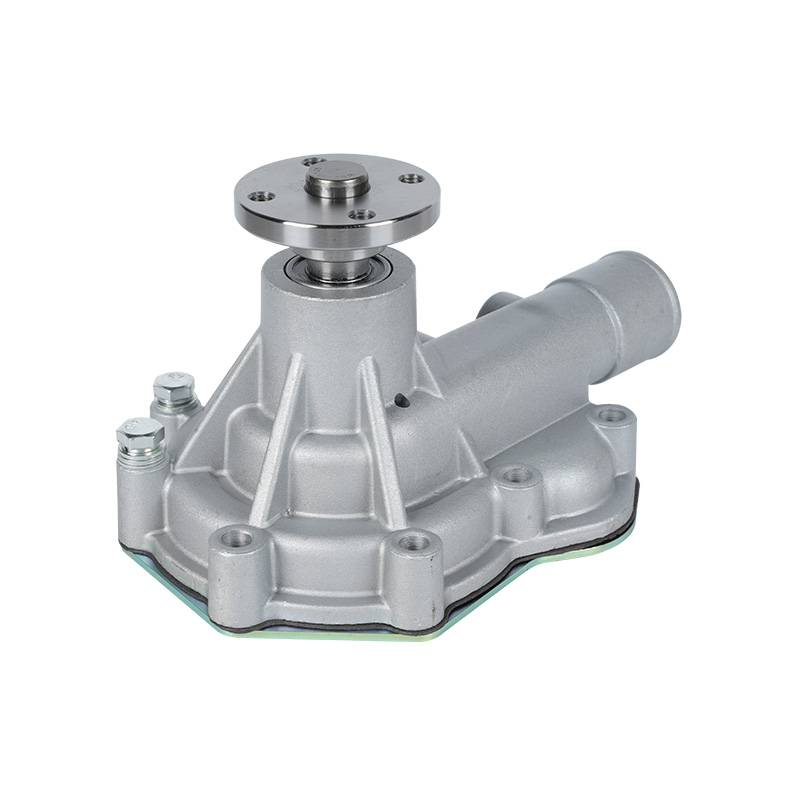
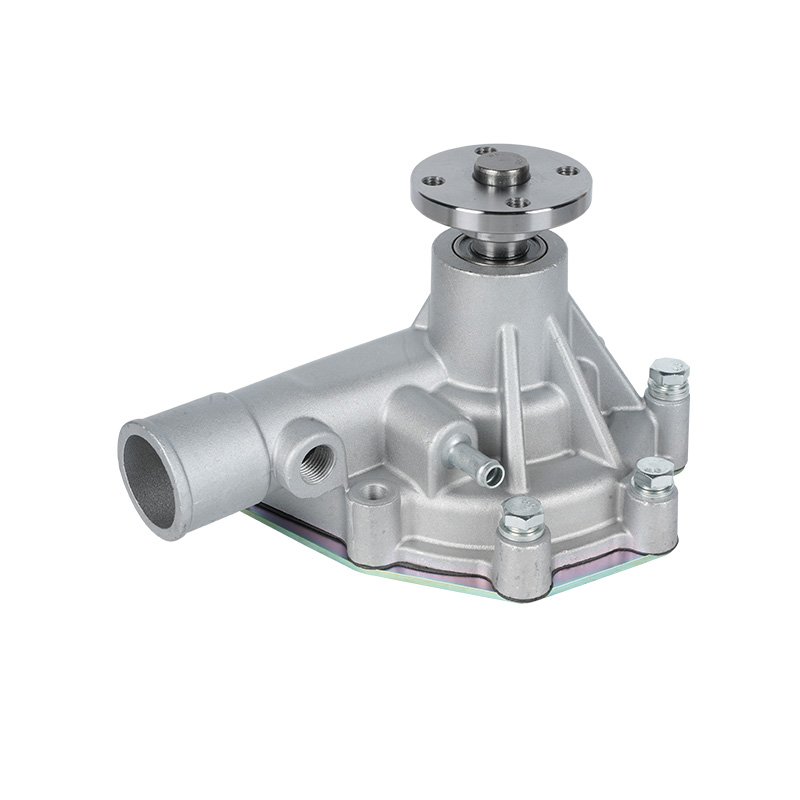
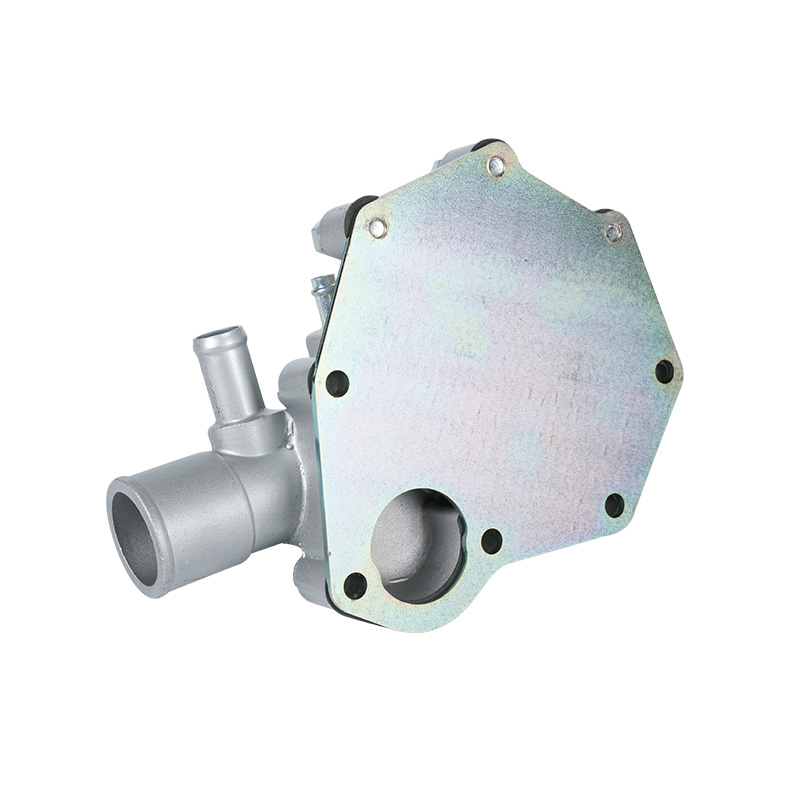
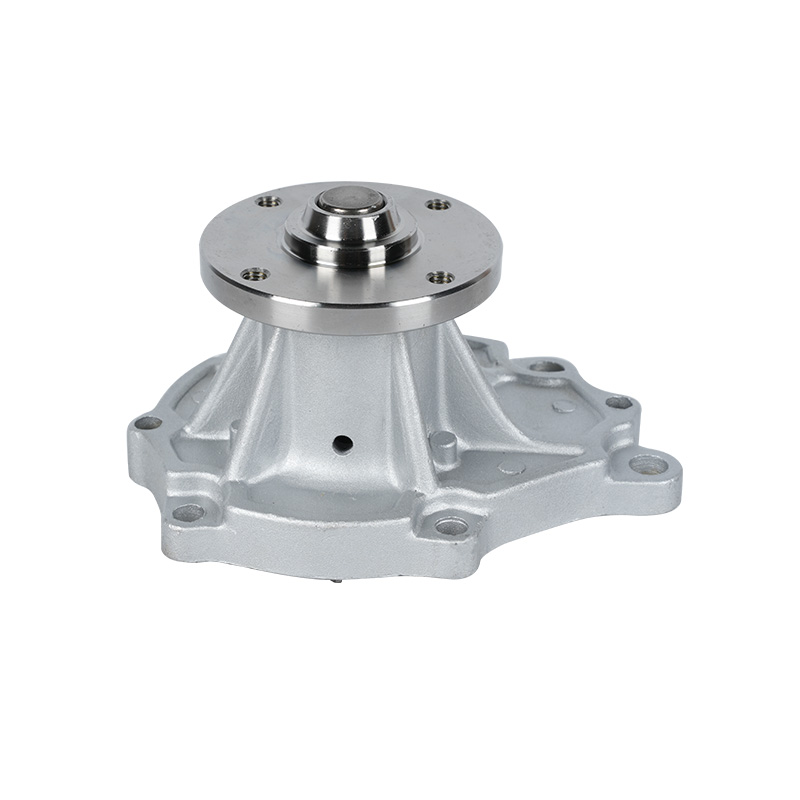
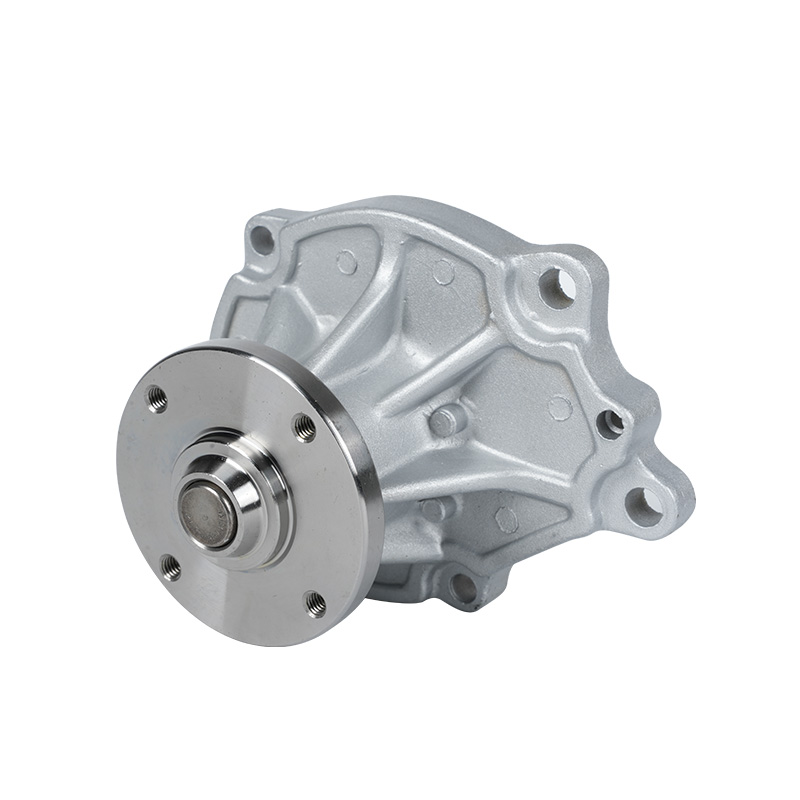
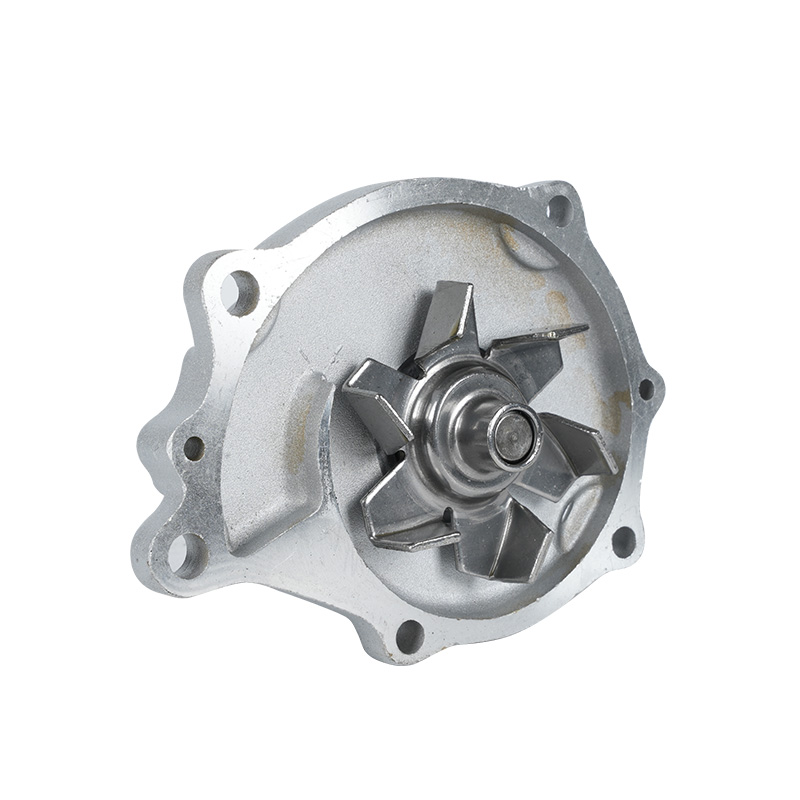
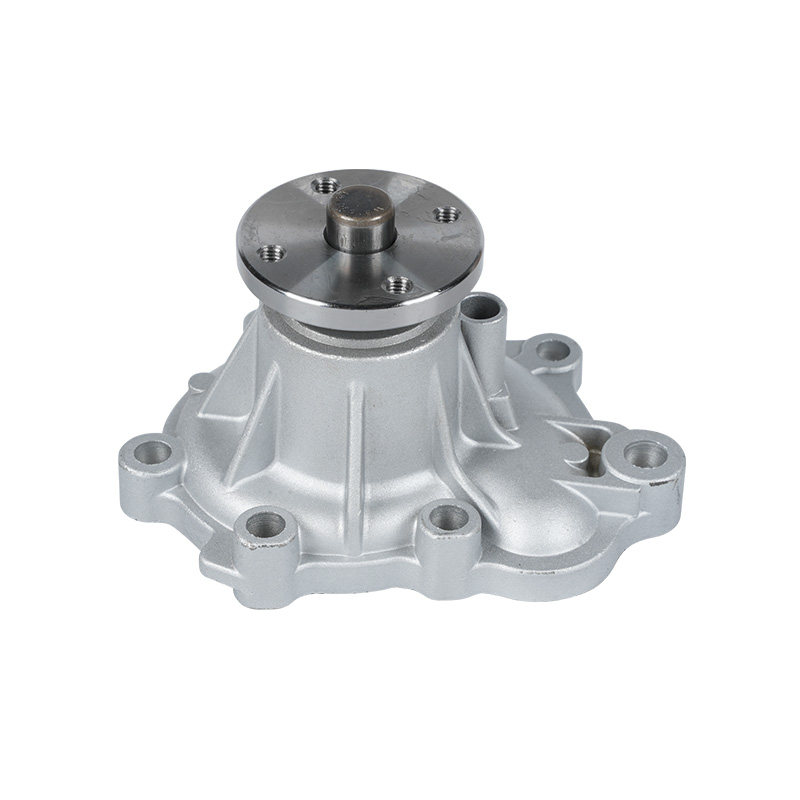
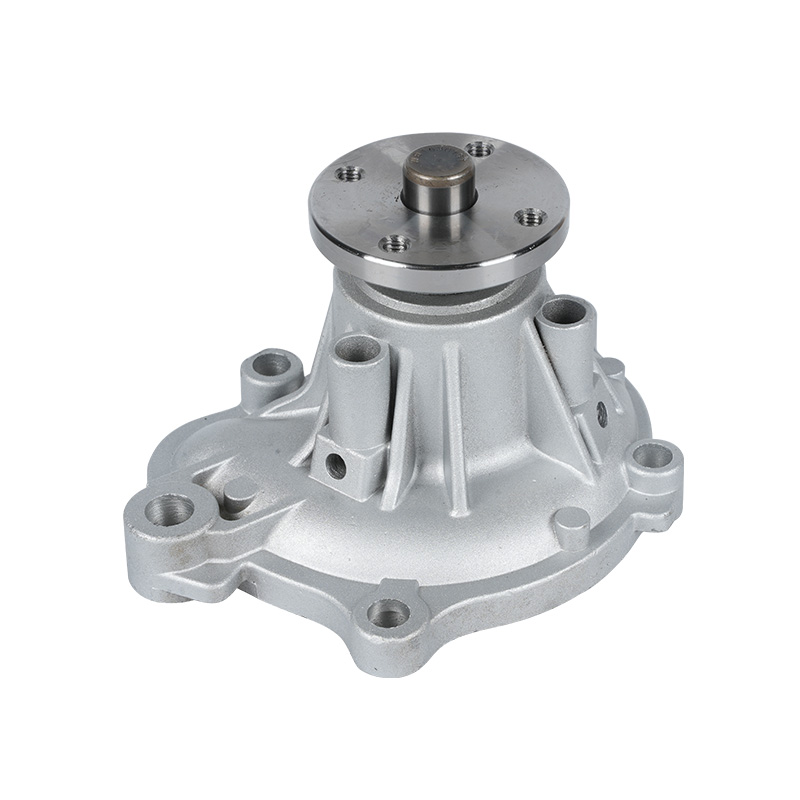
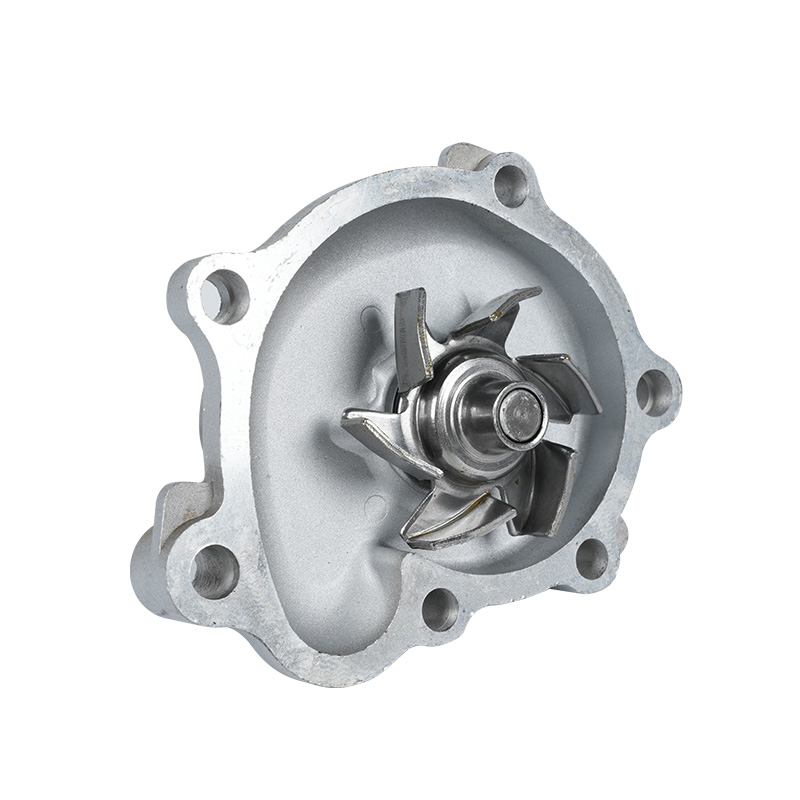
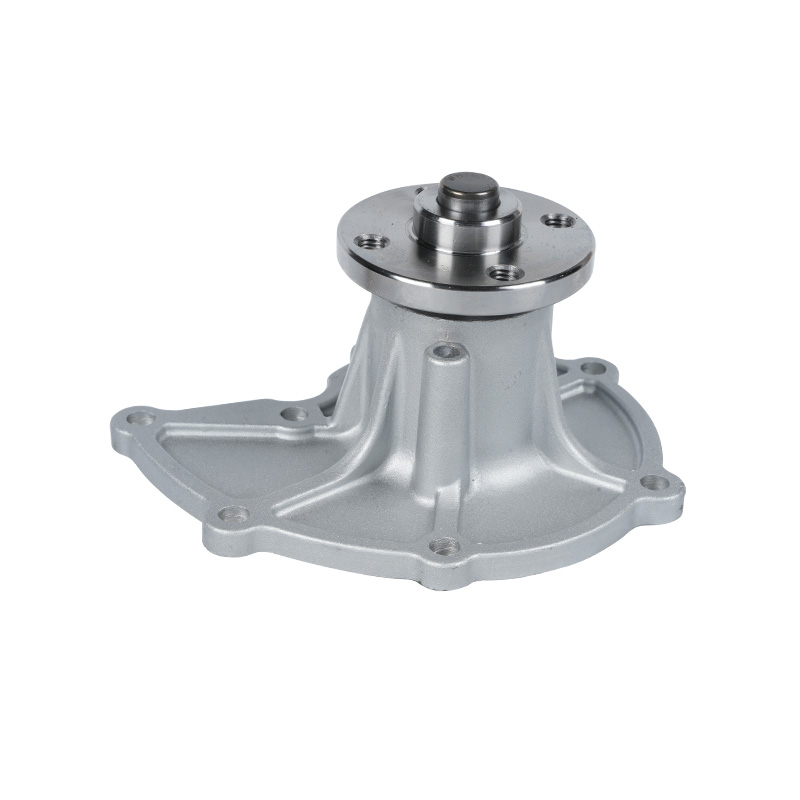
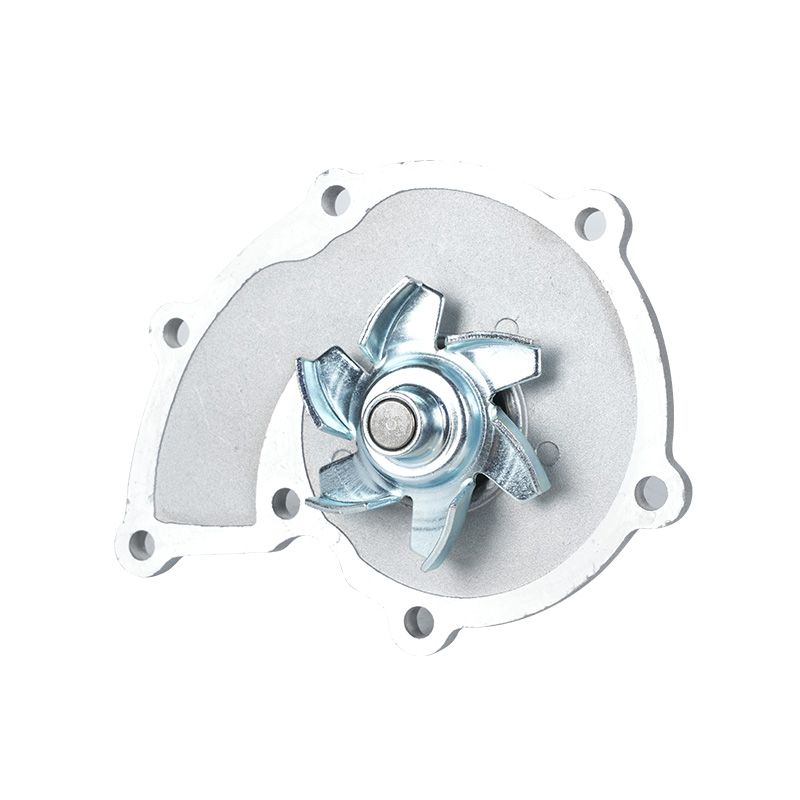
The CZL-F-008 engine water pump from Zhejiang Jinrui Pump Industry Co., Ltd. provides dependable cooling circulation for automotive engine systems. Precision-engineered for consistent coolant flow, this model helps maintain ideal operating temperatures under normal driving conditions. The pump features durable construction with corrosion-resistant materials and quality bearings to support extended service life. Designed to meet original equipment specifications, the CZL-F-008 ensures proper fit and reliable function across compatible vehicle platforms. Regular cooling system inspections, including water pump performance checks, help prevent engine overheating and reduce the risk of component wear. This unit offers a practical replacement solution for routine automotive maintenance needs.
Previous Post
Excavator Pumps Evolve for Sewage Duty
Next Post
Water Pump Market Shows Strong Growth
CONTACT US NOW

We sincerely welcome friends from all walks of life
to visit Zhejiang Jinrui Pump Industry Co., Ltd. to
visit, guide and business negotiations,
and jointly create a better future.
- KEEP IN TOUCH
- Phase I of Longshang Shoes Industrial Base, Tashi Street, Longquan City, Lishui City, Zhejiang, China.
- [email protected]
- +86-18957085800 / +86-15268785899
- MOBILE WEB
Copyright © 2024 Zhejiang Jinrui Pump Industry Co., Ltd. 
Electric Pump Factory
