


 English
 中文简体
中文简体Excavator Pumps Evolve for Sewage Duty
The global market for excavator pumps is undergoing a profound recalibration as contractors and municipal authorities confront increasingly complex fluid management challenges. At the heart of this evolution lies the excavator pump segment, a category experiencing a surge in innovation driven by stringent environmental regulations and the raw physical demands of modern wastewater handling. The procurement landscape today is no longer defined by simple hydraulic performance but by the total cost of ownership. As infrastructure ages and climate volatility increases, the selection process has become a strategic exercise in risk mitigation, pushing buyers to look far beyond the initial purchase price of excavator pumps.
What Defines the Modern Application Landscape for Sewage Pumps?
The deployment of excavator pumps via excavator attachments has transcended traditional bypass pumping to embrace emergency flood response, sludge lagoon dredging, and lift station rehabilitation. Field data indicates that 65 percent of North American wastewater utilities now require pump-out capabilities during bad storm events generating flow rates averaging 3,200 gallons per minute. This has spurred a new generation of attachments that merge power density with portability. A key advancement is the integration of hydraulic variable-speed kits that allow an excavator's auxiliary circuit to match impeller speed precisely to the dynamic head of a deep sewer trunk. Furthermore, non-clog impeller designs—specifically single-vane and two-channel configurations—have proven capable of passing spherical solids up to 110 millimeters in diameter without trapping fibrous materials. These innovations transform excavators from pure earthmovers into versatile hydraulic power units sustaining 24-hour dewatering operations in confined urban spaces where trailer-mounted units cannot gain access.
How Are Buyers Redefining the Selection and Procurement Process?
Selection begins not with a catalog, but with detailed characterization of the media. Raw sewage is a heterogeneous slurry with up to 8 percent solid content by volume, containing fibrous materials, rag, and grit. This demands pumps constructed from high-chromium white iron castings offering a surface hardness of 600 to 700 Brinell, compared to the standard 200 Brinell of conventional ductile iron. Buyers now mandate third-party wear-life calculations, often referencing the Miller Number of the specific sludge. Procurement strategies have shifted toward lifecycle cost models. An analysis of 150 municipal RFPs filed recently reveals that 72 percent now assign weighted evaluation criteria exceeding 55 percent to total cost of ownership, up from roughly 30 percent five years ago. The specification of cartridge-type dual mechanical seals with tungsten carbide faces operating in a barrier fluid chamber has become a non-negotiable benchmark. A pump achieving a mean time between failures of 8,000 hours in raw sewage service, compared to an industry baseline of 4,500 hours, justifies a 45 percent price premium—a calculus reshaping vendor negotiations across the supply chain.
What Emerging Technologies Are Shaping the Future of These Systems?
The technological frontier is being mapped by sensor integration and digital twins. The latest prototypes embed edge-computing sensors within the volute casing to monitor vibration signatures and temperature transients at the cutwater, where stress concentration peaks. By streaming this data over cloud-based protocols, operators can predict bearing failure up to 120 operational hours before a catastrophic seizure halts operations. This predictive architecture converges with real-time kinematic positioning, enabling remotely operated excavators to automate sludge dredging in hazardous lagoons with sub-20-millimeter vertical accuracy. Materially, ceramic-reinforced elastomers are being tested for semi-solids handling, potentially dropping component weight by 25 percent compared to cast iron while maintaining erosion resistance at flow velocities exceeding 5 meters per second.
These forces of application-driven design, lifecycle procurement, and embedded intelligence are converging to redefine an entire product class. The excavator pump is no longer a commodity accessory but a sophisticated system node. In this new environment, the mastery of excavator pumps is measured not in gallons moved per hour, but in data captured, maintenance hours avoided, and decades of silent, trouble-free operation in the corrosive and unforgiving conditions imaginable.
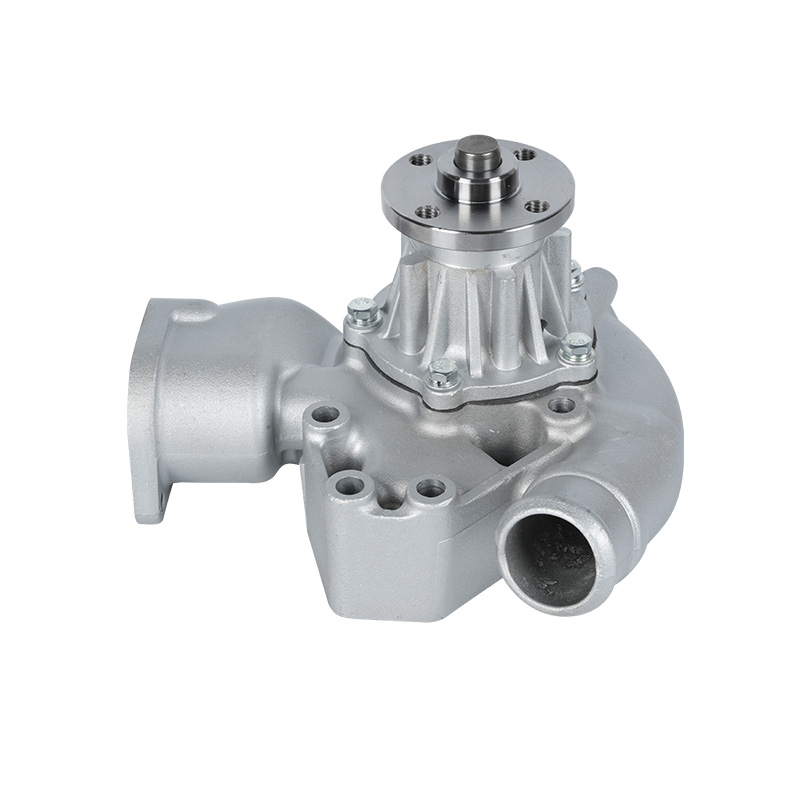
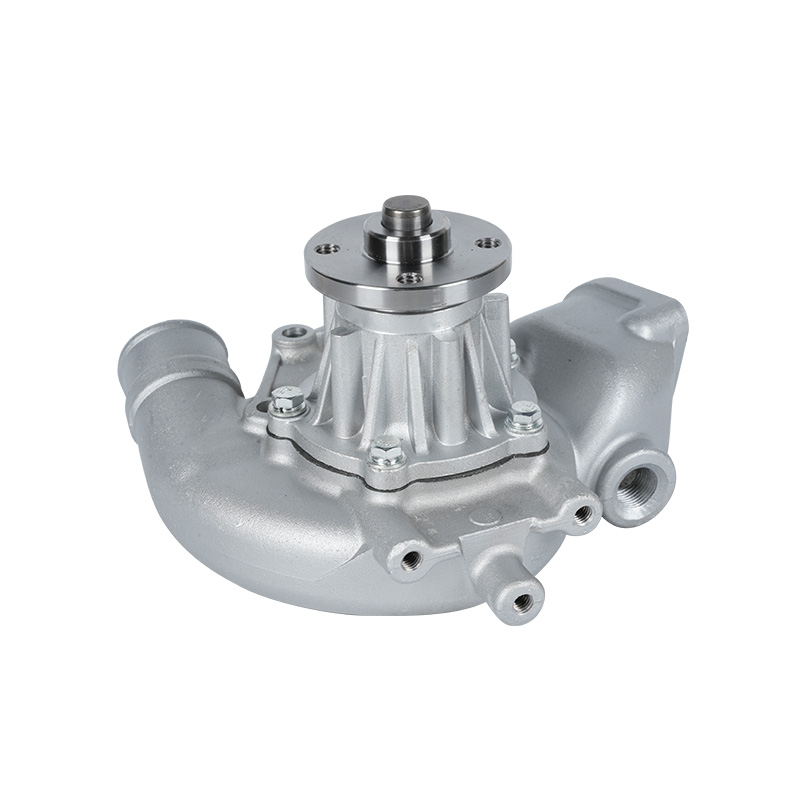
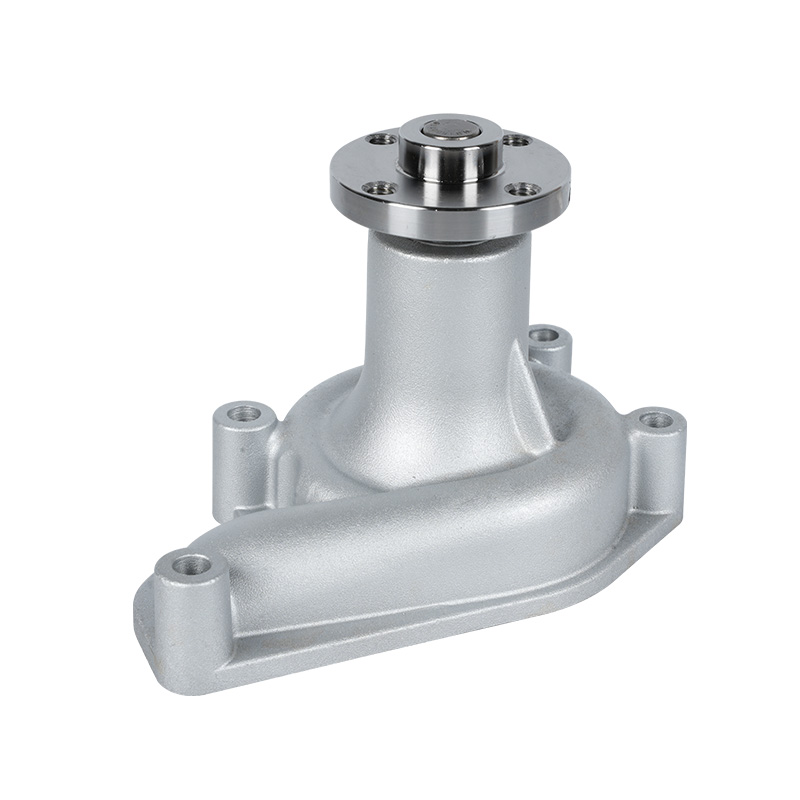
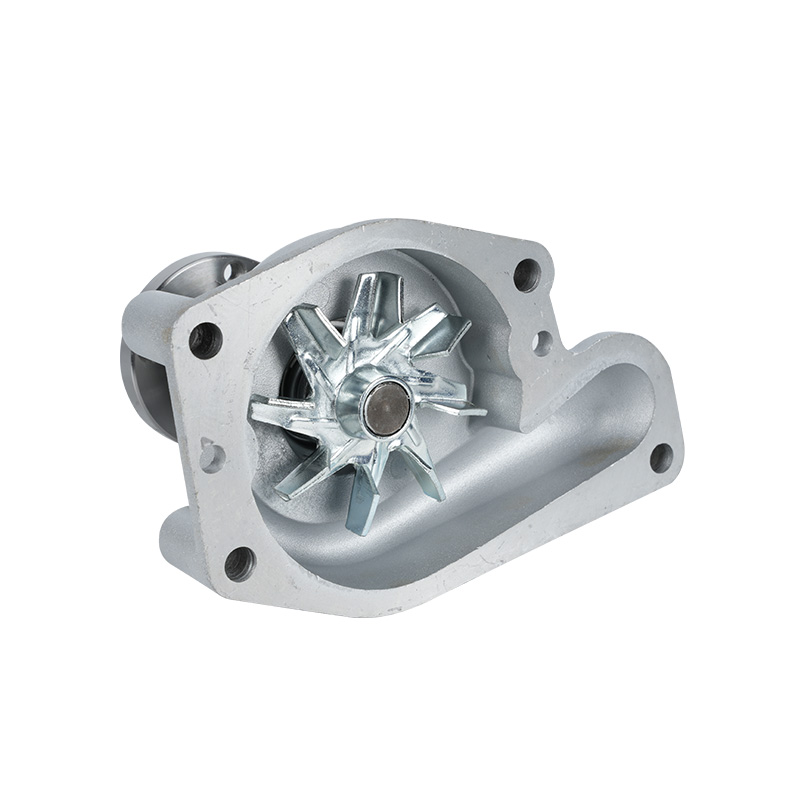
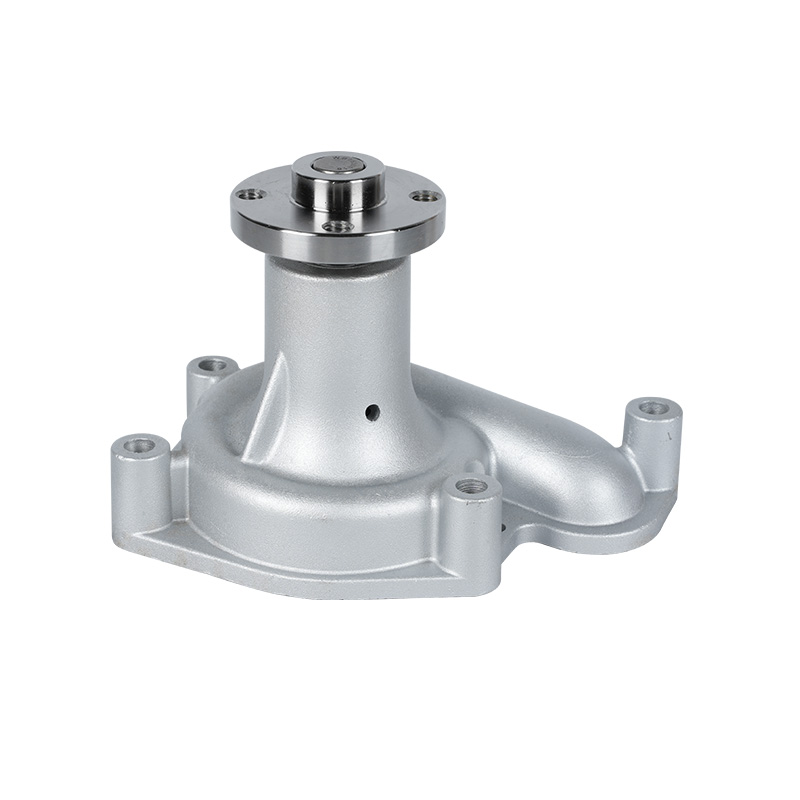
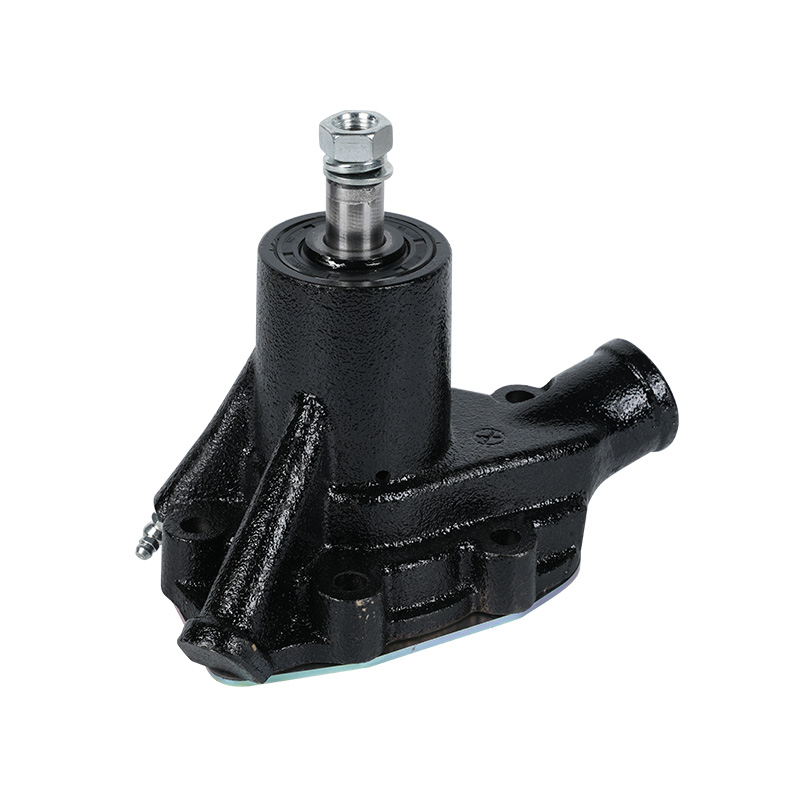
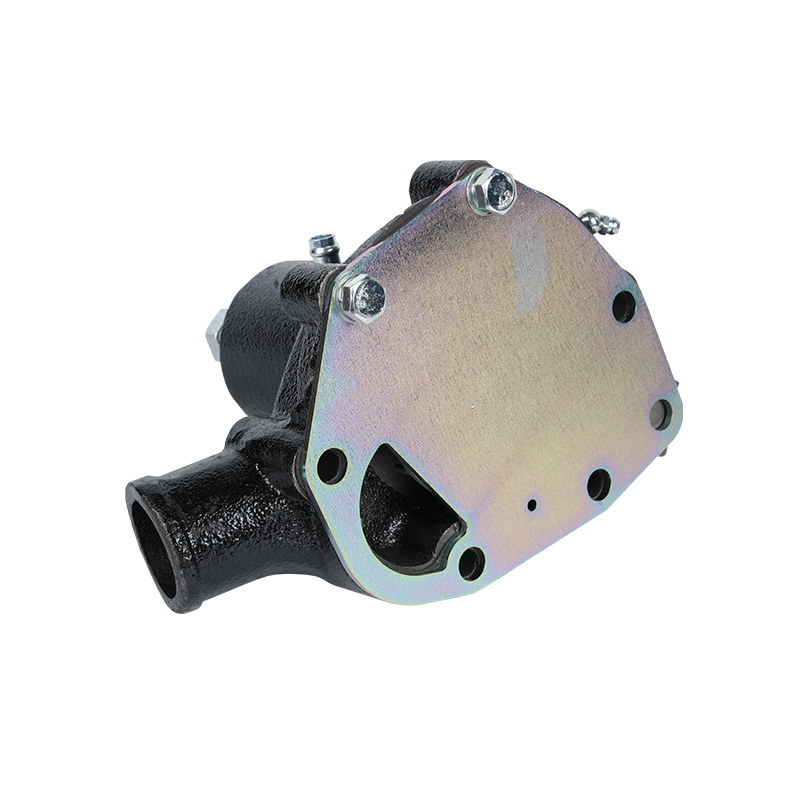
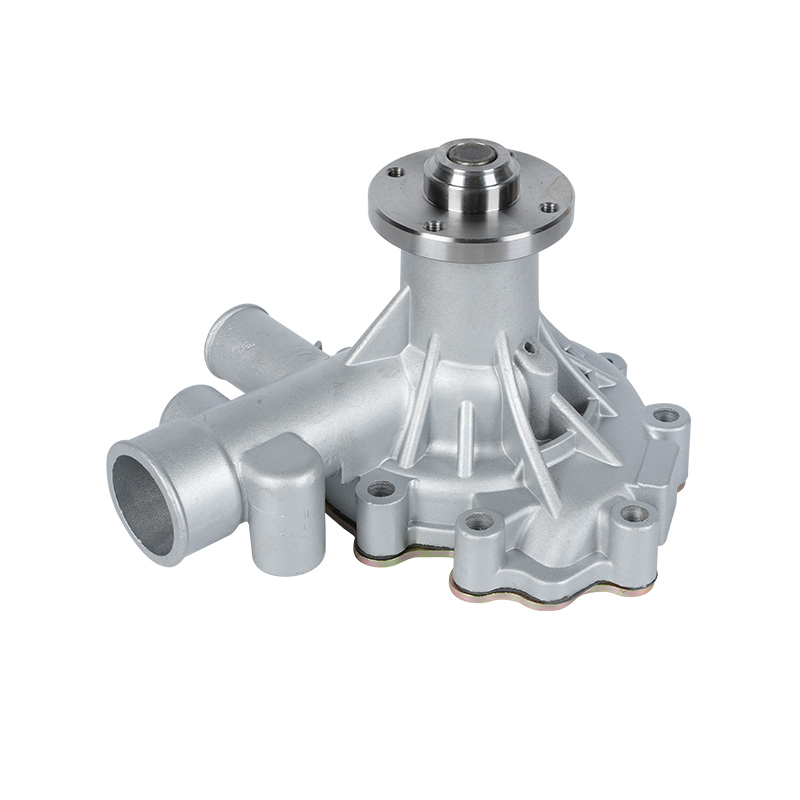
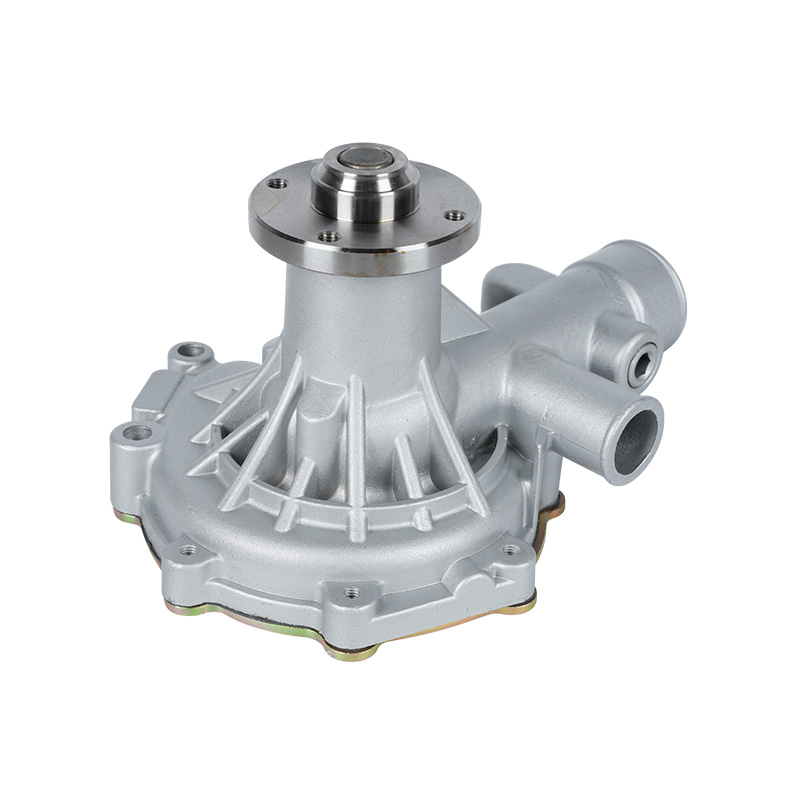
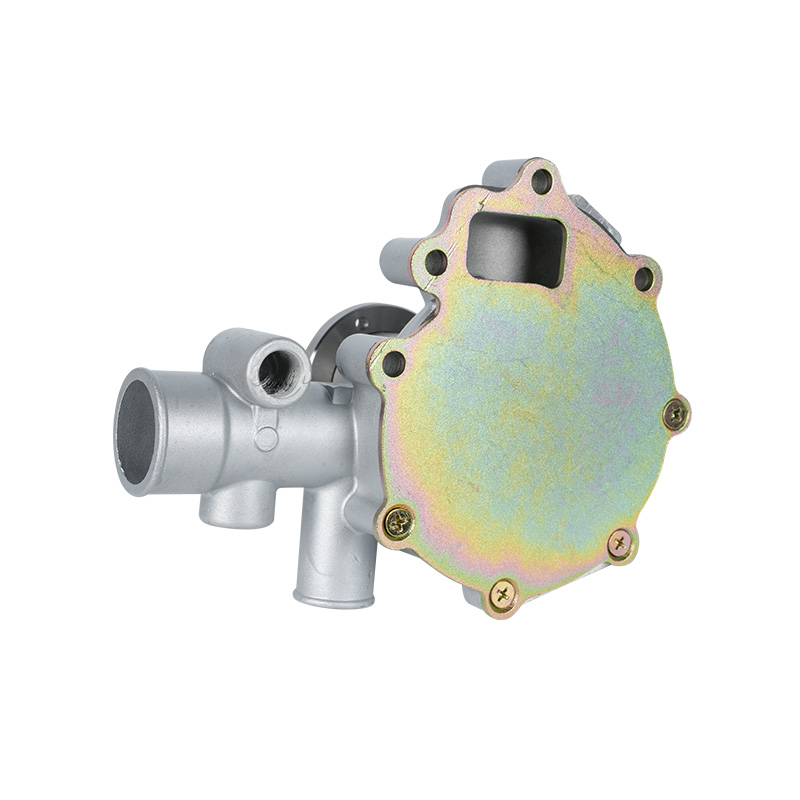
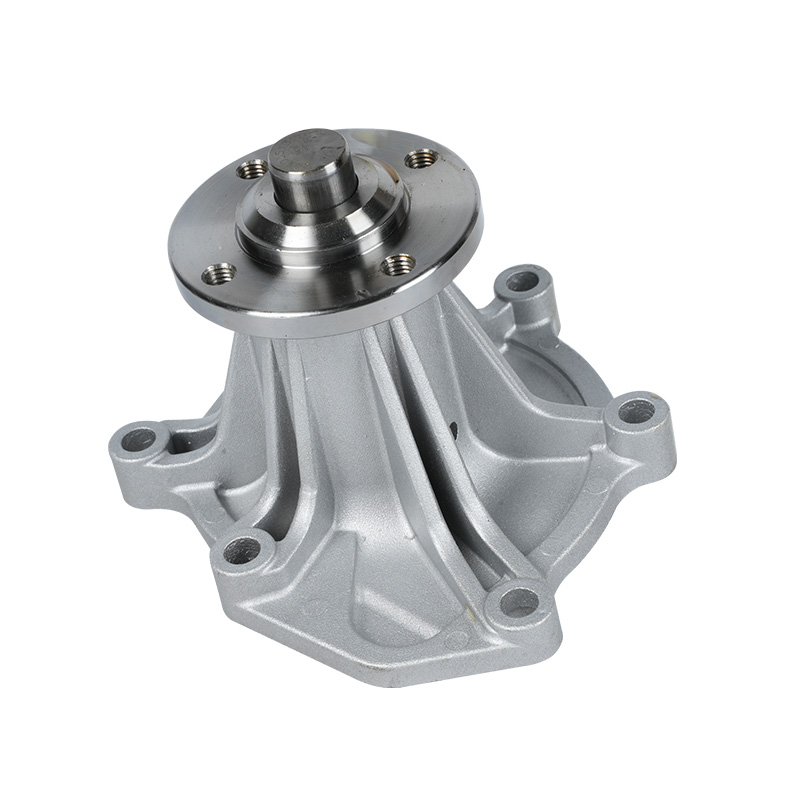
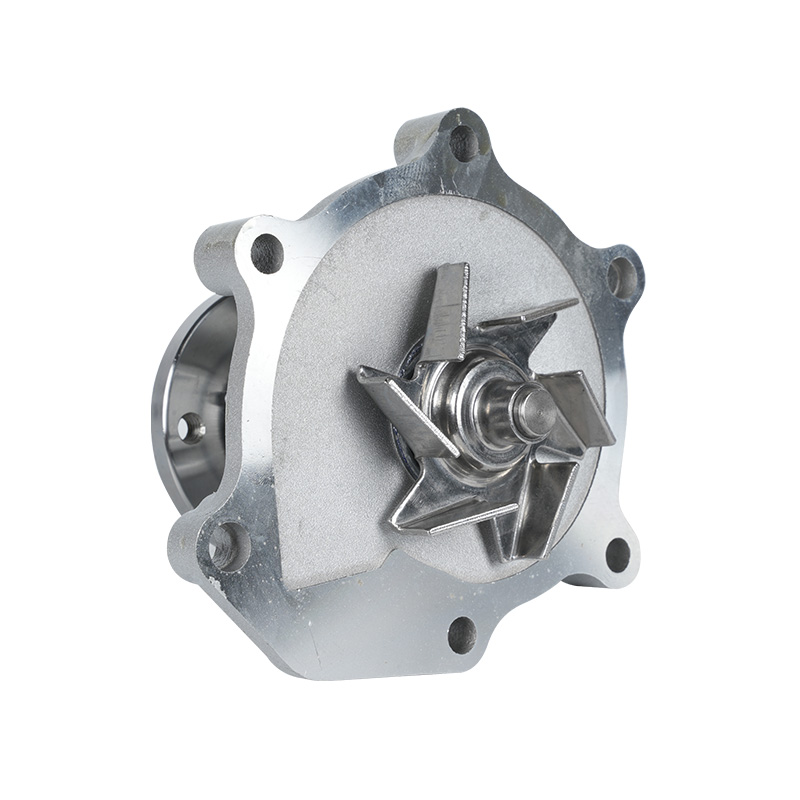
The CXL-E-035 from offers ZHEJIANG JINRUI PUMP INDUSTRY CO., LTD. a compact pumping solution for light to medium industrial applications. Designed with efficiency and ease of installation in mind, this unit handles clean water, light slurries, and circulation duties commonly found in manufacturing and processing facilities. The CXL-E-035 configuration reduces space requirements while delivering consistent flow performance. Maintenance access remains straightforward due to the pump's modular layout. For facility engineers seeking a reliable pump for auxiliary or transfer applications, the CXL-E-035 presents a practical choice.
Previous Post
Engine Water Pump Failure Prevention Gains Focus
Next Post
Forklift Pump Inside and Ahead

CONTACT US NOW

We sincerely welcome friends from all walks of life
to visit Zhejiang Jinrui Pump Industry Co., Ltd. to
visit, guide and business negotiations,
and jointly create a better future.
- KEEP IN TOUCH
- Phase I of Longshang Shoes Industrial Base, Tashi Street, Longquan City, Lishui City, Zhejiang, China.
- [email protected]
- +86-18957085800 / +86-15268785899
- MOBILE WEB
Copyright © 2024 Zhejiang Jinrui Pump Industry Co., Ltd. 
Electric Pump Factory
