


 English
 中文简体
中文简体Engine Water Pump Powers Automotive Cooling Systems
The engine water pump stands as a critical component in modern automotive engineering, functioning as the circulatory system that maintains ideal operating temperatures within internal combustion engines. This mechanical device ensures that coolant flows continuously through the engine block, cylinder head, and radiator, absorbing excess heat and preventing the catastrophic damage that occurs when engines overheat. Industry data indicates that cooling system failures account for approximately 40 percent of engine-related breakdowns, with water pump malfunctions representing the primary cause in nearly half of these cases.
How Does the Engine Water Pump Work?
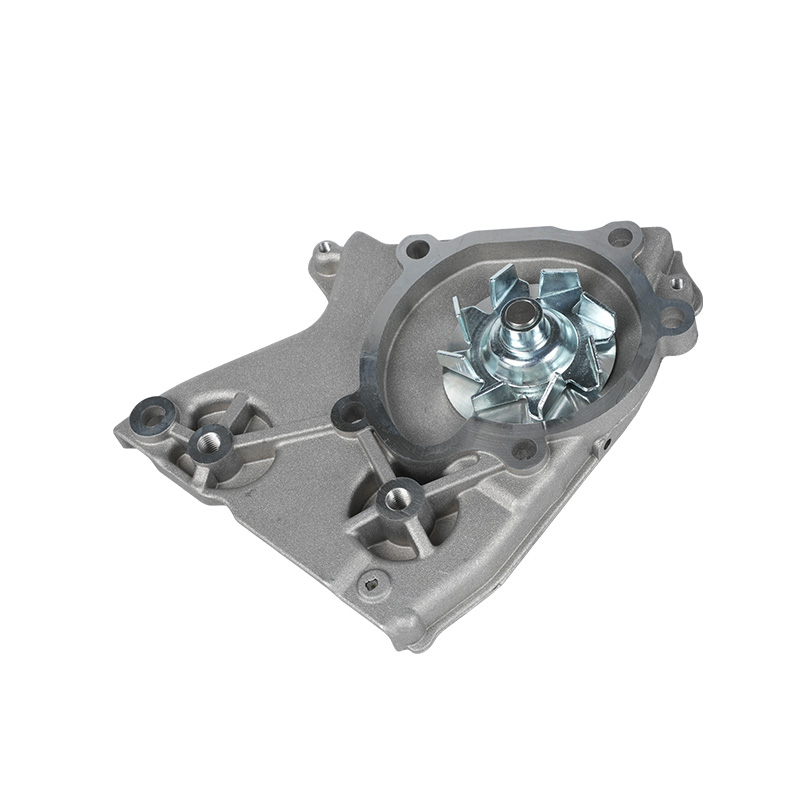
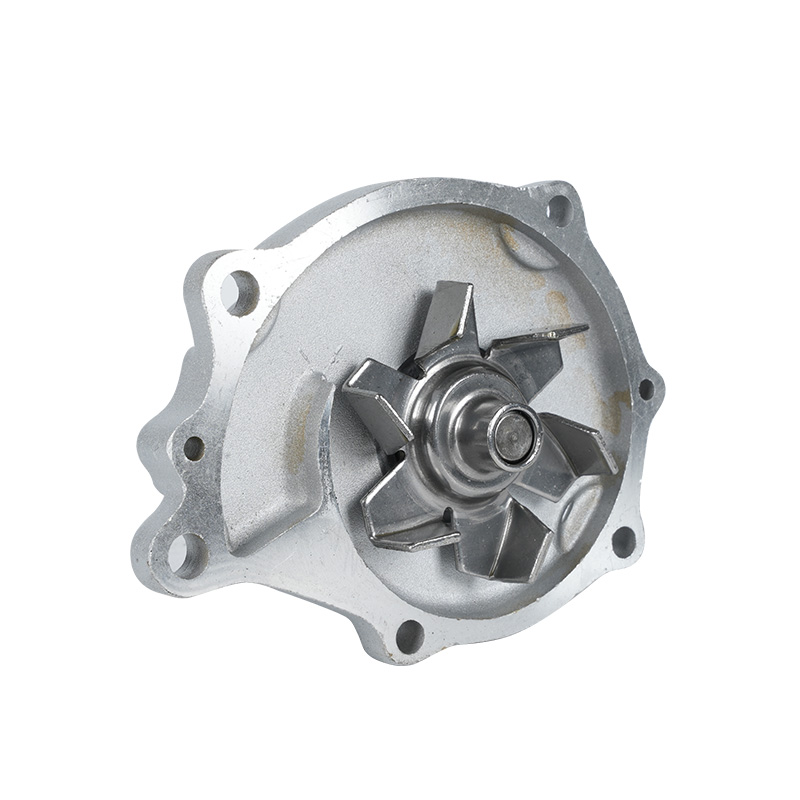
The fundamental operating principle of the engine water pump relies on centrifugal force generated by a rotating impeller housed within the pump body. As the impeller spins, it draws coolant from the radiator through the inlet and propels it outward into the engine's cooling passages. This continuous circulation maintains engine temperatures within the ideal range of 195 to 220 degrees Fahrenheit, despite combustion chamber temperatures that can exceed 2,000 degrees Fahrenheit during operation. Engineering studies demonstrate that effective cooling systems must manage approximately one-third of the total heat energy produced during combustion, with the water pump moving between 15 and 30 gallons of coolant per minute depending on engine size and operating conditions. The pump's performance directly influences fuel efficiency, emissions output, and overall engine longevity, with properly maintained cooling systems extending engine life by an average of 50,000 miles.
What Are the Different Types of Engine Water Pumps?
Various configurations of engine water pumps have emerged throughout automotive history to meet diverse application requirements. Traditional mechanical pumps remain widely used, connected to the engine crankshaft through belts that drive the pump at speeds proportional to engine revolutions. These units feature sealed bearings and pressed-on pulleys that must withstand continuous operation under high temperatures and rotational forces. Electric water pumps have gained substantial market penetration in recent years, operating independently of engine speed through electronic control modules that precisely regulate coolant flow based on real-time thermal demands. Variable-flow pumps represent another significant advancement, incorporating internal valves or adjustable impeller geometries that modify output capacity as thermal conditions change.
What Does the Future Hold for Engine Water Pump Technology?
Looking toward future developments, engine water pump technology continues advancing rapidly in response to evolving industry requirements for efficiency, durability, and intelligent operation. Material science innovations have introduced ceramic seal faces and composite polymer impellers that resist corrosion and wear far better than traditional metal components, with accelerated testing showing operational lifespans exceeding 150,000 miles under normal conditions. Thermal management strategies increasingly incorporate variable-speed electric pumps that adjust flow rates dynamically, reducing energy consumption while maintaining precise temperature control.
The engine water pump remains an indispensable element of automotive engineering, evolving from simple mechanical devices to sophisticated components that incorporate advanced materials and electronic controls. Its fundamental role in maintaining proper engine temperatures ensures that vehicles operate efficiently, reliably, and durably under demanding conditions. As thermal management requirements grow increasingly complex with the rise of electrified powertrains, the water pump's importance will only continue expanding.
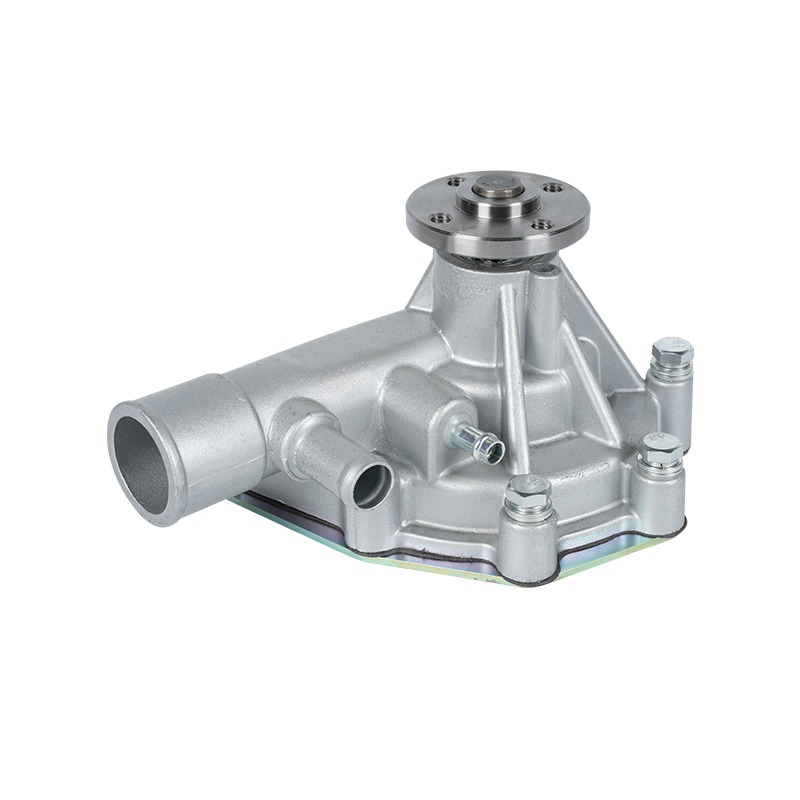
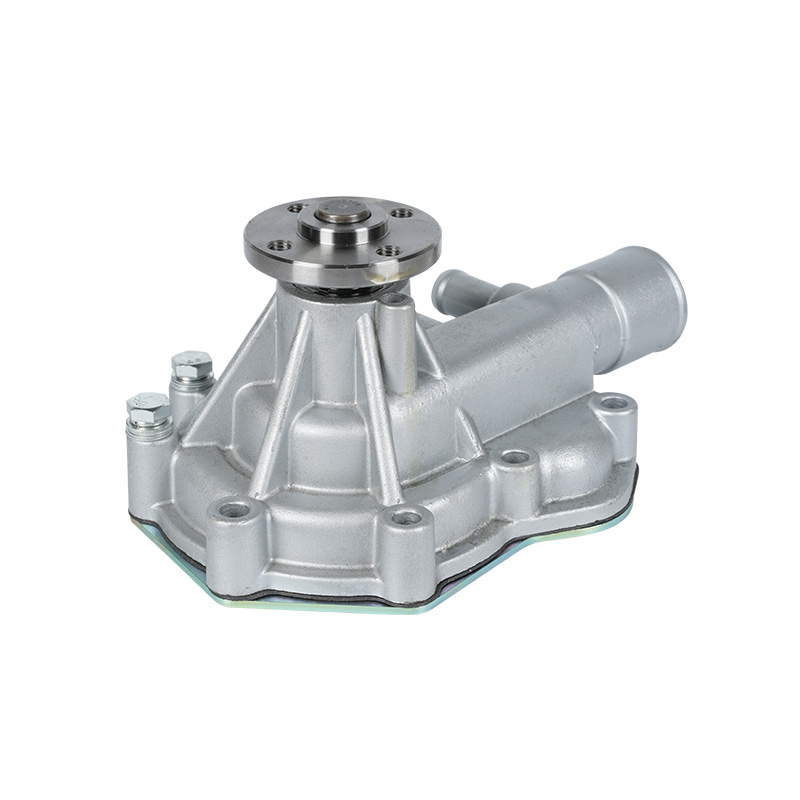
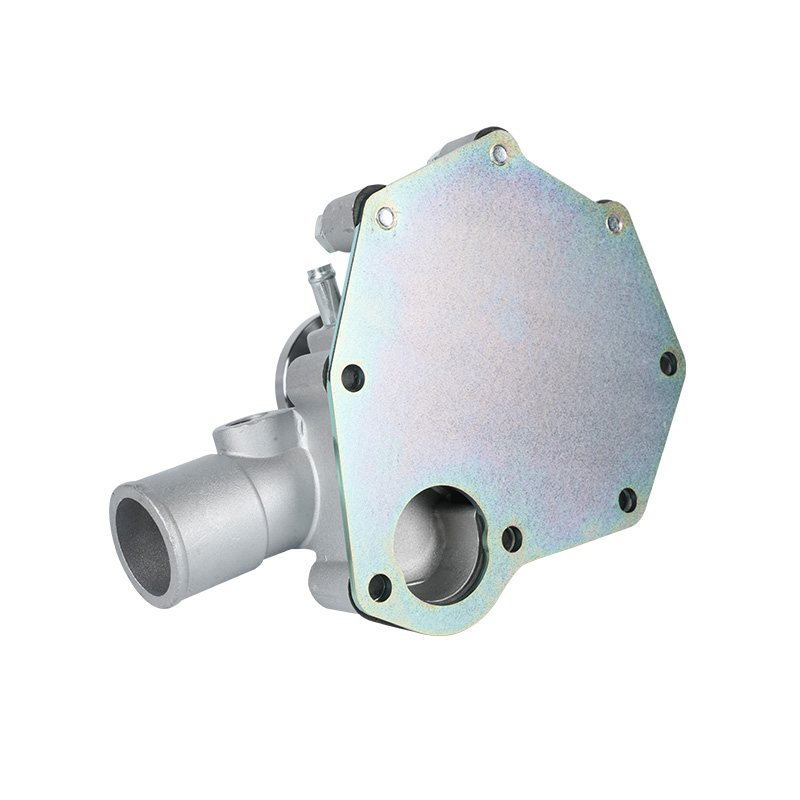
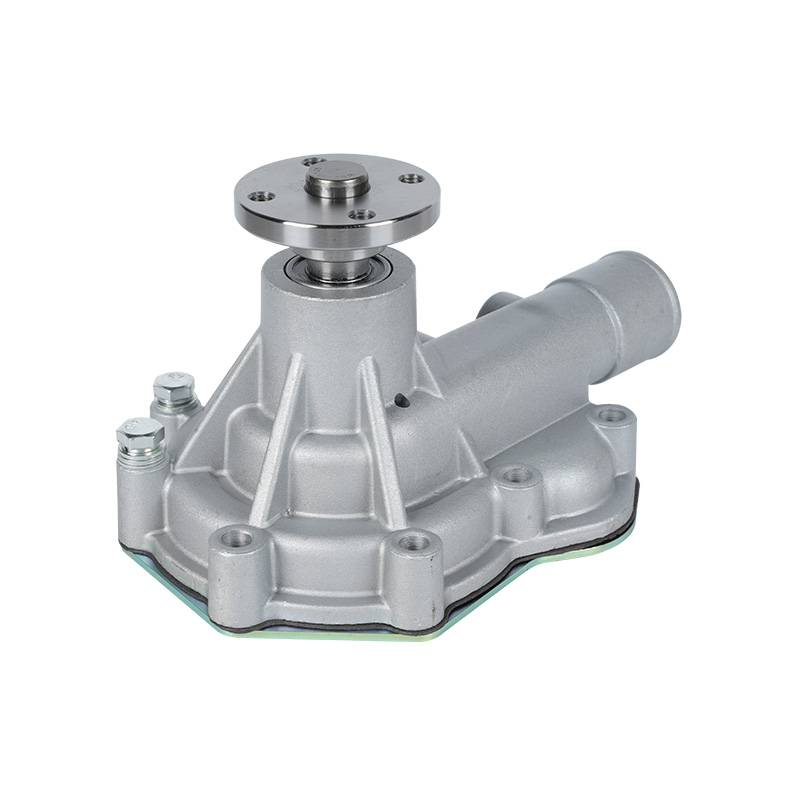
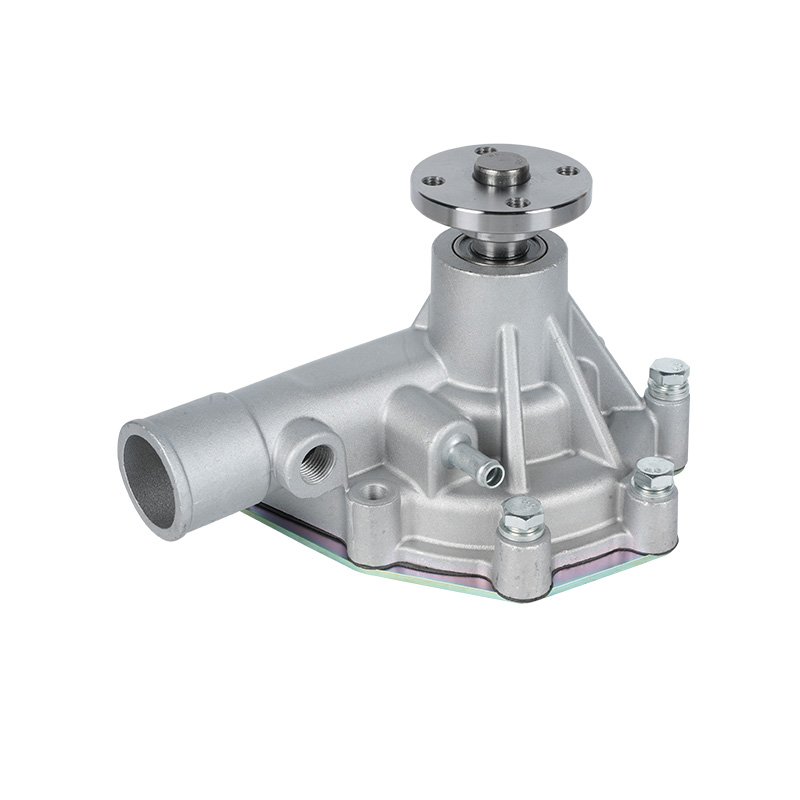
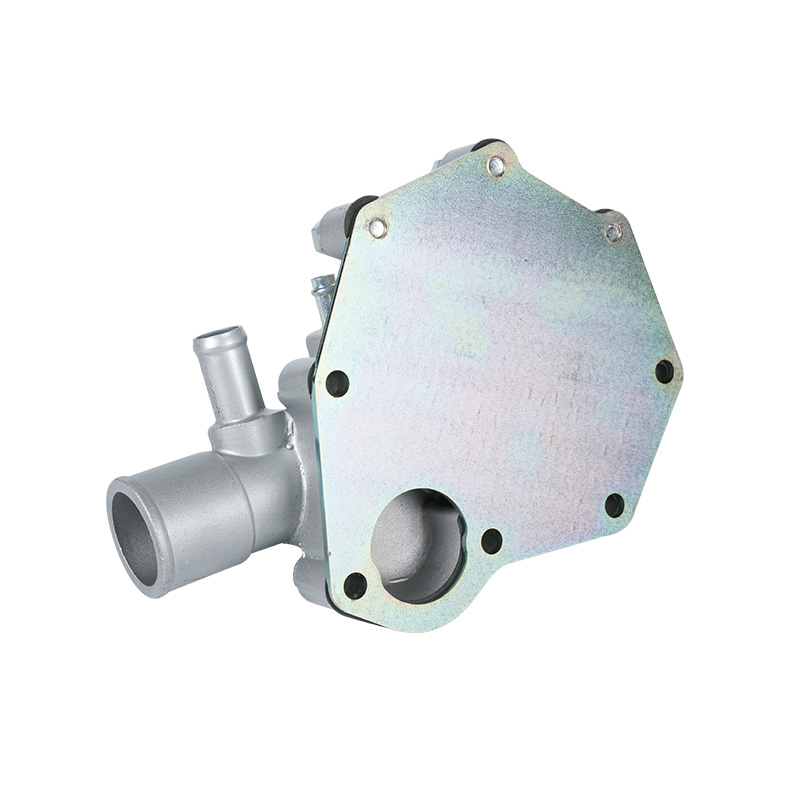
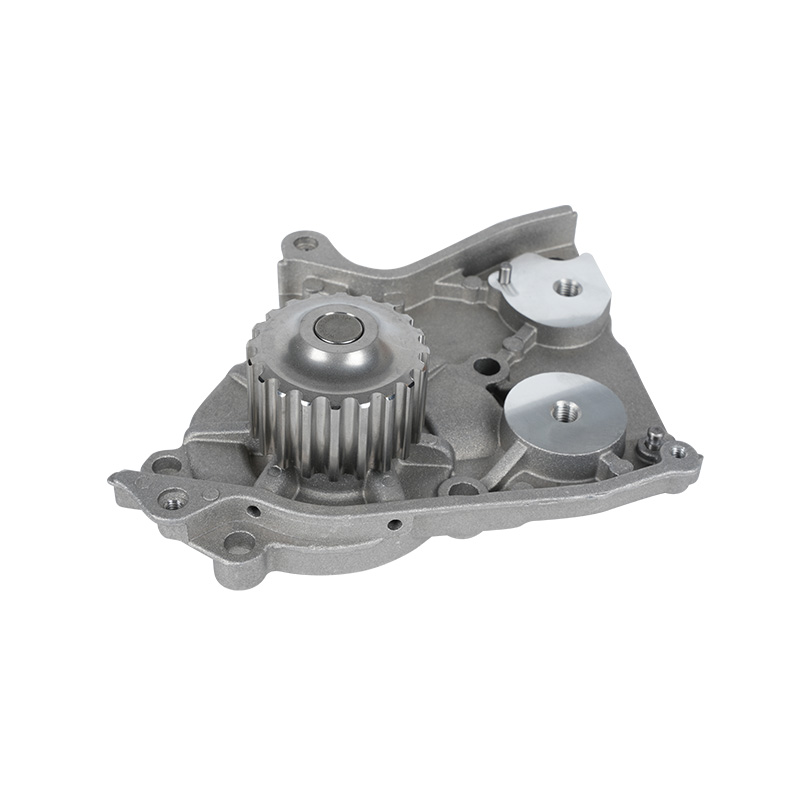
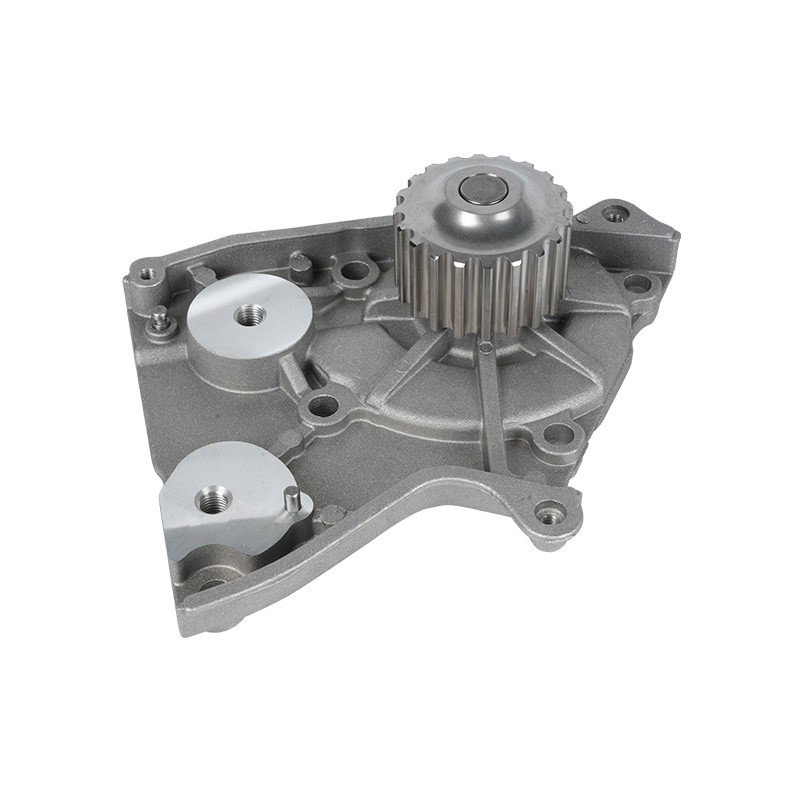
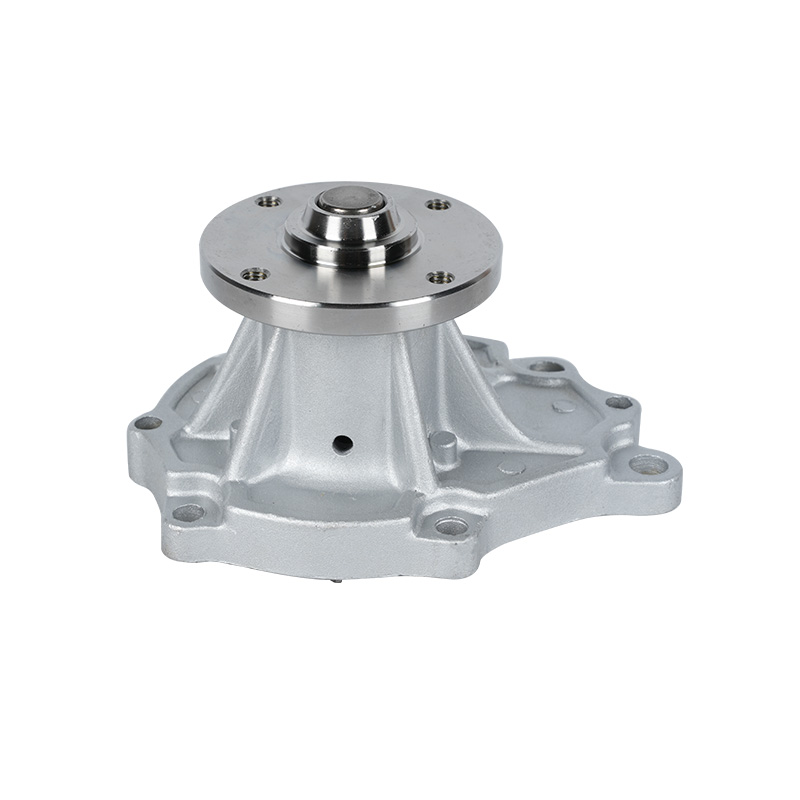
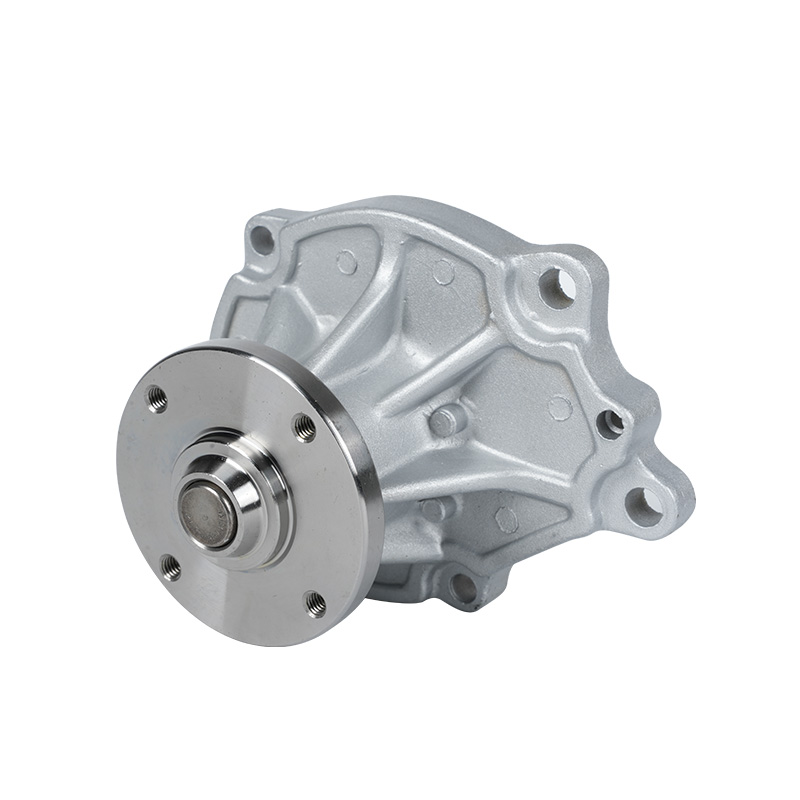
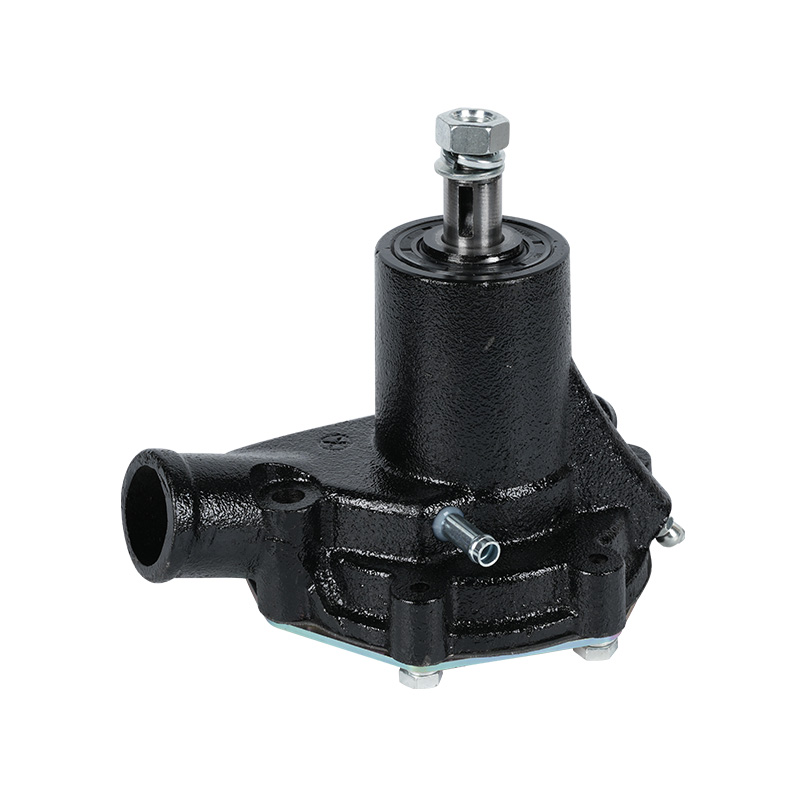
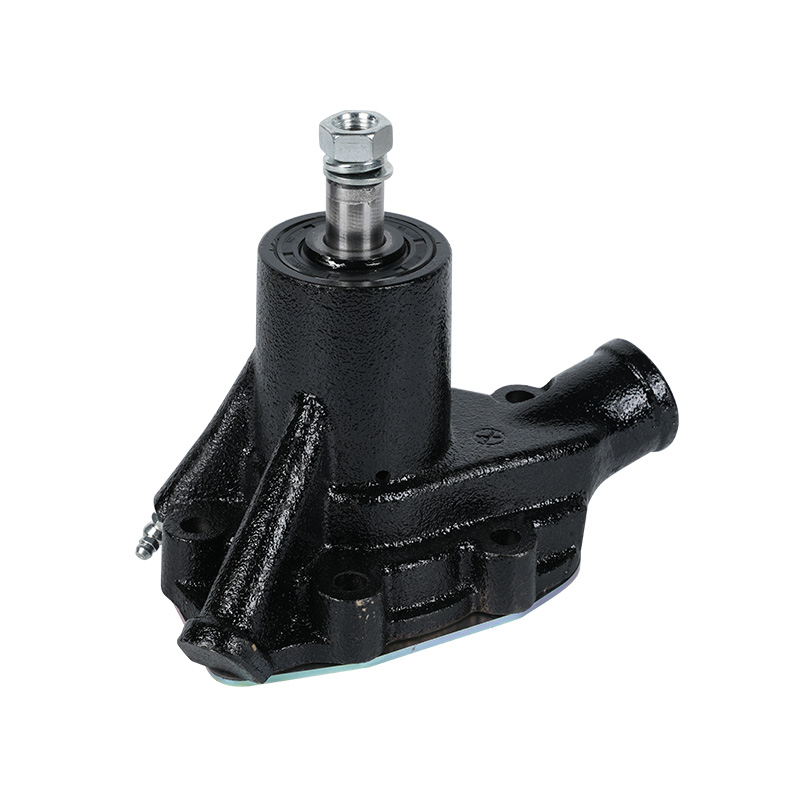
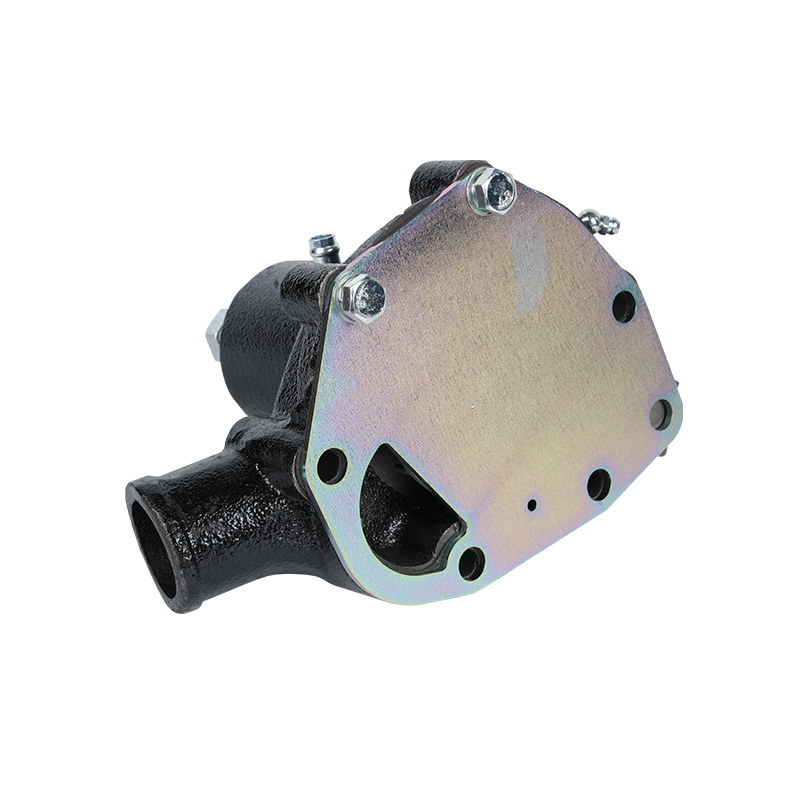
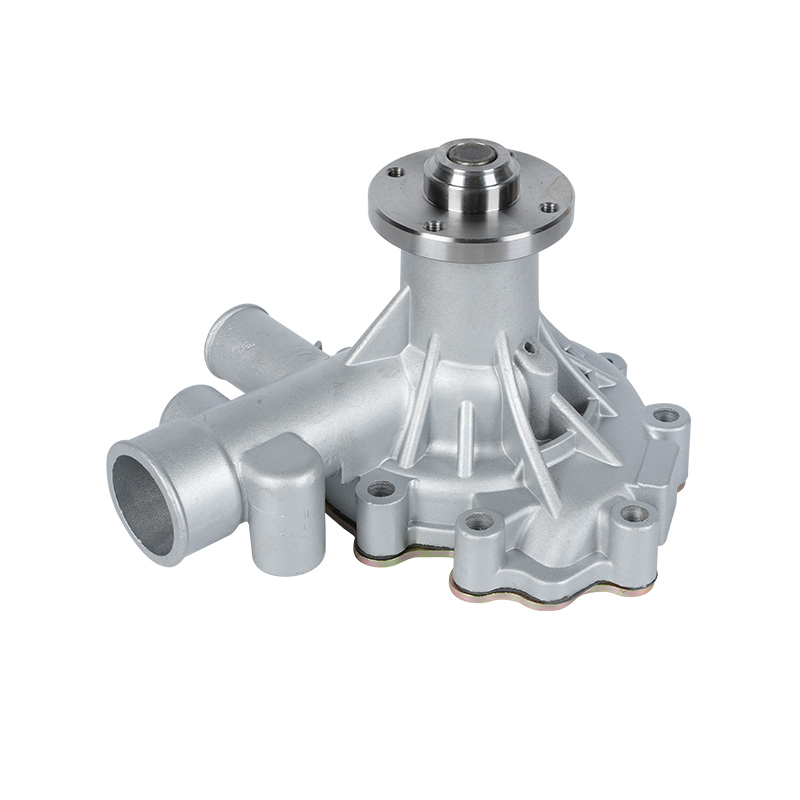
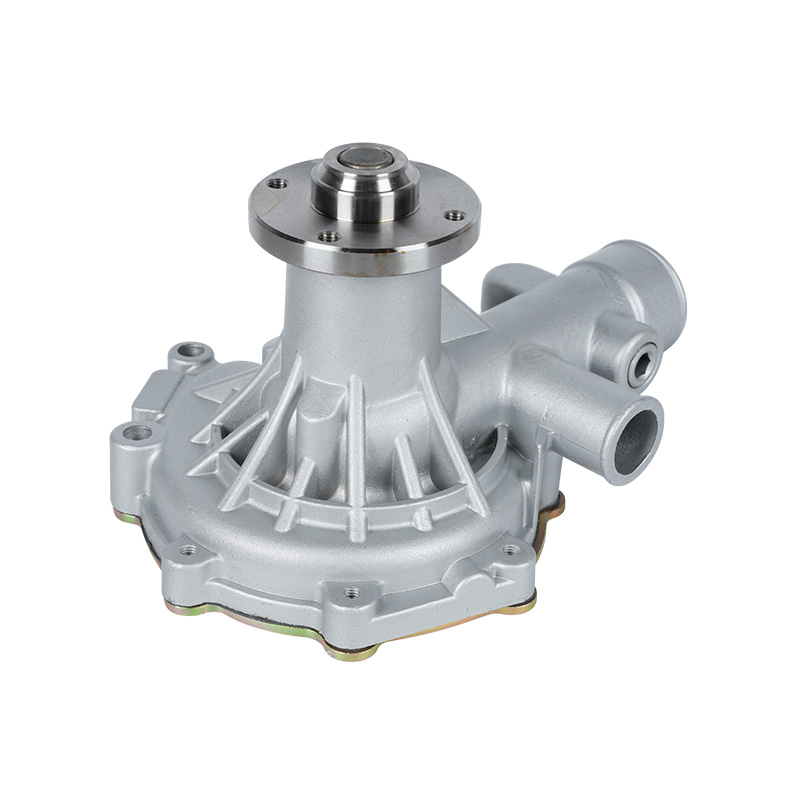
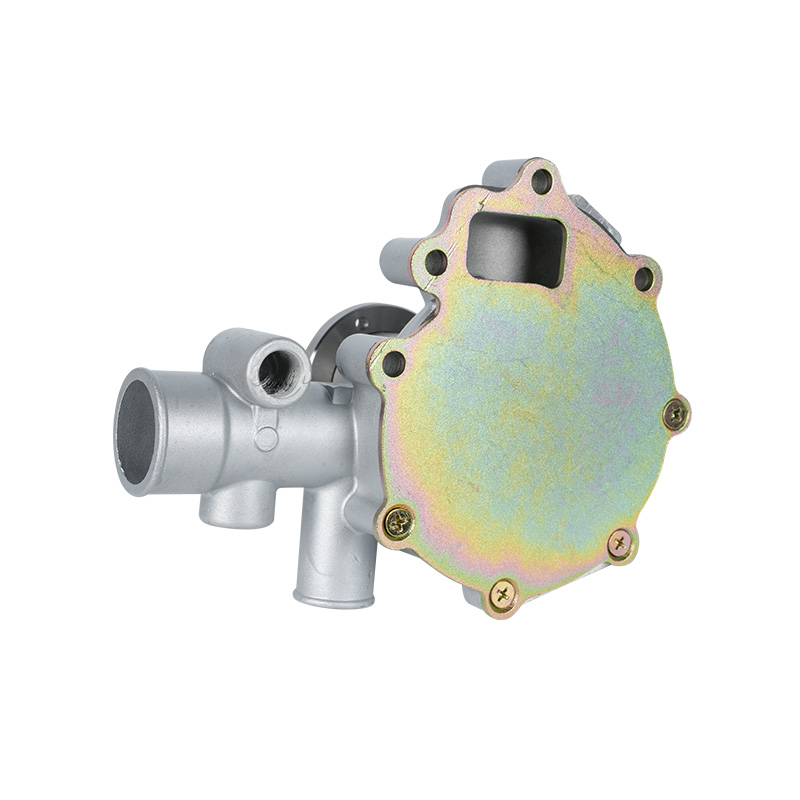
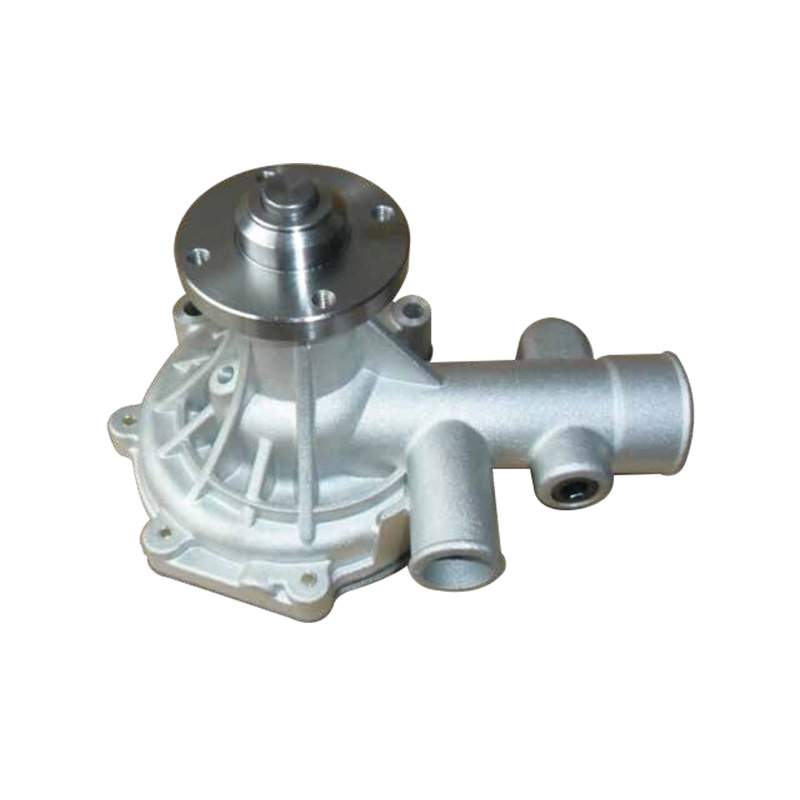
The CXL-Y-028 engine water pump from Zhejiang Jinrui Pump Industry Co., Ltd. delivers exceptional cooling performance through precision-engineered components. This model utilizes high-strength materials and advanced manufacturing processes to ensure reliable coolant circulation under varying operating conditions. Designed to meet or exceed original equipment specifications, the CXL-Y-028 features corrosion-resistant construction and precision bearings that contribute to extended service life.
Previous Post
Forklift Water Pump Ensures Engine Cooling
Next Post
Excavator Pumps Market Driven by Demand
CONTACT US NOW

We sincerely welcome friends from all walks of life
to visit Zhejiang Jinrui Pump Industry Co., Ltd. to
visit, guide and business negotiations,
and jointly create a better future.
- KEEP IN TOUCH
- Phase I of Longshang Shoes Industrial Base, Tashi Street, Longquan City, Lishui City, Zhejiang, China.
- [email protected]
- +86-18957085800 / +86-15268785899
- MOBILE WEB
Copyright © 2024 Zhejiang Jinrui Pump Industry Co., Ltd. 
Electric Pump Factory
