


 English
 中文简体
中文简体Engine Water Pump Failure Prevention Gains Focus
The global automotive aftermarket is placing renewed emphasis on the engine water pump, a component whose failure can cascade into catastrophic engine damage within minutes. As vehicle fleets age and average passenger car life expectancy extends beyond 12 years in major markets, the engine water pump has become a focal point of preventive maintenance strategies. Industry data indicates that water pump failure accounts for roughly 8 percent of all roadside breakdowns related to cooling system faults, with the average replacement interval falling between 90,000 and 160,000 kilometers depending on design and operating conditions. The growing prevalence of turbocharged engines, which generate higher thermal loads and place greater stress on coolant circulation, is further sharpening the focus on this component. Fleets and individual owners alike are recognizing that the relatively modest cost of an engine water pump replacement pales against the expense of a warped cylinder head or seized engine block.
What Are the Mainstream Types and How Are They Driven?
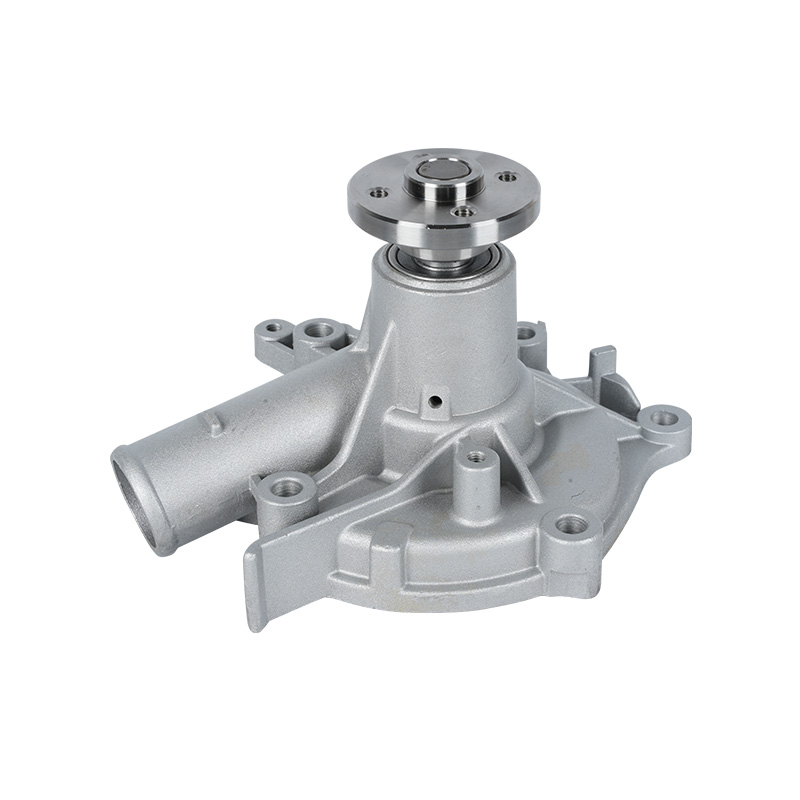
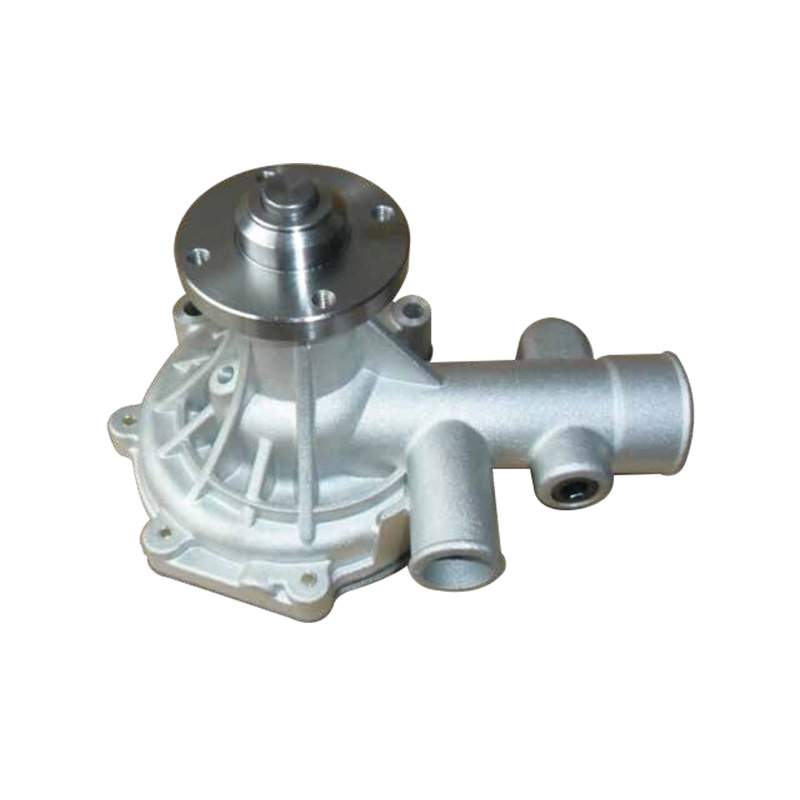
The engine water pump market divides primarily into mechanical and electric variants, each occupying distinct application segments. Mechanical pumps, driven by the engine crankshaft via a serpentine or timing belt, still equip roughly 70 percent of internal combustion engines currently in service globally. These pumps operate at a fixed ratio to engine speed, with typical drive ratios ranging from 0.9 to 1.3 times crankshaft speed, and consume approximately 2 to 4 kilowatts of engine power at highway cruising speeds. Electric water pumps have captured a growing share in recent years, now accounting for an estimated 18 percent of new production vehicles, up from 6 percent a decade ago. These units decouple coolant flow from engine speed entirely, with brushless DC motors delivering flow rates up to 80 liters per minute while drawing less than 300 watts of electrical power. The decoupling enables on-demand cooling strategies that reduce cold-start engine warm-up time by 15 to 25 percent, yielding measurable fuel efficiency improvements.
How Are the Core Structure and Key Components Engineered?
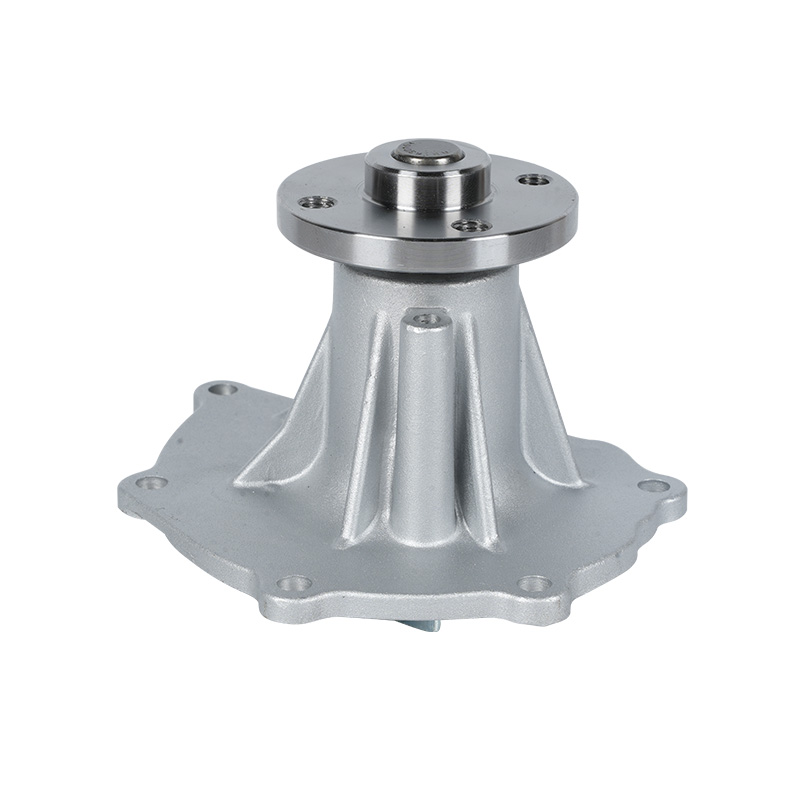
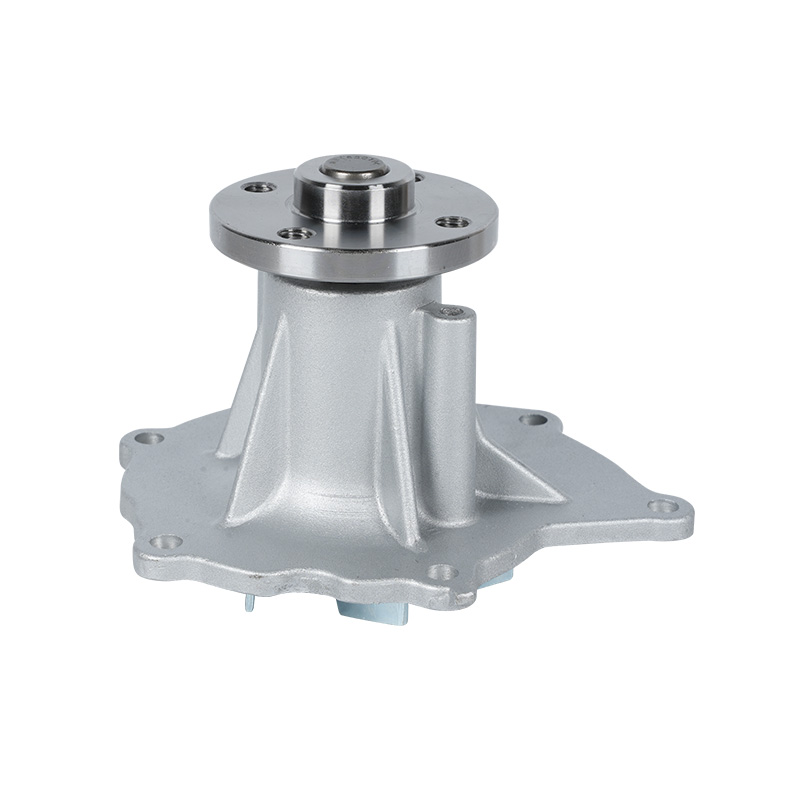
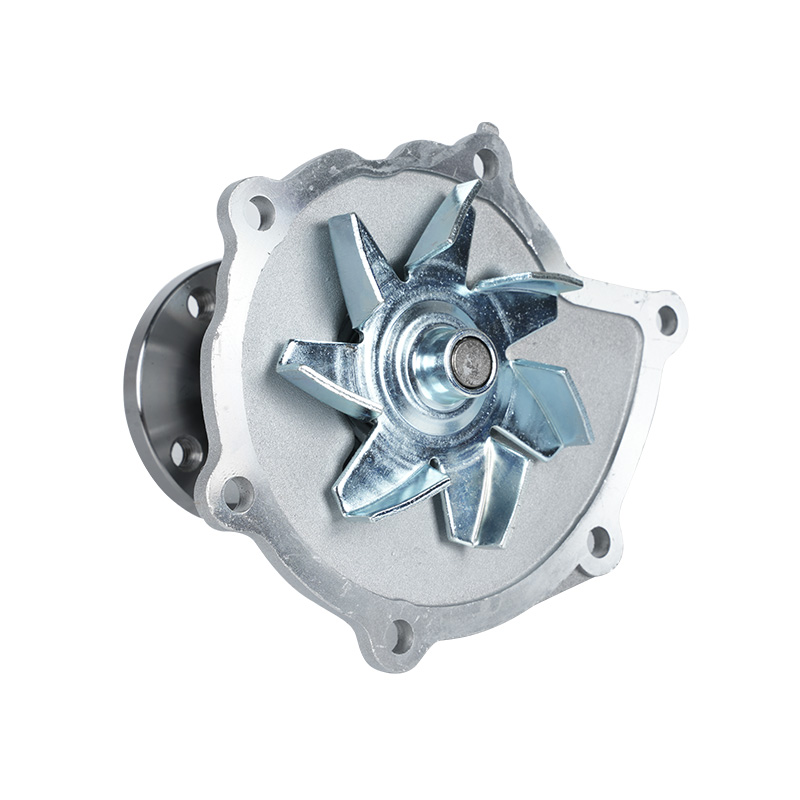
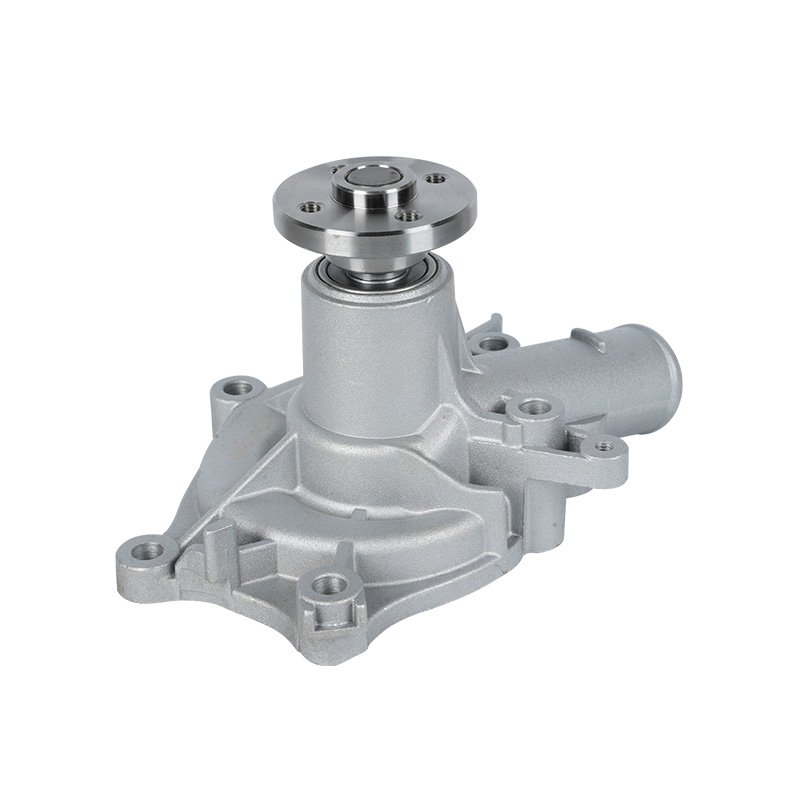
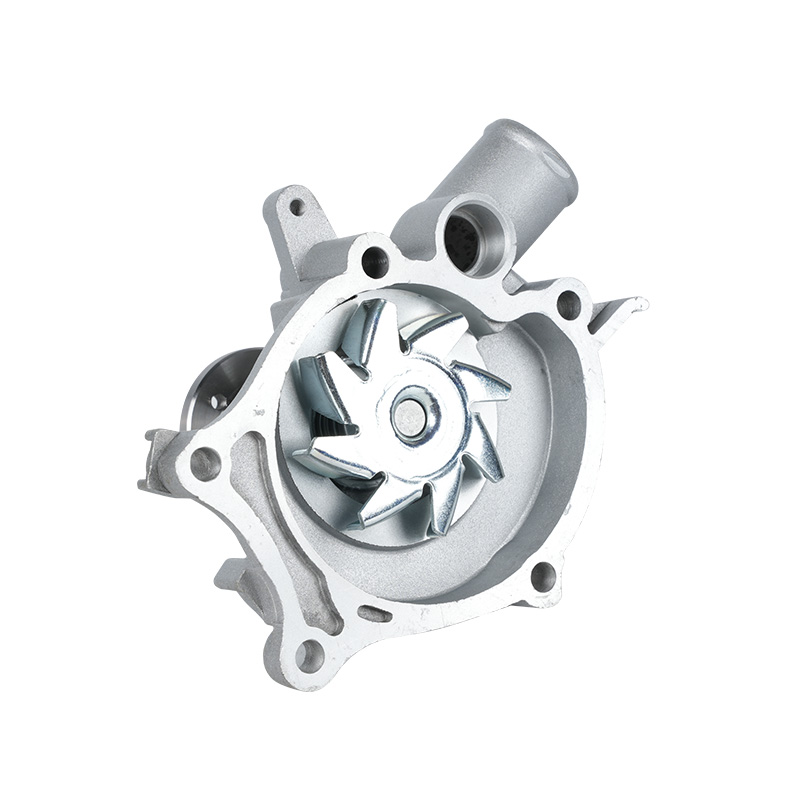
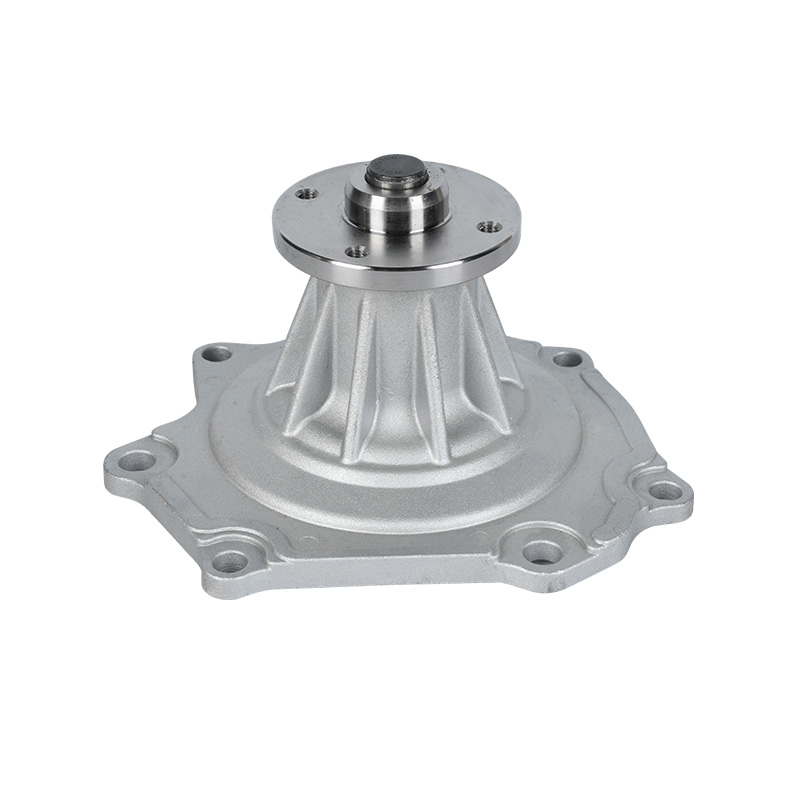
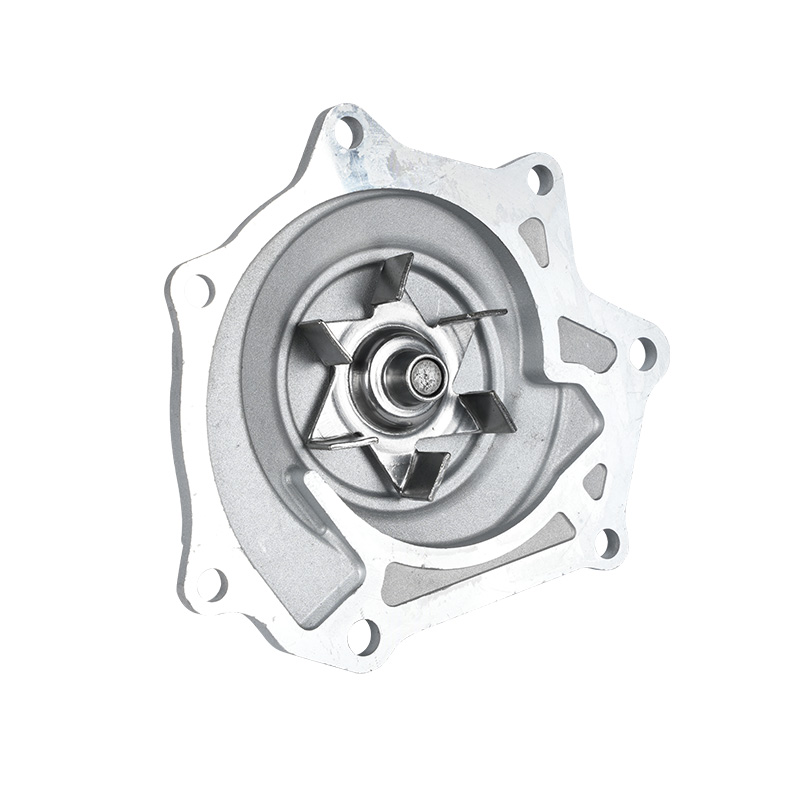
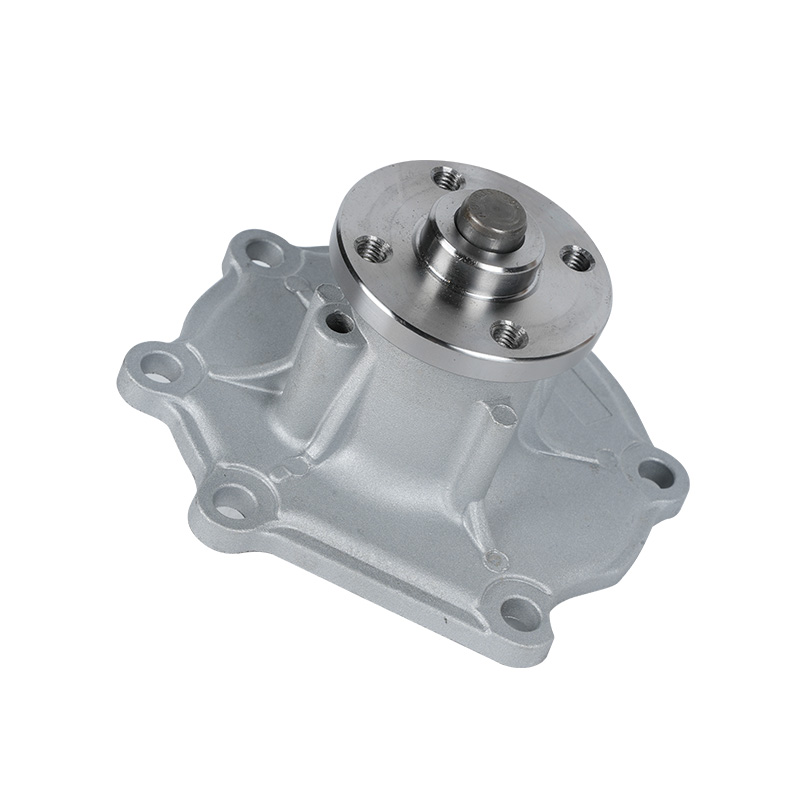
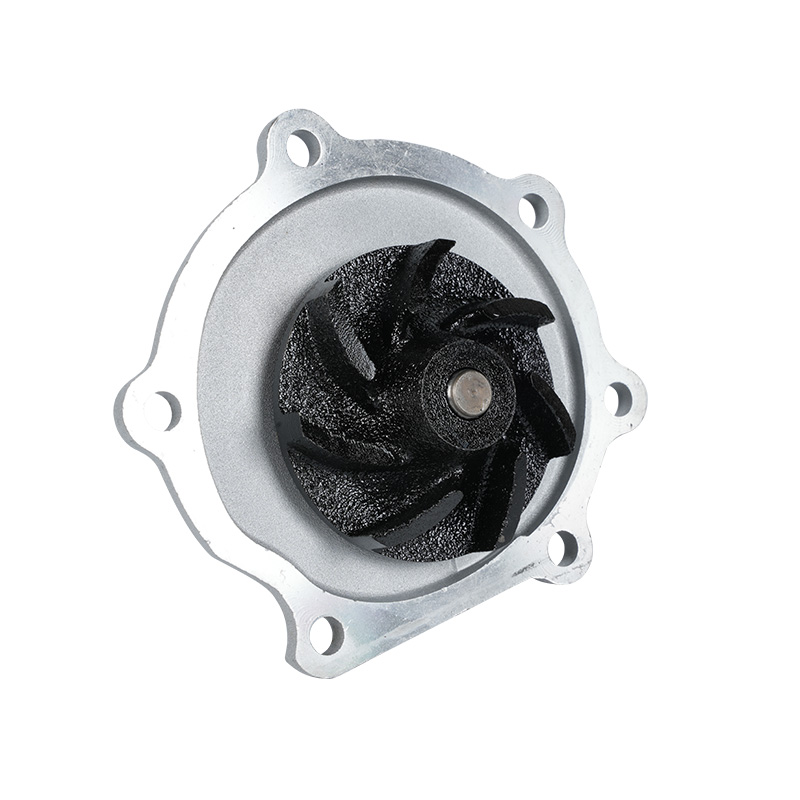
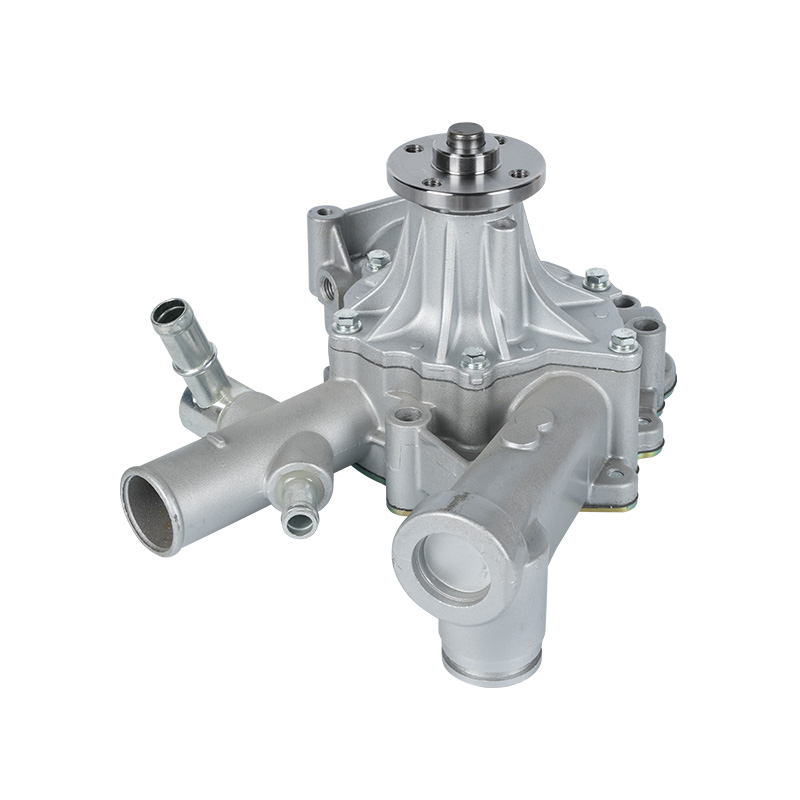
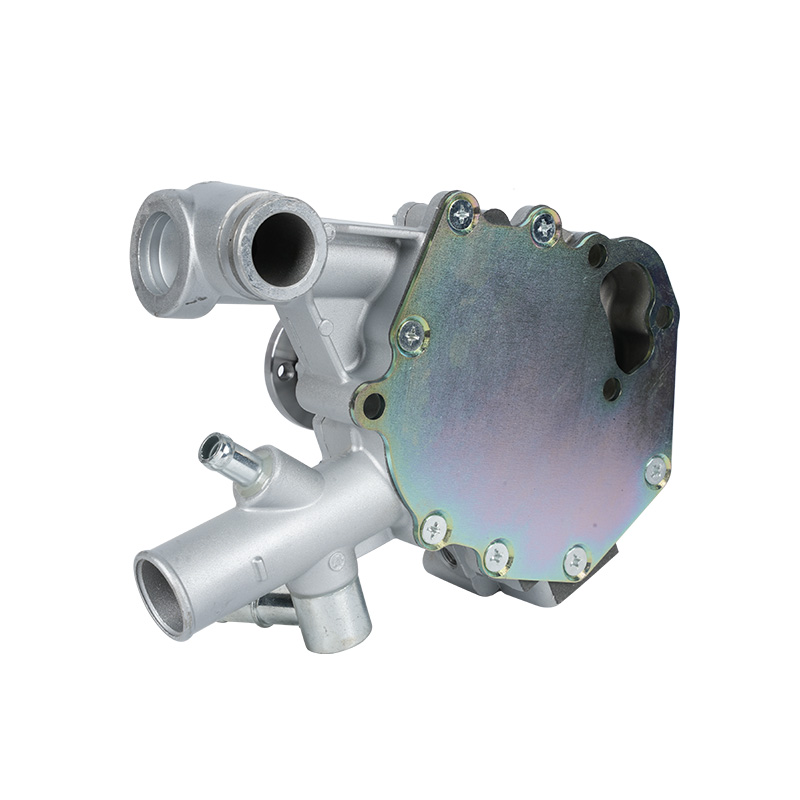
The architecture of a modern engine water pump centers on a precision bearing assembly that must resist both radial belt loads and axial thrust from coolant pressure gradients. The bearing shaft supports the impeller at one end and the drive pulley or hub at the other, with most OEM specifications requiring an L10 bearing life rating exceeding 200,000 kilometers under rated load. The impeller itself has evolved from cast iron to engineered thermoplastics and stamped stainless steel, with the latter gaining approximately 15 percentage points of market share over the past five years due to predominant corrosion resistance in extended-life coolants. The mechanical seal is the single critical subcomponent, accounting for roughly 65 percent of all water pump field failures. Modern cartridge seals employ a stationary ceramic counterface running against a carbon-graphite rotating ring, lubricated by the coolant film itself, with design leak rates below 0.1 milliliters per hour. The seal chamber must maintain a precise balance between coolant access for lubrication and the exclusion of abrasive particulates that can accelerate face wear.
How Are Common Faults Diagnosed and Addressed?
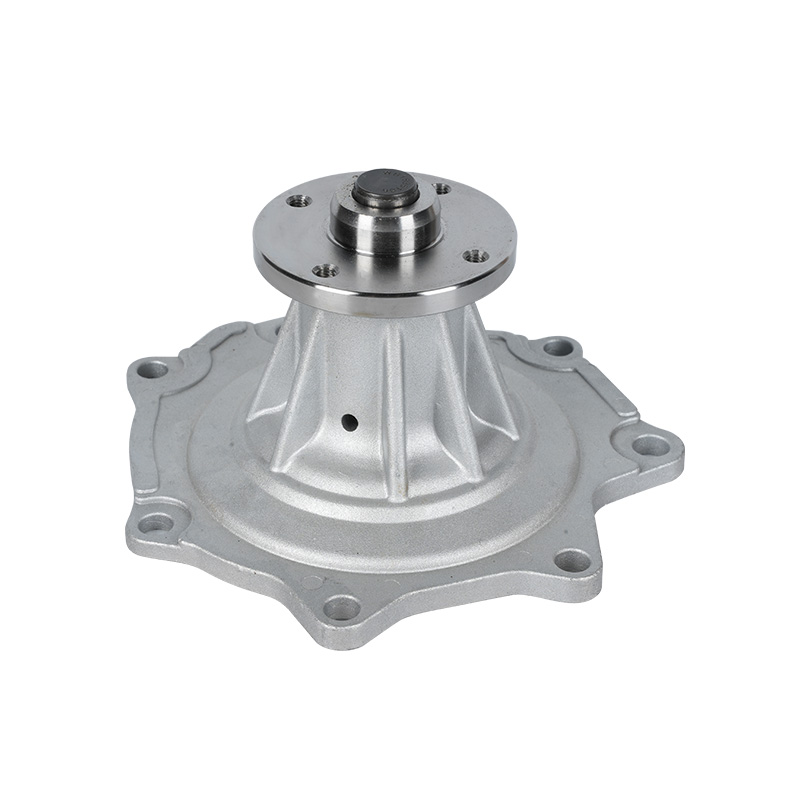
Field service data identifies three predominant failure modes, each with distinct diagnostic indicators. Bearing wear, responsible for approximately 35 percent of water pump replacements, announces itself through a progressive growl or rumble that increases in pitch with engine speed, often detectable with a mechanic's stethoscope placed on the pump housing. A bearing with radial play exceeding 0.25 millimeters measured at the pulley rim is considered beyond service limits by most manufacturers. Seal failure presents as a visible coolant weep from the vent hole positioned between the bearing and seal chambers, with a seepage rate above 10 milliliters per 1,000 kilometers indicating impending failure. This vent hole, often misinterpreted as a leak defect, is deliberately engineered to prevent failed coolant from contaminating the bearing grease. Impeller degradation, a less common but insidious failure, affects primarily pumps with plastic impellers exposed to acidic coolant that has exceeded its 5-year service life. Corrosion can erode impeller vane height by up to 30 percent before noticeable overheating occurs, making it a frequent misdiagnosis that results in unnecessary thermostat or radiator replacements. Temperature gauge readings that creep upward at idle but stabilize at cruising speed often point to impeller erosion rather than a sticking thermostat.
The engine water pump occupies a deceptively critical position in vehicle reliability, its failure frequently catastrophic yet its replacement often deferred until symptoms become undeniable. As electric pumps proliferate and mechanical designs contend with higher thermal loads, the diagnostic and replacement discipline surrounding this component becomes a defining element of engine longevity.
For reliable fluid handling solutions, we recommend the CXL-Y-029 from Zhejiang Jinrui Pump Industry Co., Ltd. This efficient pump unit is engineered for stable, long-lasting performance across residential, agricultural, and light industrial applications. Its compact design ensures easy installation and low maintenance, while the durable construction provides resistance against wear and corrosion. The CXL-Y-029 delivers consistent flow, helping users reduce downtime and energy costs. Whether you need water transfer, pressure boosting, or circulation support, this model offers outstanding value. Choose Jinrui for a balance of quality, affordability, and dependable operation.
Previous Post
Excavator Water Pump Maintenance Gains Priority
Next Post
Excavator Pumps Evolve for Sewage Duty

CONTACT US NOW

We sincerely welcome friends from all walks of life
to visit Zhejiang Jinrui Pump Industry Co., Ltd. to
visit, guide and business negotiations,
and jointly create a better future.
- KEEP IN TOUCH
- Phase I of Longshang Shoes Industrial Base, Tashi Street, Longquan City, Lishui City, Zhejiang, China.
- [email protected]
- +86-18957085800 / +86-15268785899
- MOBILE WEB
Copyright © 2024 Zhejiang Jinrui Pump Industry Co., Ltd. 
Electric Pump Factory
