


 English
 中文简体
中文简体Agricultural Water Pump Innovations Boost Farm Efficiency
Across the world's farmlands, efficient water management is the cornerstone of productivity and sustainability, at the center of this effort is the Agricultural Water Pump, a critical piece of technology that moves water from its source to the crops that need it. As climate variability increases and water resources come under greater pressure, the selection and operation of the right Agricultural Water Pump have become decisive factors for farm profitability and resilience, driving continuous innovation in pump design and energy efficiency.
What Are the Basic Principles and Main Types?
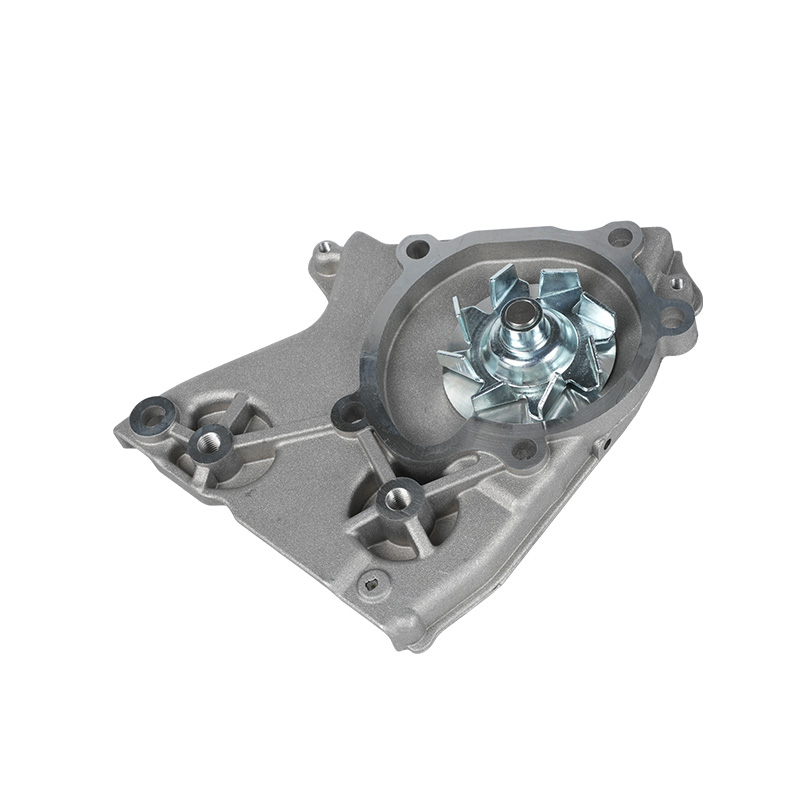
An Agricultural Water Pump operates on fundamental hydraulic principles, primarily categorized as either positive displacement or centrifugal. The many common type, the centrifugal pump, uses a rotating impeller to impart kinetic energy to water, creating flow and pressure. For deeper water sources, submersible turbine pumps are employed, utilizing multiple stacked impellers to achieve the necessary lift. Surface-mounted centrifugal pumps are typically used for moving water from ponds or canals. The choice between these types is dictated by the specific agricultural context, with each design offering distinct advantages in terms of efficiency, required maintenance, and suitability for different water qualities and source depths.
How Are They Applied and Integrated into Farming Systems?
The role of an Agricultural Water Pump extends far beyond simple water lifting; it is the engine of the entire irrigation system. The pump's performance must be precisely matched to the irrigation method. Low-pressure, high-efficiency pumps are ideal for drip irrigation systems, which deliver water directly to plant roots and can reduce water usage by a considerable percentage compared to traditional methods. In contrast, center-pivot or overhead sprinkler systems require pumps capable of generating higher pressure to propel water through the network. Furthermore, Agricultural Water Pumps are integral to other farm operations, including supplying water for livestock, managing drainage in fields, and transferring liquid fertilizers or other agricultural inputs as part of a broader resource management strategy.
What Factors Guide Selection and Influence Cost?
Selecting the ideal Agricultural Water Pump is a calculated decision based on key parameters: the total dynamic head (combining vertical lift and pipeline friction) and the required flow rate, often measured in gallons per minute (GPM) or liters per second. An undersized pump will fail to deliver adequate water, while an oversized unit leads to excessive energy consumption and wear. The total cost of ownership encompasses the initial purchase price, installation, and, many significantly, ongoing energy expenses, which can represent a large portion of lifecycle costs. This economic reality is accelerating the adoption of solar-powered Agricultural Water Pumps. Although the initial investment for a solar array and pump can be higher, the near-zero operational energy cost and reliability in remote areas offer a compelling long-term value, with payback periods often estimated within a range of years depending on local conditions and energy prices.
The future of the Agricultural Water Pump is increasingly linked to smart technology. Integration with soil moisture sensors and automated control systems allows pumps to operate only when and where water is needed, optimizing both water use and energy consumption. As agriculture continues to evolve toward greater precision and sustainability, the Agricultural Water Pump will remain its indispensable hydraulic heart, evolving from a simple mechanical device into an intelligent, data-driven component of efficient farm management.
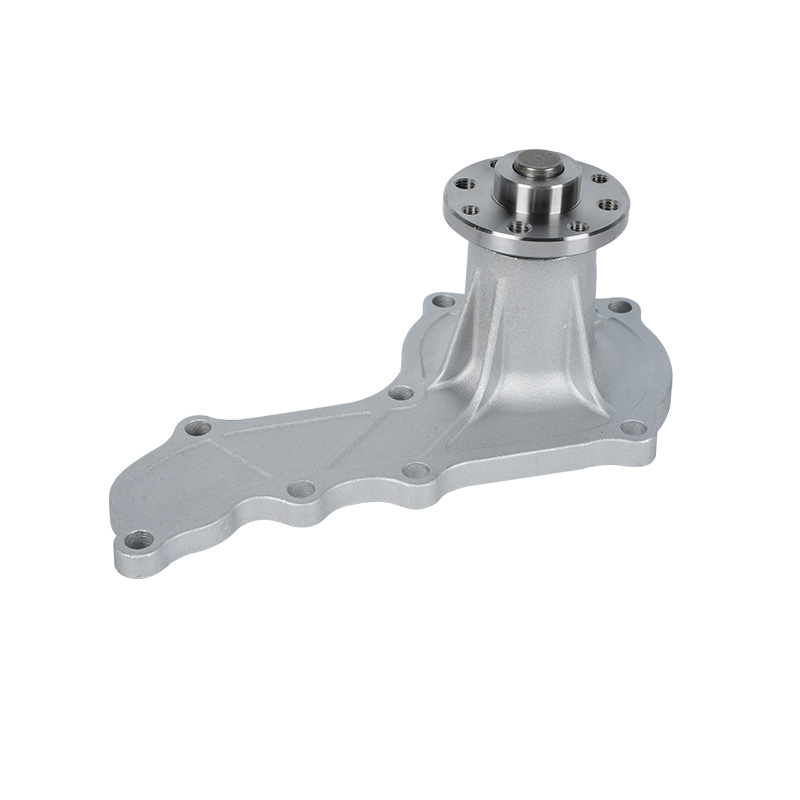
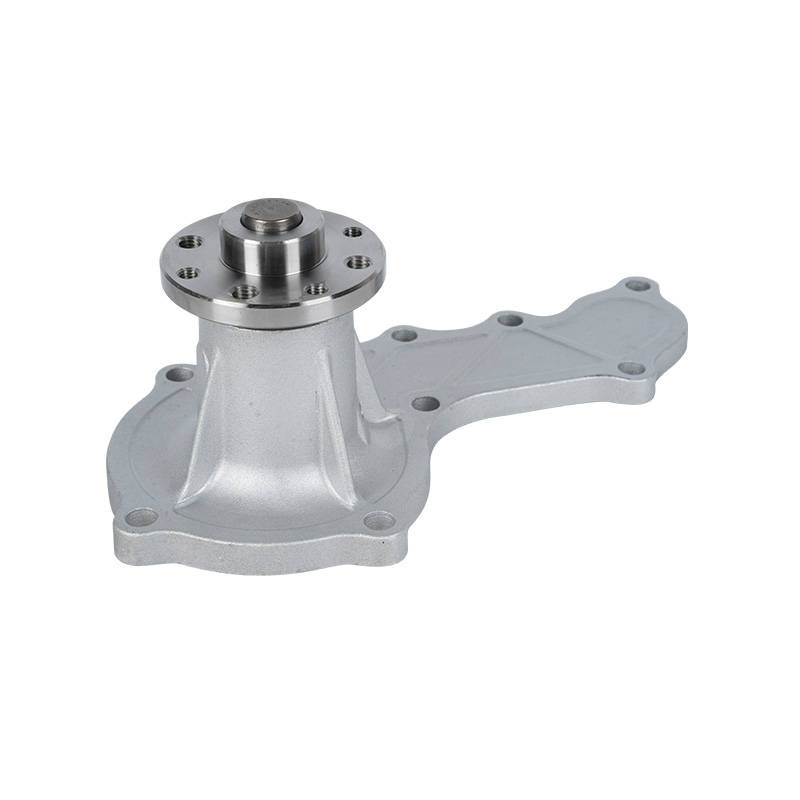
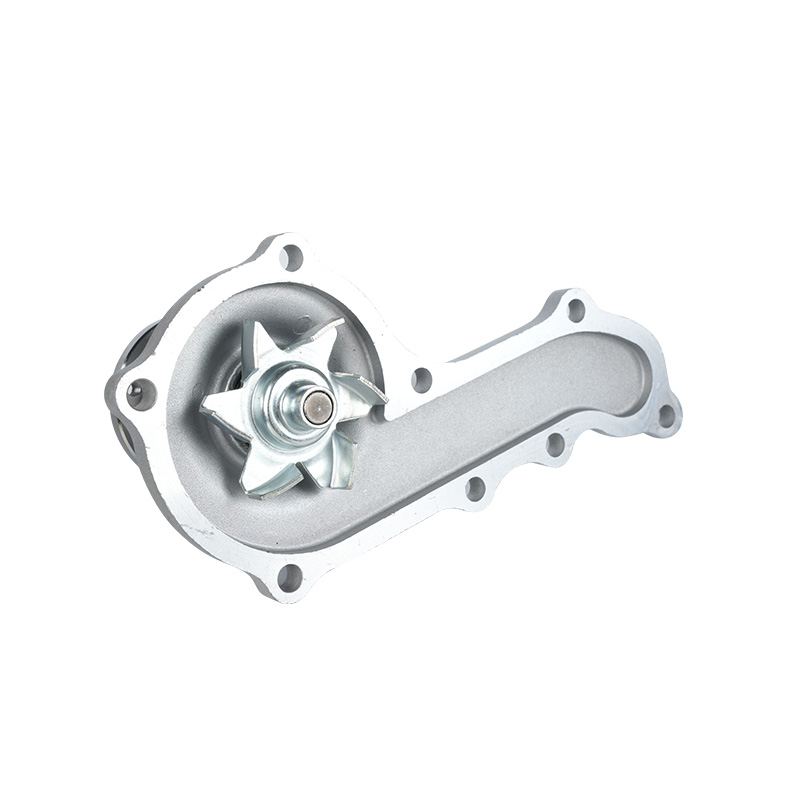
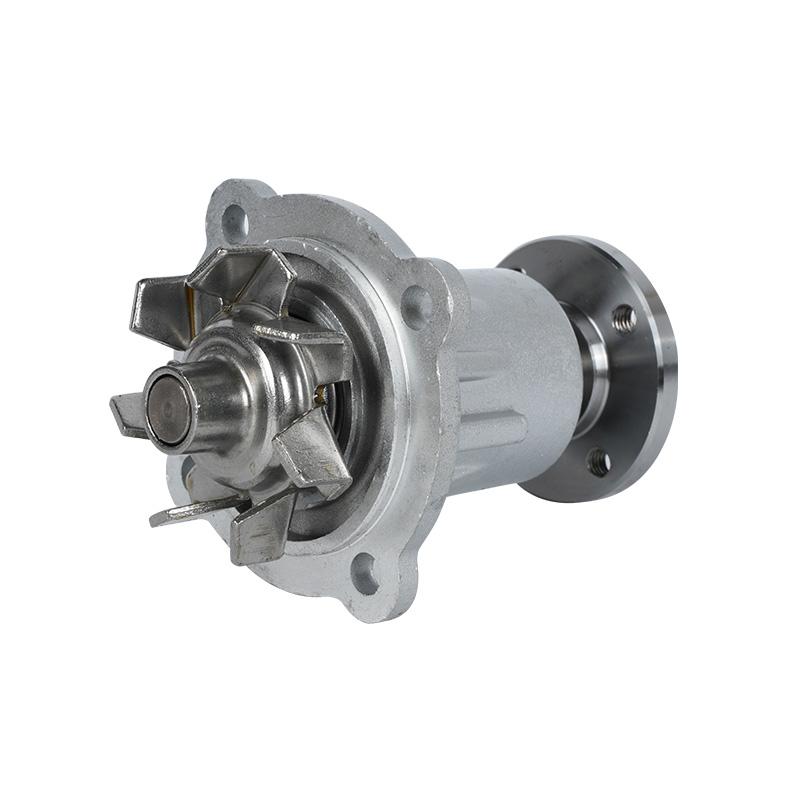
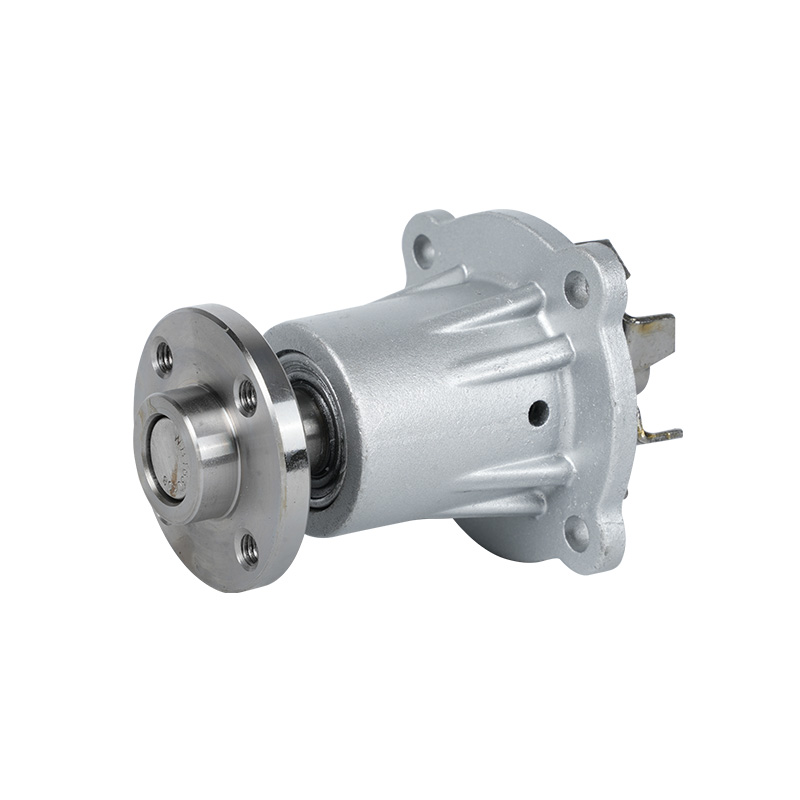
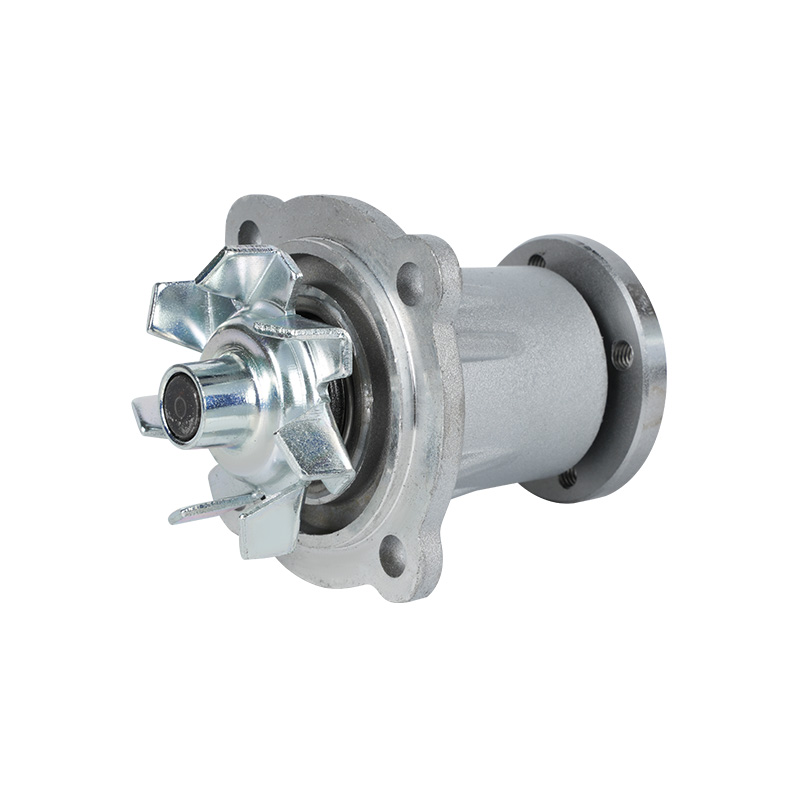
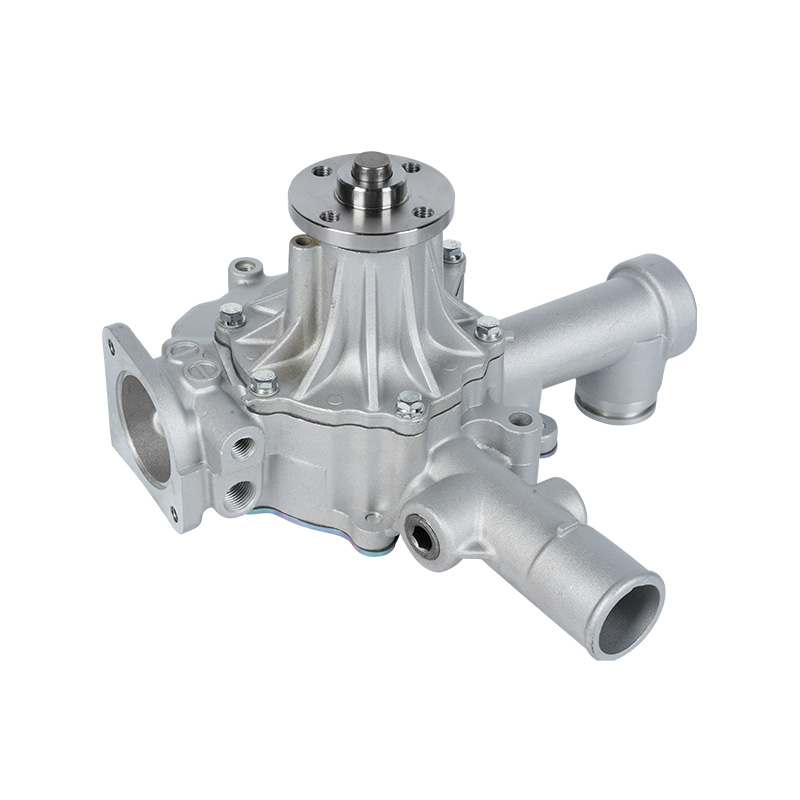
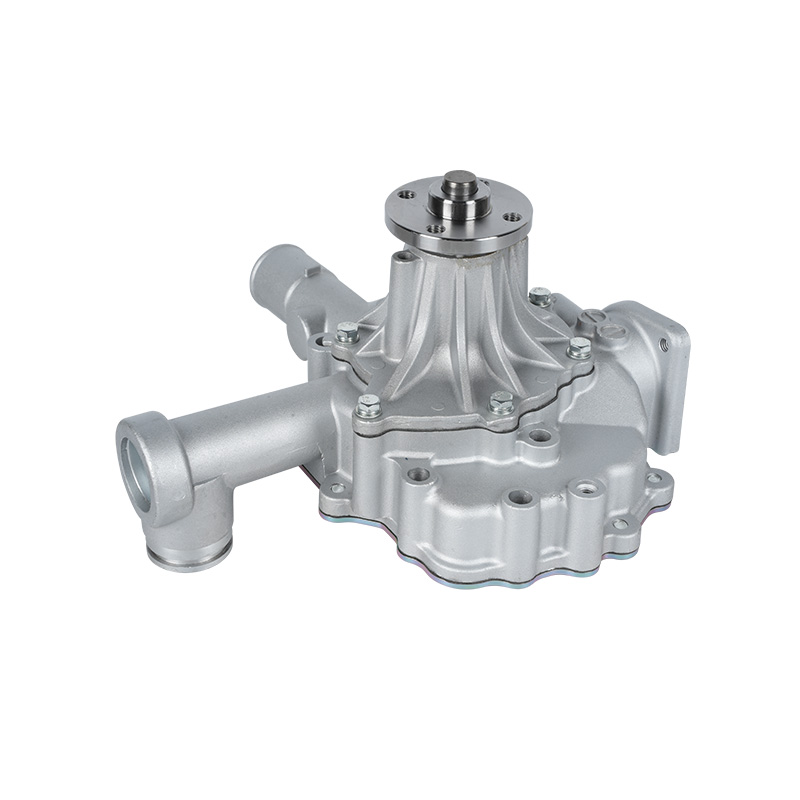
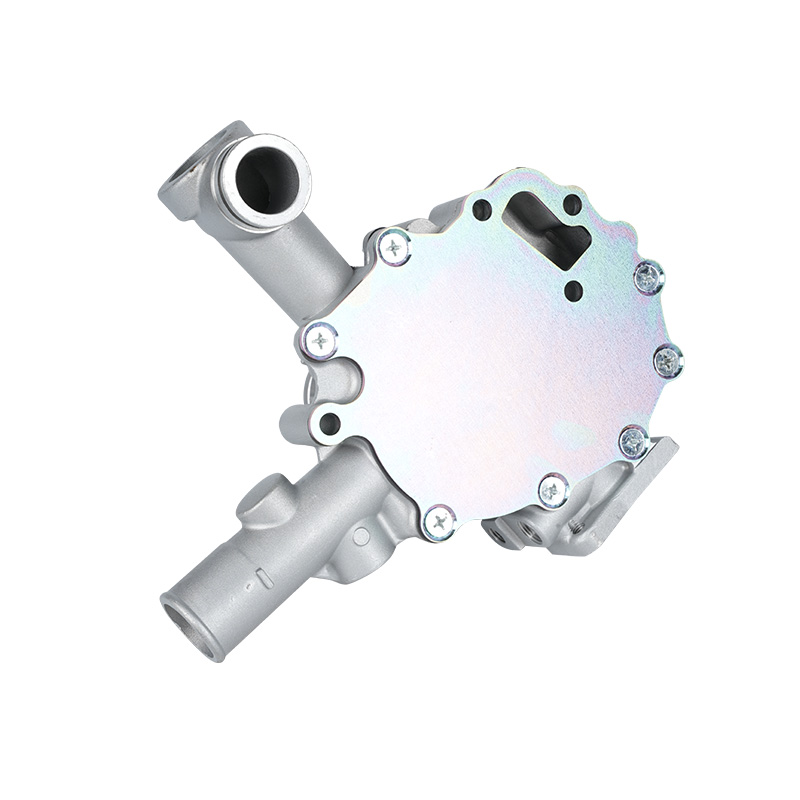
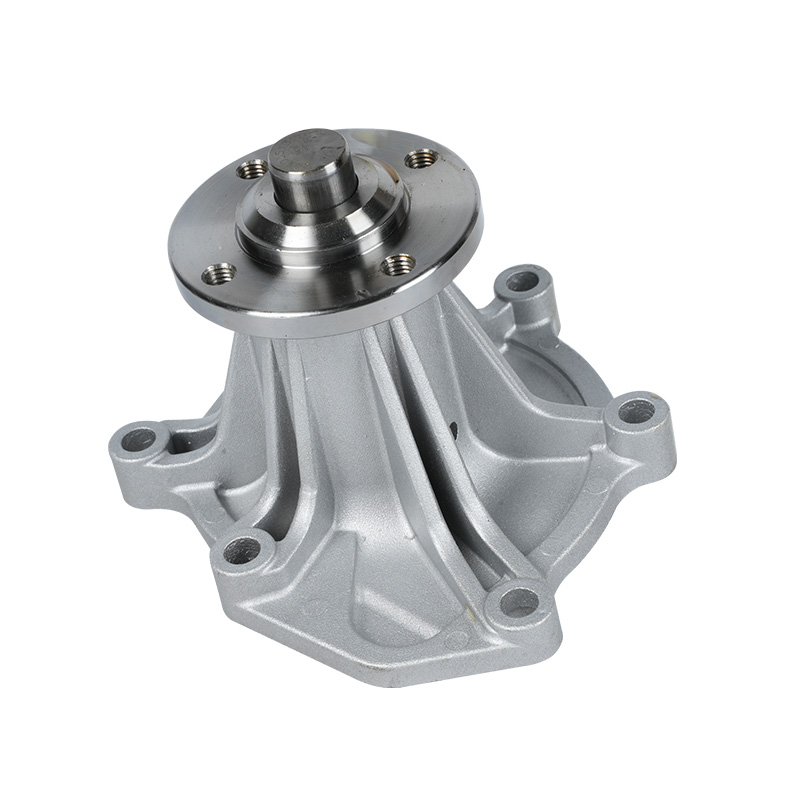
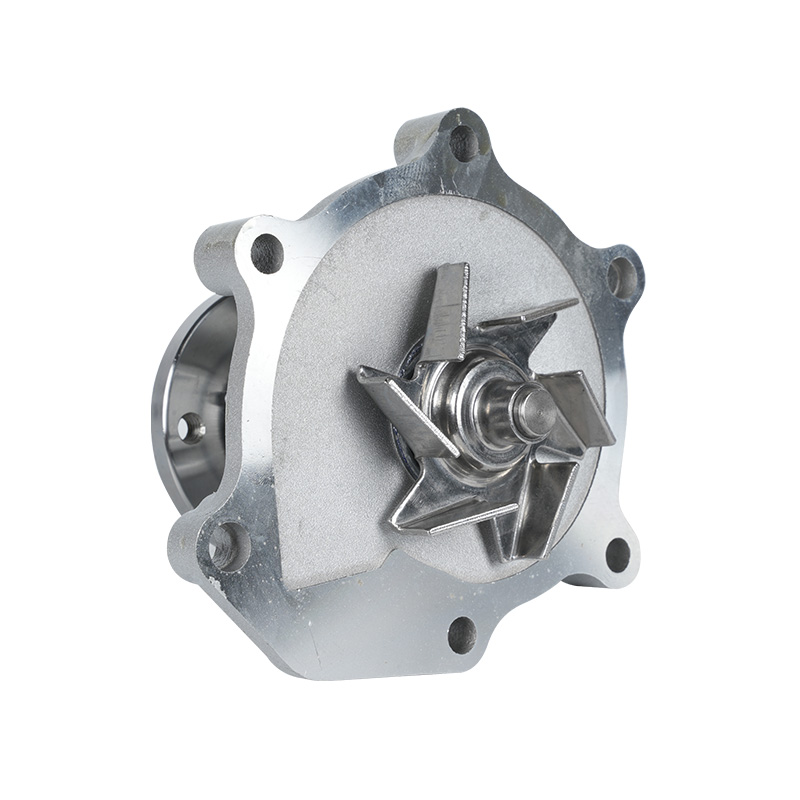
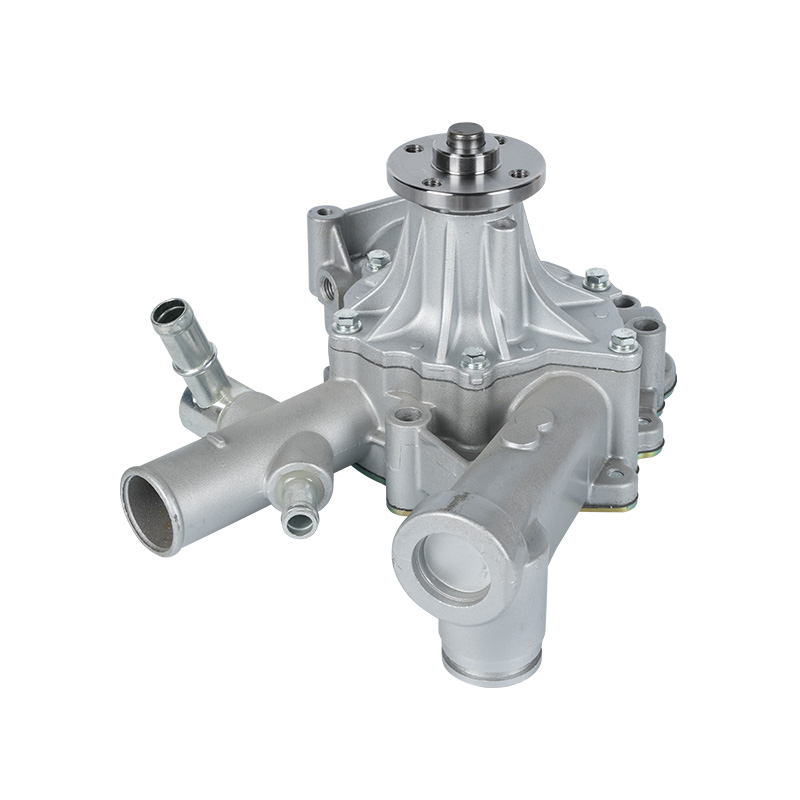
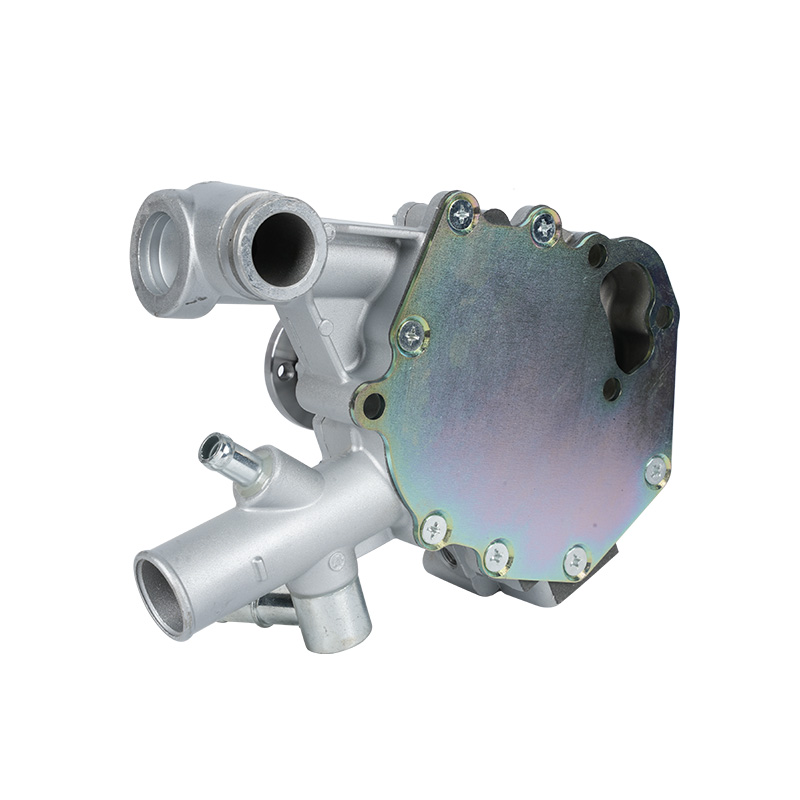
For efficient and dependable industrial fluid transfer, the CXL-Y-011 pump from ZHEJIANG JINRUI PUMP INDUSTRY CO., LTD. is an outstanding choice. This model is engineered to provide robust performance in demanding applications such as water supply, cooling systems, and process liquid circulation. Its construction prioritizes durability and corrosion resistance, ensuring a long service life with small maintenance. Designed for energy efficiency and stable operation, the CXL-Y-011 helps optimize system performance while controlling operational costs. It is a reliable and practical solution for commercial and industrial settings where consistent pump operation is essential.
Previous Post
Forklift Water Pump Ensures Engine Reliability
Next Post
Yanmar Pump Technology Powers Diverse Industries


CONTACT US NOW

We sincerely welcome friends from all walks of life
to visit Zhejiang Jinrui Pump Industry Co., Ltd. to
visit, guide and business negotiations,
and jointly create a better future.
- KEEP IN TOUCH
- Phase I of Longshang Shoes Industrial Base, Tashi Street, Longquan City, Lishui City, Zhejiang, China.
- [email protected]
- +86-18957085800 / +86-15268785899
- MOBILE WEB
Copyright © 2024 Zhejiang Jinrui Pump Industry Co., Ltd. 
Electric Pump Factory
