


 English
 中文简体
中文简体Why Is the Engine Water Pump Considered a Hardworking Component?
The Basic Job of an Engine Water Pump
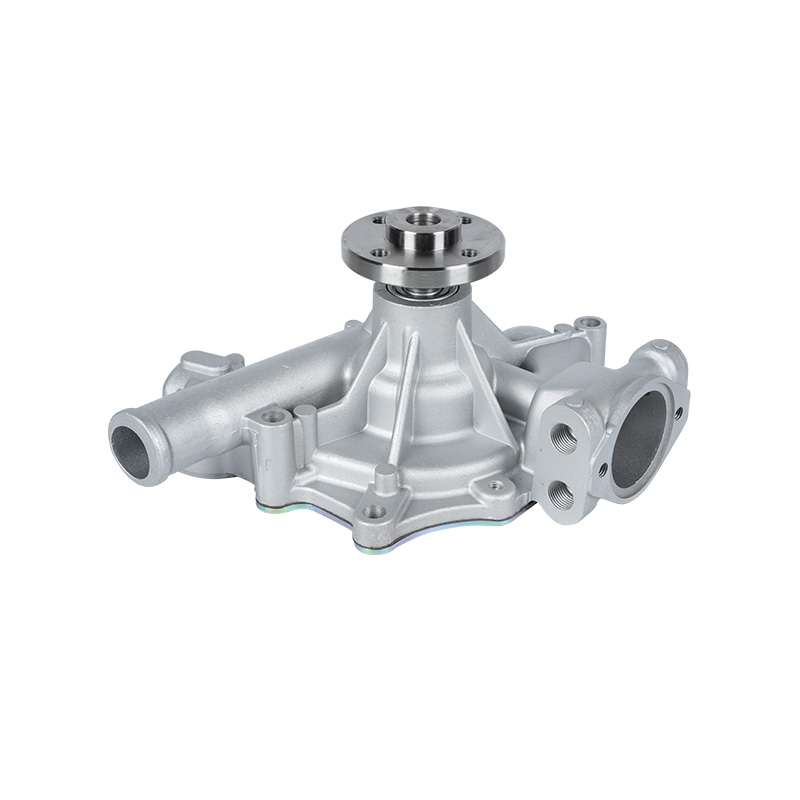
An engine water pump is a simple machine with a clear mission: move coolant through the engine and the radiator. The coolant absorbs heat from the engine block and cylinder heads, then travels to the radiator, where the heat is released into the outside air. The water pump keeps this loop moving steadily.
Think of it like the heart in a circulatory system. The engine produces heat; the coolant carries that heat away; the water pump keeps the fluid flowing. Without circulation, hot spots develop, and temperatures rise rapidly.
How Does an Engine Water Pump Work?
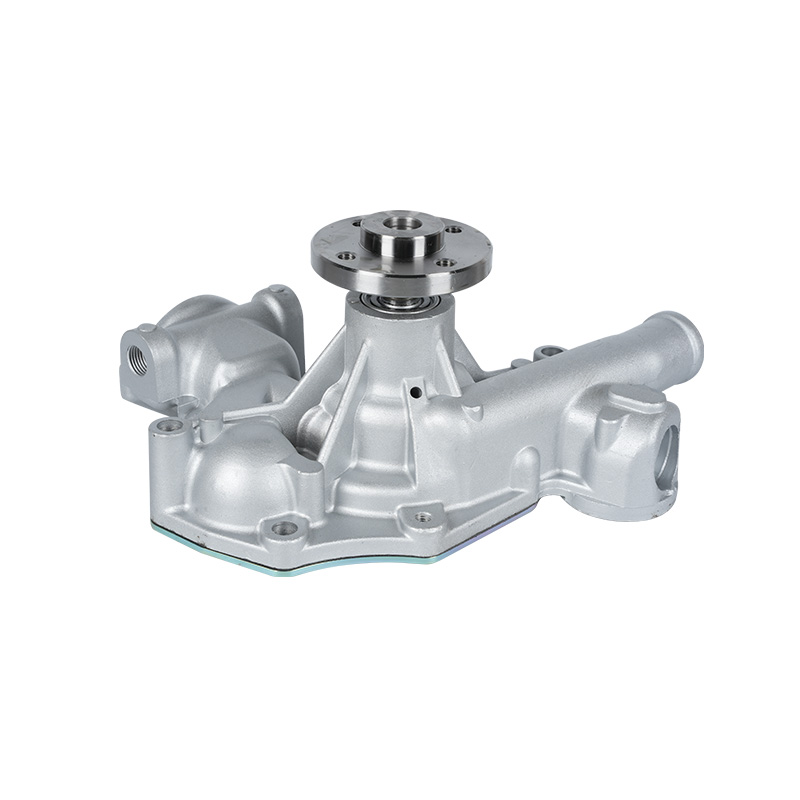
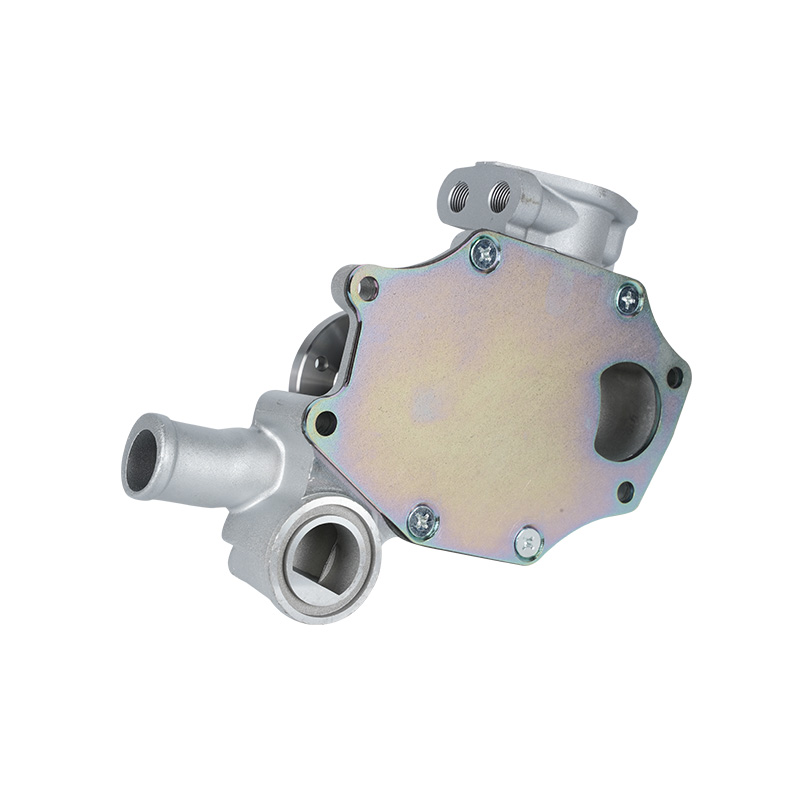
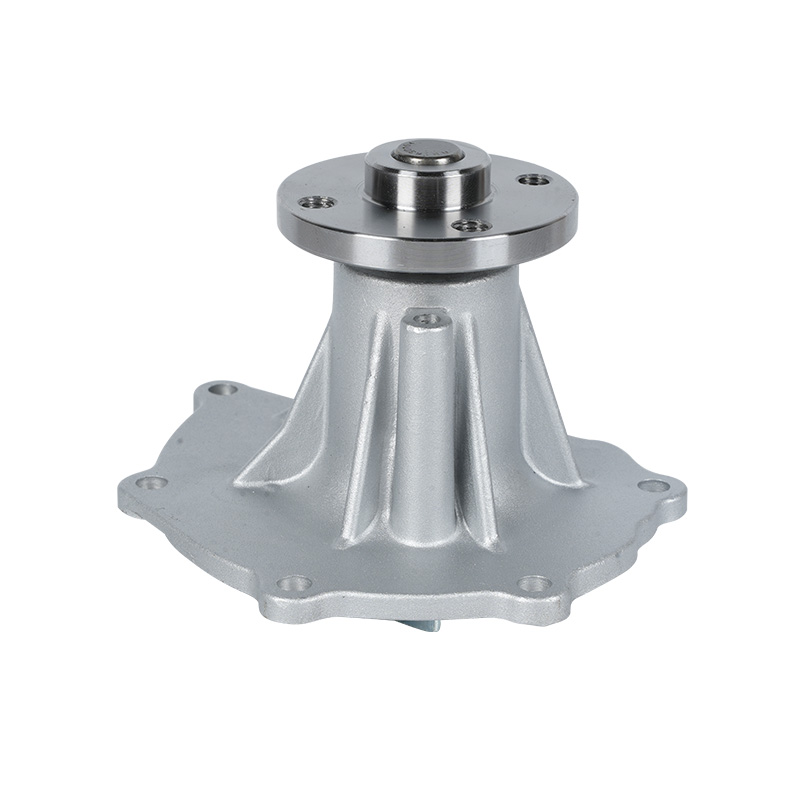
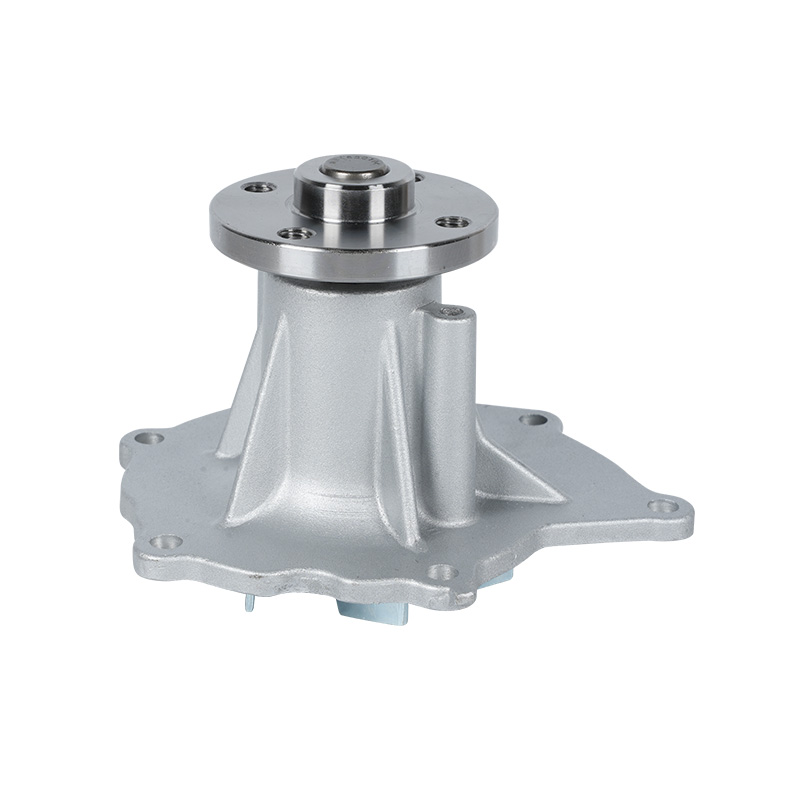
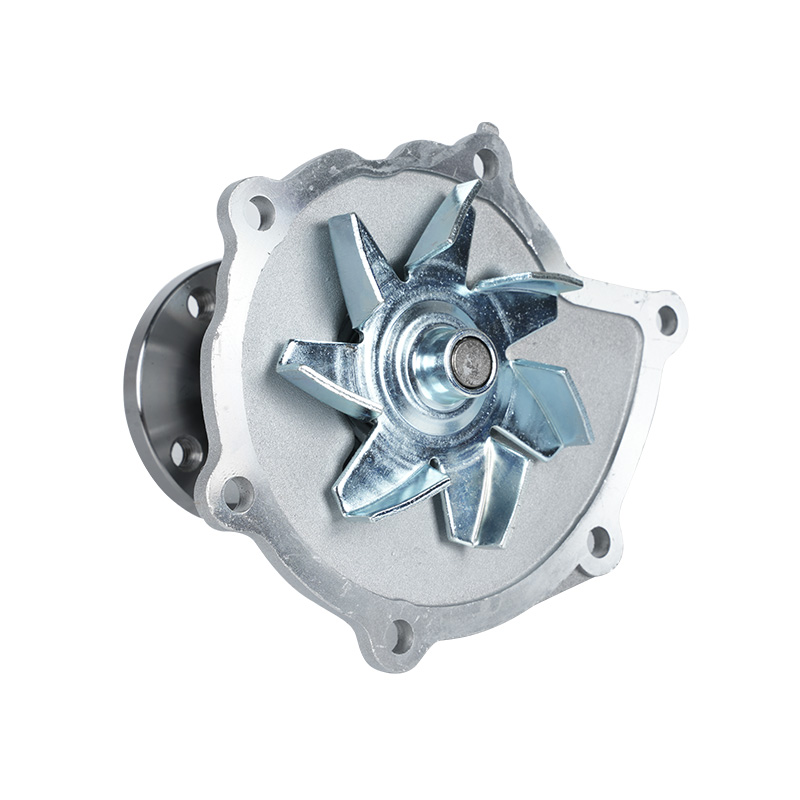
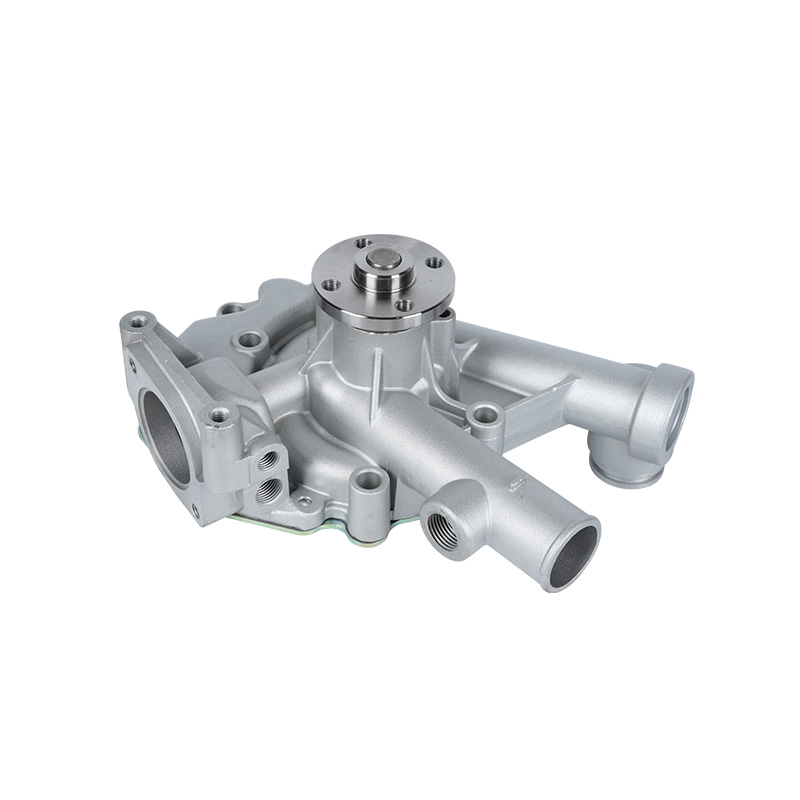
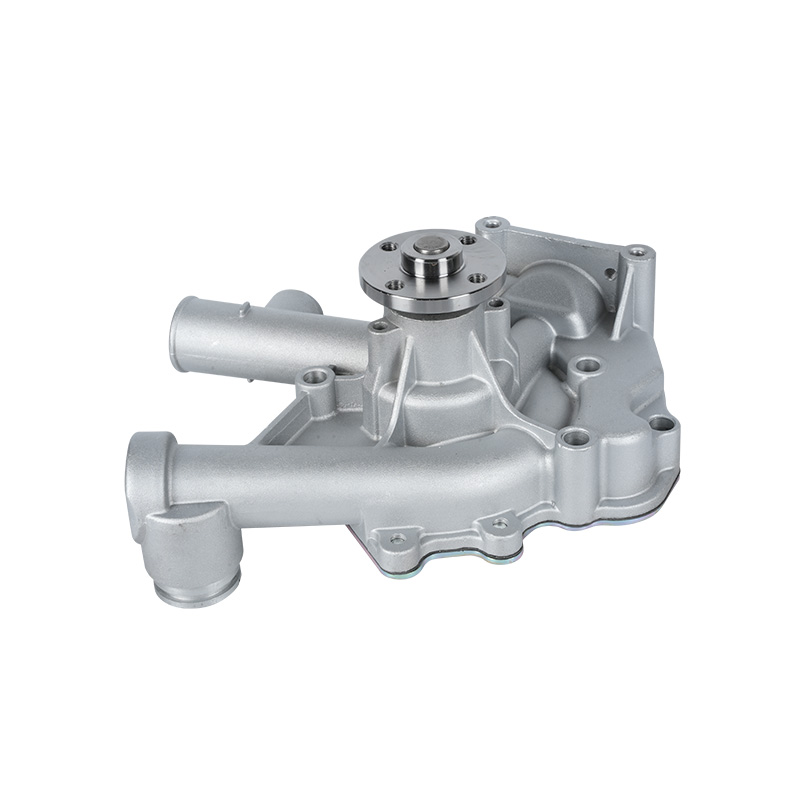
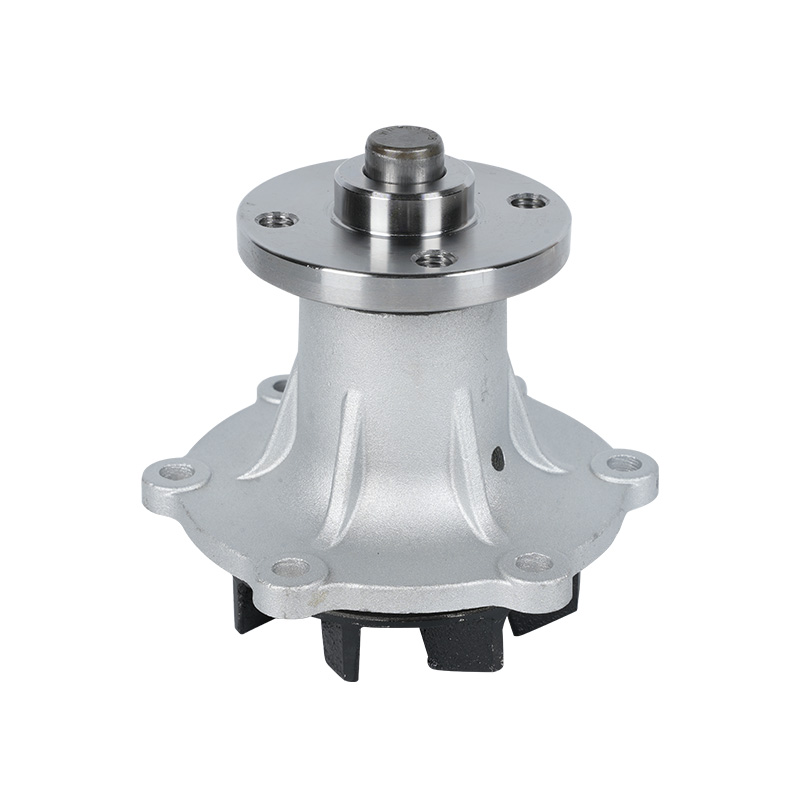
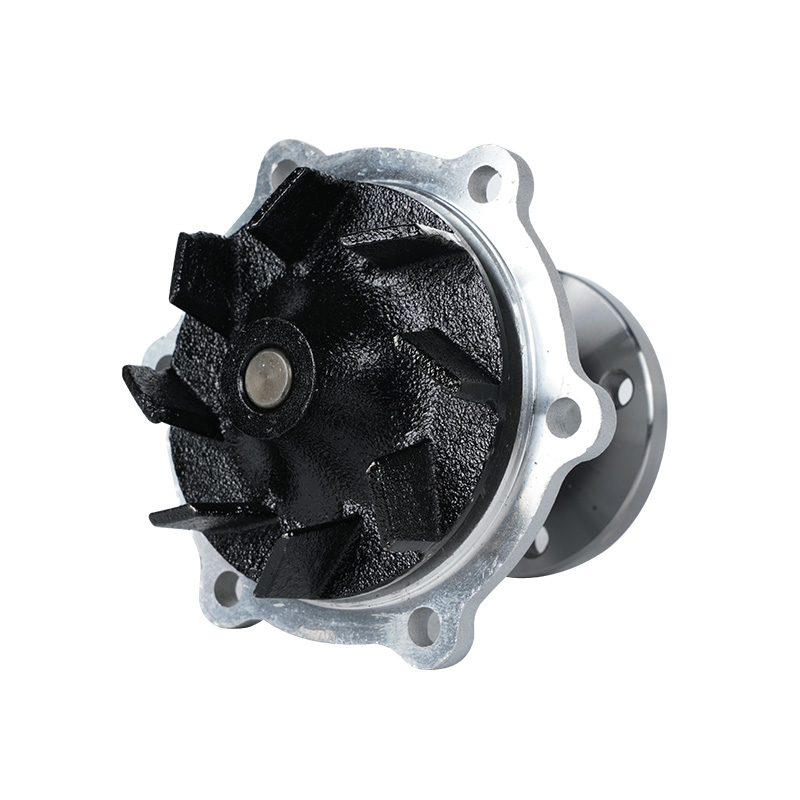
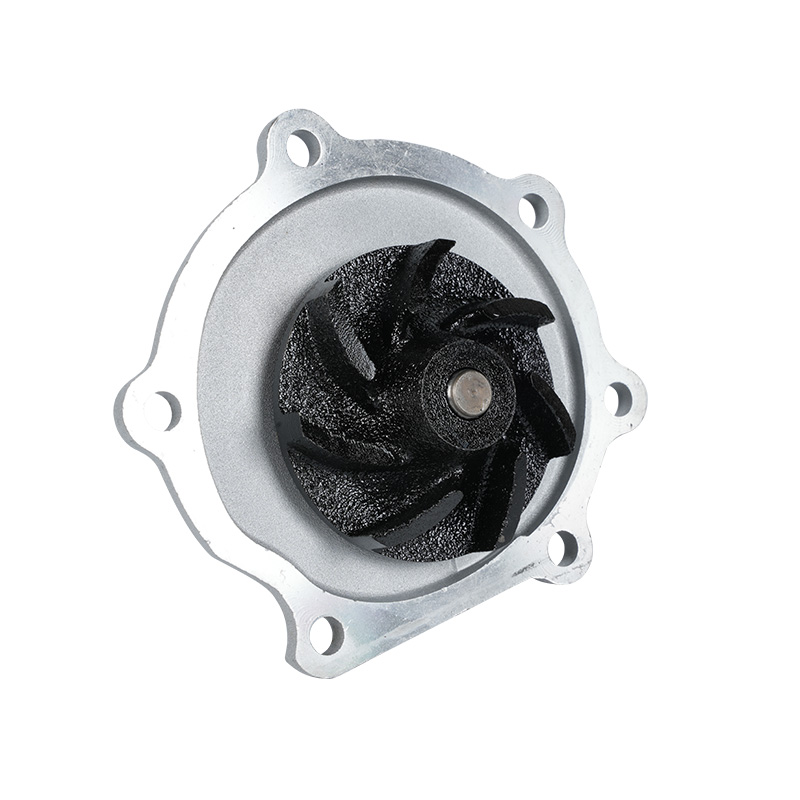
Most engine water pumps are mechanical devices driven by a belt or chain connected to the engine’s crankshaft. Inside the pump, a rotating part called an impeller spins at high speed. The impeller has curved blades that push coolant from the pump inlet to the outlet. This action creates suction that draws more coolant from the radiator, while pressure sends the coolant into the engine’s water passages.
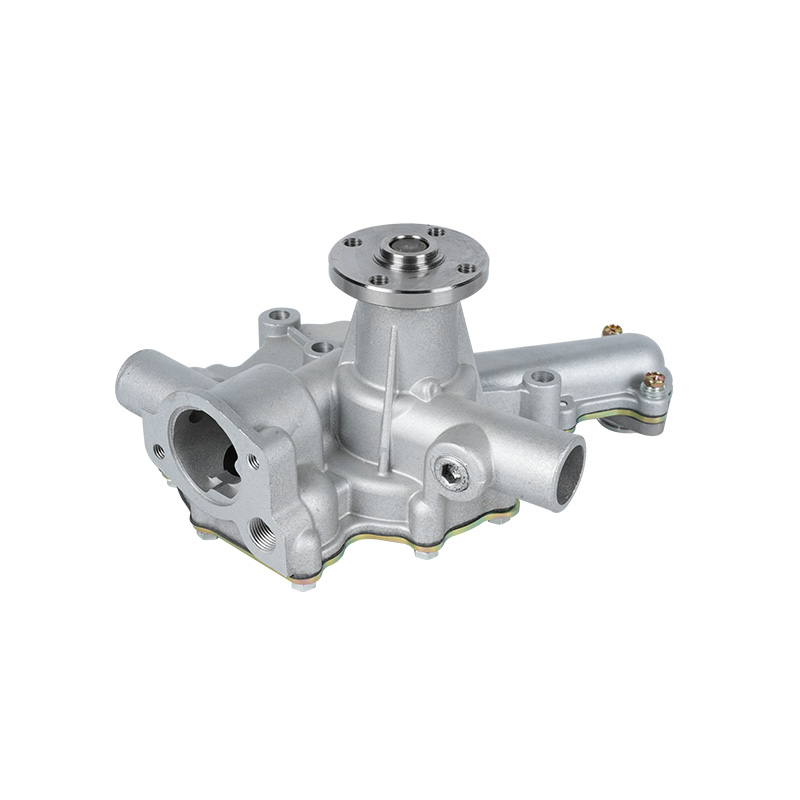
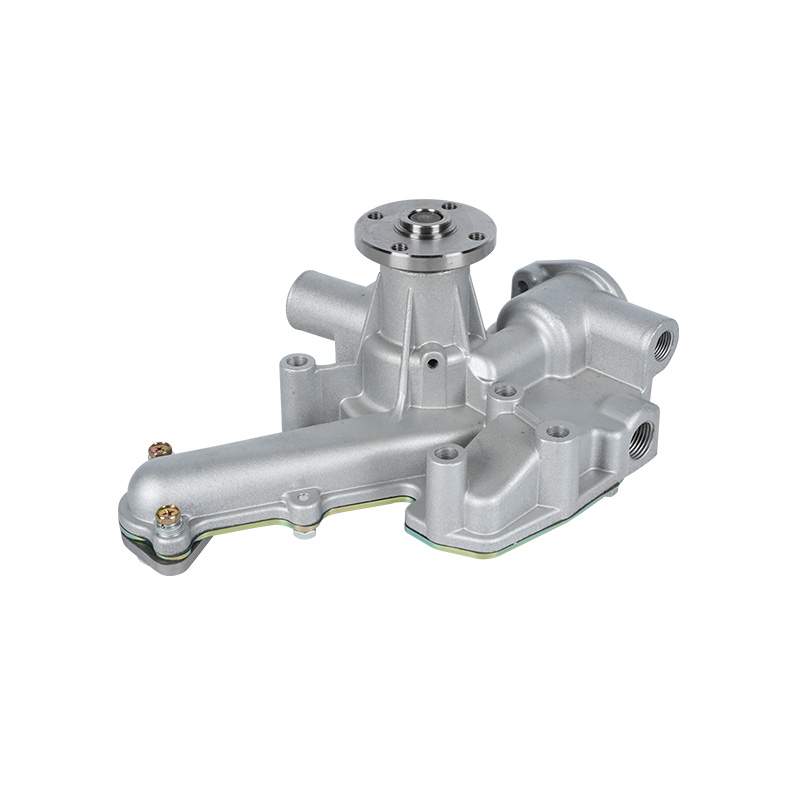
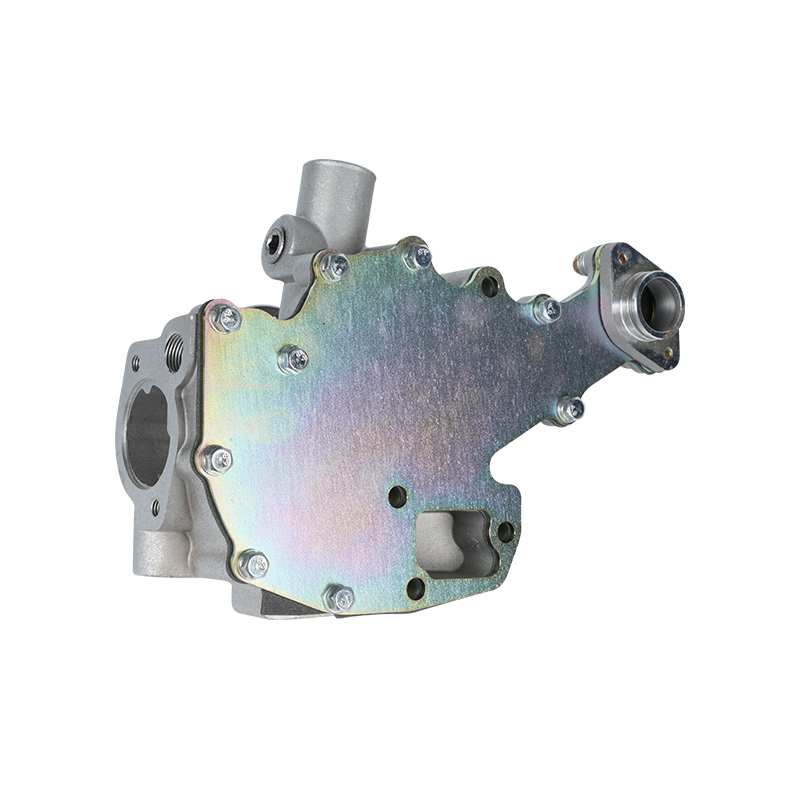
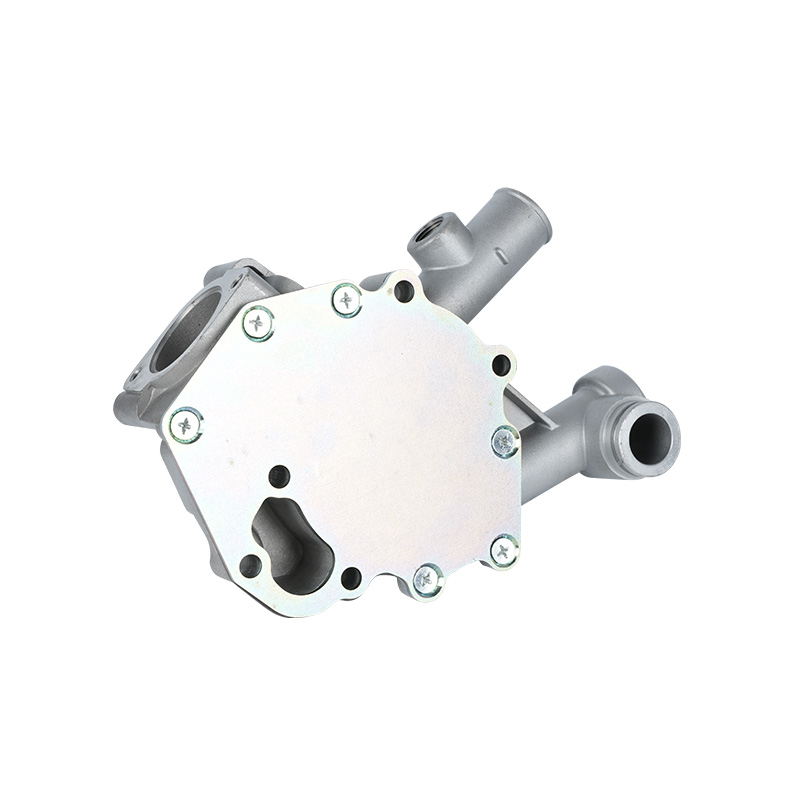
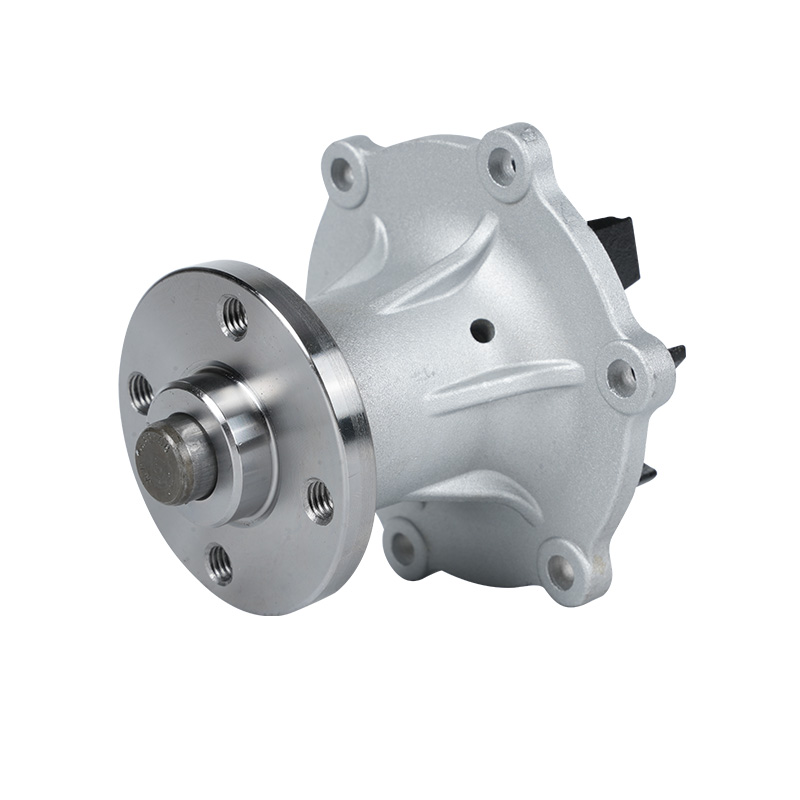
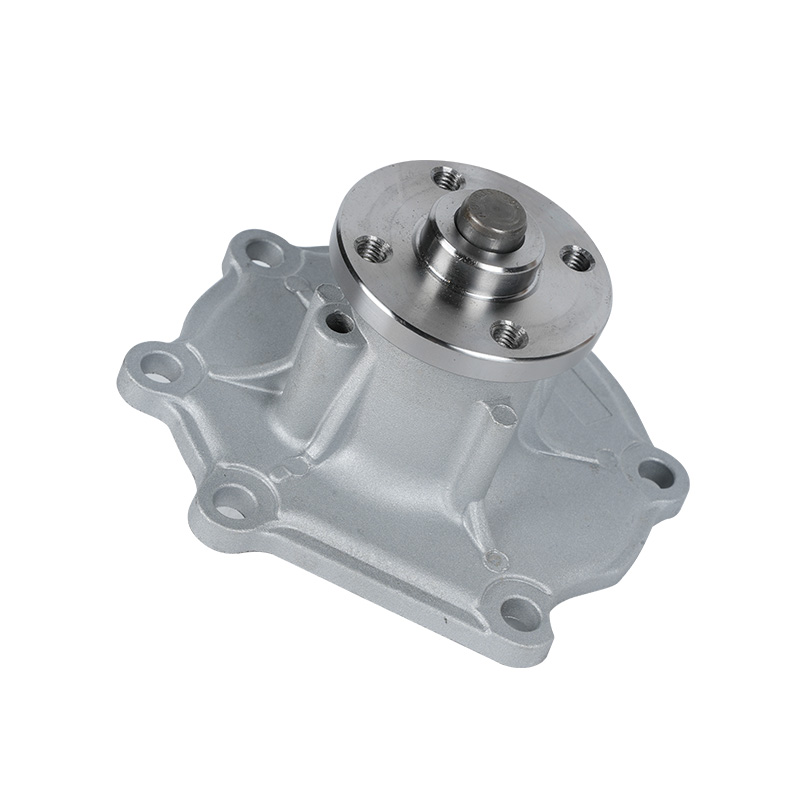
The pump housing is usually made of cast iron, aluminum, or a durable composite material. A small hole on the pump body, called a weep hole, allows a tiny amount of coolant to escape if an internal seal begins to wear. This is actually a helpful design feature—it gives a visual warning before a larger leak develops.
Some newer vehicles use electric engine water pumps. Instead of being belt-driven, these pumps run on electricity controlled by the engine management system. Electric pumps can operate even when the engine is off, which is useful for turbocharger cooling or cabin heating. They also reduce parasitic drag on the engine, potentially improving fuel economy slightly.
Why Is the Engine Water Pump Considered a Hardworking Component?
Think about the conditions inside an engine bay. Temperatures can reach well over 90°C (200°F) during normal operation. Coolant is chemically active. The water pump spins thousands of times per minute, often for hundreds of hours over several years. The pump’s internal seal must keep coolant inside while the shaft rotates continuously.
Despite these demands, a well-designed engine water pump often lasts for many miles. Many vehicles reach 100,000 miles or more on their original pump. However, like any moving part, it eventually shows signs of age. The most common issues are bearing wear (causing noise or wobble) and seal failure (causing leaks).
Can a Failing Engine Water Pump Affect Vehicle Performance?
Yes, in several ways. A minor leak may only leave small puddles under the car, but as coolant level drops, the engine runs hotter. Many modern engines will reduce power or enter a “limp mode” when they detect overheating. This makes the vehicle feel sluggish.
A more serious failure—such as a seized bearing or broken impeller—stops coolant circulation entirely. Temperatures can then rise very quickly. Overheating can cause head gasket failure, warped cylinder heads, or even a cracked engine block. These repairs are costly. That is why paying attention to early warning signs is a wise practice.
Common signs of an aging engine water pump include:
- Coolant leaking from the front center of the engine.
- A whining or grinding noise coming from the pump area.
- Overheating at highway speeds (the pump may spin slower at idle and faster at speed, so symptoms can vary).
- Steam or a sweet smell from the engine bay.
- A Dependable Part of Every Engine
The engine water pump may not be glamorous. It makes no exciting sounds when it works correctly. But every time you start a cold engine and watch the temperature gauge rise to its normal range, the water pump is quietly doing its job. Understanding what this component does helps drivers appreciate the engineering that keeps engines running smoothly mile after mile.
Previous Post
Can a Forklift Pump Work Smoothly Under Continuous Operation?
Next Post
Can an Excavator Pump Handle Continuous Heavy Digging and Lifting?
CONTACT US NOW

We sincerely welcome friends from all walks of life
to visit Zhejiang Jinrui Pump Industry Co., Ltd. to
visit, guide and business negotiations,
and jointly create a better future.
- KEEP IN TOUCH
- Phase I of Longshang Shoes Industrial Base, Tashi Street, Longquan City, Lishui City, Zhejiang, China.
- [email protected]
- +86-18957085800 / +86-15268785899
- MOBILE WEB
Copyright © 2024 Zhejiang Jinrui Pump Industry Co., Ltd. 
Electric Pump Factory
