


 English
 中文简体
中文简体Forklift Water Pump and Engine Cooling Explained
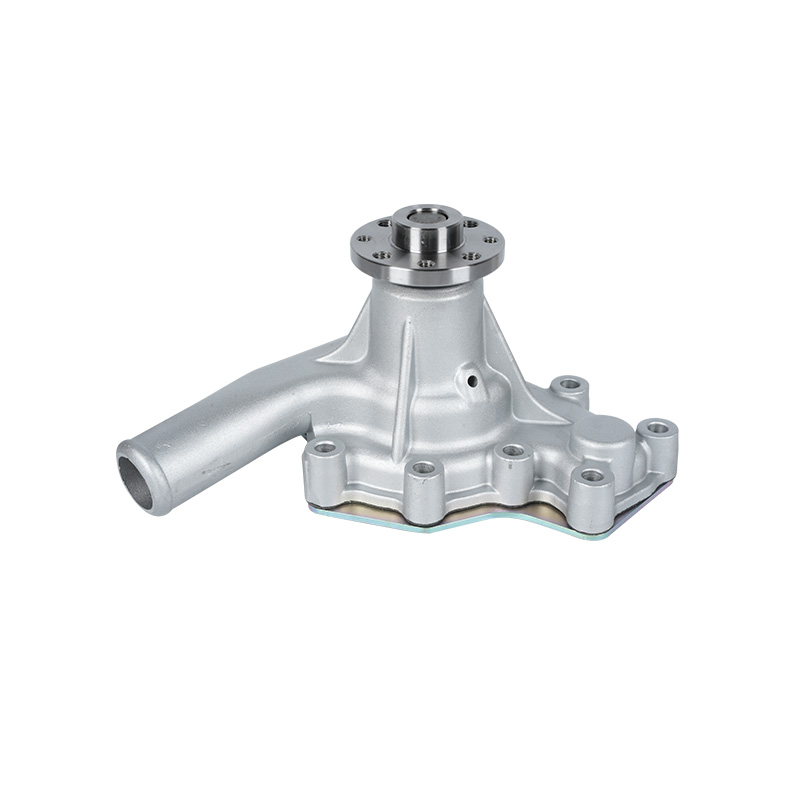
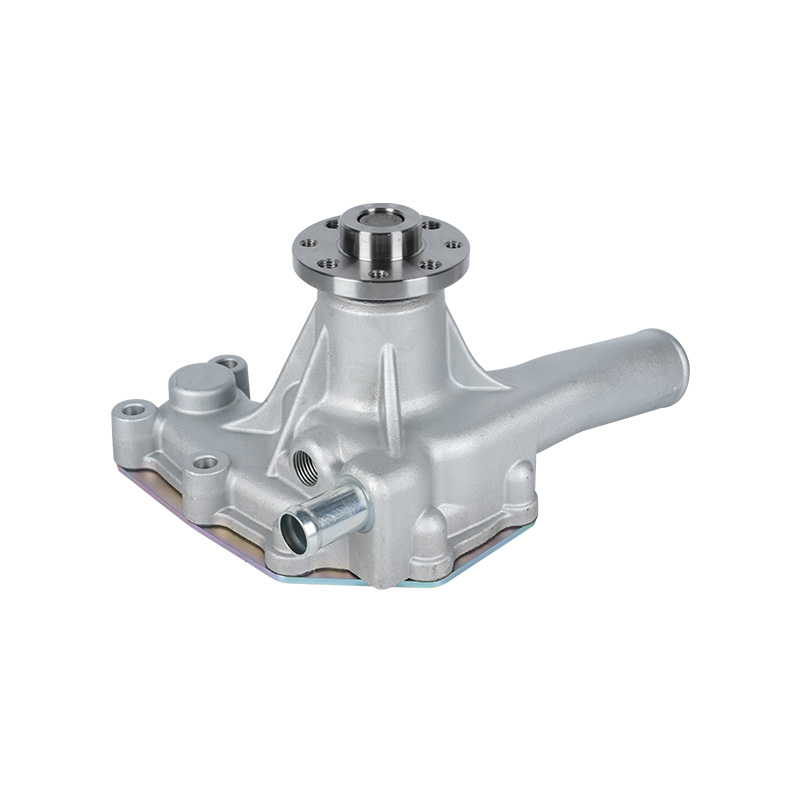
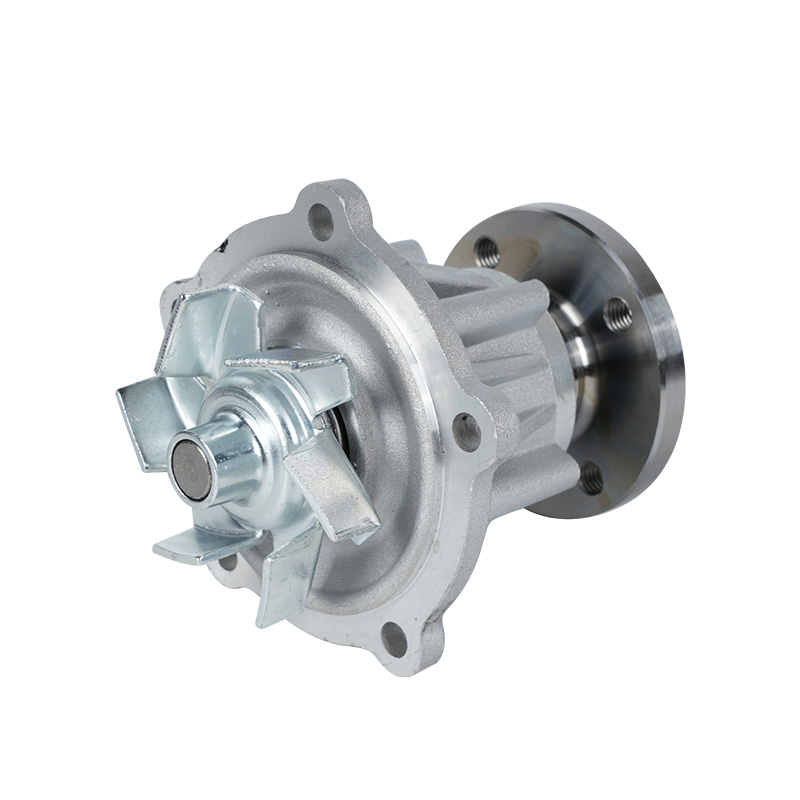
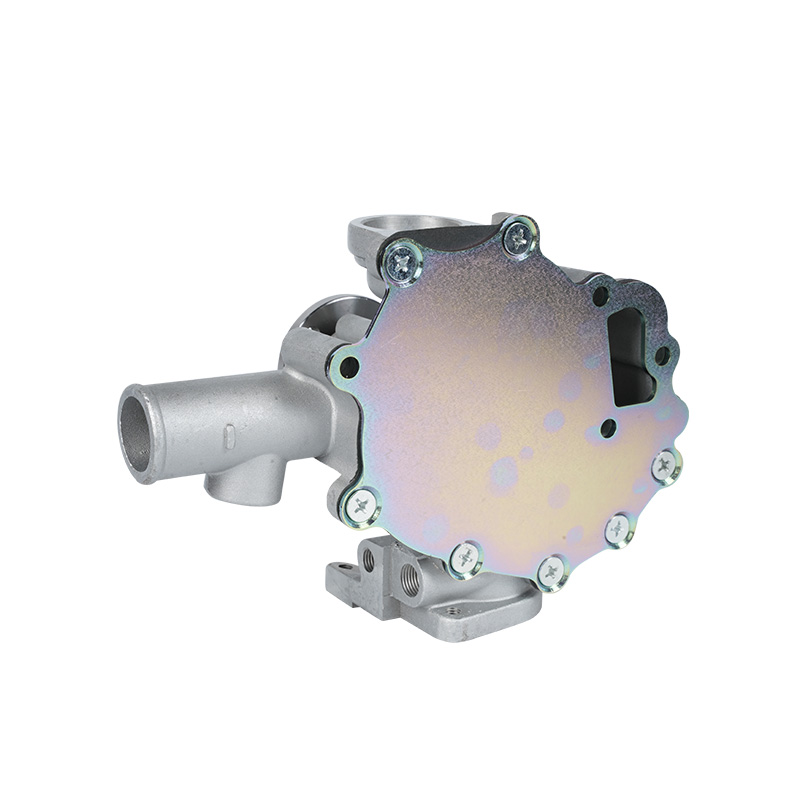
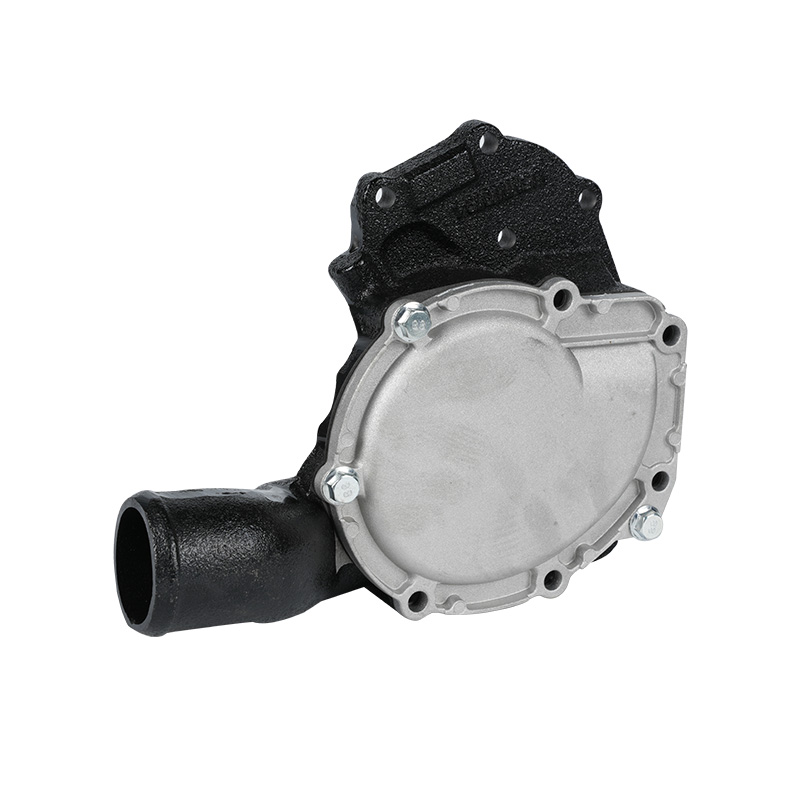
A forklift can spend hours moving loads, turning in tight spaces, and operating under changing workloads. During these tasks, the engine generates heat that needs to be carried away by the cooling system. The Forklift Water Pump plays a central role in this process by circulating coolant between the engine and the radiator. Without steady coolant movement, heat can build up around the engine and affect normal operation.
How Coolant Moves Through the Engine
The cooling system works as a continuous circulation loop. As the engine runs, coolant absorbs heat from the engine block and cylinder head. The heated liquid then travels toward the radiator, where heat is released before the coolant returns to the engine.
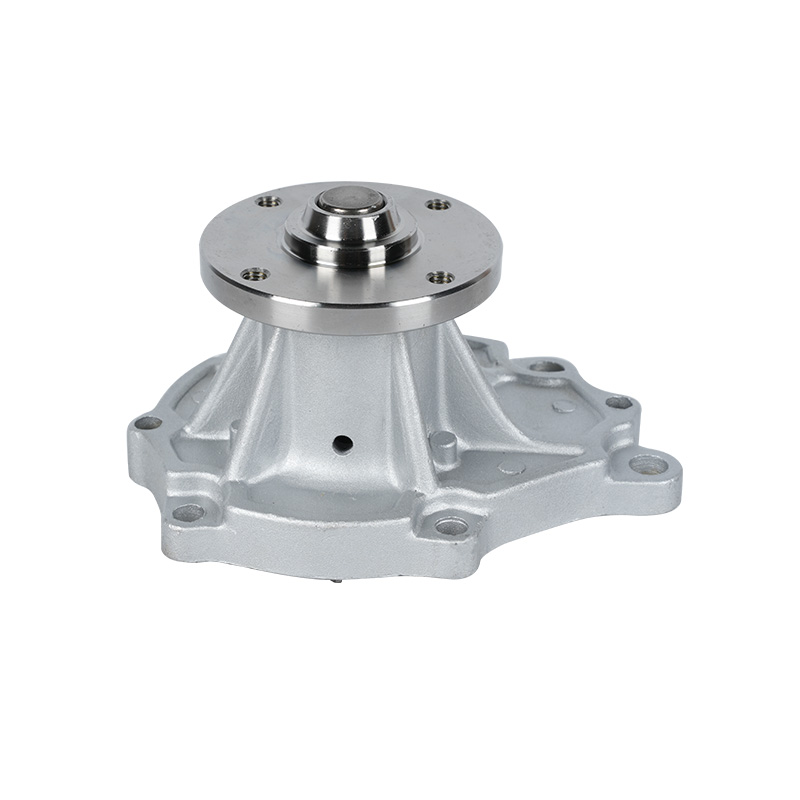
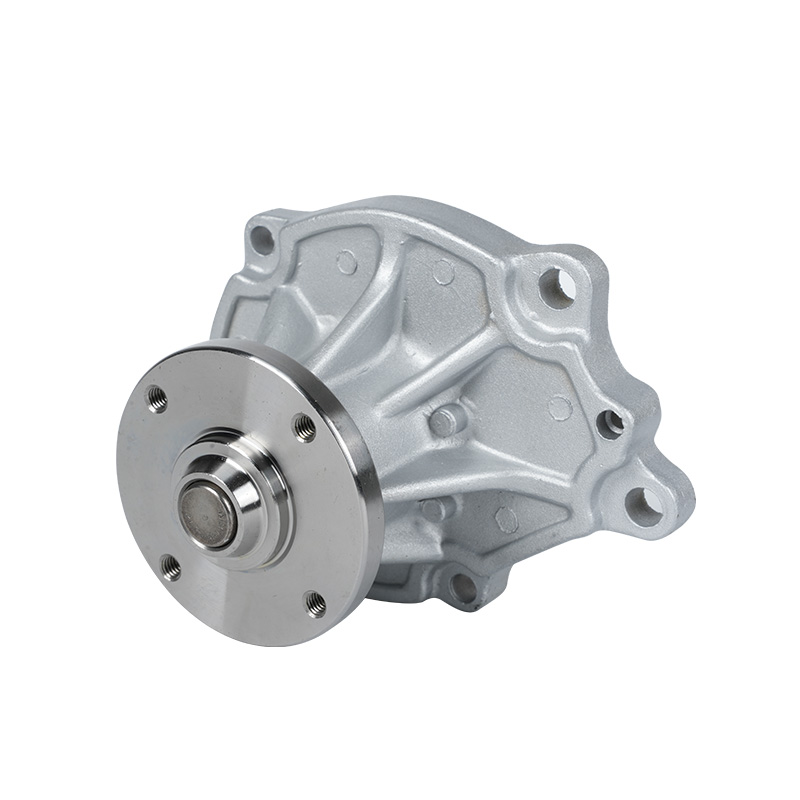
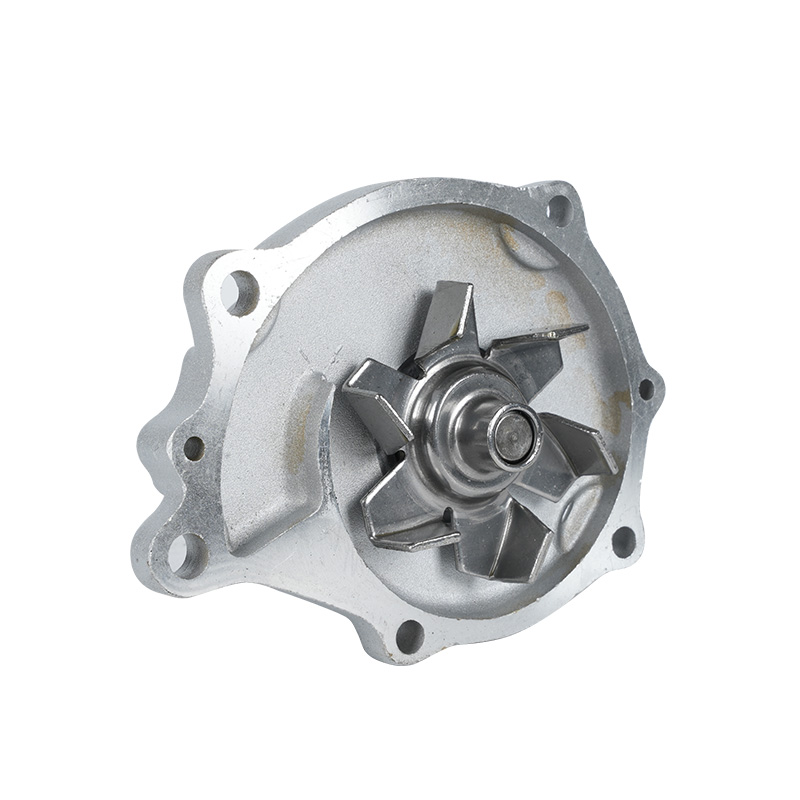
A Forklift Water Pump creates the flow needed to move coolant through this circuit. Many conventional engine cooling systems use a centrifugal pump, which relies on a rotating impeller to move liquid. However, the exact pump structure and drive method depend on the engine design.
If coolant circulation becomes insufficient, heat transfer may decline even when other cooling components are present. This is why the pump must be considered as part of the complete cooling system rather than as an isolated engine part.
Why Forklifts Need Consistent Cooling Flow
Forklifts often operate in warehouses, workshops, loading areas, and outdoor material-handling sites. Their working patterns can include repeated acceleration, low-speed travel, frequent stops, and extended periods under load.
These conditions create changing demands on the engine. The cooling system must continue moving heat away while the forklift performs different tasks.
A properly matched Forklift Water Pump helps maintain coolant circulation under the operating conditions specified for the engine. It supports heat transfer and helps the engine remain within its intended operating temperature range. The pump does not control temperature by itself, since the radiator, thermostat, coolant passages, and other components also affect cooling performance.
Material and Construction Affect Product Fit
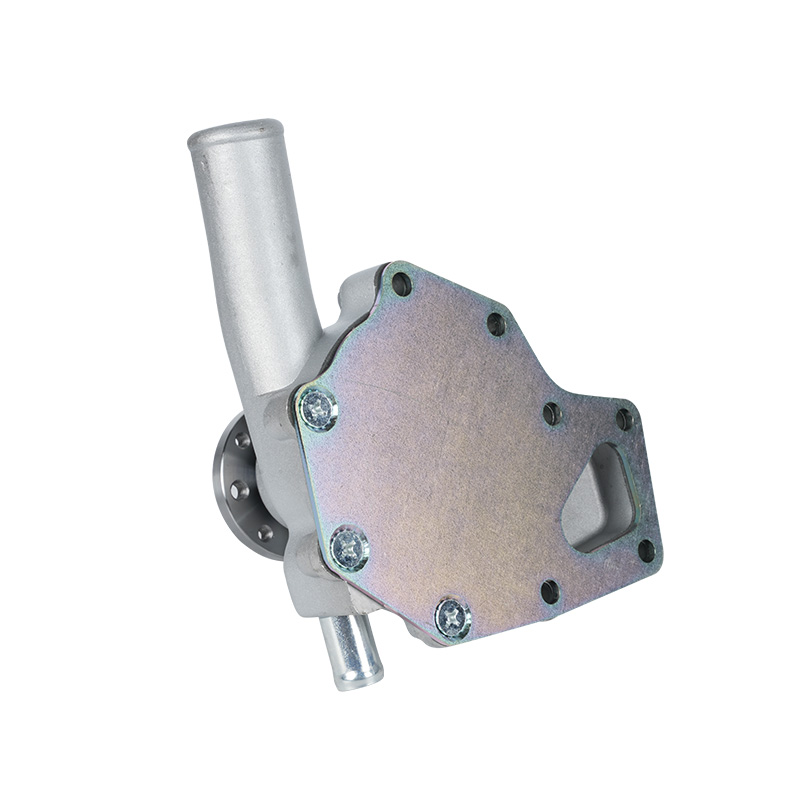
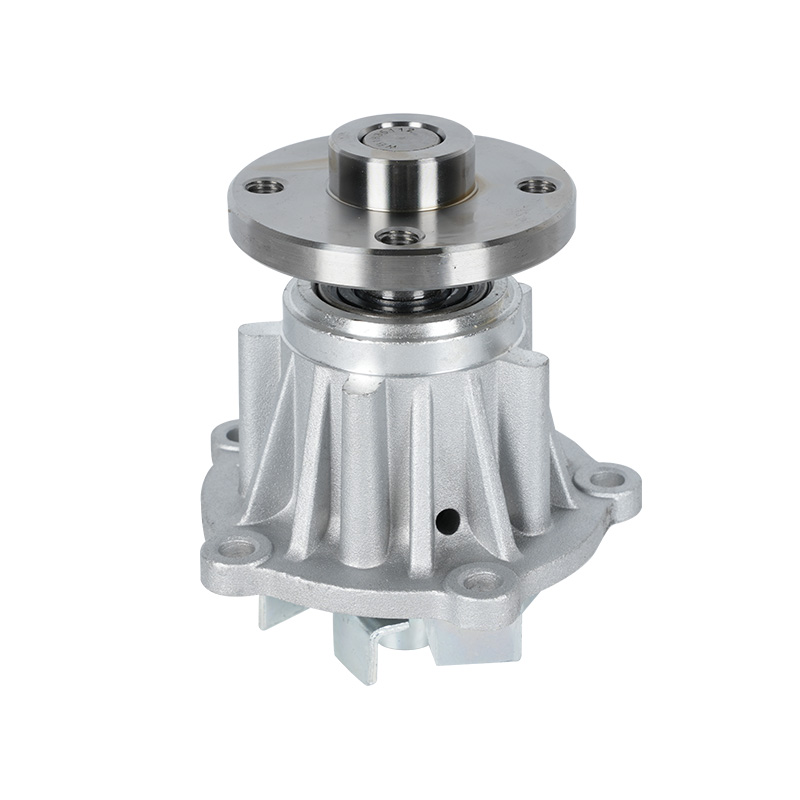
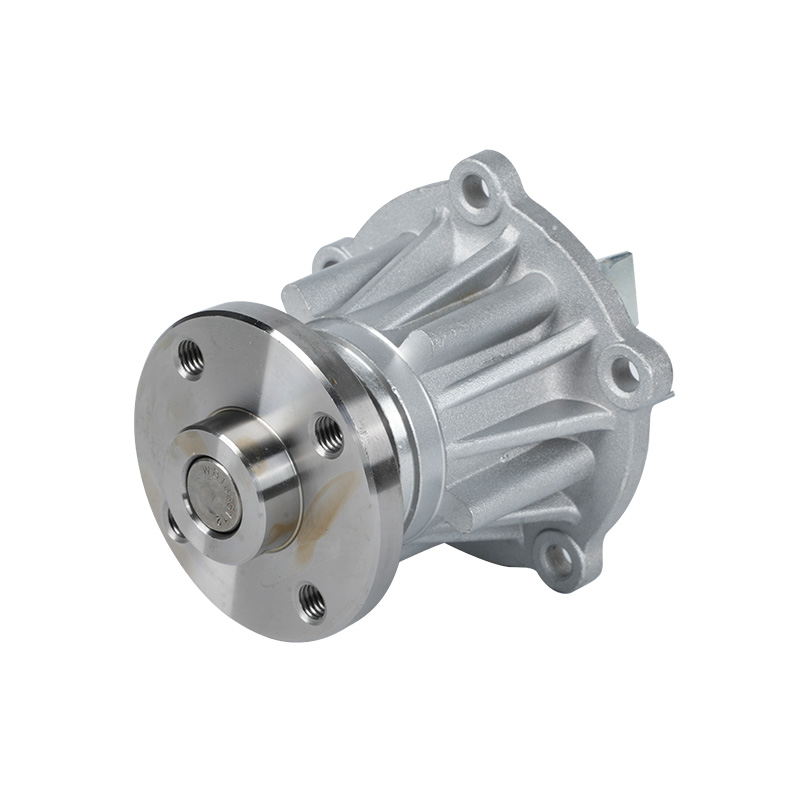
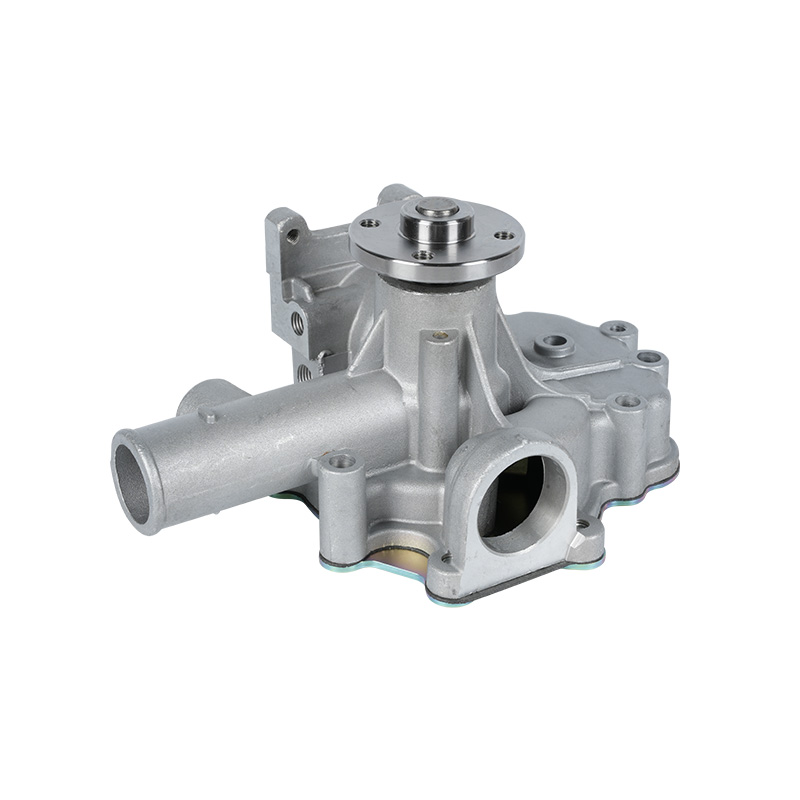
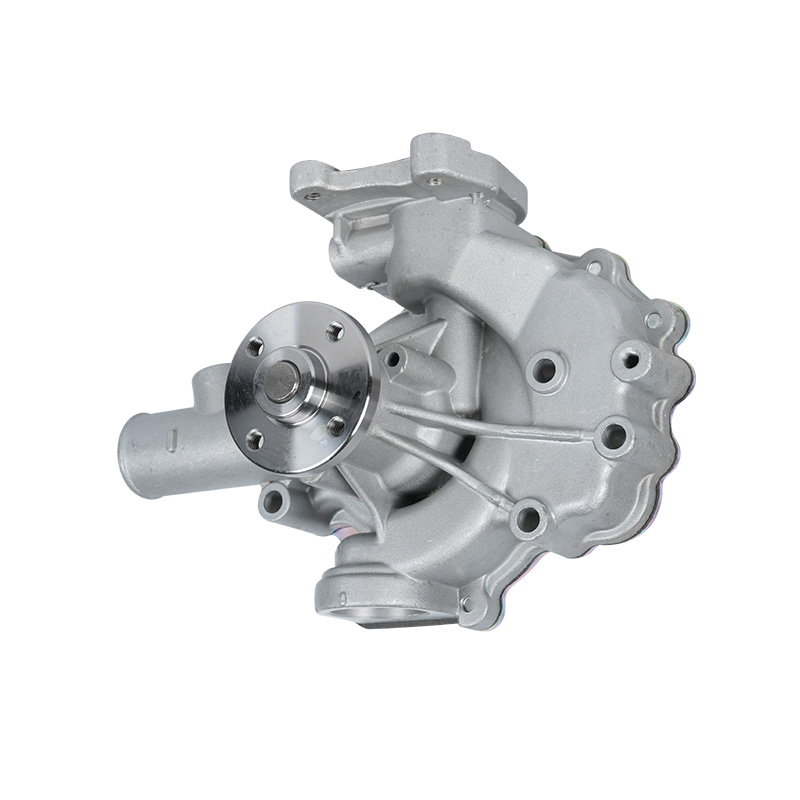
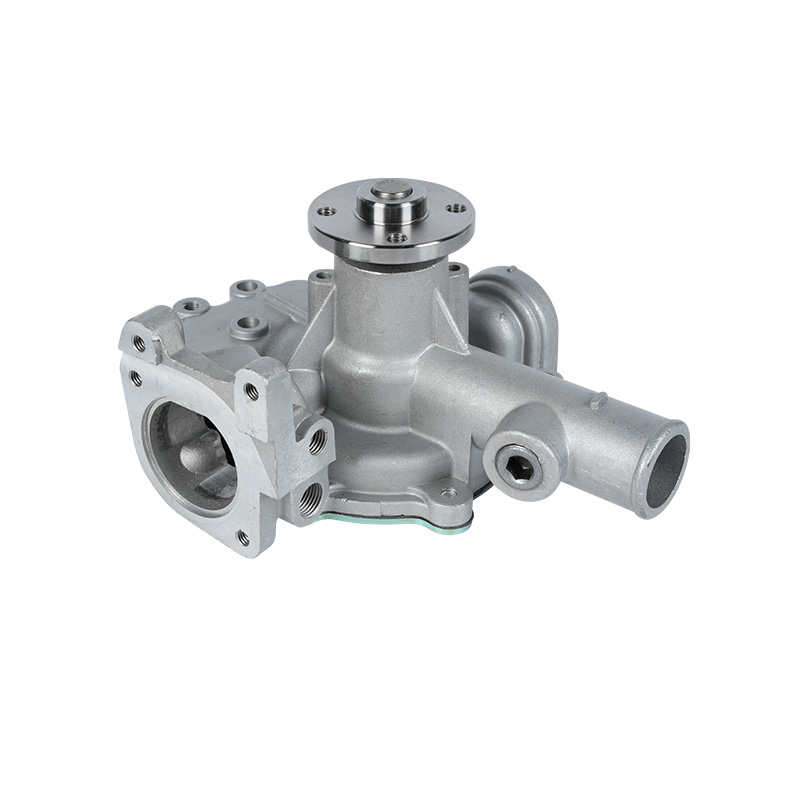
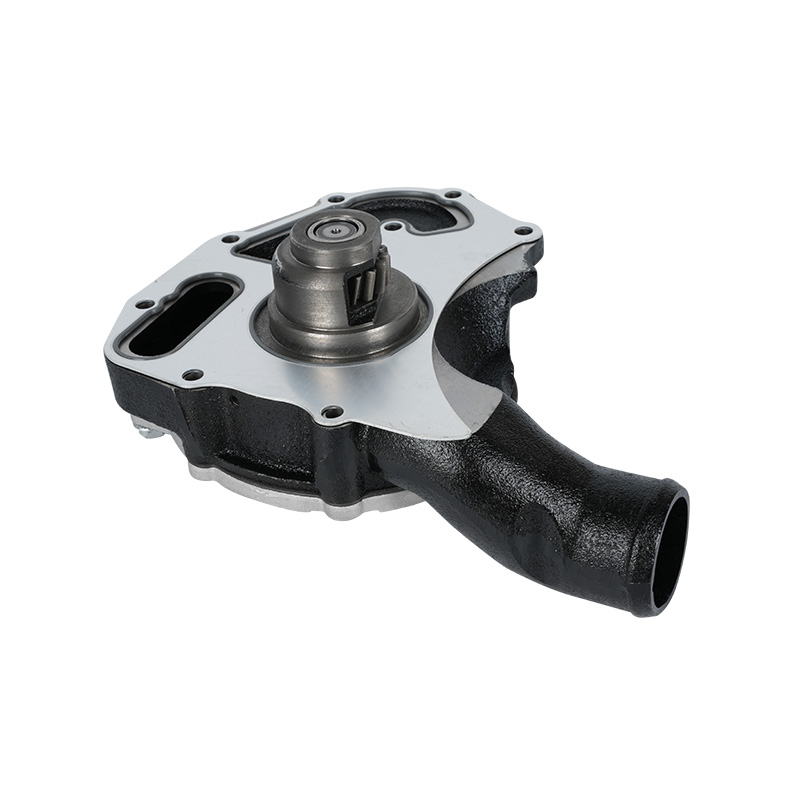
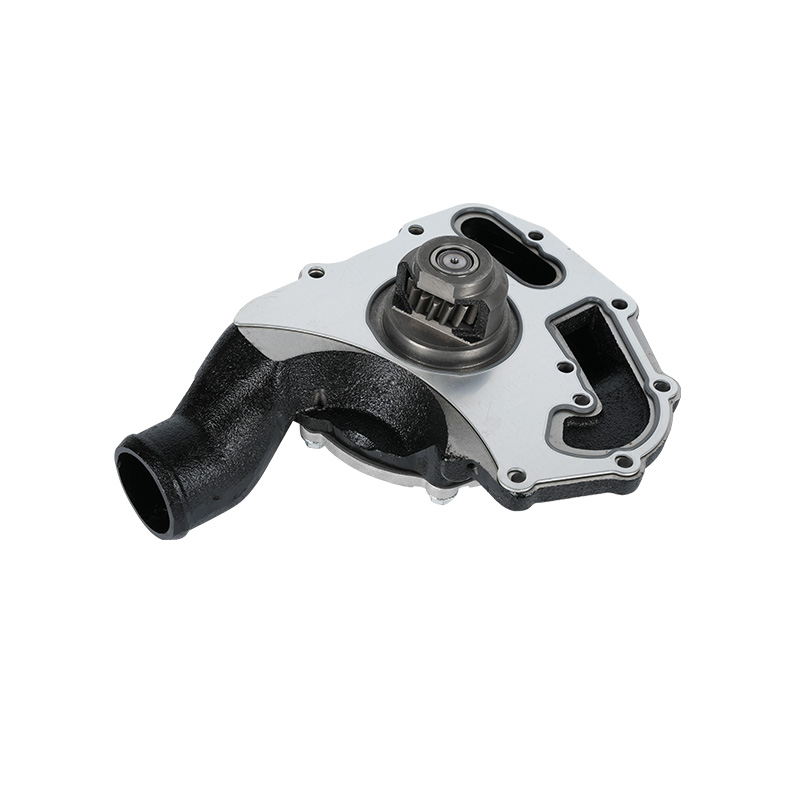
Water pumps are exposed to coolant, temperature changes, vibration, and mechanical loads during engine operation. Housing materials, shaft construction, bearing arrangements, seals, and impeller designs vary according to the intended engine application.
These differences influence how a pump is installed and how it operates within a specific cooling system. For example, mounting dimensions and shaft alignment must correspond to the engine's design, while the sealing arrangement must suit the pump structure.
A replacement Forklift Water Pump should match the original application requirements rather than being selected by appearance alone. For wholesale orders, consistent part identification helps purchasing teams manage product variants and organize inventory across different forklift engine families.
Frequently Asked Questions
What does a forklift water pump do?
It circulates coolant through the engine and radiator, helping transfer heat away from the engine during operation.
Can a water pump fit different forklift models?
Some pumps may serve multiple applications, but compatibility must be confirmed through engine details, part numbers, and mounting specifications.
Does engine overheating always mean the pump has failed?
No. Radiator restrictions, thermostat problems, coolant loss, and other cooling-system issues can produce similar symptoms.
A clear understanding of the Forklift Water Pump helps parts suppliers explain its role in engine cooling, verify replacement compatibility, and organize products for different forklift applications. Accurate application details remain central to matching the component with the engine it is designed to serve.
Previous Post
No previous article
Next Post
Can Excavator Pump Improve Machine Response?

CONTACT US NOW

We sincerely welcome friends from all walks of life
to visit Zhejiang Jinrui Pump Industry Co., Ltd. to
visit, guide and business negotiations,
and jointly create a better future.
- KEEP IN TOUCH
- Phase I of Longshang Shoes Industrial Base, Tashi Street, Longquan City, Lishui City, Zhejiang, China.
- [email protected]
- +86-18957085800 / +86-15268785899
- MOBILE WEB
Copyright © 2024 Zhejiang Jinrui Pump Industry Co., Ltd. 
Electric Pump Factory
