

 English
 中文简体
Can Engine Water Pump Match Varied Engine Layouts?
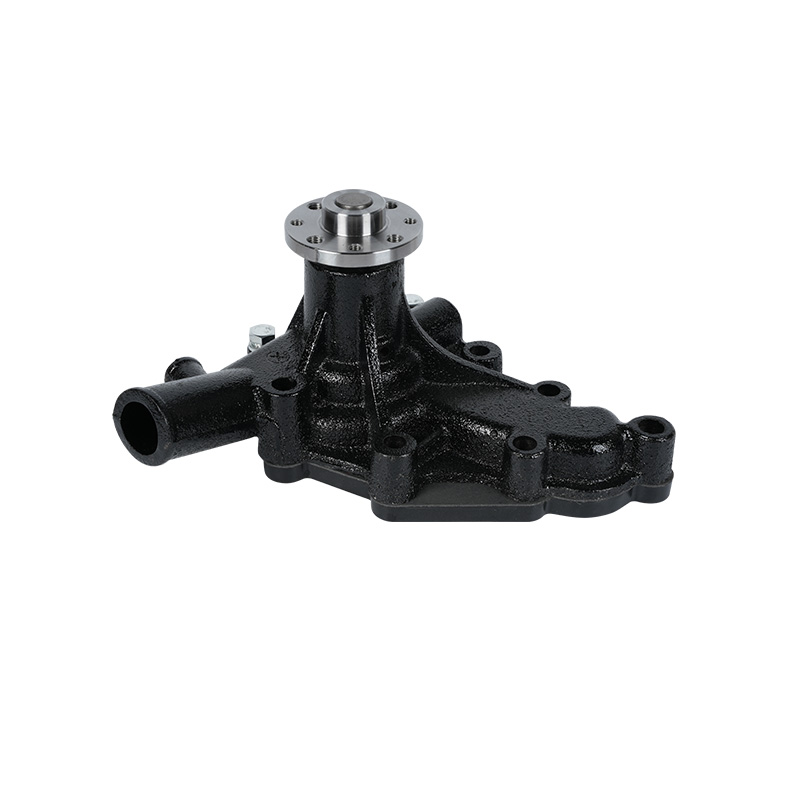
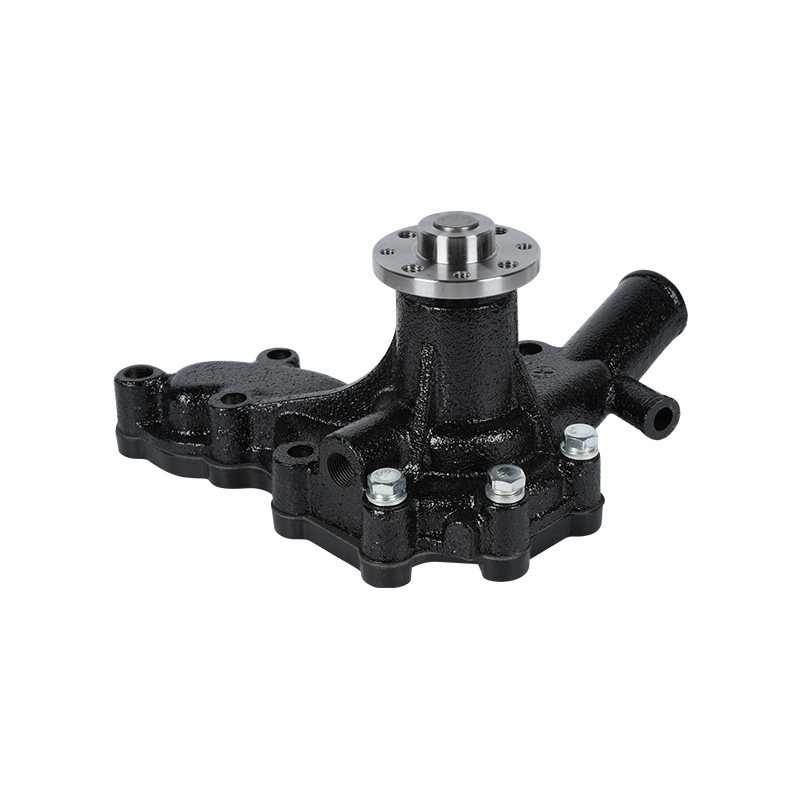
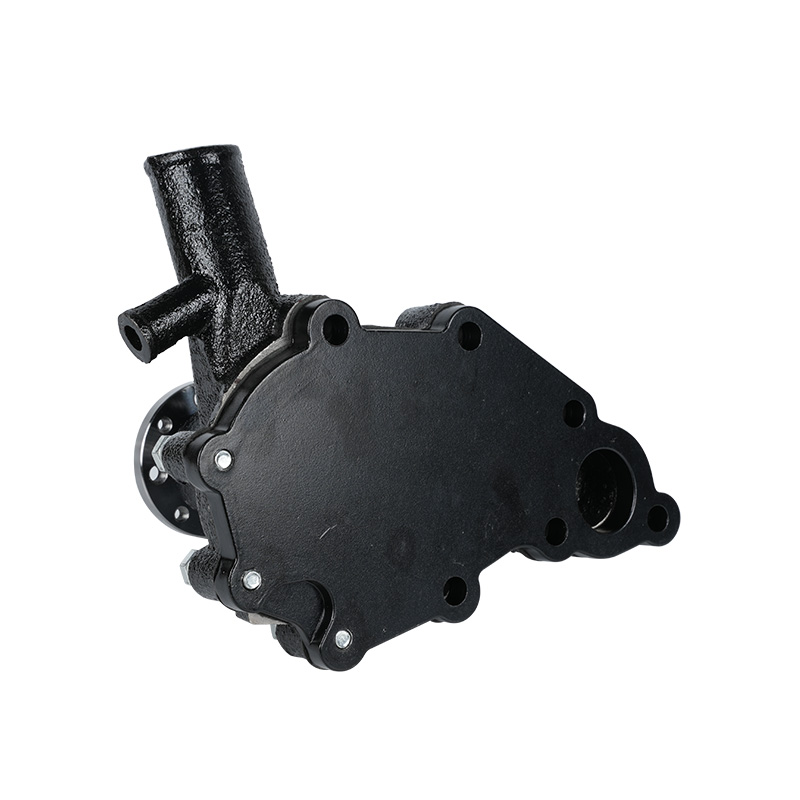
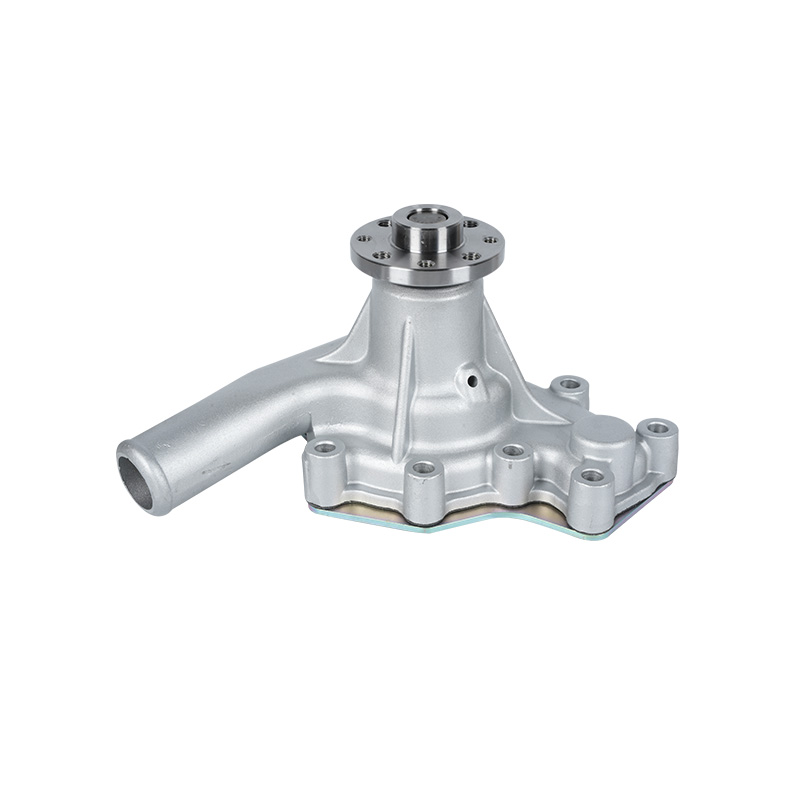
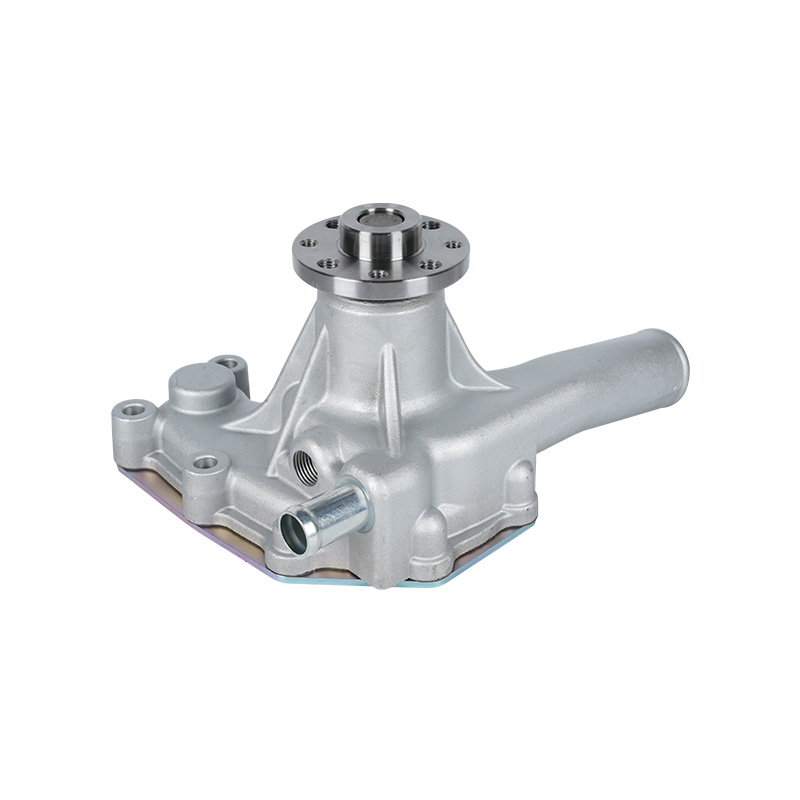
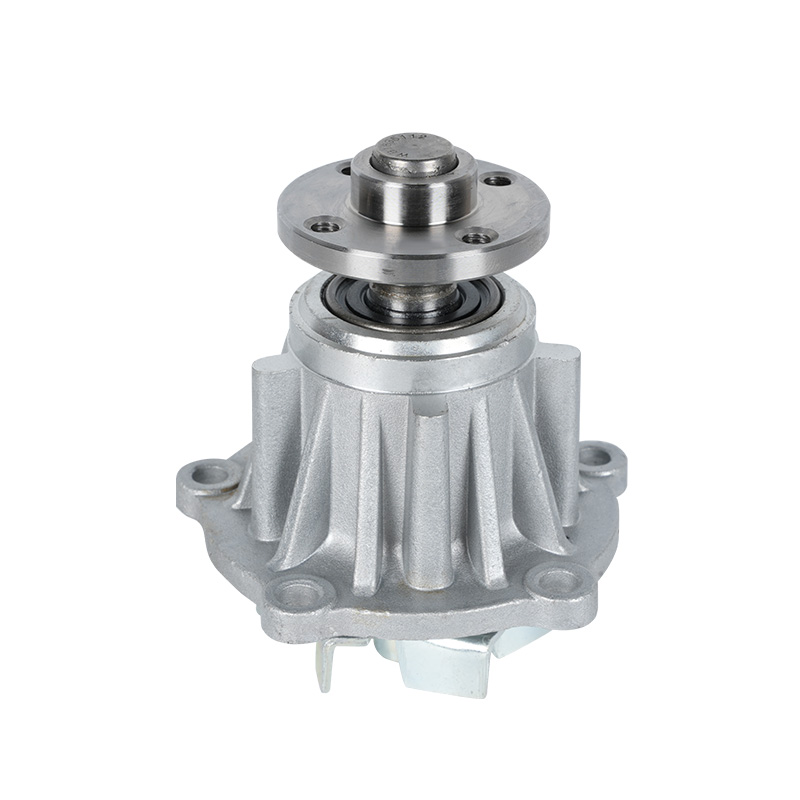
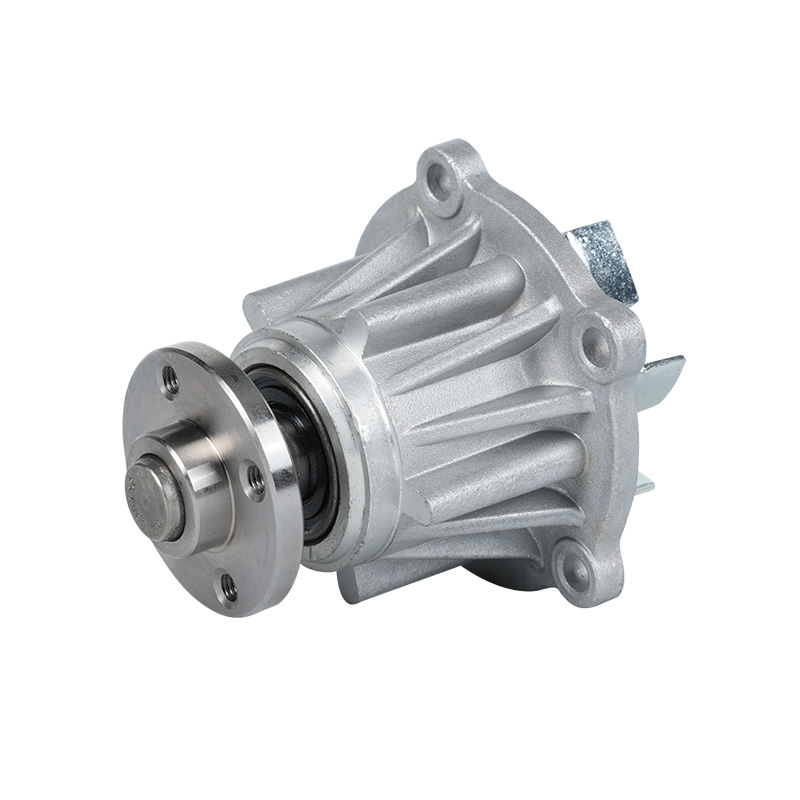
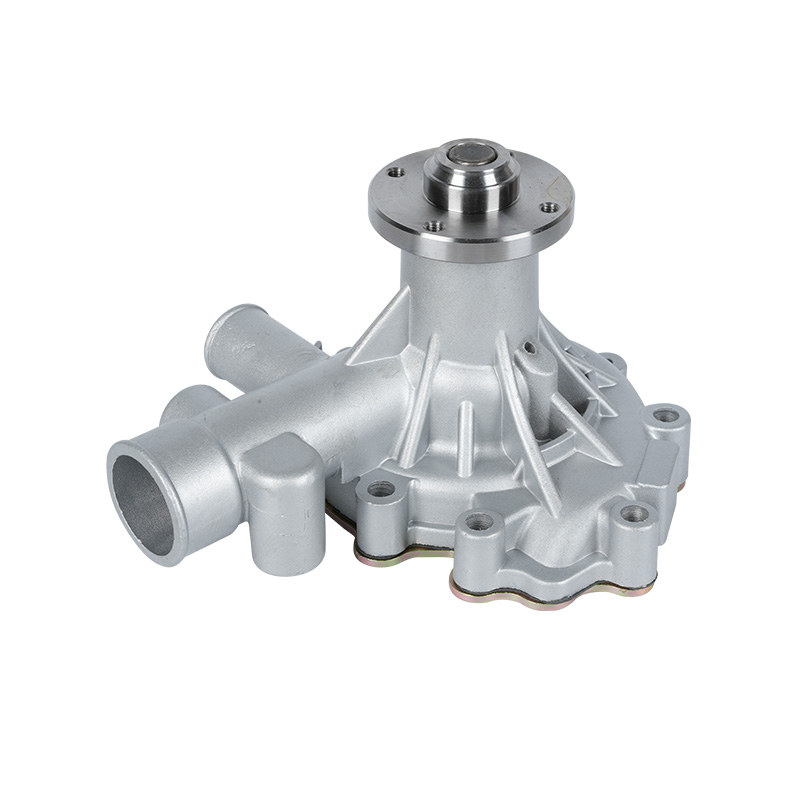
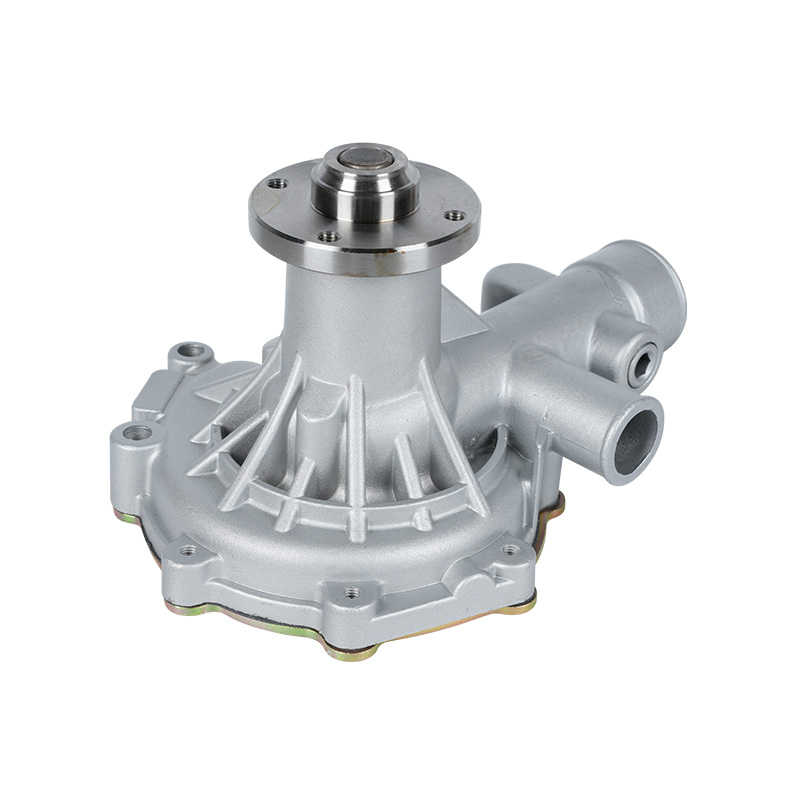
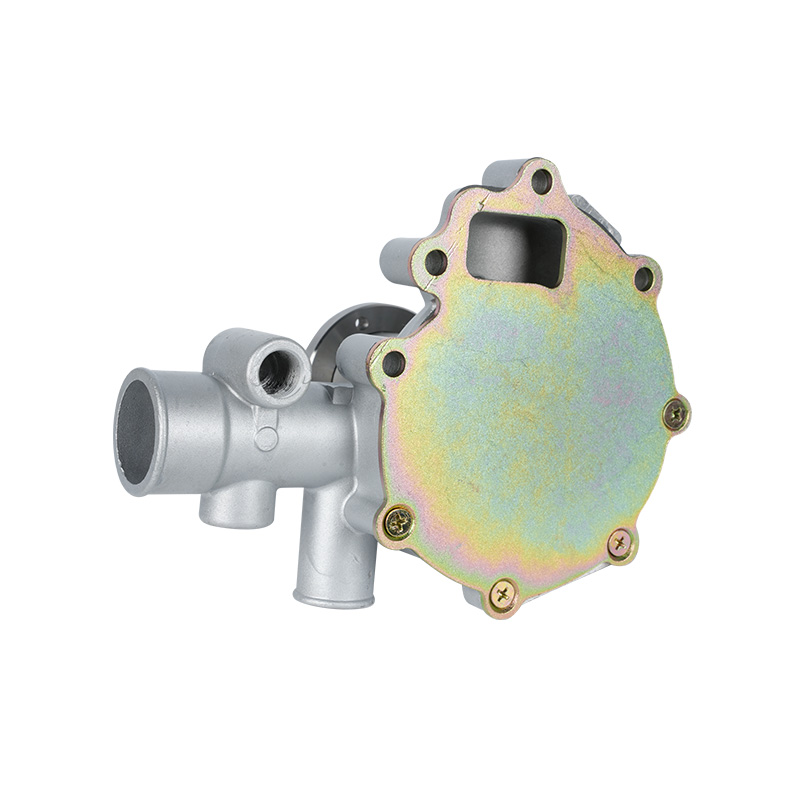
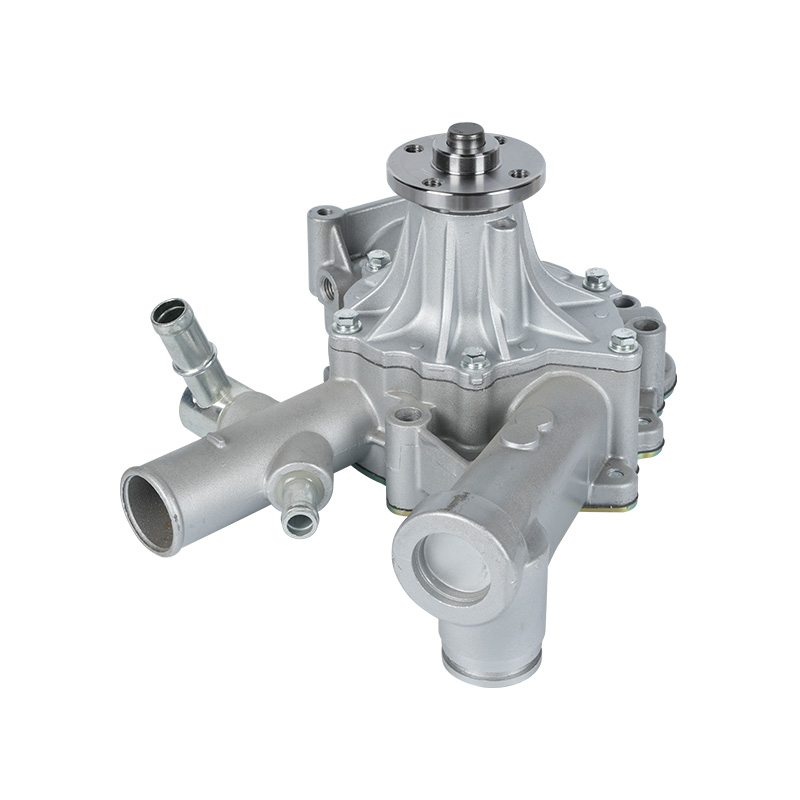
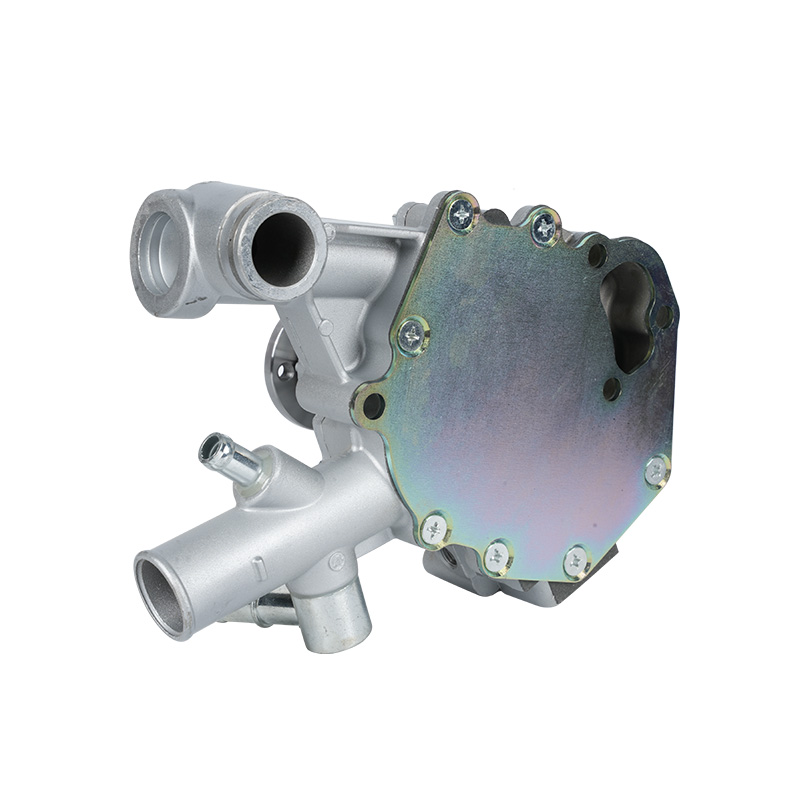
Engines generate substantial heat during operation, and controlled coolant circulation keeps temperatures within working limits. An engine water pump moves coolant through the block, cylinder head, radiator, and related passages so heat transfers away from critical surfaces.
Core Function in the Cooling Circuit
The pump creates continuous flow that carries heat from the combustion chambers and friction surfaces to the radiator, where the heat dissipates. Without consistent circulation, localized hot spots can form and affect engine operation. The pump typically mounts to the engine block or timing cover and draws power from the crankshaft through a belt, gear, or chain drive, turning whenever the engine runs.
This direct mechanical link means pump speed rises and falls with engine rpm. Designers size the impeller and housing passages so adequate flow occurs across the normal operating range. Buyers reviewing options look at flow volume at relevant speeds and the pressure the pump can generate to push coolant through the full system.
Material Choices for Housing and Impeller
Housing materials commonly include cast iron or aluminum alloys. Cast iron offers rigidity and wear resistance in heavier-duty applications, while aluminum reduces weight and improves heat transfer in many passenger-vehicle and light-equipment engines. Impellers appear in cast metal, stamped steel, or engineered plastics selected for strength, corrosion resistance, and hydraulic efficiency.
Material selection influences both the pump's weight contribution to the engine and its response to temperature changes. Buyers comparing designs often request information on the specific alloys or compounds used so they can assess compatibility with the coolants and operating temperatures in their target markets.
Impeller Geometry and Flow Behavior
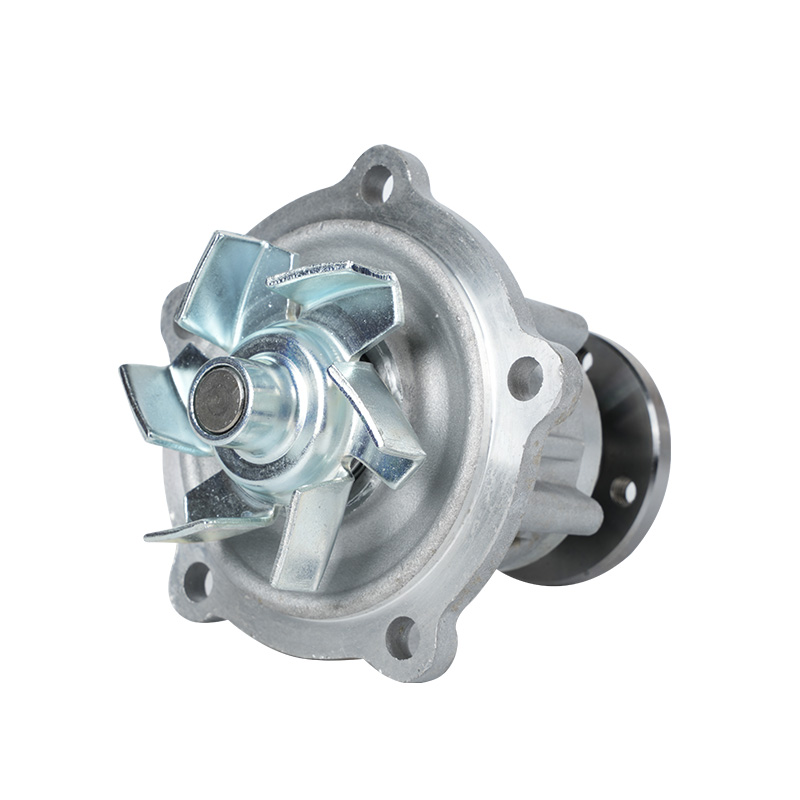
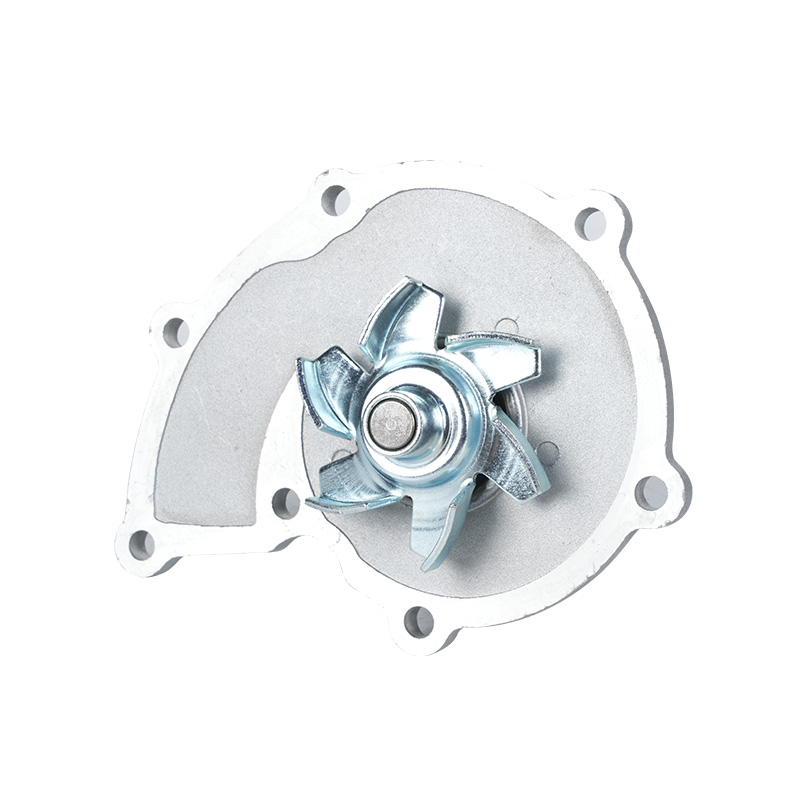
Impeller vane shape, number, and angle determine how effectively the pump moves coolant at different speeds. A well-matched impeller produces smooth flow with limited turbulence, which helps maintain consistent cooling and reduces the power the engine must expend to drive the pump. Some designs incorporate curved vanes or specific inlet profiles that improve efficiency across a wider rpm band.
Clearance between the impeller and housing also affects performance. Tight, controlled clearances improve hydraulic efficiency, while adequate space prevents contact under thermal expansion. Production drawings and sample measurements give purchasing teams a concrete basis for evaluating whether a given pump will deliver the required flow in their engine applications.
Applications Across Vehicle and Equipment Lines
Passenger cars, light trucks, commercial vehicles, and various types of industrial equipment all rely on engine water pumps sized to their cooling demands. In high-volume automotive assembly the pump is one of the components installed during the engine dress or long-block stage. Off-highway and power-generation engines may use larger or differently configured pumps that handle higher heat loads or different mounting orientations.
The same basic operating principle applies across these sectors, yet the packaging constraints, drive methods, and flow targets differ. Buyers supplying multiple engine families therefore look for pump variants that share mounting patterns or seal designs where possible, simplifying inventory while still meeting each engine's thermal requirements.
Matching Pump Specifications to Engine Needs
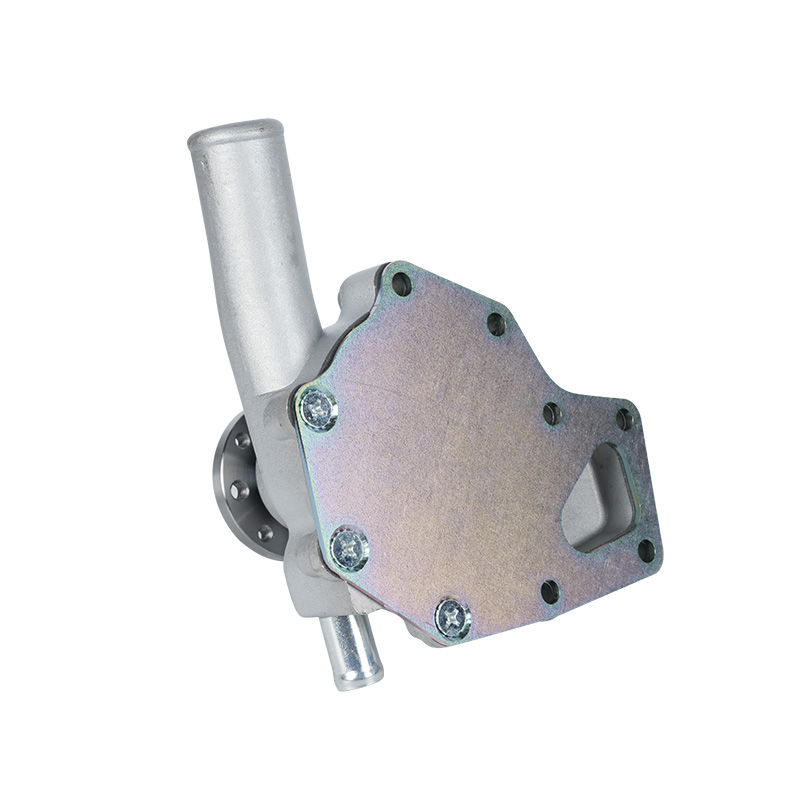
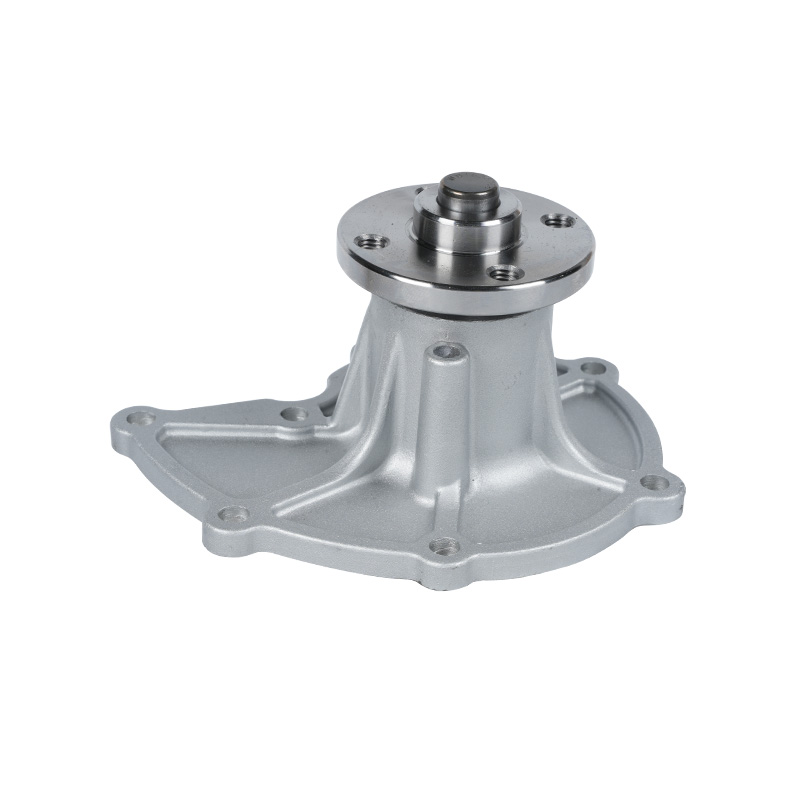
Flow rate, pressure capability, inlet and outlet orientation, and overall package size form the primary criteria when selecting an engine water pump. The pump must deliver enough coolant volume at the engine's typical operating speeds to keep temperatures stable under load. Mounting bolt patterns and gasket surfaces need to match the engine block or cover exactly so assembly proceeds without adaptation.
Drive method is another practical consideration. Belt-driven pumps require a pulley of appropriate diameter and belt alignment, while direct-gear or chain-driven versions interface with the timing system. Purchasing teams that map these interface points early reduce the chance of fit-up issues later on the assembly line.
Previous Post
No previous article
Next Post
How Does an Excavator Pump Transfer Hydraulic Power?

CONTACT US NOW

We sincerely welcome friends from all walks of life
to visit Zhejiang Jinrui Pump Industry Co., Ltd. to
visit, guide and business negotiations,
and jointly create a better future.
- KEEP IN TOUCH
- Phase I of Longshang Shoes Industrial Base, Tashi Street, Longquan City, Lishui City, Zhejiang, China.
- [email protected]
- +86-18957085800 / +86-15268785899
- MOBILE WEB
Copyright © 2024 Zhejiang Jinrui Pump Industry Co., Ltd. 
Electric Pump Factory
