

 English
 中文简体
Can an Engine Water Pump Fit Different Engines?
Why Coolant Circulation Matters
An engine produces heat while running, whether it powers a forklift, excavator, agricultural machine, or passenger vehicle. The cooling system moves heat away from internal engine components, and the water pump plays a central role in this process. By circulating coolant through the engine and radiator, it helps maintain a suitable operating temperature during different working conditions.
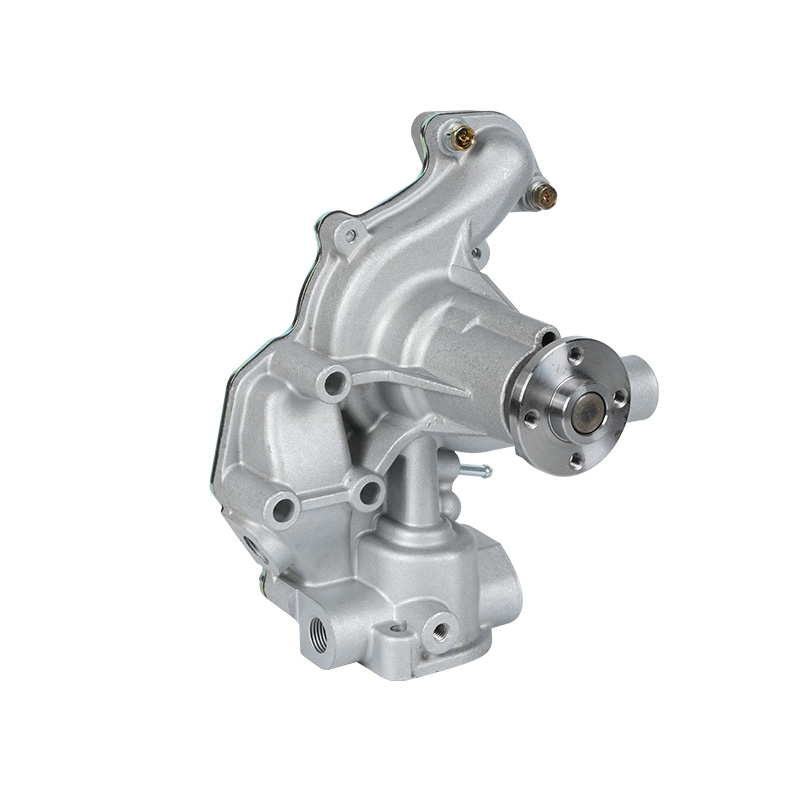
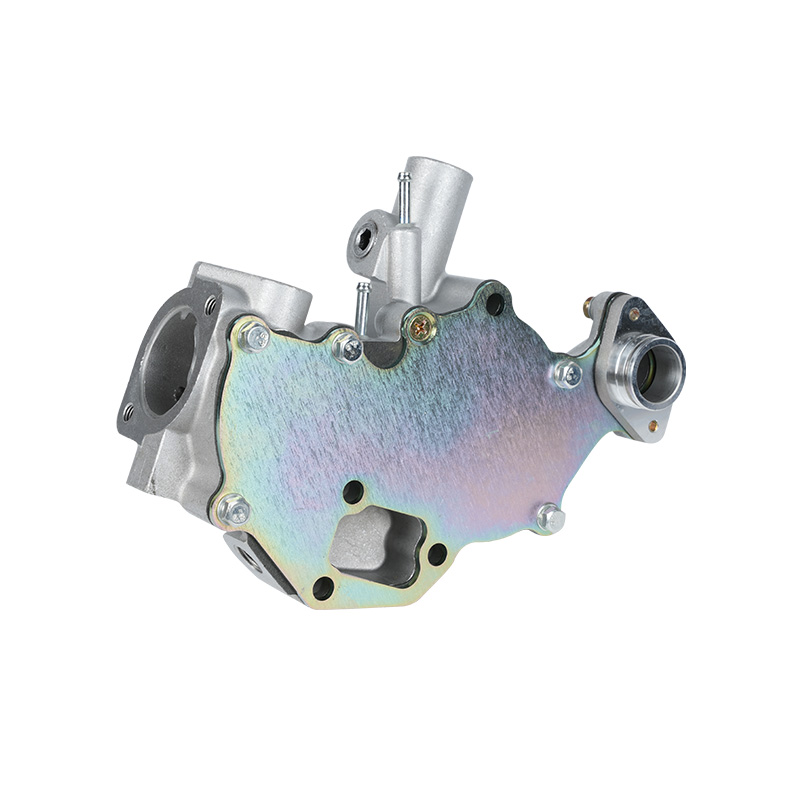
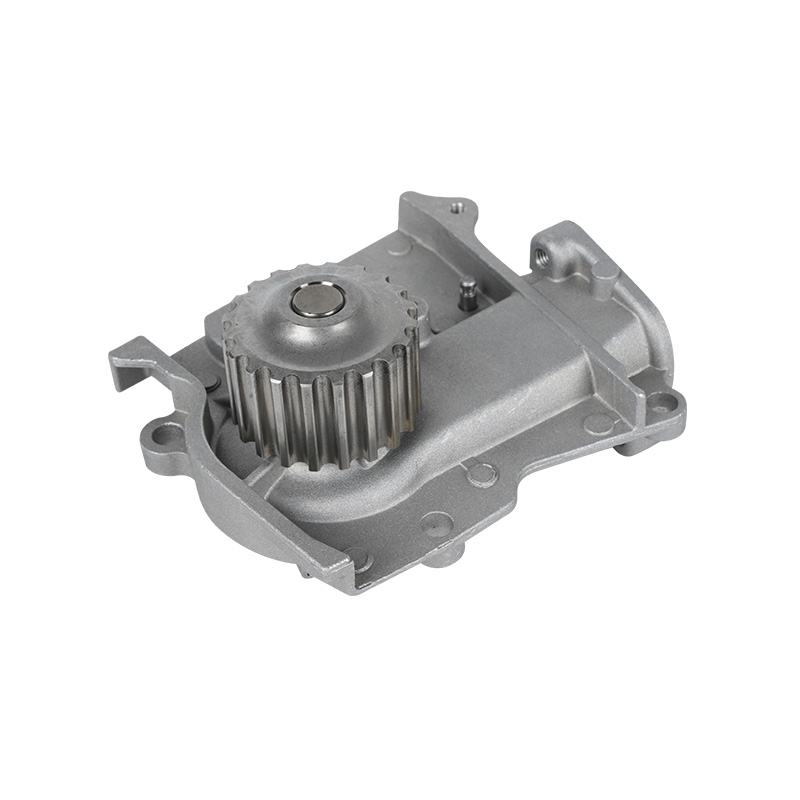
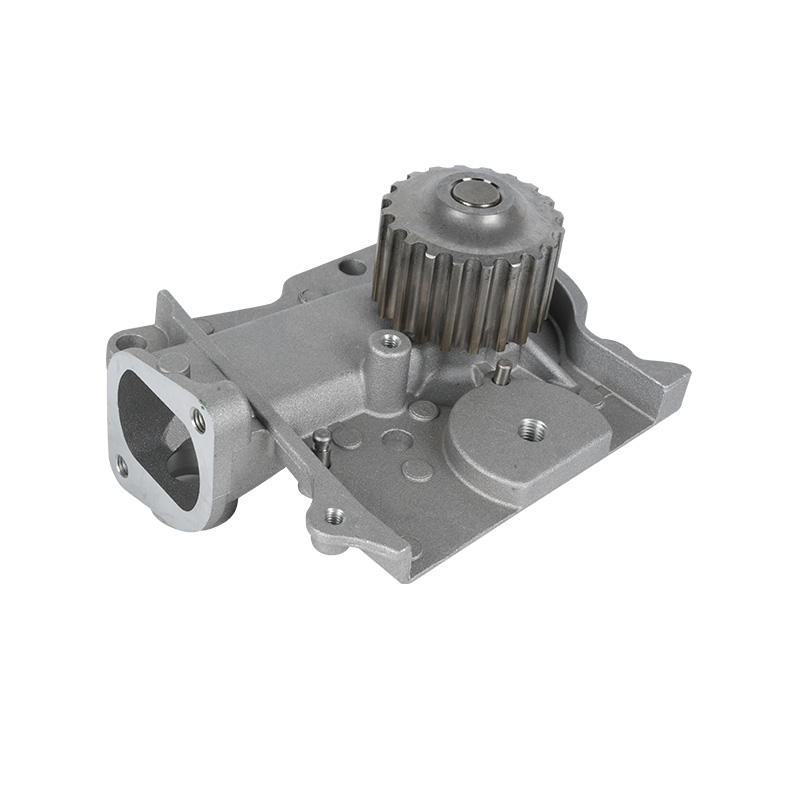
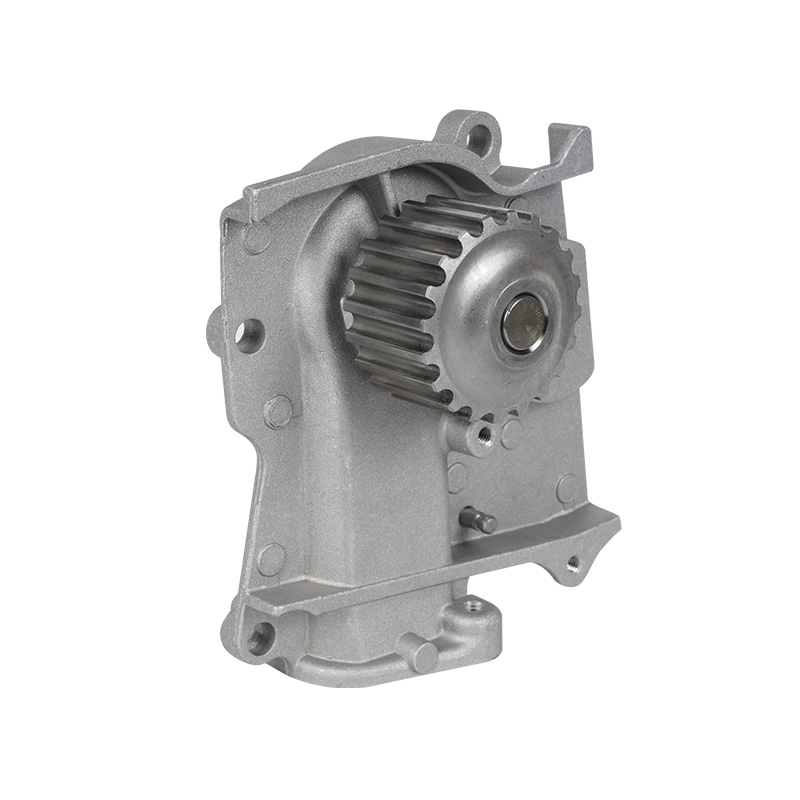
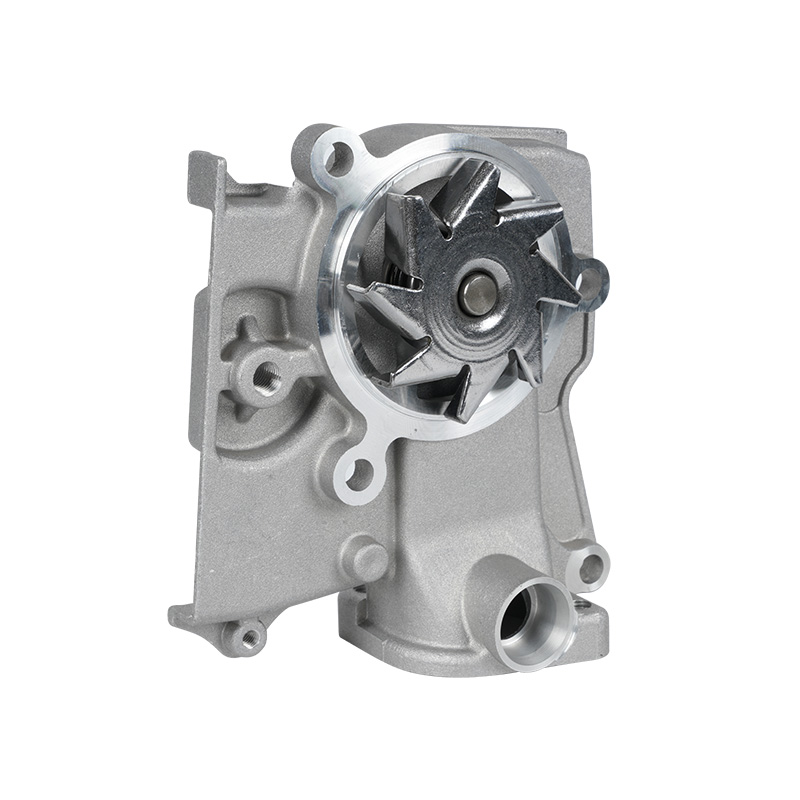
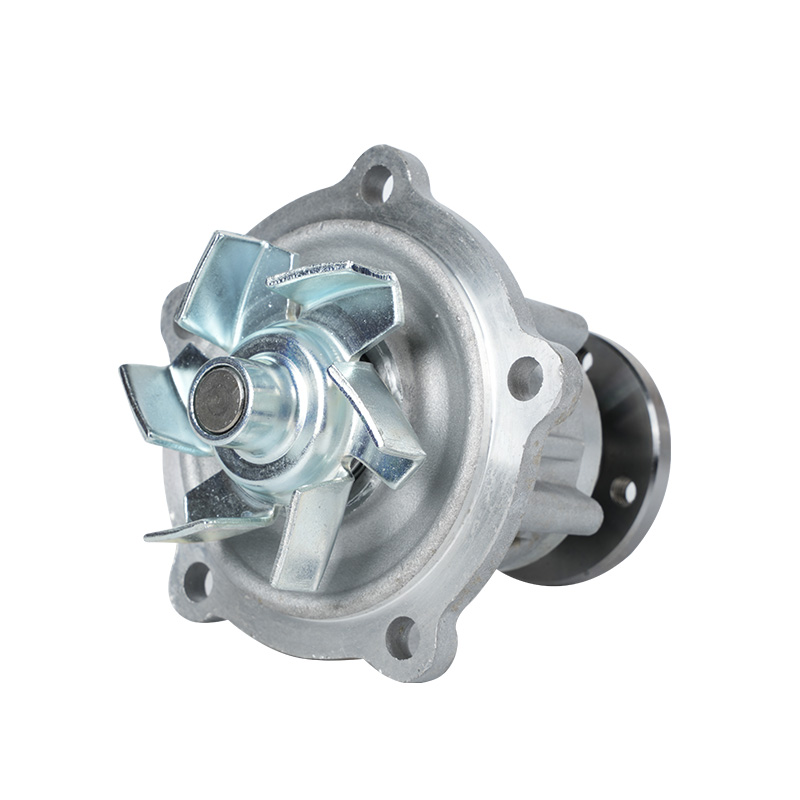
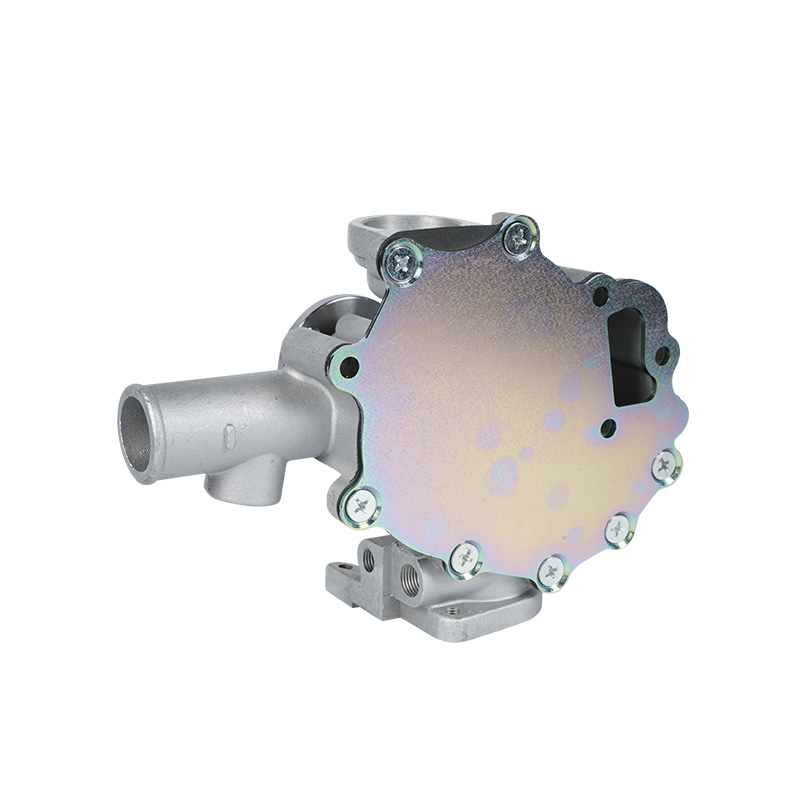
An Engine Water Pump is therefore more than a replacement component. Its dimensions, mounting points, impeller design, and connection positions must match the engine for which it is intended.
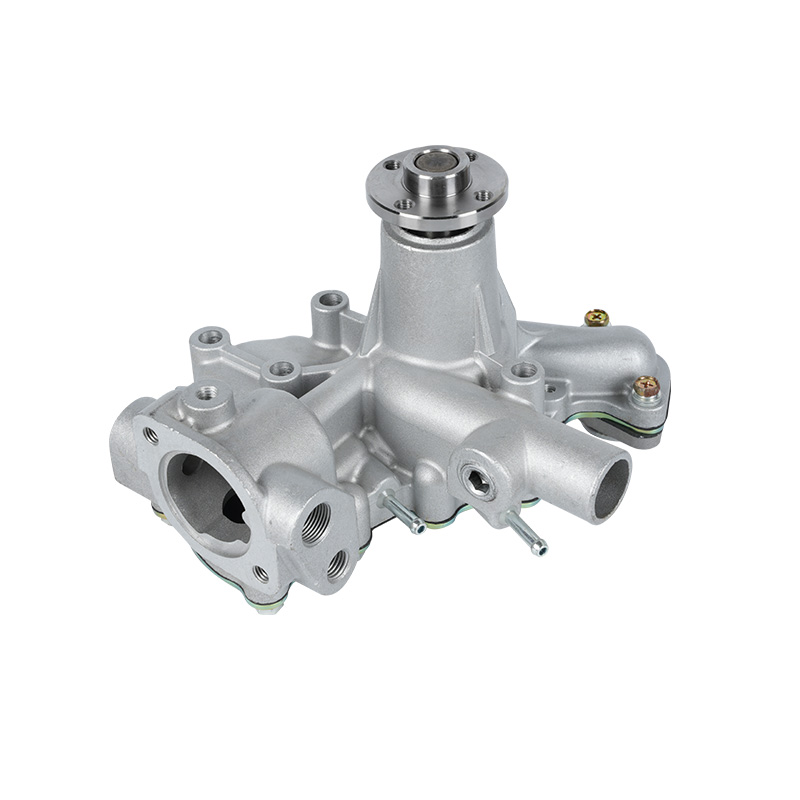
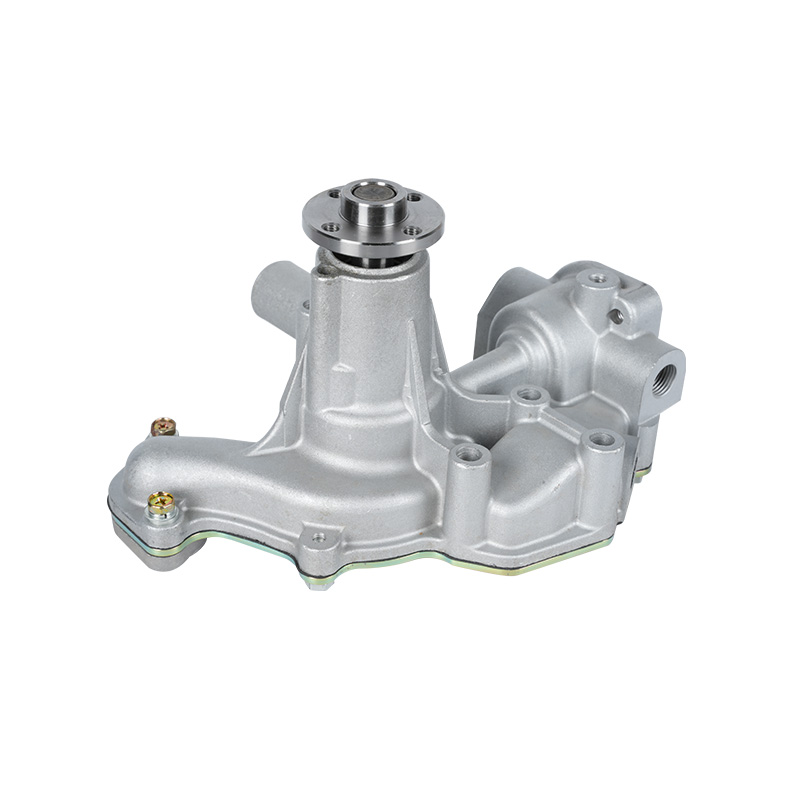
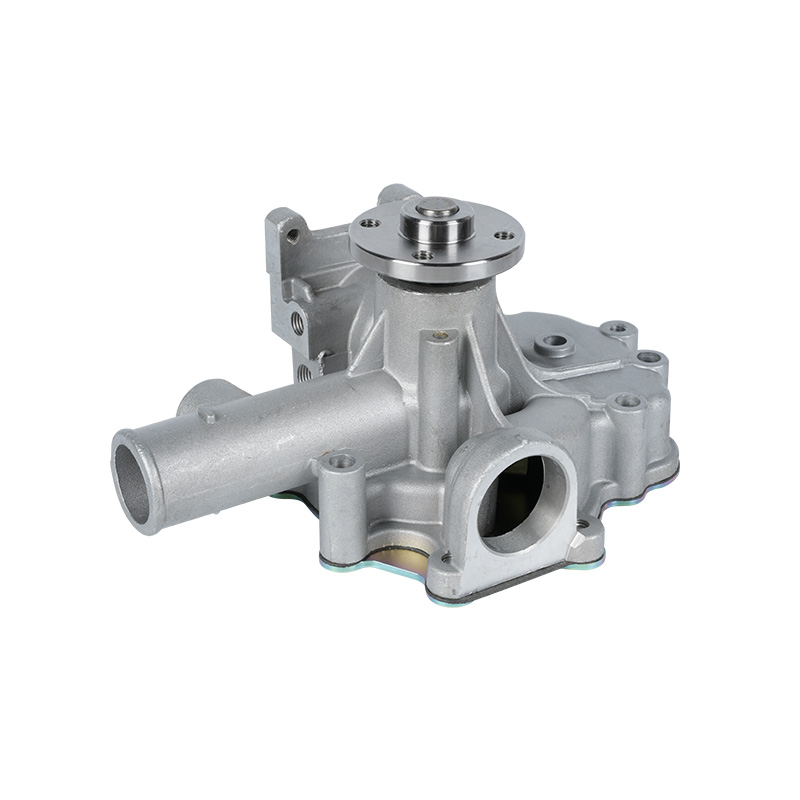
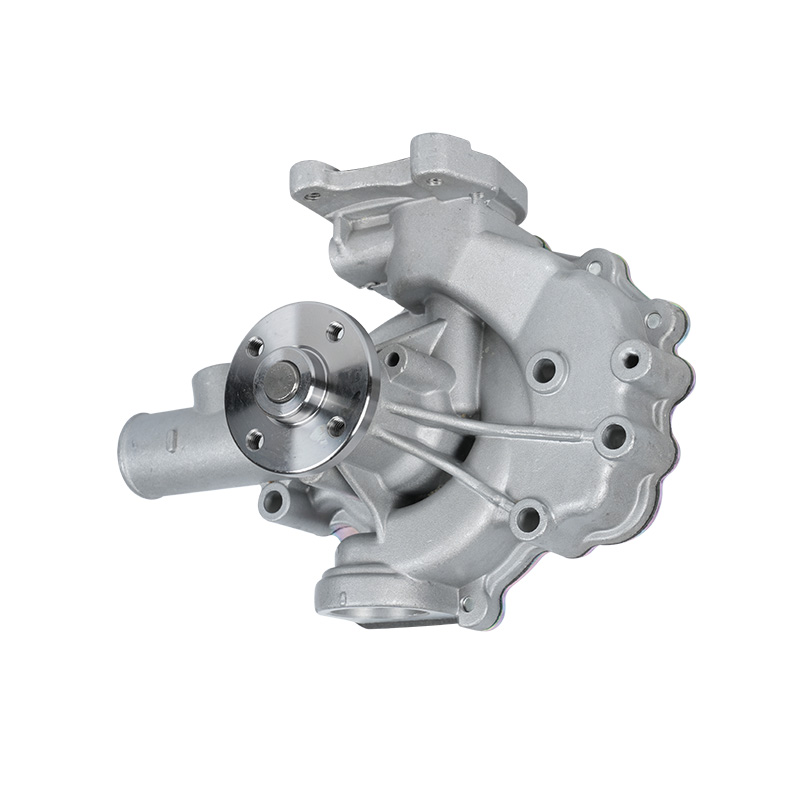
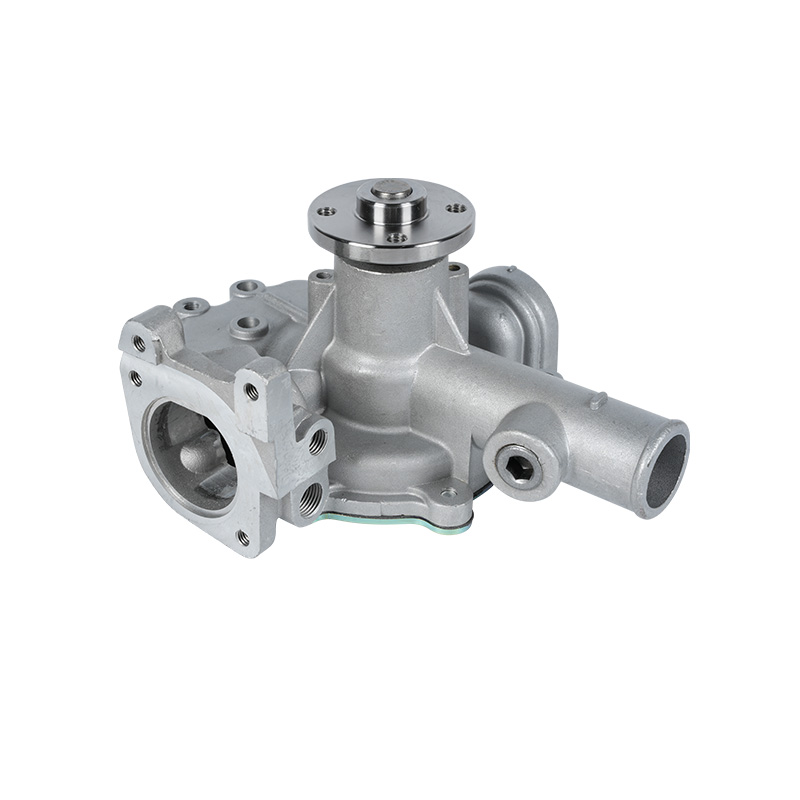
For equipment manufacturers, repair parts distributors, and wholesale suppliers, understanding these differences helps simplify product selection. A pump that looks similar to another model may still have different mounting dimensions or part numbers, making accurate identification important before ordering.
How an Engine Water Pump Works
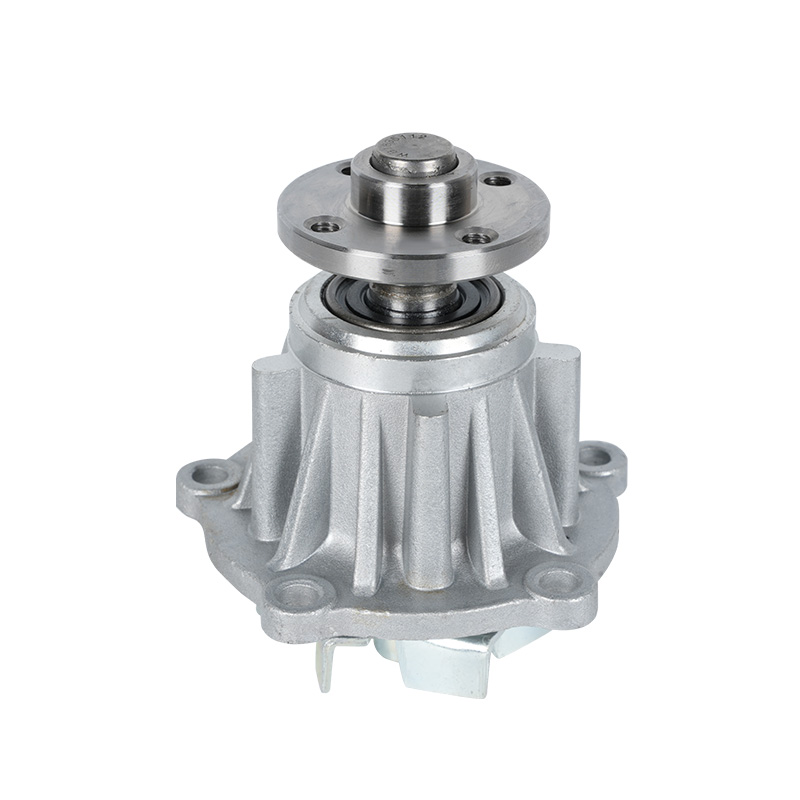
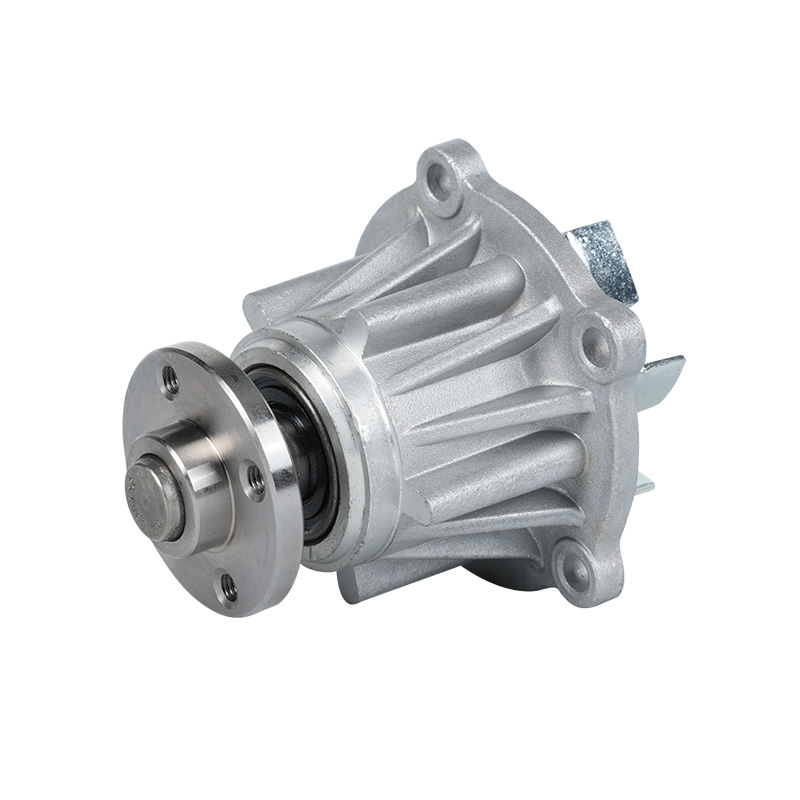
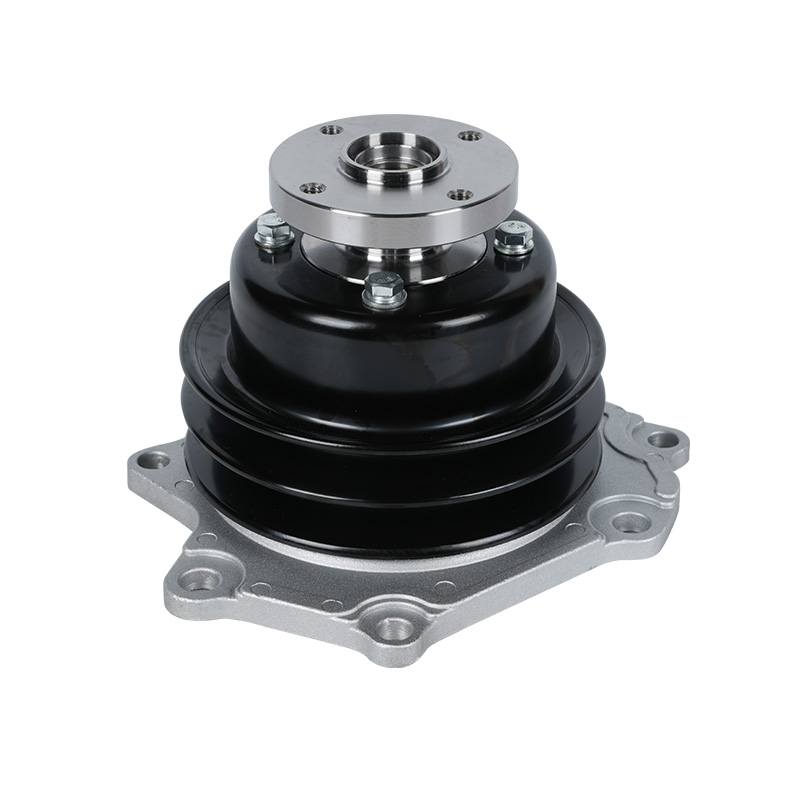
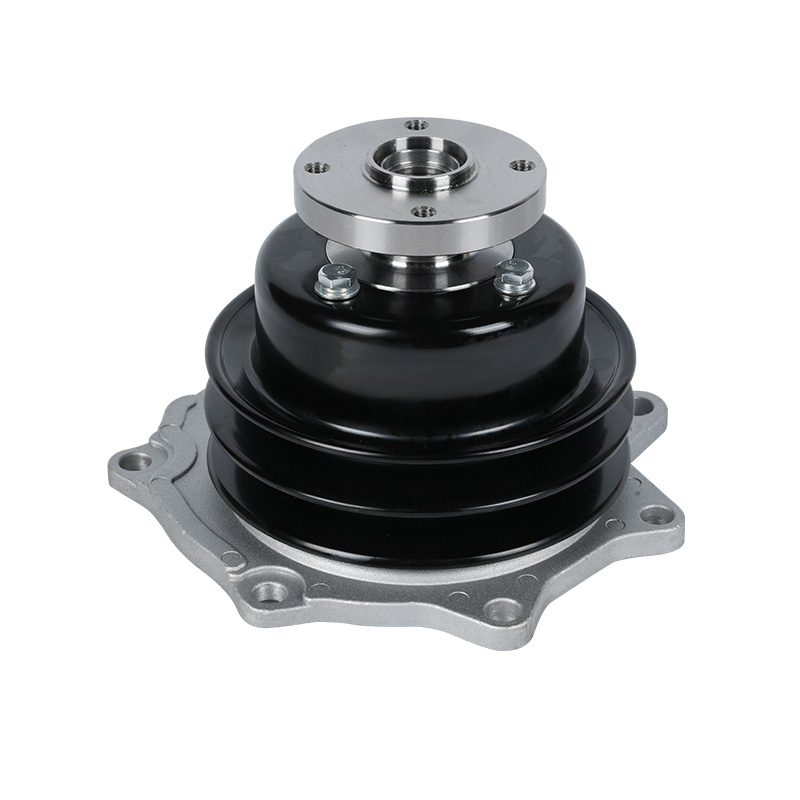
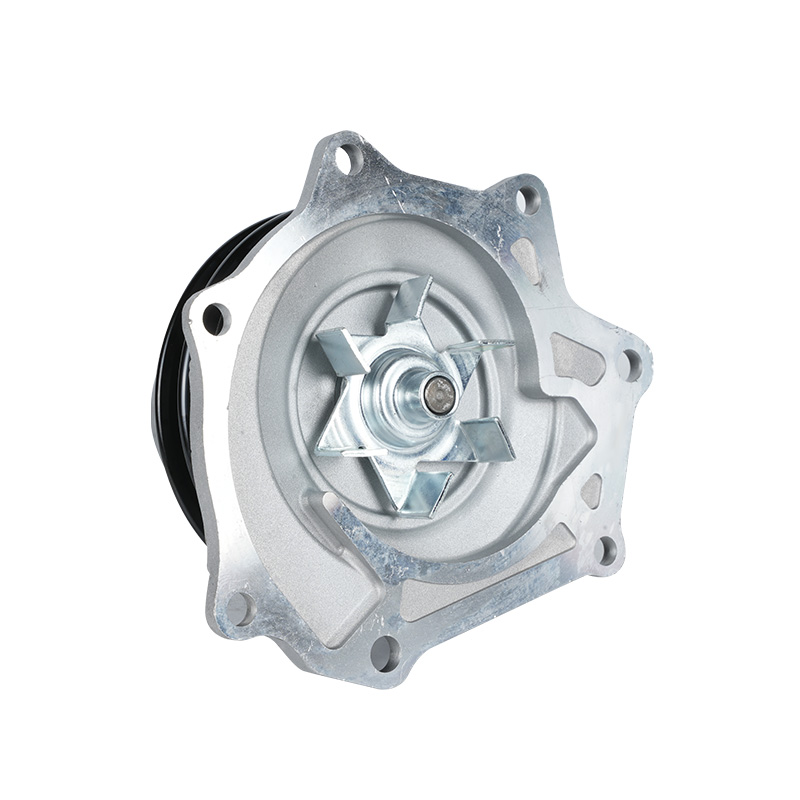
Many conventional engine water pumps use an impeller driven by a belt, gear, or other mechanical connection. As the impeller rotates, it moves coolant through the engine's cooling passages and toward the radiator. The cooled fluid then returns to the engine, forming a continuous circulation loop.
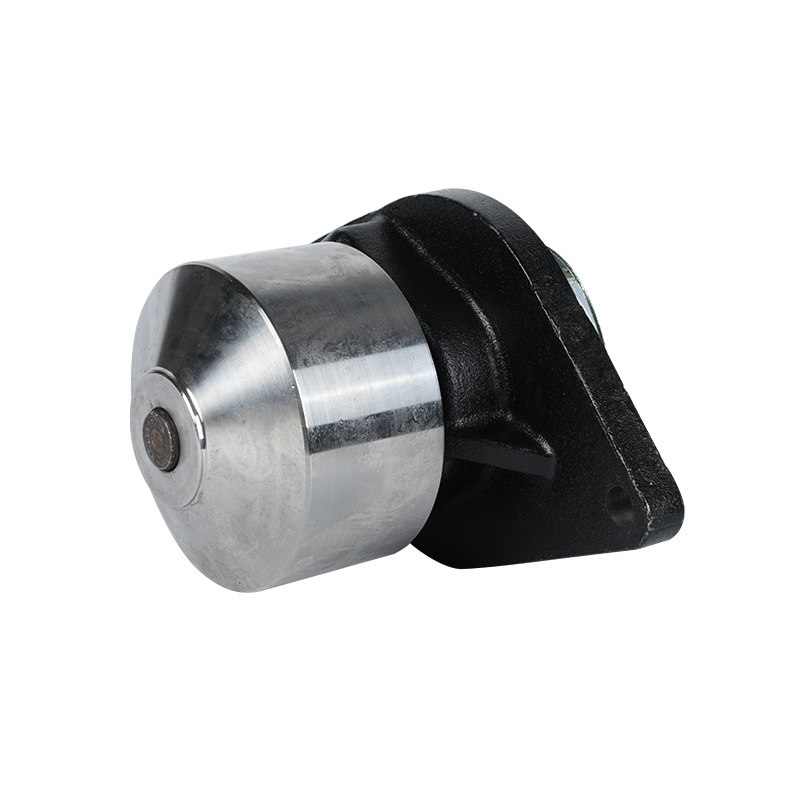
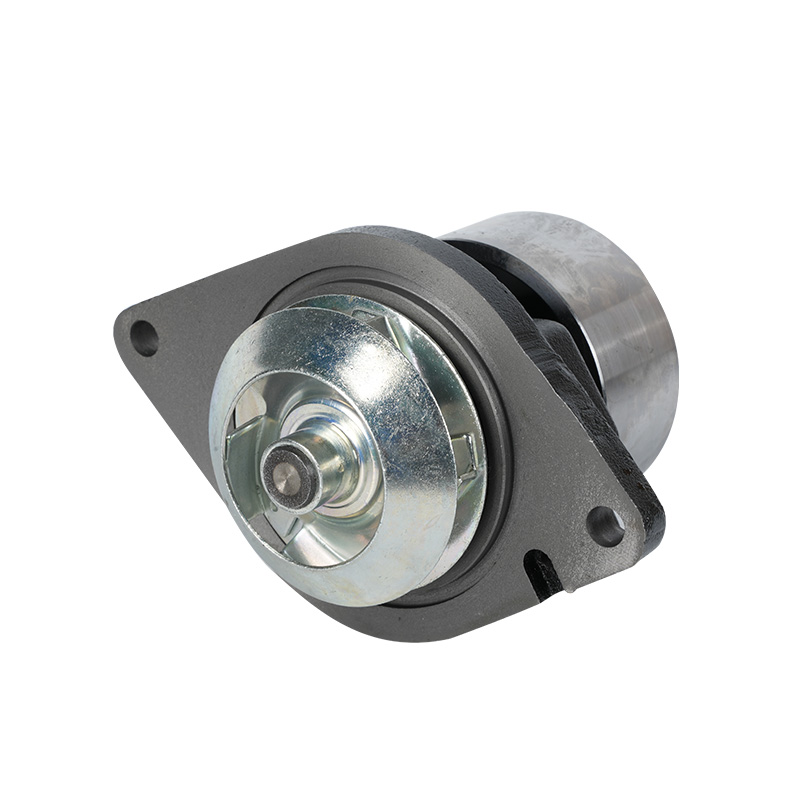
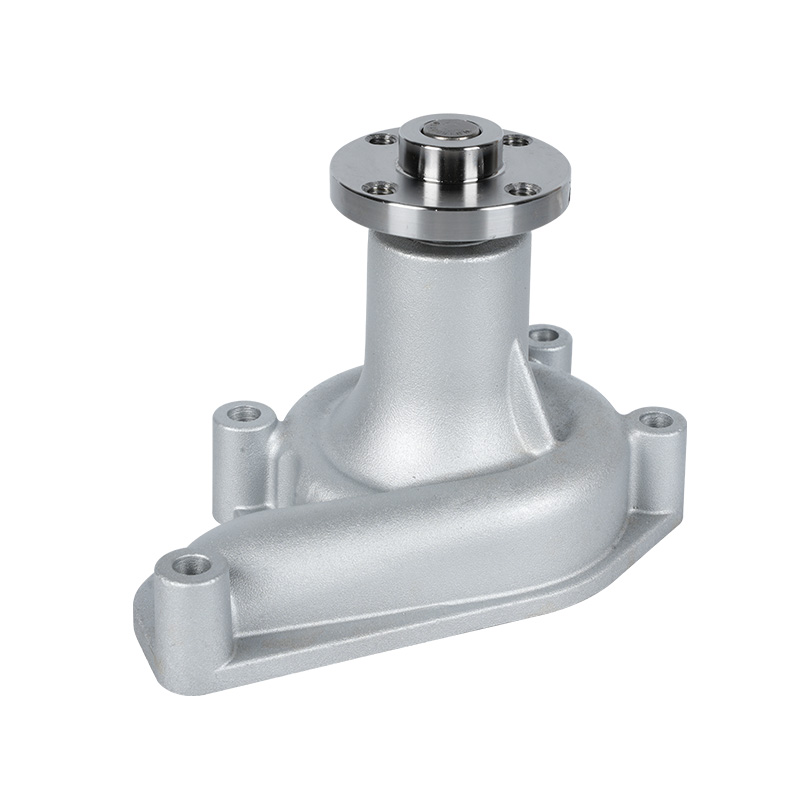
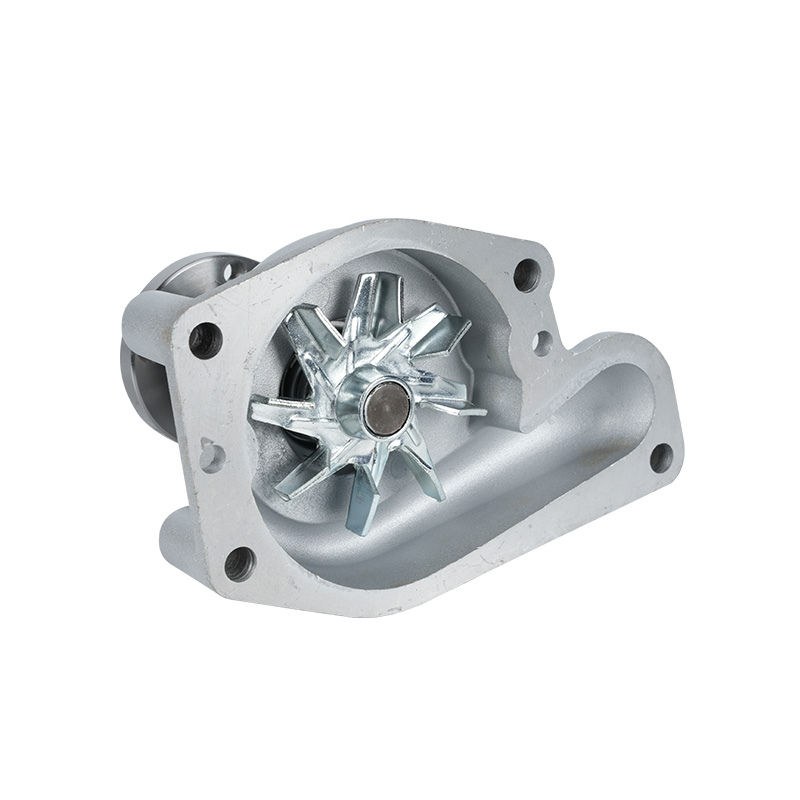
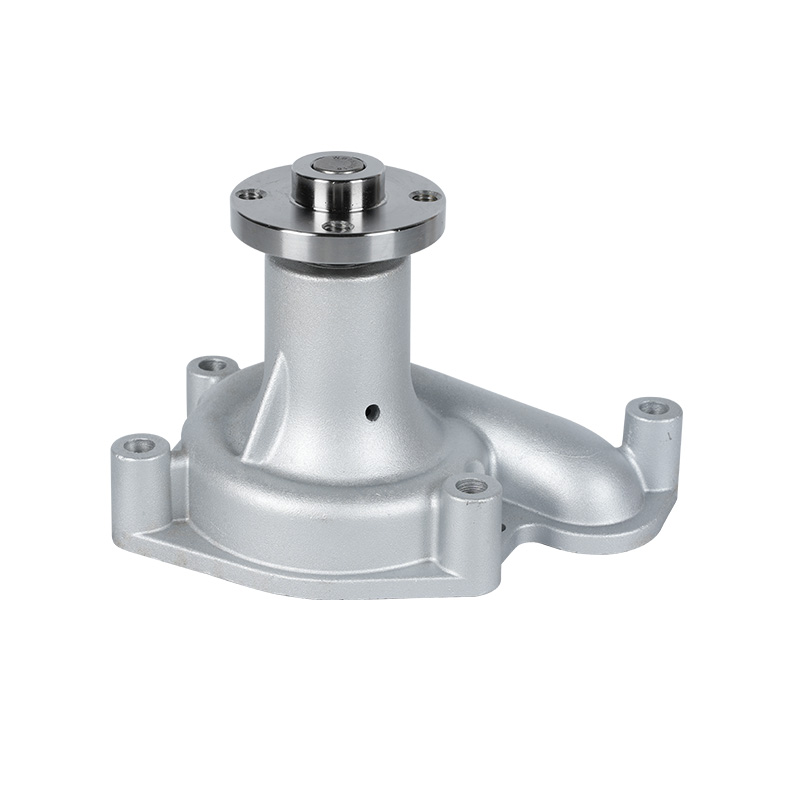
The pump housing contains the internal components and provides connection points for installation. The impeller influences fluid movement, while the shaft and bearing assembly support rotation. Sealing components help prevent coolant from escaping around the rotating shaft.
An Engine Water Pump must work as part of a larger system that includes the radiator, hoses, thermostat, and engine passages. The design of each component affects how coolant moves through the system.
For this reason, selecting a pump involves checking the intended engine application rather than relying on external appearance alone.
Applications in Construction and Agricultural Machinery
Construction equipment often operates under changing loads and working conditions. Excavators, loaders, and other machines depend on cooling systems that can circulate coolant while the engine powers hydraulic systems and performs demanding tasks.
Agricultural machinery presents different operating patterns. Tractors and other farm equipment may work for extended periods during planting, field preparation, or harvesting. Their water pumps need to match the engine design and the cooling system's requirements.
Forklifts provide another important application. These machines are used in warehouses, manufacturing facilities, and material-handling areas, with different engine models requiring corresponding replacement components.
An Engine Water Pump for industrial equipment should therefore be selected according to the machine's engine specification, not simply its general equipment category. Two forklifts or excavators can use different engines and require different pump assemblies.
Product Construction and Manufacturing Details
The construction of an engine water pump affects its installation and operation. Housing material, impeller geometry, bearing support, shaft dimensions, and sealing arrangements all contribute to the component's function.
Manufacturing processes may include casting or forming the housing, machining mounting surfaces, assembling internal components, and checking critical dimensions. Consistency in these stages helps ensure that parts correspond to their specified applications.
For suppliers serving the replacement-parts market, dimensional accuracy is particularly relevant. A small difference in a mounting surface or connection position can complicate installation, even when two pumps appear similar.
When evaluating an Engine Water Pump, buyers can request product drawings, reference numbers, and application information to confirm whether the component matches the intended engine.
OEM and Customized Supply Options
Some buyers need products that follow established specifications, while others require support with product identification, packaging, or selected configuration details. OEM supply typically follows customer-provided requirements, while customized projects may involve confirming dimensions, part references, and packaging arrangements.
Before confirming an order, both parties should establish the applicable engine models, part numbers, quantities, and any agreed product variations. This information gives production and sales teams a shared reference for handling the order.
For engine water pump distributors, accurate model matching and consistent product documentation help connect manufacturers with the practical requirements of repair workshops and equipment operators.
Previous Post
No previous article
Next Post
Which Forklift Pump Matches Your Hydraulic System?
CONTACT US NOW

We sincerely welcome friends from all walks of life
to visit Zhejiang Jinrui Pump Industry Co., Ltd. to
visit, guide and business negotiations,
and jointly create a better future.
- KEEP IN TOUCH
- Phase I of Longshang Shoes Industrial Base, Tashi Street, Longquan City, Lishui City, Zhejiang, China.
- [email protected]
- +86-18957085800 / +86-15268785899
- MOBILE WEB
Copyright © 2024 Zhejiang Jinrui Pump Industry Co., Ltd. 
Electric Pump Factory
