


 English
 中文简体
Agricultural Water Pump Combines Impeller and Housing Design
An Agricultural Water Pump moves water from a source to fields, livestock areas, or storage tanks on commercial farms. Overseas buyers who source these units for medium and large-scale operations focus on construction details, flow performance, and compatibility with existing pipe networks. Clear information about impeller style, housing material, and drive options helps purchasing teams select equipment that matches daily water requirements.
Basic Construction of an Agricultural Water Pump
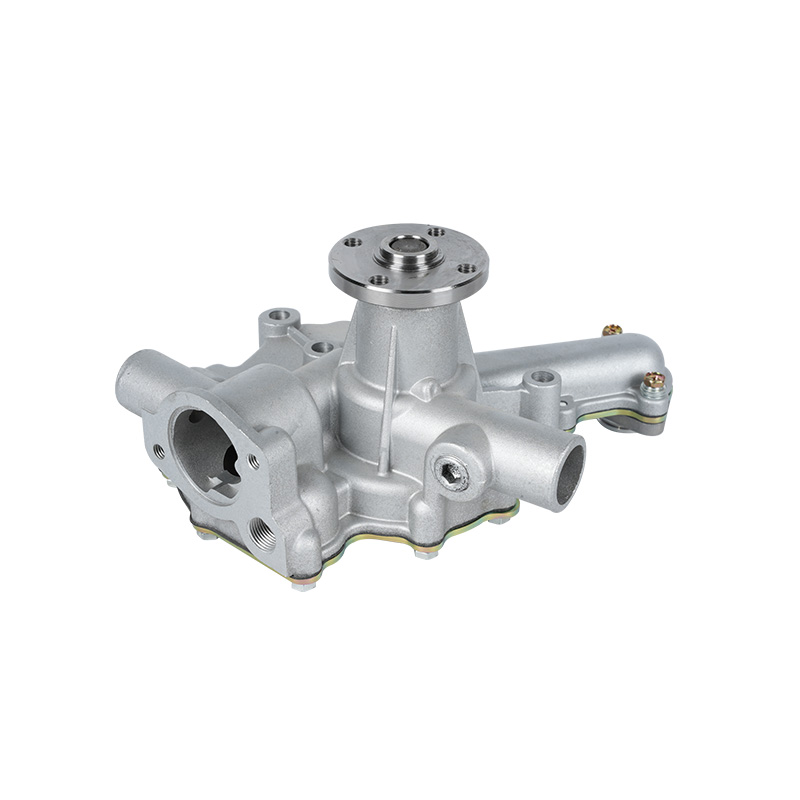
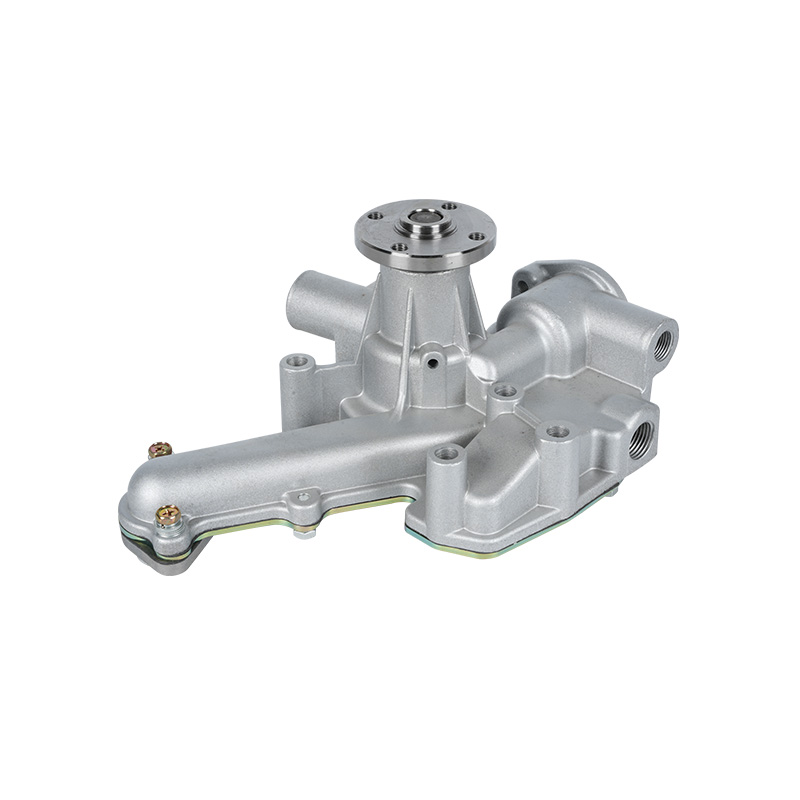
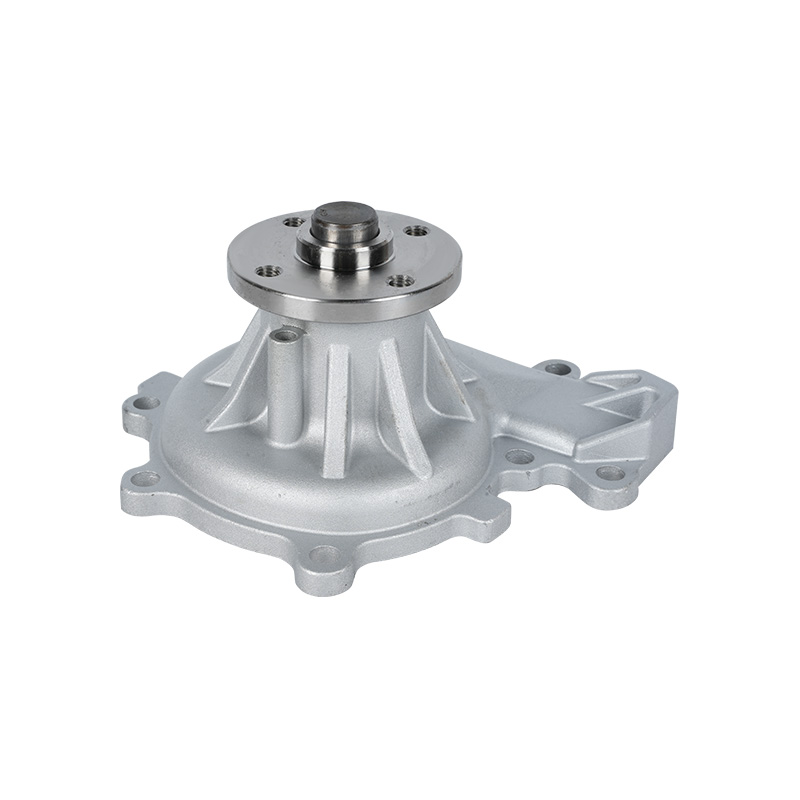
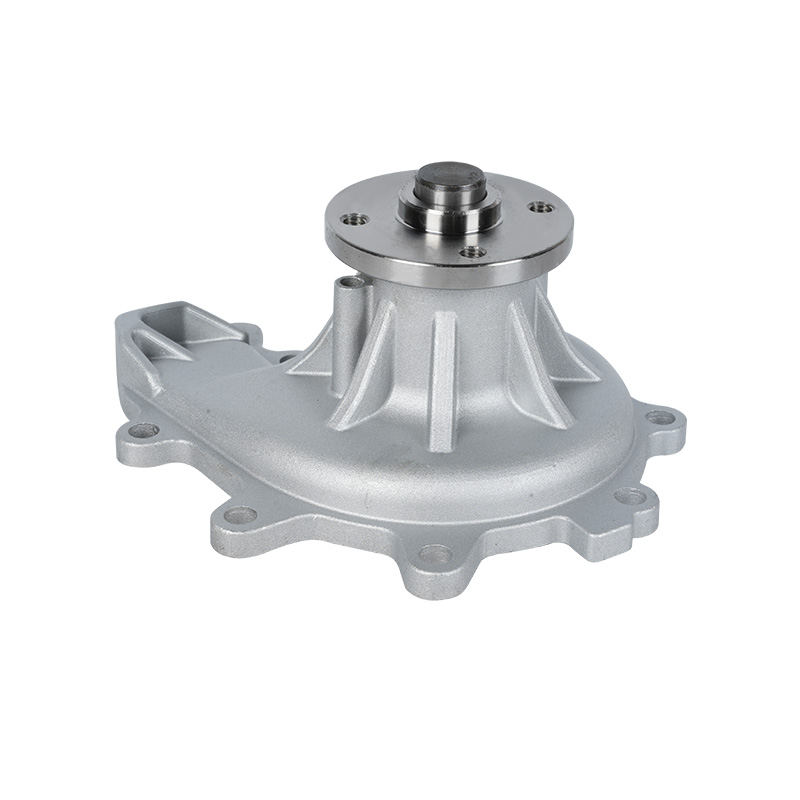
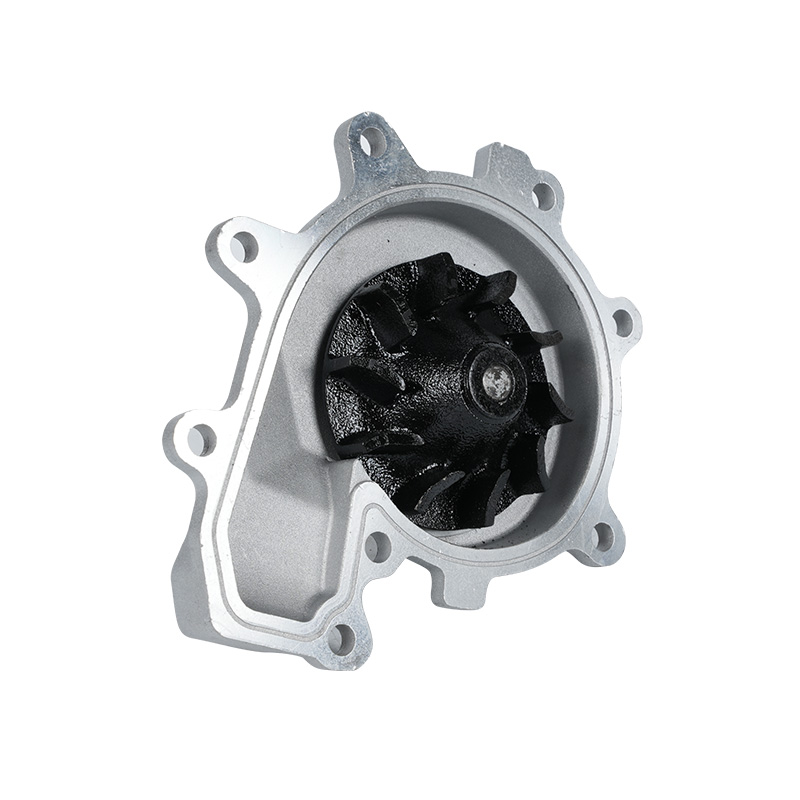
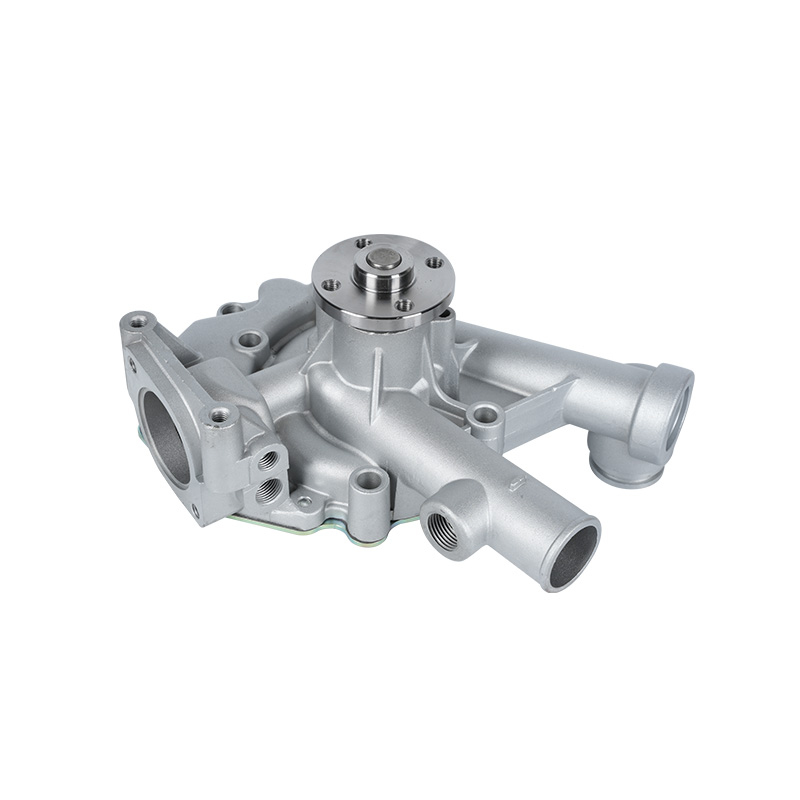
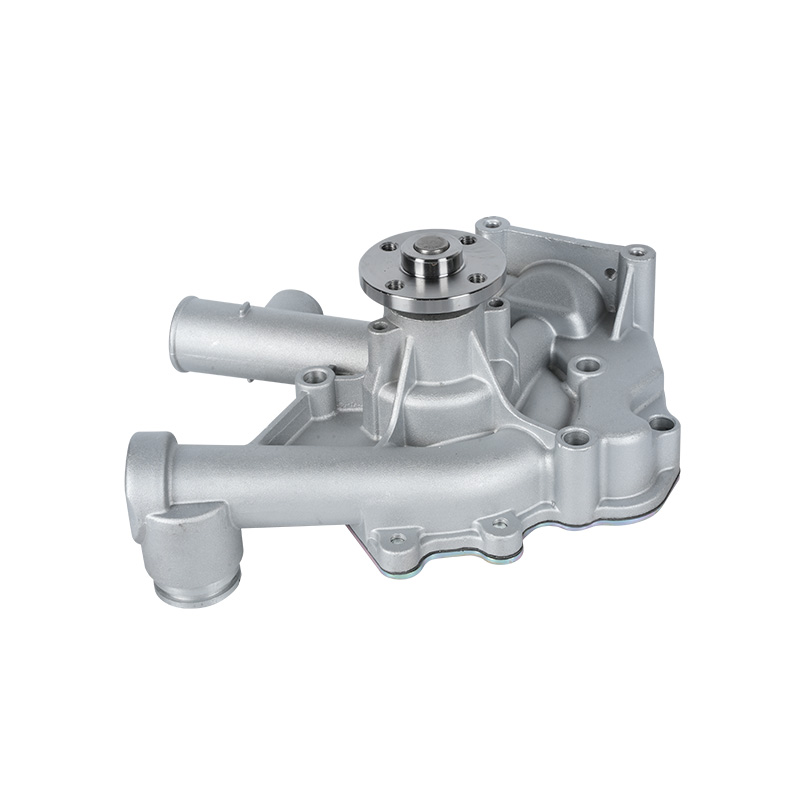
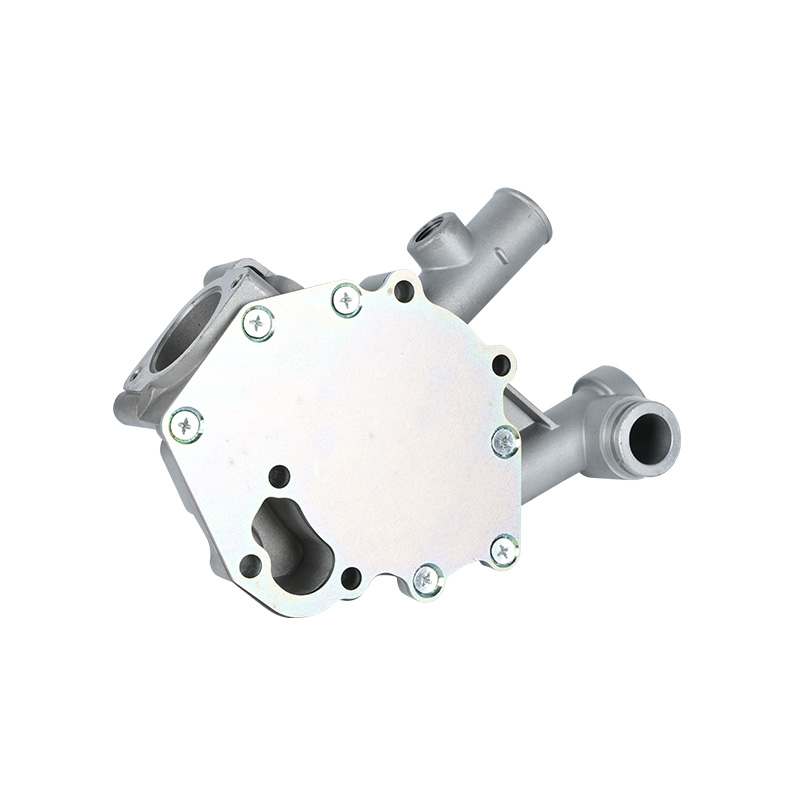
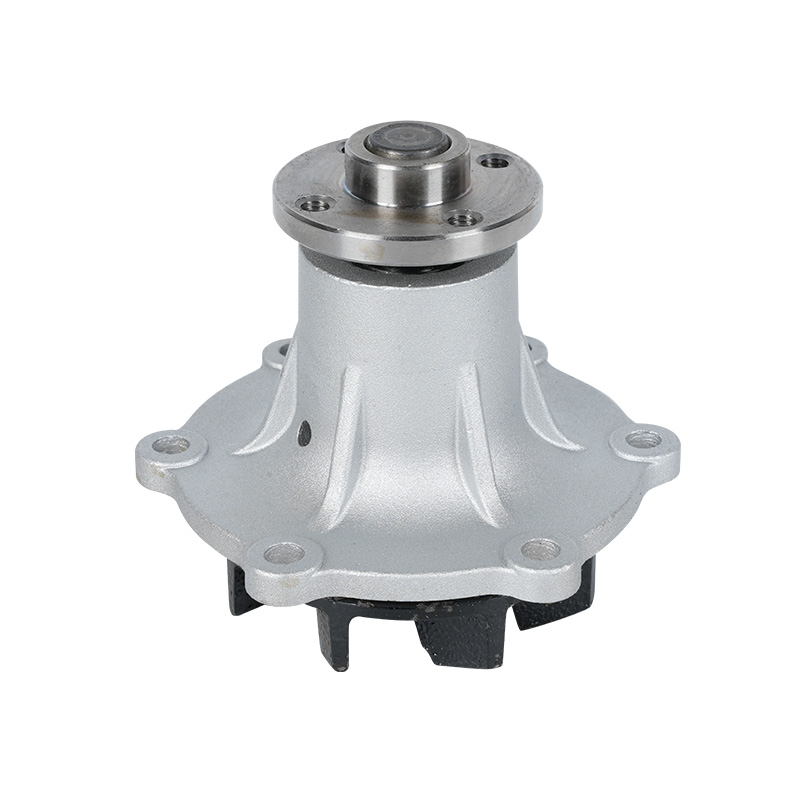
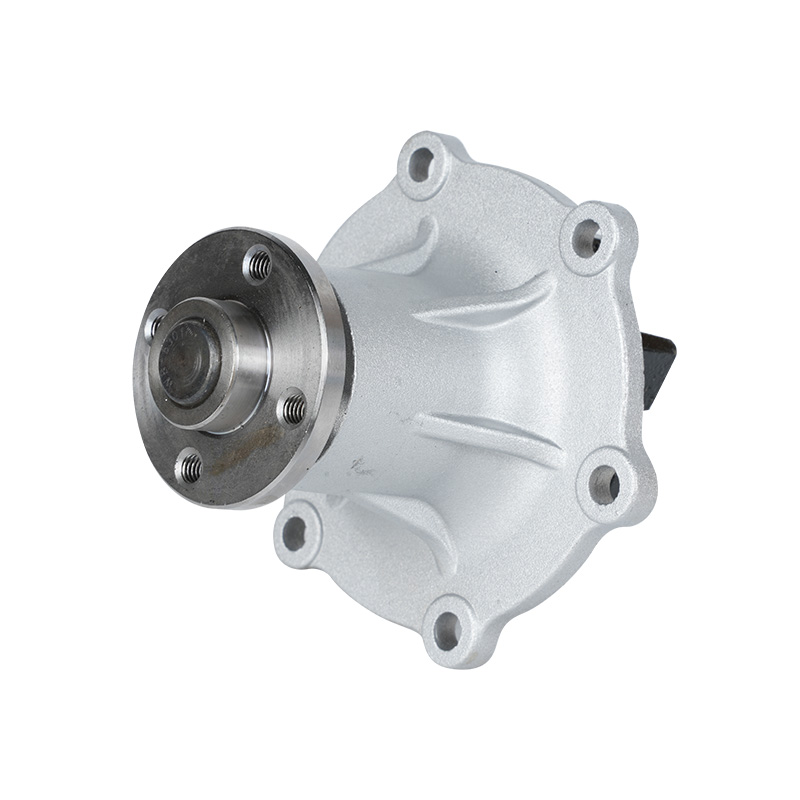
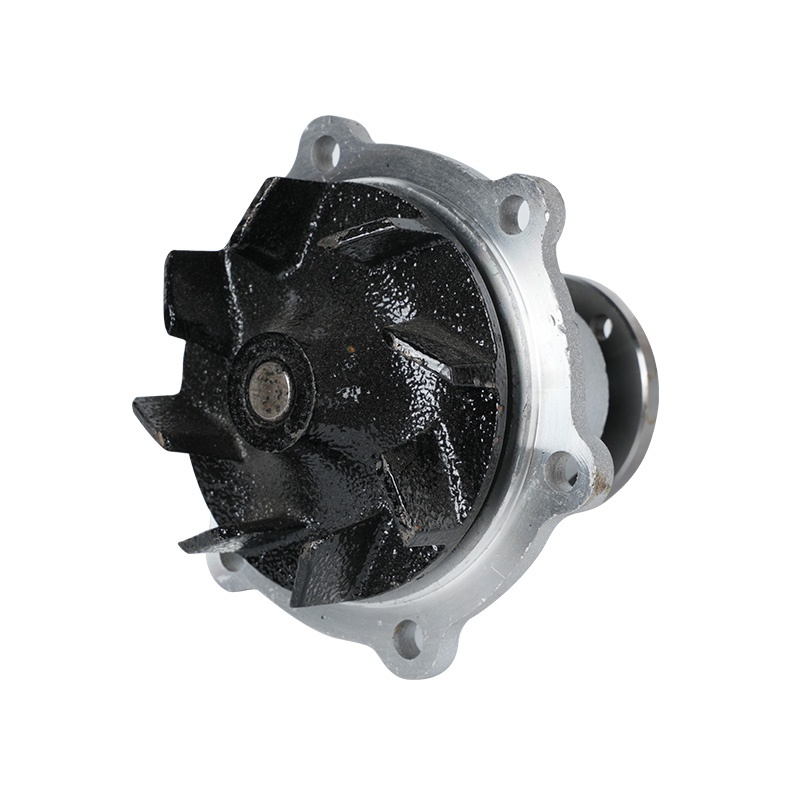
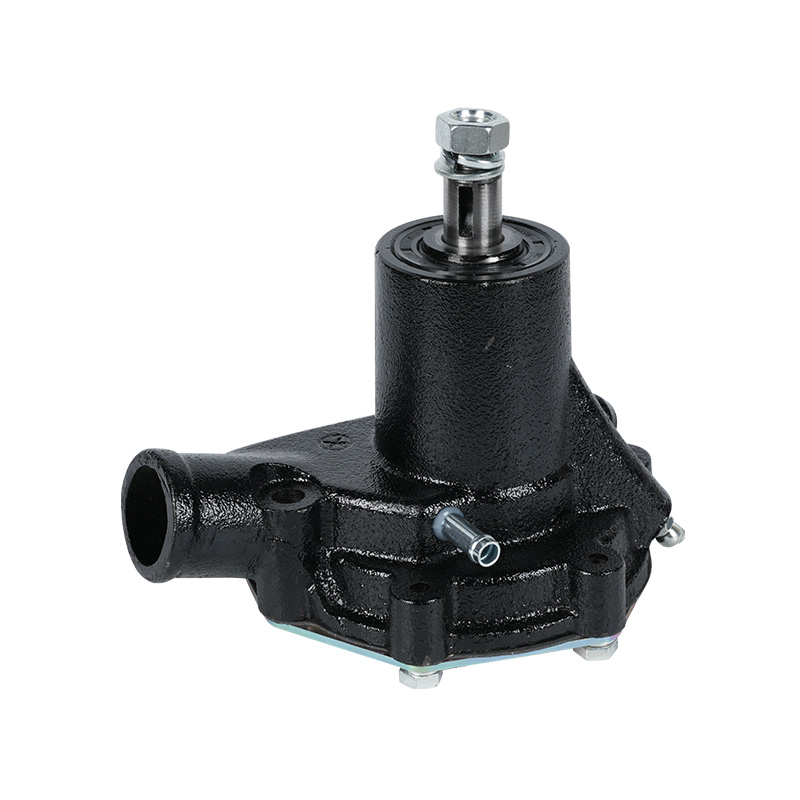
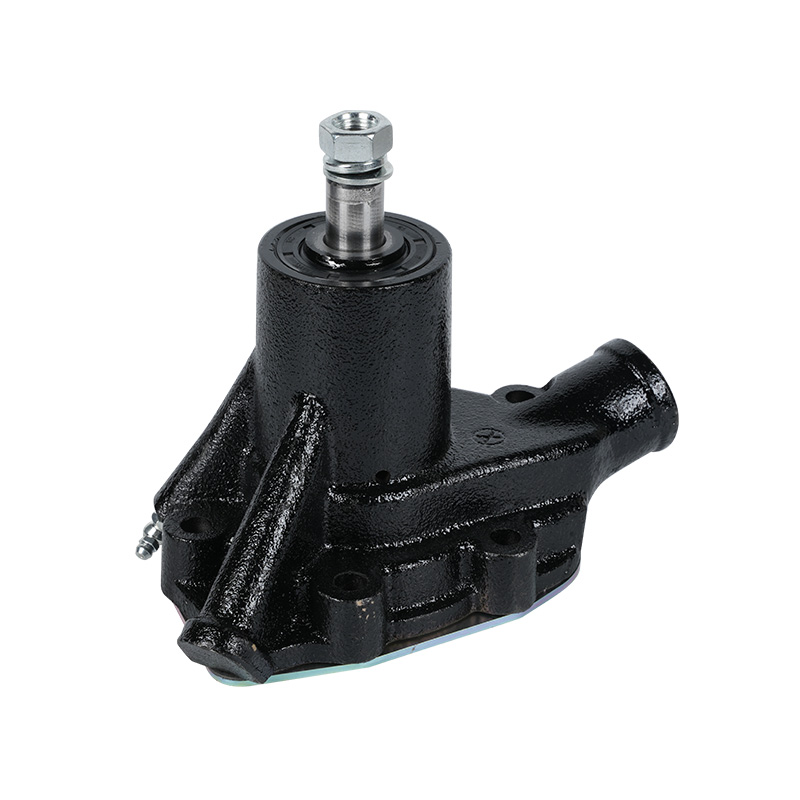
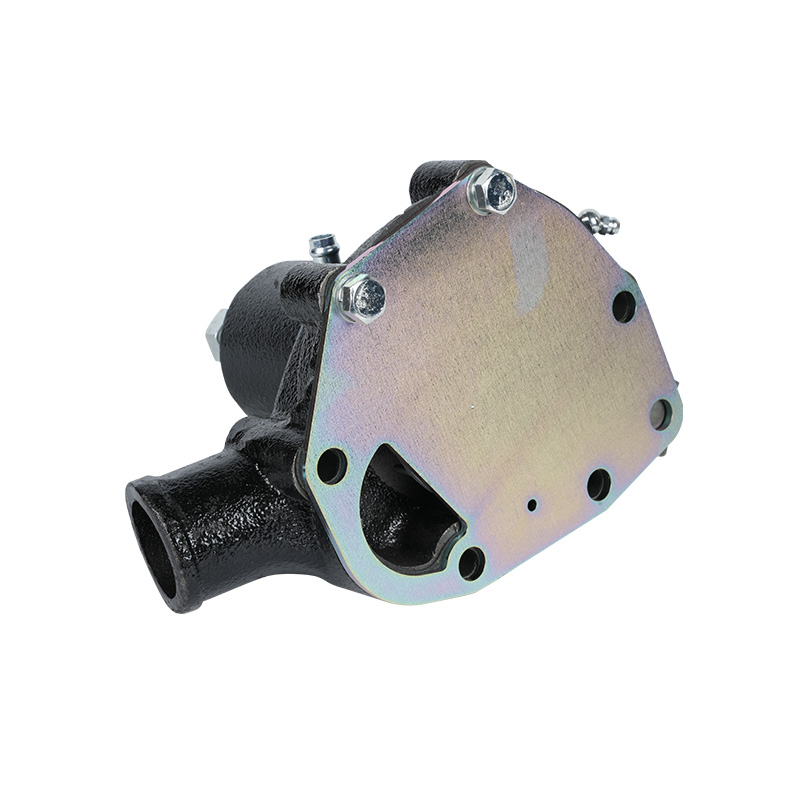
An Agricultural Water Pump typically consists of a housing, an impeller, a shaft, and a drive connection. The housing is cast from iron or fabricated from stainless steel, depending on the water conditions and required durability. Inside, the impeller rotates to create pressure that pushes water through the outlet. Centrifugal designs remain common because they handle moderate solid content and deliver steady volume at relatively low pressure.
The shaft connects the impeller to the motor or engine. Seals around the shaft keep water from entering the drive end. Bearing arrangements support the rotating assembly and keep vibration within acceptable limits during continuous operation. Inlet and outlet ports are sized to match standard agricultural pipe diameters so the pump integrates with existing pipelines without custom adapters.
Material Choices and Their Practical Effects
Cast iron housings offer strength and cost efficiency for clean or lightly sedimented water. Stainless-steel versions resist corrosion when the water carries higher mineral content or mild chemicals used in fertigation. Impellers may be made from the same material as the housing or from engineered polymers that reduce weight and resist abrasion. Buyers reviewing an Agricultural Water Pump often request the specific alloy or polymer grade so they can compare it against the water chemistry at their sites.
Gasket and seal materials also matter. Elastomer seals suited to the expected temperature range and water quality help maintain performance over long operating periods. Surface finishes on the internal passages reduce friction and support efficient flow. These details are usually confirmed during the technical discussion that precedes an order.
Matching Pump Performance to Farm Tasks
Flow rate and total head are the two primary performance figures. Flow rate indicates how many cubic meters or gallons the pump can move per hour. Total head reflects the vertical lift plus the friction losses in the pipe network. An Agricultural Water Pump selected for surface irrigation may prioritize higher flow at moderate head, while a unit serving elevated tanks or long horizontal runs needs greater pressure capability.
Self-priming models draw water from sources below the pump level, which suits many open-channel or pond installations. Submersible versions sit inside a well or sump and push water upward. Both types appear in agricultural settings; the choice depends on the water source depth and the preferred installation method. Drive options include electric motors for sites with reliable power and diesel or petrol engines for remote fields.
Everyday Operational Characteristics
Once installed, an Agricultural Water Pump runs according to the irrigation schedule or livestock watering pattern. Operators monitor inlet pressure, outlet pressure, and motor current to confirm normal behavior. The compact design of many models allows placement close to the water source, which shortens suction lines and improves priming reliability.
Factories that produce Agricultural Water Pump units can adjust impeller trim, housing coatings, and drive configurations to suit different regional requirements. Supplying matching pumps across successive orders helps maintain consistency in spare-part inventories and operator familiarity. Attention to housing material, impeller geometry, and drive compatibility enables buyers to select equipment that fits their water-delivery tasks without unnecessary complexity.
Previous Post
No previous article
Next Post
How Excavator Pump Supports Machine Functions?

CONTACT US NOW

We sincerely welcome friends from all walks of life
to visit Zhejiang Jinrui Pump Industry Co., Ltd. to
visit, guide and business negotiations,
and jointly create a better future.
- KEEP IN TOUCH
- Phase I of Longshang Shoes Industrial Base, Tashi Street, Longquan City, Lishui City, Zhejiang, China.
- [email protected]
- +86-18957085800 / +86-15268785899
- MOBILE WEB
Copyright © 2024 Zhejiang Jinrui Pump Industry Co., Ltd. 
Electric Pump Factory
